
Do you want to experience the various festivals in China? Immerse yourself in the dazzling beauty of the Lantern Festival, where thousands of glowing lanterns light up the night sky in a breathtaking spectacle. Feel the adrenaline rush of the Dragon Boat Festival, as vibrant dragon boats slice through the water amid thunderous cheers. And don't miss the heartwarming Spring Festival—China's most cherished celebration—where families reunite, streets come alive with red lanterns, and the air is filled with laughter, fireworks, and the spirit of new beginnings.
Join us for an unforgettable tour through China's most iconic festivals—where culture, excitement, and unforgettable memories await!
Table of Contents
Why come to China for the festivals
China is a land where ancient traditions and vibrant modernity blend seamlessly, offering unforgettable festival experiences like nowhere else! Imagine dazzling lantern festivals lighting up the night sky, lively dragon dances weaving through bustling streets, and the aroma of festive delicacies filling the air. Whether it's the joyous Spring Festival with its red envelopes and family feasts, the mesmerizing Mid-Autumn Moon Festival with its glowing lanterns and sweet mooncakes, or the thrilling Dragon Boat races that get your heart pounding—China's festivals are a feast for the senses.
Beyond the celebrations, you'll discover rich cultural treasures—from majestic temples adorned with festive decorations to charming local markets brimming with handmade crafts. Every festival tells a story, and here, you don't just witness it—you live it. Warm hospitality, breathtaking scenery, and centuries-old customs make China the perfect destination to immerse yourself in truly magical celebrations. Come, be part of the excitement, and create memories that will last a lifetime!
1. Spring Festival (Chinese New Year)
Step into a whirlwind of color, tradition, and joy as China celebrates Spring Festival, the most important festival in Chinese culture! This 15-day extravaganza (usually late January to mid-February) transforms the entire country with dazzling red lanterns, explosive firecrackers, and heartwarming family reunions.
Highlights You Can't Miss:
-Reunion Dinners: Families gather for a feast of jiaozi (dumplings for prosperity), niangao (sticky rice cake for progress), and endless laughter.
-Red Everywhere: From lucky money envelopes (hongbao) to couplets on doors, red symbolizes good fortune and wards off evil.
-Dragon & Lion Dances: Watch acrobatic performers bring mythical creatures to life in bustling streets, chasing away bad luck!
-Lantern Festivals: The celebration culminates with a dreamy night of glowing lanterns, riddles, and sweet yuan xiao (rice balls).
Pro Tip: Join locals in shouting "Xin nian kuai le!" (Happy New Year!) and soak up the infectious excitement. Whether you're in Beijing's temple fairs or Shanghai's neon-lit streets, Chinese New Year is a cultural spectacle you'll never forget!
Ready to celebrate? Pack your curiosity—and a red outfit!
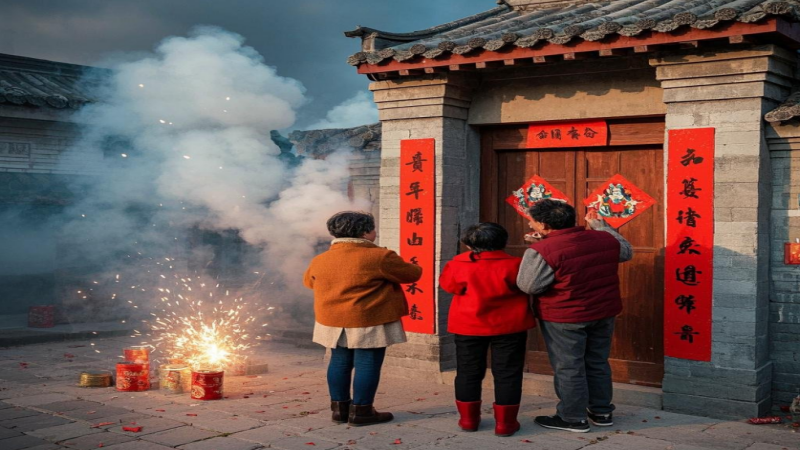
The Lantern Festival, celebrated on the 15th day of Chinese New Year, marks the grand finale of Chinese Spring Festival festivities. As night falls, streets and squares across China transform into a magical wonderland, glowing with countless colorful lanterns in all shapes and sizes—from delicate traditional red orbs to elaborate dragon and phoenix designs.
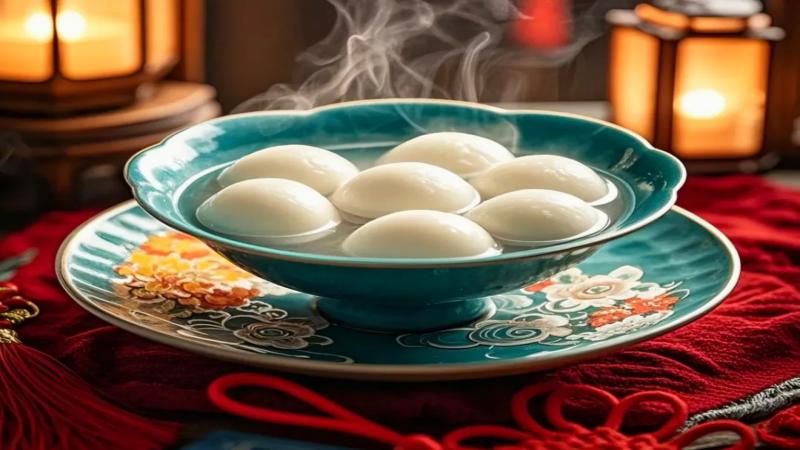
This enchanting festival is more than just a visual spectacle. It's a time for family reunions, joyful parades, and age-old customs. People gather to solve clever riddles written on lanterns, savor sweet glutinous rice balls (yuanxiao or tangyuan), and watch breathtaking performances like lion dances and firework displays. The lanterns symbolize hope and prosperity, while the act of releasing sky lanterns carries prayers for good fortune into the heavens.
For travelers, the Lantern Festival offers an unforgettable cultural immersion. Join the lively crowds in Beijing's Hutongs, or Nanjing's Qinhuai Lantern Fair, where the night sky sparkles with floating lights. Whether you're capturing Instagram-worthy moments or participating in time-honored traditions, this radiant celebration is the perfect way to experience China's warmth, creativity, and rich heritage.
The Qingming Festival (or Tomb-Sweeping Day), observed on April 4th or 5th, is one of China's most meaningful traditional holidays—a time when heritage, nature, and heartfelt remembrance come together in perfect harmony.
As winter fades, families across China visit ancestral graves to clean tombstones, offer flowers, and share memories of loved ones. Yet Qingming is not only about honoring the past; it's also a celebration of spring's arrival. People fly kites—believed to carry away misfortune—enjoy picnics under blooming apricot trees, and savor seasonal treats like sweet green rice balls (qingtuan).
For travelers, Qingming offers a rare glimpse into China's deep-rooted family values and its connection to nature. Stroll through Hangzhou's West Lake, where willow branches sway in the breeze, or join locals in planting trees—a symbol of new beginnings. The festival's quiet beauty and reflective spirit make it an unforgettable cultural experience.

Feel the drums pound as colorful dragon boats slice through the water, their crews rowing in perfect rhythm. Welcome to the Dragon Boat Festival (Duanwu Festival), one of China's most dynamic and delicious traditions, celebrated every 5th day of the 5th lunar month (usually June). This 2,000-year-old festival blends high-energy sports, rich folklore, and mouthwatering cuisine into an unforgettable cultural experience.
At the heart of the festival lies the legend of Qu Yuan, a patriotic poet whose memory is honored with dragon boat races—a thrilling spectacle of teamwork and speed. Join the cheering crowds along rivers in Hangzhou, Hong Kong, or Guilin, where the air buzzes with excitement.
But the excitement isn't just on the water! Savor zongzi—sticky rice dumplings wrapped in bamboo leaves, filled with sweet dates or savory pork. Families hang fragrant mugwort and calamus leaves to ward off evil, while children wear colorful silk sachets for good luck.
For travelers, the Dragon Boat Festival is a chance to taste, cheer, and dive into living history. Whether you're racing in a boat, unwrapping zongzi, or learning ancient customs, this festival delivers a pulse of tradition you can feel.

Step into a world of ancient love and enchantment with Qixi Festival, celebrated on the 7th day of the 7th lunar month (usually in August). Known as China's Valentine's Day, this festival originates from a 2,000-year-old legend of star-crossed lovers—Zhinu, a heavenly weaver girl, and Niulang, a humble cowherd—who are allowed to meet just once a year across a bridge formed by magpies.
Experience the magic of Qixi with romantic traditions: couples pray for happiness under the moonlight, exchange handmade gifts, and enjoy festive foods like "Qixi fruit" (seasonal treats). Cities sparkle with lantern displays, while young women showcase needlework skills, honoring Zhinu's weaving talent for good fortune in love.
For travelers, Qixi offers captivating cultural events: from temple fairs to love-themed performances. Stroll along Hangzhou's West Lake (linked to the legend) or join a wish-writing ceremony under the stars. Whether you're seeking romance or folklore, Qixi blends mythic charm with modern joy—a perfect cultural adventure!
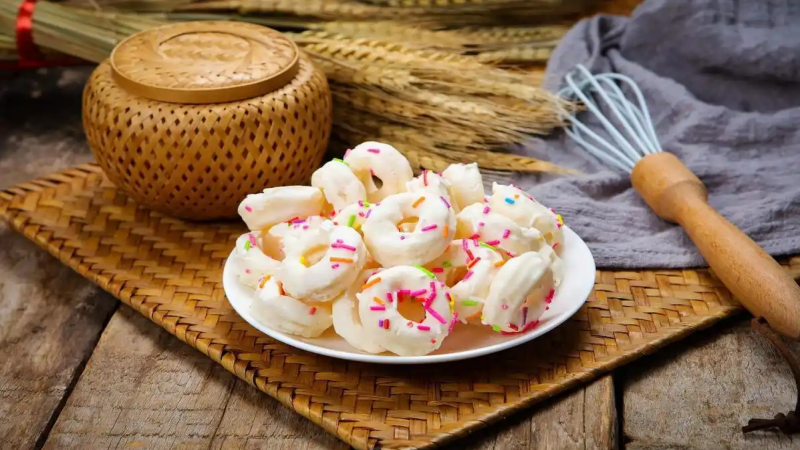
The Hungry Ghost Festival, also known as Zhongyuan Festival, is one of China's most intriguing traditional events, celebrated on the 15th day of the 7th lunar month (usually in August or September). Rooted in Buddhist and Taoist traditions, this festival is a time when the living honor the deceased, believing that the gates of the afterlife open, allowing spirits to visit the human world.
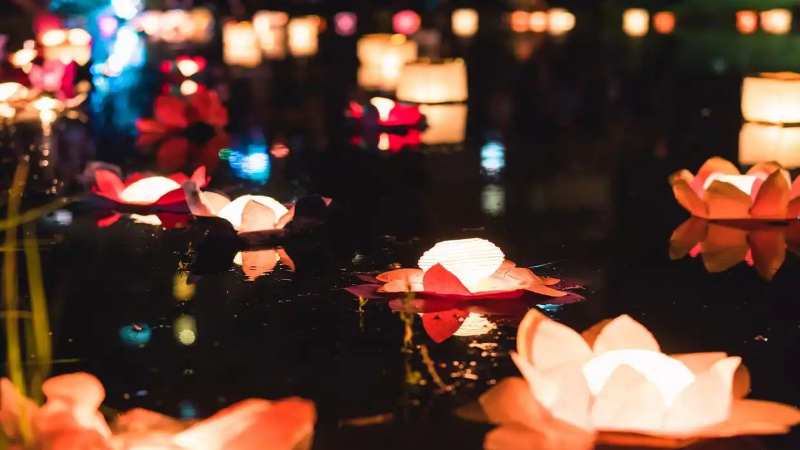
During this festival, you'll witness colorful rituals and customs designed to appease wandering souls. Families prepare elaborate feasts with empty seats for ancestors, burn joss paper (spirit money) as offerings, and light floating lanterns to guide lost spirits. In some regions, opera performances and outdoor ceremonies are held to entertain both the living and the dead.
For travelers, the Hungry Ghost Festival offers a unique cultural immersion. Stroll through night markets where locals set up altars, or join a river lantern release—a breathtaking spectacle where hundreds of glowing lanterns drift on water, creating a magical atmosphere.
While it may sound mysterious, the festival reflects the Chinese values of filial piety and respect for ancestors. It's a moving, visually stunning event that deepens your understanding of China's spiritual heritage.
The Mid-Autumn Festival, one of China's most beloved holidays, is a enchanting time when families and friends gather under the glow of the full moon to celebrate harvest, reunion, and tradition. Held on the 15th day of the 8th lunar month (usually September or early October), this festival is steeped in legend, delicious food, and heartwarming customs.
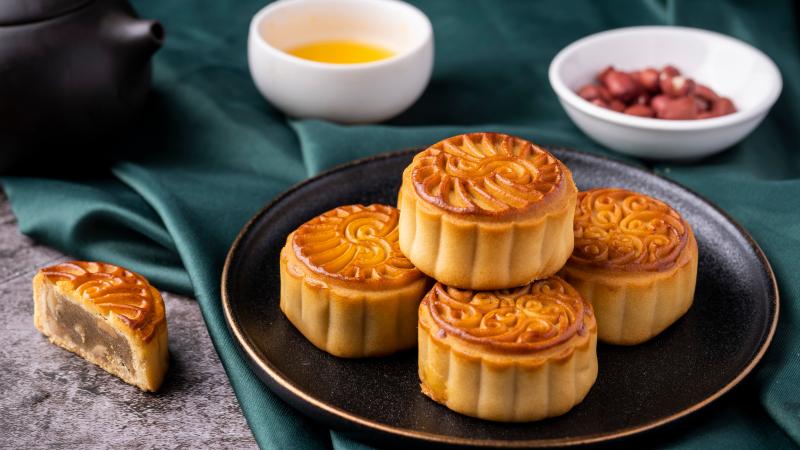
At the heart of the celebration are mooncakes, the festival's iconic pastry. These rich, sweet treats—filled with lotus paste, red bean, or even salted egg yolks—symbolize unity and prosperity. Sharing them with loved ones is a must! The festival is also tied to the legend of Chang'e, the Moon Goddess, whose story of love and sacrifice is told through lantern displays and cultural performances.
For travelers, the Mid-Autumn Festival is a feast for the senses. Join locals at lakeside parks for moon-viewing parties, where poetry recitals and traditional music fill the air. In cities like Hong Kong and Shanghai, spectacular firework displays and giant lantern exhibitions add to the festive magic.
More than just a festival, the Mid-Autumn Festival is a time of gratitude, love, and cultural pride. Whether you're sipping tea under the moonlight or writing a wish on a floating lantern, this celebration offers an unforgettable glimpse into China's rich heritage.
The Chongyang Festival, also known as the Double Ninth Festival, is a vibrant autumn celebration held on the 9th day of the 9th lunar month (usually October). Steeped in 2,000 years of history, this holiday blends nature appreciation, family bonding, and age-old traditions to honor longevity and good fortune.
As autumn paints the landscapes in golden hues, locals embrace the season by hiking up mountains or scenic hills—a practice symbolizing the pursuit of higher goals and warding off misfortune. Breathtaking views from peaks like Beijing's Fragrant Hills or Guilin's karst mountains make this the perfect time for travelers to join in the adventure while soaking up China's natural beauty.
The festival is also a tribute to elders, reflecting the deep Confucian value of filial piety. Families gather to share chrysanthemum wine, believed to bring longevity, and feast on Chongyang cakes, a layered dessert resembling a mountain. Many visit elderly relatives or volunteer at senior centers, spreading warmth and respect.
For culture enthusiasts, the festival offers folk performances, poetry readings, and kite-flying events—a nod to ancient scholars who penned verses about autumn's charm. In cities like Nanjing and Hangzhou, parks burst with golden chrysanthemum exhibitions, where thousands of blooms create dazzling displays.
Whether you're sipping tea amid falling leaves or flying a kite under crisp blue skies, the Chongyang Festival invites you to celebrate life, nature, and tradition in the heart of autumn.

Are you interested in this tour?
This tour can be tailored.

