Thailand is a land of golden temples, tropical beaches, and vibrant street markets. Known as the “Land of Smiles,” it offers a perfect mix of cultural wonders, natural beauty, and warm hospitality. From the busy streets of Bangkok to the serene islands of the Andaman Sea, every destination promises a unique experience.
Table of Contents
Thailand is one of those countries that has something for almost every traveler. It is known as the “Land of Smiles,” and visitors quickly understand why — people here are generally warm, friendly, and always ready to help. Thailand is also a place where old traditions and modern life sit side by side. In Bangkok, you might spend the morning visiting the Grand Palace and watching monks walk through the streets, and then have dinner in a rooftop restaurant overlooking the busy city lights.
For travelers who enjoy culture, there are thousands of temples to explore, from the famous Wat Pho with its huge reclining Buddha to quiet neighborhood shrines that locals still visit every day. In the north, Chiang Mai offers a slower pace, cooler weather, and a chance to see traditional festivals, handicrafts, and mountain scenery. The south of Thailand is completely different, with tropical islands and beaches where you can relax, go diving, or just enjoy fresh seafood by the sea.
Food is another reason to visit Thailand. From spicy street food to colorful fruit markets, eating here is part of the adventure. Each region has its own flavors, and meals are usually affordable and easy to find.
Whether you want to explore history, take part in festivals, relax on the beach, or just enjoy friendly conversations with locals, Thailand is a country that makes you feel welcome and offers something memorable at every step.
(1) Explore Bangkok’s Grand Palace and Temples
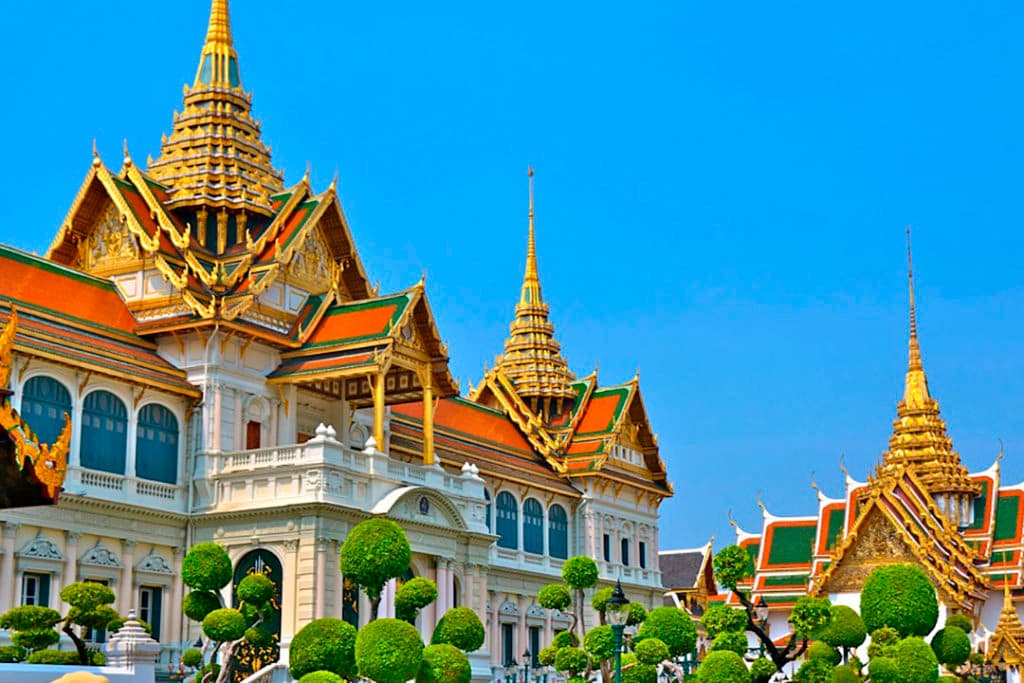
Bangkok is usually the first stop for most travelers, and visiting the Grand Palace is almost a must. The palace complex is very impressive with its golden roofs, detailed decorations, and colorful walls. It used to be the home of the Thai kings, and now it is open for visitors to walk through. The highlight is the Emerald Buddha, a small but very sacred statue that is kept inside Wat Phra Kaew. It is good to wear comfortable shoes and modest clothes because the palace area is quite large, and there are rules about dress. Not far from the Grand Palace is Wat Pho, which is famous for the giant Reclining Buddha statue. Many visitors also like to stop here for a traditional Thai massage, as Wat Pho is known as one of the oldest massage schools in Thailand. If you have time, take a boat along the Chao Phraya River or the smaller canals. You will see another side of Bangkok, with wooden houses, small temples, and children playing by the water. Exploring these places slowly, taking photos, and maybe trying some food from a nearby street stall can easily fill a whole day and give you a good first impression of Thailand’s capital.
(2) Experience the Floating Markets
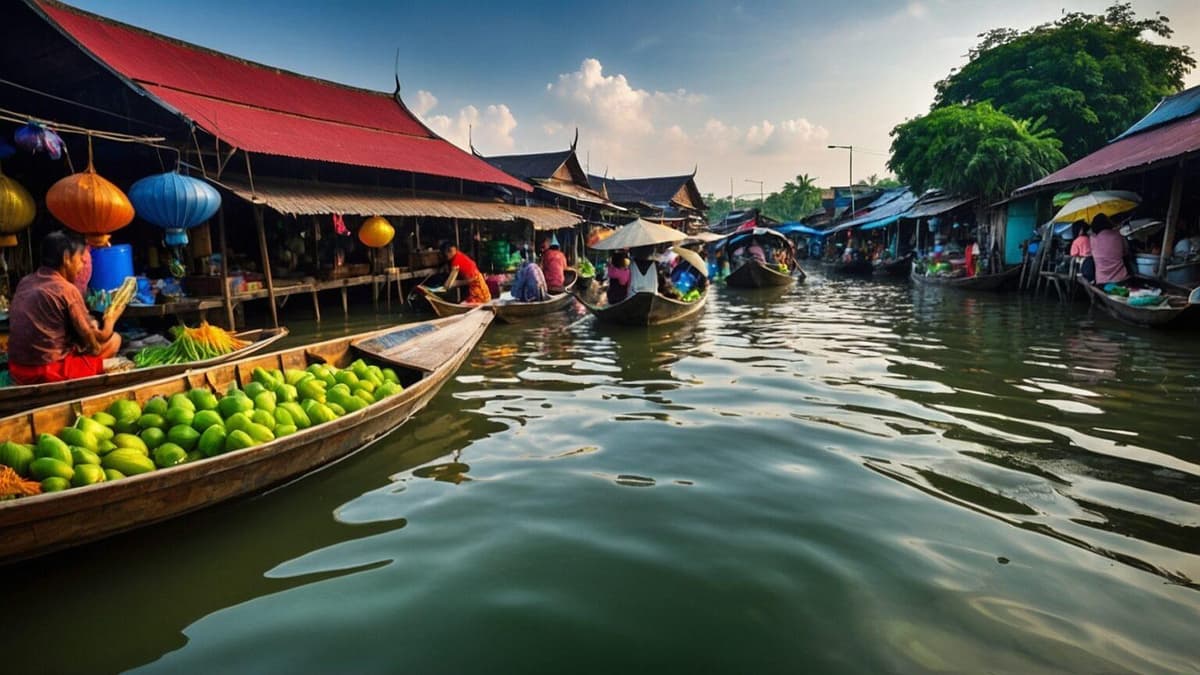
Thailand’s floating markets are a special experience and give travelers a look at how life used to be before supermarkets and shopping malls. The most popular ones are Damnoen Saduak and Amphawa, which are outside of Bangkok and can be reached by car or tour bus. At these markets, you will see small boats filled with fruits, vegetables, flowers, and even ready-to-eat food like noodles or grilled seafood. The sellers paddle their boats close to the edge so that people can buy directly from them. It is a colorful and lively place, especially in the morning when everything is fresh. Visitors often enjoy taking a short boat ride through the canals to see local houses and gardens along the water. Bargaining is common, so it is okay to ask for a better price, but always be polite and smile. It is also a good chance to try local snacks or tropical fruits you may not find at home. The floating markets are busy and sometimes crowded, but that is part of the charm. Spending a few hours here lets you see a traditional way of life that still survives in some parts of Thailand, and it can be one of the most memorable parts of the trip.
Cool Season (November–February)
This is the time of year most travelers prefer, because the weather is dry, the sky is clear, and the temperature is not too hot. It is very pleasant for sightseeing in cities like Bangkok and Chiang Mai, and also perfect for relaxing on the beaches in Phuket, Krabi, or Koh Samui. Many local festivals happen during this period, such as Loy Krathong, when people release small floating lanterns on rivers. Because this is high season, popular places can be crowded, and hotels may cost a bit more, so it is good to book in advance.
Hot Season (March–May)
From March to May the weather becomes very hot, especially in central and northern Thailand, but the long sunny days are nice if you plan to spend time by the sea or swimming in the islands. April is when Songkran, the Thai New Year water festival, takes place. It is a big celebration where people splash water on each other in the streets, and many visitors join in the fun. If you travel during this time, remember to drink plenty of water and avoid staying outside at noon when it is the hottest.
Rainy Season (June–October)
This is the least busy season because of the rain, but it does not rain all day. Showers usually come in the afternoon or evening and last for a short time. The countryside is very green, waterfalls are full, and markets are less crowded. Prices for hotels and tours are lower, which makes it a good time for budget travelers. Some islands have rough seas during this season, but others, like Koh Samui, are still nice for a beach holiday.
Visa & Entry
For many travelers, visiting Thailand is simple because citizens of many countries can enter without a visa for 30 to 45 days. If you plan to stay longer, it is possible to extend your stay at immigration offices in major cities. It is a good habit to double-check the latest rules before flying, as entry policies can change. Make sure your passport is valid for at least six months and keep a copy of it on your phone or in your bag in case hotels or police need to check it.
Transportation
Thailand has many ways to get around. For long distances, domestic flights are cheap and save time, especially between Bangkok and the islands. Trains are slower but a good choice if you want to enjoy the scenery and travel overnight. Buses connect almost every town, though they can be crowded during holidays. In the cities, tuk-tuks are fun for short rides, but agree on the price before getting in. Grab, the ride-hailing app, is easy to use and avoids haggling.
Money & Payments
The Thai Baht (THB) is the currency. ATMs are easy to find in cities and airports, but they usually charge a small fee for foreign cards. Credit cards are widely accepted in hotels, shopping malls, and restaurants, but cash is better for markets, street food, and small shops. It is useful to carry small notes because some places cannot change big bills.
Language Tips
Thai is the main language, but in tourist areas most people can speak some English. Outside cities, English might not be common, but people are usually helpful if you speak slowly or show pictures. Learning a few words like “Sawasdee” (hello) or “Khob Khun” (thank you) is a nice gesture and makes interactions friendlier.
What to Pack
Thailand is warm most of the year, so bring light and breathable clothes. Comfortable sandals or shoes are useful because you will walk a lot. A scarf or shawl is helpful for temple visits, where you need to cover shoulders and knees. Sunscreen, mosquito repellent, and a reusable water bottle are practical items to carry.
(1)Bangkok – City of Angels
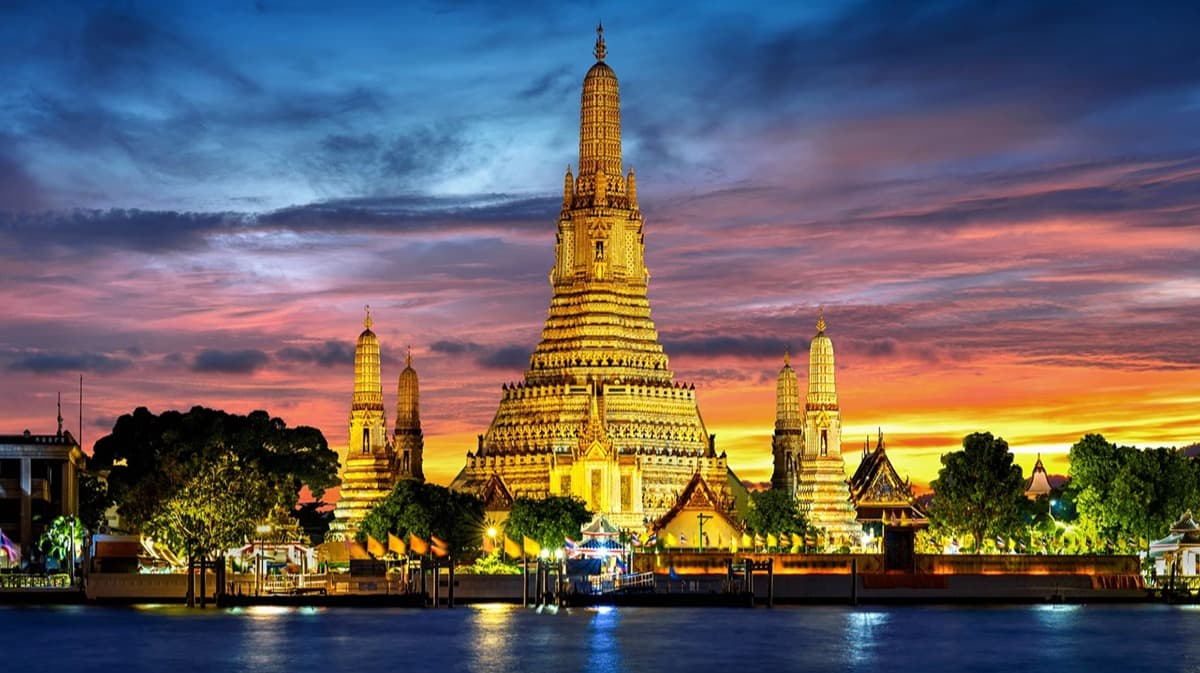
Bangkok is busy, colorful, and full of contrasts, which is why many travelers either love it or find it overwhelming at first. The Grand Palace is the most famous place to visit, with its golden rooftops and detailed decorations that show the history of the Thai royal family. Wat Pho is nearby and is home to the impressive Reclining Buddha, which is worth seeing in person because of its size and detail. Across the river, Wat Arun is a good place to climb for views of the city, especially around sunset. Bangkok is also known for its street life, from small food stalls serving noodles and mango sticky rice to huge markets like Chatuchak, where you can spend hours shopping for souvenirs. At night, the city comes alive with rooftop bars, night markets, and boat cruises along the river, making it a city that is always full of energy.
(2) Chiang Mai – The Cultural Capital of the North
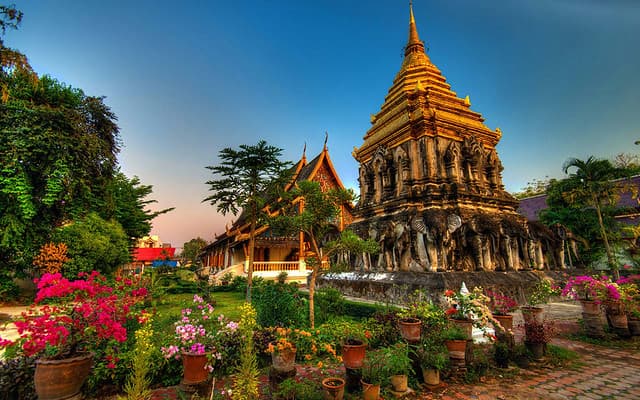
Chiang Mai offers a calmer atmosphere compared to Bangkok, which makes it popular with travelers who want a slower pace. The old city is surrounded by walls and filled with temples, some of them centuries old, such as Wat Phra Singh and Wat Chedi Luang. The city is also known for its night bazaars, where you can shop for handicrafts and try northern Thai food like khao soi, a coconut curry noodle dish. Many people use Chiang Mai as a base for trips to the surrounding mountains, where you can visit hill tribe villages or go trekking. If you visit in November, you might experience the Yi Peng Lantern Festival, when thousands of lanterns are released into the sky, creating one of the most beautiful scenes in Thailand.
(3)Phuket & Krabi – Beach Paradise
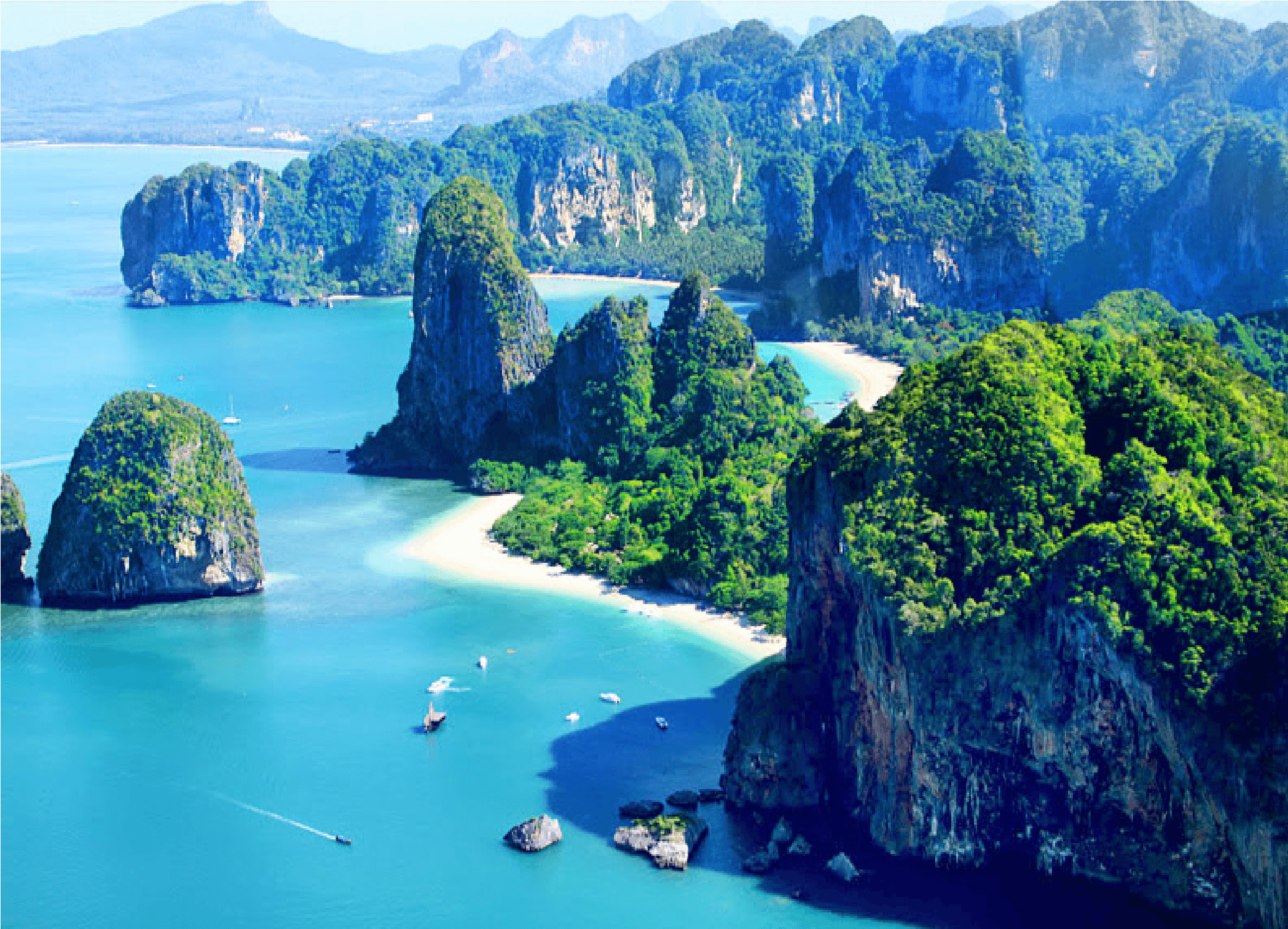
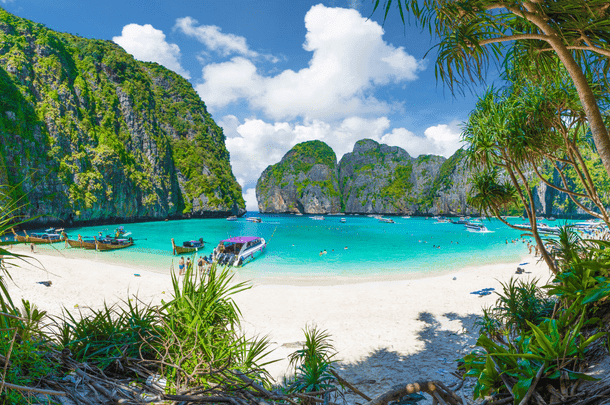
Phuket and Krabi are two of the most famous destinations for travelers who want to enjoy Thailand’s beaches. Phuket has a mix of busy beaches like Patong, known for nightlife and entertainment, and quieter ones like Kata or Nai Harn, which are better for swimming and relaxing. Krabi is known for its dramatic limestone cliffs and islands such as Railay Beach, which can only be reached by boat and feels more remote. Many visitors go island-hopping to see places like Phi Phi Islands or go snorkeling to explore coral reefs. Sunsets here are especially beautiful, and sitting by the sea with fresh seafood or a drink is one of the best ways to end the day. These areas are touristy but still offer chances to find quiet spots if you explore a little further.
(4)Ayutthaya – Ancient Capital
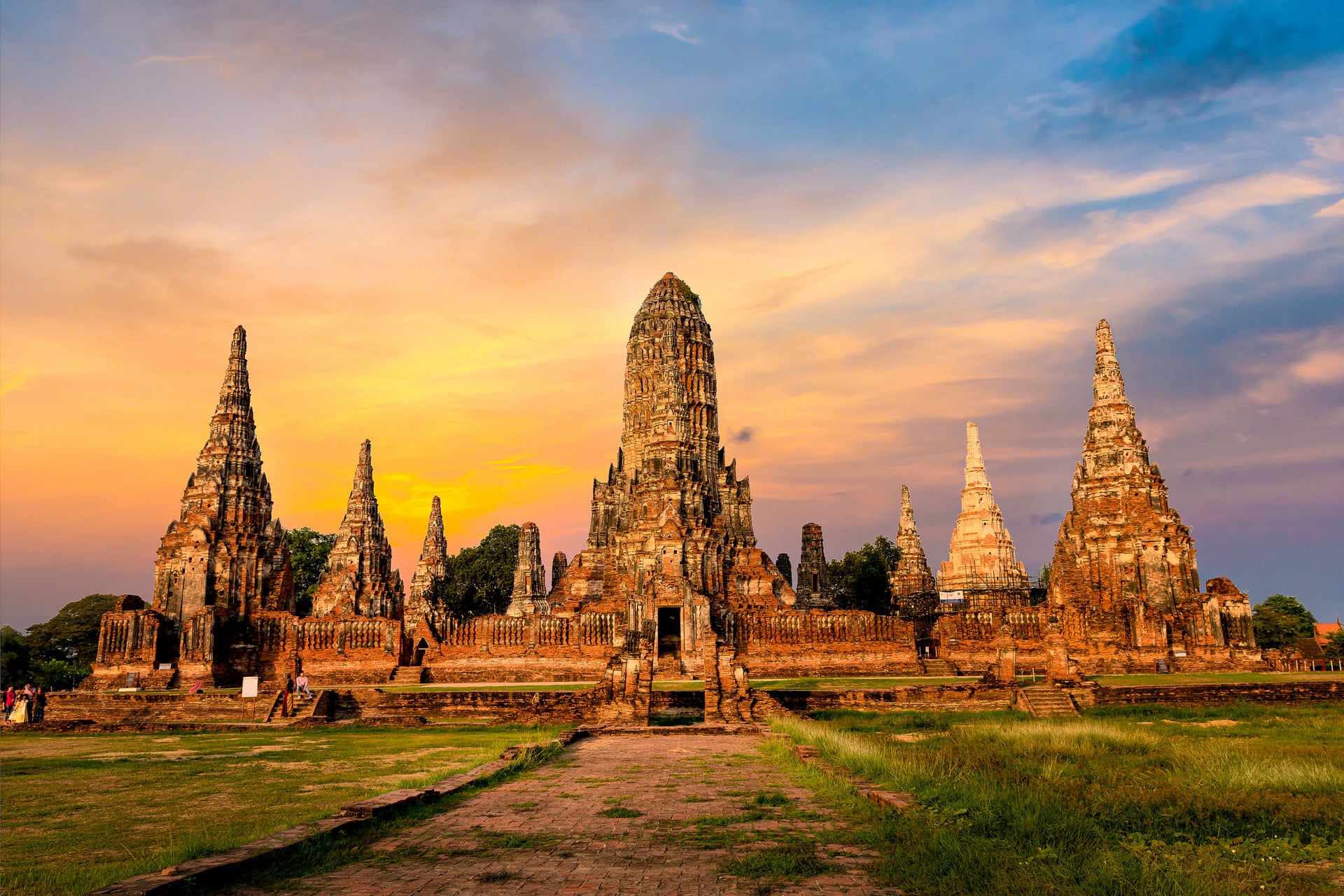
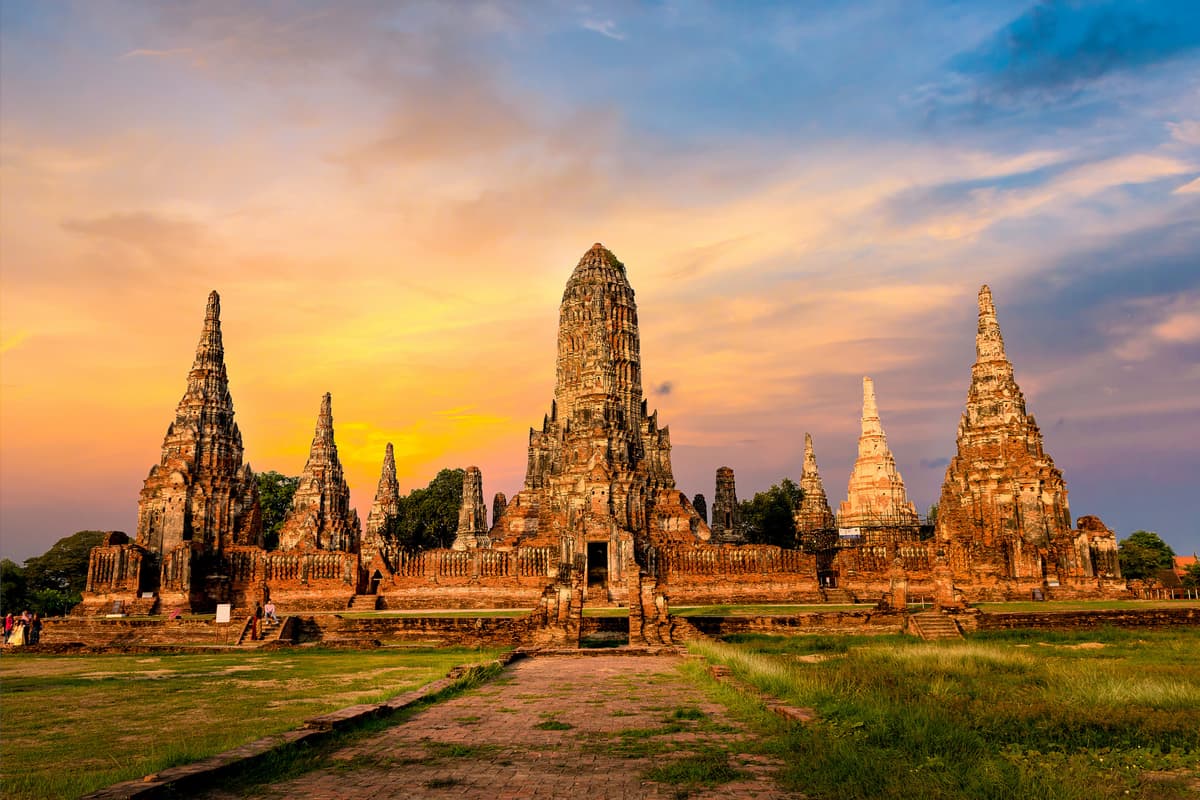
Ayutthaya is a good choice if you want to learn about Thailand’s history without going too far from Bangkok. This city was once the capital of Siam and is now a UNESCO World Heritage Site with many temple ruins and statues spread across a large historical park. Renting a bicycle is a nice way to see the ruins at your own pace, stopping to take photos and explore the different temple sites like Wat Mahathat, where you can see the famous Buddha head in tree roots. A boat trip around the island gives another view of the old city. Many travelers visit Ayutthaya as a day trip, but staying overnight can be more relaxing and lets you enjoy the quieter evening atmosphere when most tourists have left.
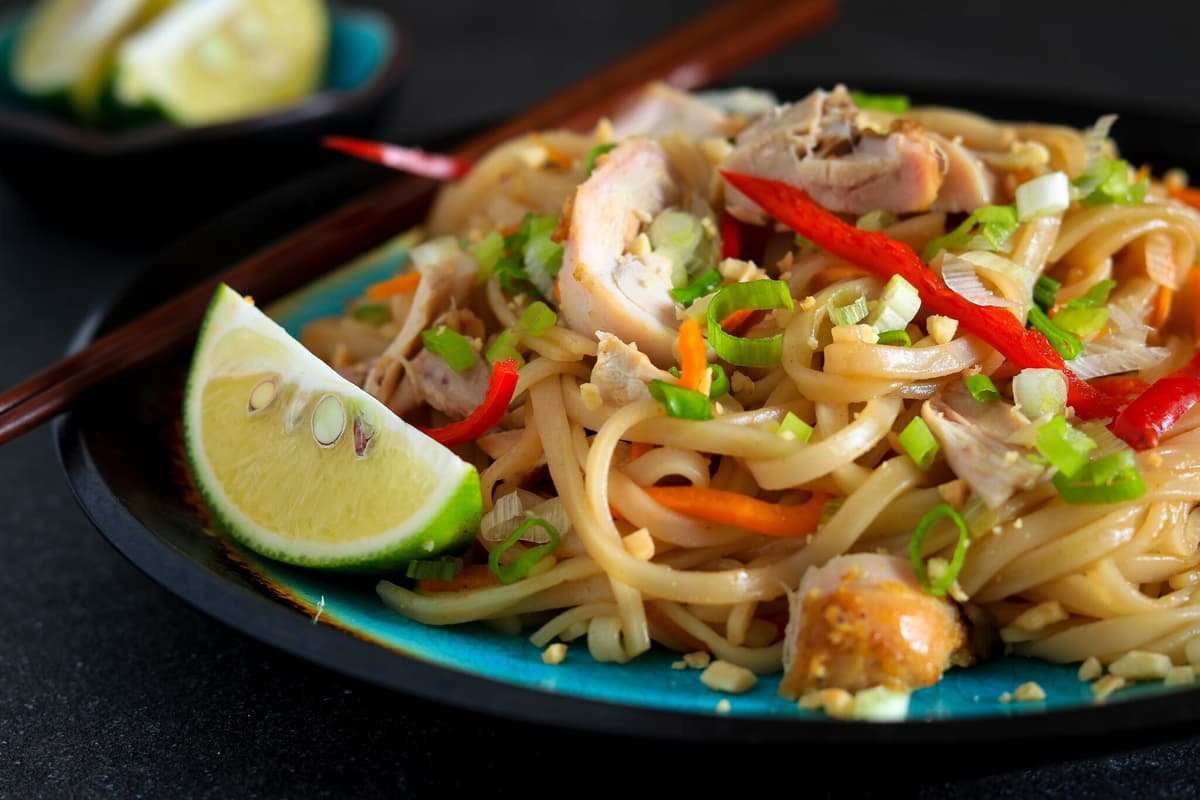
(1) Pad Thai – Thailand’s Signature Dish
Pad Thai is probably the most well-known Thai dish and something you will see on almost every menu. It is a stir-fried noodle dish made with thin rice noodles, shrimp or chicken, tofu, bean sprouts, egg, and crushed peanuts. A slice of lime is usually served on the side, and you squeeze it over the noodles before eating. The taste is a mix of sweet, salty, and a little sour, which makes it very satisfying. You can find Pad Thai in restaurants, but many travelers say the best version is often from street food stalls, where it is cooked fresh in a hot wok right in front of you. Some places let you choose how spicy you want it, so it is a good option for people who do not eat a lot of chili. Eating Pad Thai at a small table on the sidewalk, surrounded by the smell of other food stalls and the sound of scooters passing by, feels like a very Thai experience.
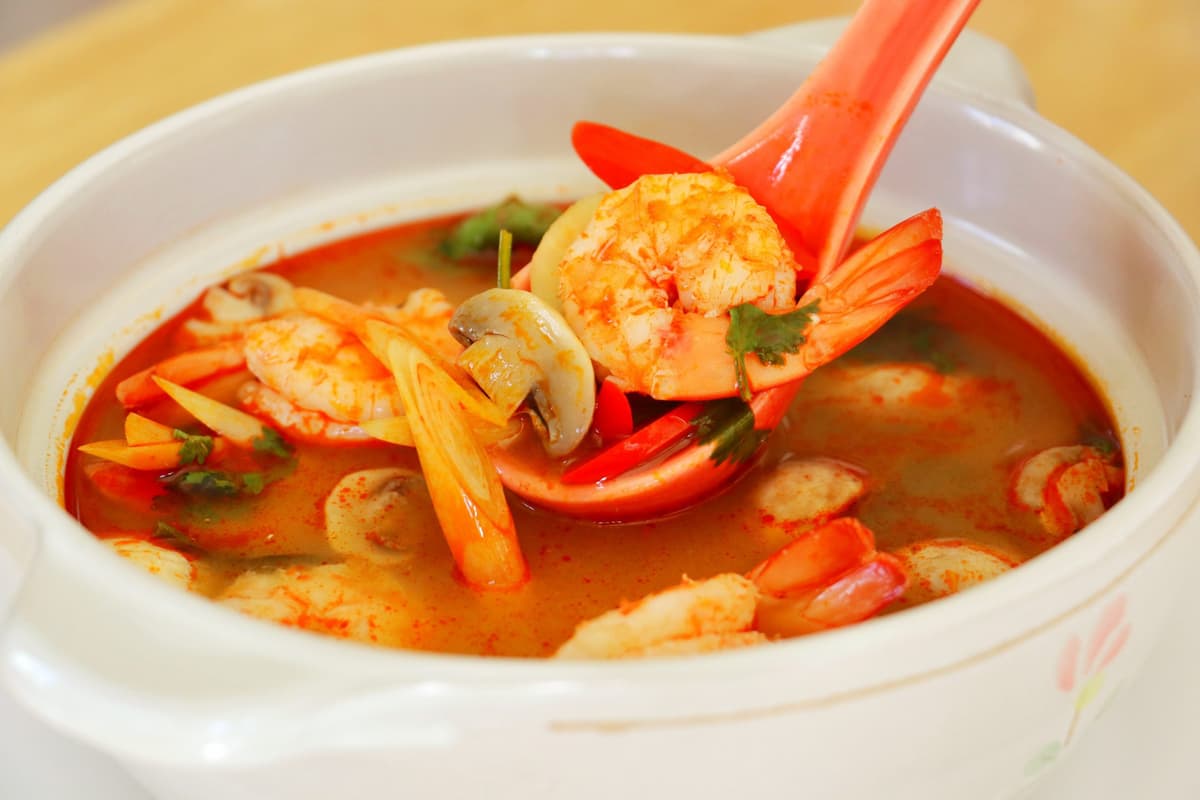
(2) Tom Yum Goong – Spicy Shrimp Soup
Tom Yum Goong is one of Thailand’s most famous soups and is loved by people who enjoy bold flavors. It is a clear soup made with shrimp, lemongrass, galangal, kaffir lime leaves, fish sauce, and chili. The combination creates a taste that is spicy, sour, and a little bit salty all at once. When you take the first spoonful, you get a strong aroma of herbs that makes the dish special. This soup can be quite hot, so some travelers ask for a milder version, but many say the spice is what makes it delicious. Tom Yum is often served as a starter to share, but in Thailand, people also eat it with rice to make it a full meal. It is easy to find in both street stalls and sit-down restaurants, and trying it at least once gives you a good idea of the balance of flavors Thai cuisine is known for.
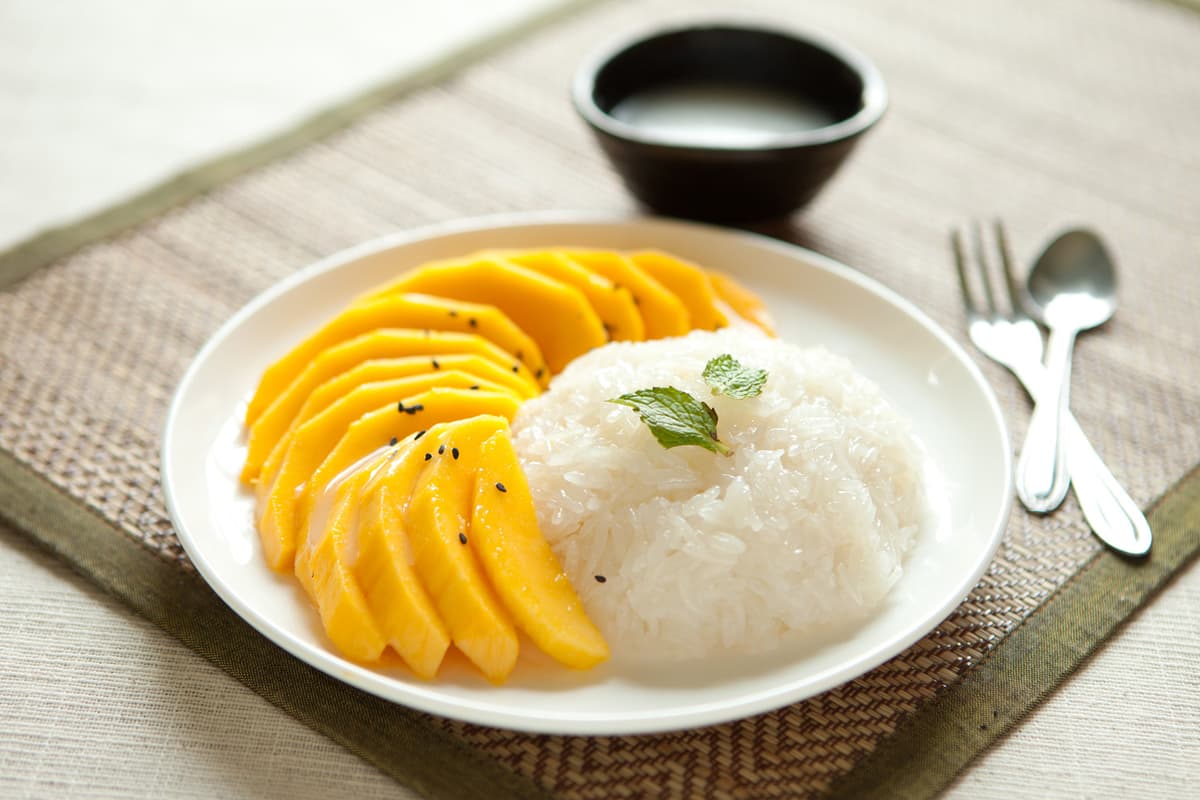
(3) Mango Sticky Rice
Mango Sticky Rice is a simple but very popular Thai dessert, especially during mango season. It is made with glutinous rice that is cooked until soft and then mixed with sweetened coconut milk, giving it a rich and creamy taste. The rice is served with slices of fresh, ripe mango, and sometimes a drizzle of extra coconut cream is added on top. The mix of warm rice and cool, juicy mango is what makes this dessert special. You can find it at street markets, small cafes, and even restaurants, usually in the evening when fresh mango is available. Many travelers say it is the perfect way to end a meal, especially after eating spicy food, because it is refreshing but not too heavy. Sitting at a night market, eating Mango Sticky Rice while watching people shop and eat around you, feels like a sweet and relaxing moment on a busy trip.
(1) Is Thailand Safe for Travelers?
Thailand is generally considered a very safe country to travel to, and it is one of the reasons so many visitors come back again and again. Most tourist areas are well-patrolled, and violent crime is very rare. That said, it is still good to take normal precautions just as you would anywhere else. Keep an eye on your belongings in busy markets and on public transportation, as pickpocketing can happen in crowded places. Traffic in big cities like Bangkok can be chaotic, so always look carefully before crossing the street. At night, stick to well-lit areas and avoid taking unregistered taxis—using a ride-hailing app is safer and more convenient.
(2) Do I Need Vaccinations?
For most travelers, routine vaccinations like tetanus, measles, and hepatitis A are enough for a trip to Thailand. If you plan to spend a lot of time in rural areas or visit during the rainy season, some doctors might recommend additional shots, like typhoid or Japanese encephalitis. Malaria risk is very low in most tourist destinations, but insect repellent is still a good idea, especially if you will be near forests or rice fields where mosquitoes are common. It’s always best to talk to a travel clinic before your trip to get advice based on where you are going.
(3) Is Thailand Expensive?
Thailand can be very affordable, but it can also be as expensive as you want it to be. Street food is cheap and delicious, and budget guesthouses or hostels can cost very little per night. On the other hand, there are many luxury resorts, fine dining restaurants, and private tours for travelers who prefer comfort. Transportation is also flexible—local buses and trains are inexpensive, while domestic flights are reasonably priced and save time. Overall, Thailand is a good value destination because it offers many choices for every type of traveler.
(4) Can I Find Vegetarian or Halal Food?
Yes, it is possible to eat vegetarian or halal in Thailand without too much trouble. Many dishes can be made without meat if you ask, and larger cities like Bangkok and Chiang Mai have vegetarian restaurants. Street food stalls often sell fresh fruit, grilled corn, or noodles that can be cooked with just vegetables. For halal food, there are Muslim communities across the country, especially in the south, and many restaurants will have a halal sign displayed. It is helpful to learn a few words in Thai or show a translation on your phone to make sure your dietary needs are understood.
Are you interested in this tour?
This tour can be tailored.