Table of Contents
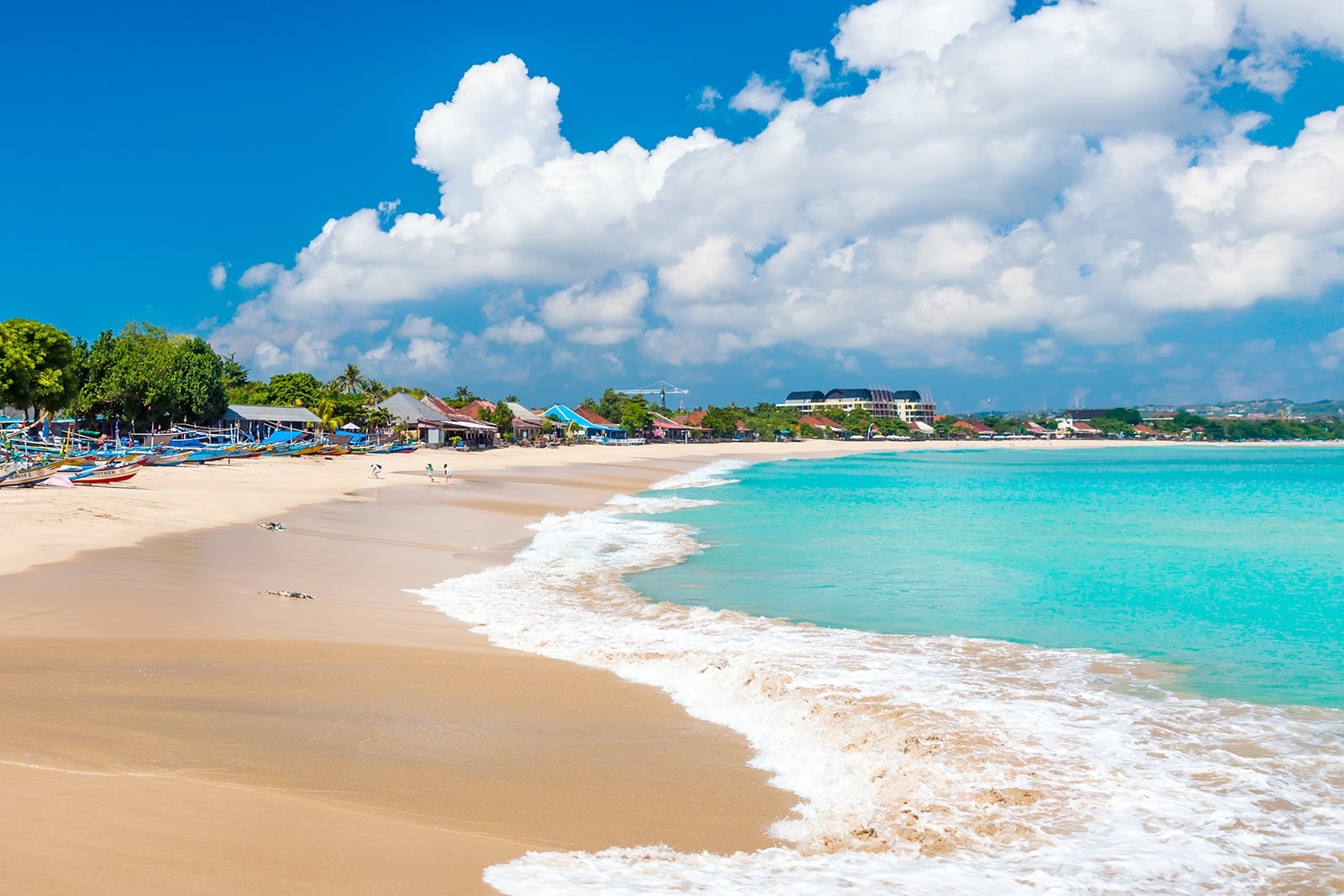
Indonesia is a country made up of more than 17,000 islands, each with its own charm and story to tell. Travelers come here for many reasons: the beaches, the culture, the wildlife, and the warm smiles of the people. When you think of Indonesia, Bali is often the first name that comes to mind, with its temples, surf spots, and rice terraces, but the country has so much more to offer. Java is home to Borobudur, one of the largest Buddhist temples in the world, and the busy capital Jakarta, where modern life mixes with tradition. Adventure seekers can hike active volcanoes like Mount Bromo or Mount Ijen and watch the sunrise from their peaks. Nature lovers will be amazed by the clear waters of Raja Ampat, famous for having some of the best diving and snorkeling in the world.
Indonesia is also a place where you can slow down and experience daily life. Join a cooking class, watch traditional dances, or sit in a small café drinking local coffee while talking with friendly locals. Food is another reason to visit — from street stalls selling satay and nasi goreng to high-end restaurants serving creative Indonesian dishes. Whether you want relaxation, culture, or adventure, Indonesia offers a mix that is hard to find anywhere else. It is a country that invites you to explore, to be curious, and to enjoy every moment.
(1) Watch the Sunrise at Borobudur
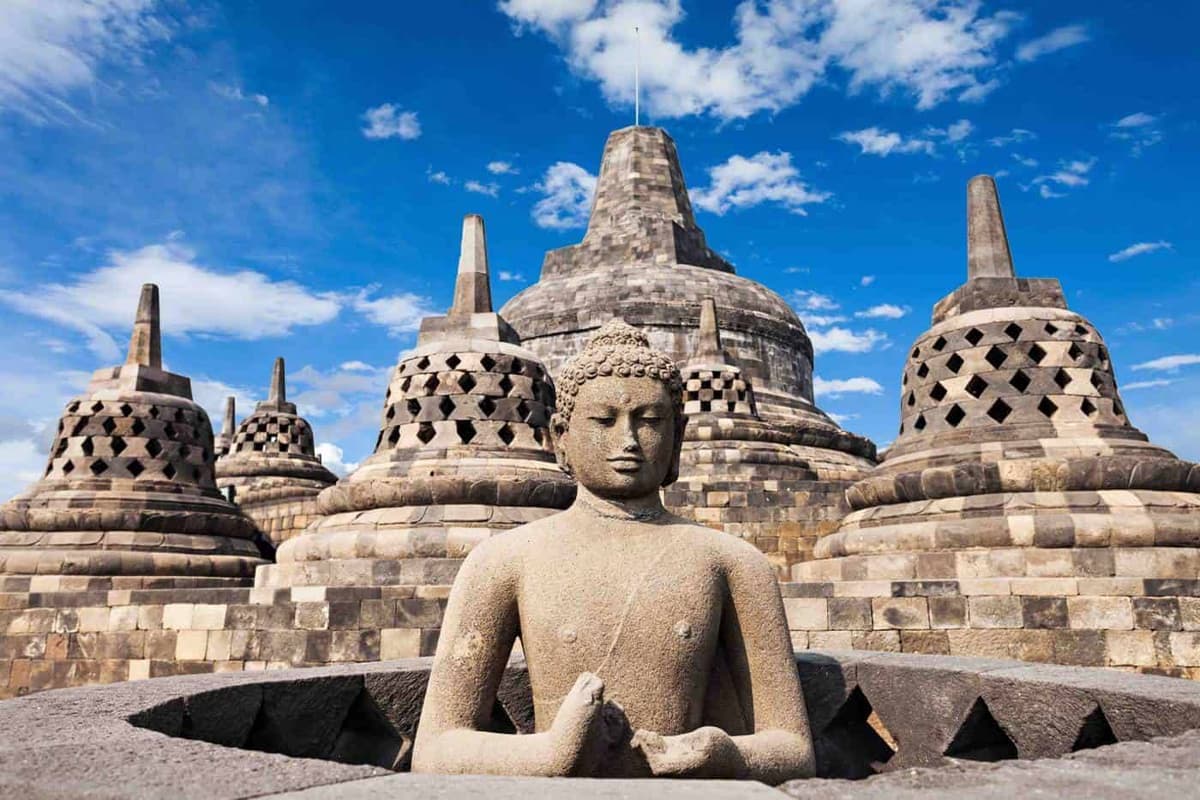
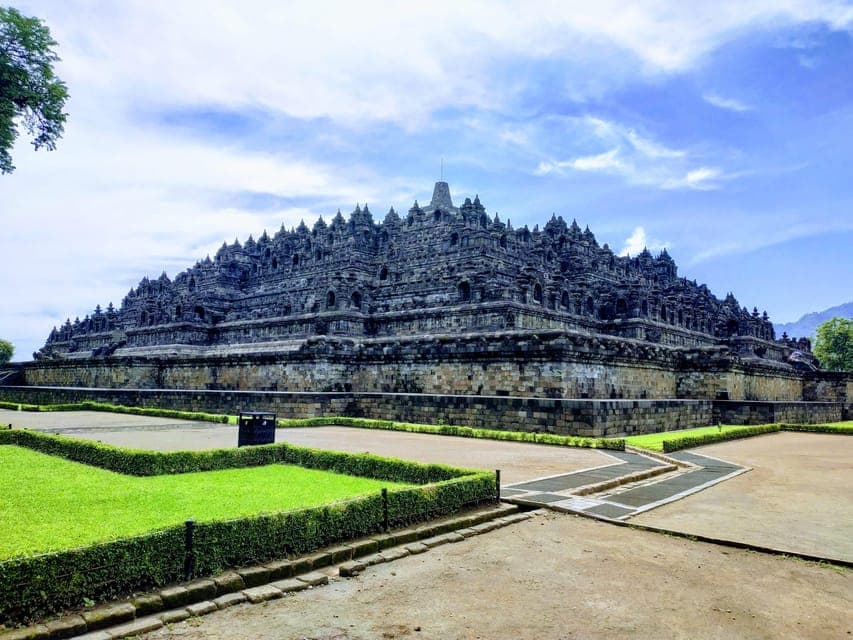
Borobudur is one of Indonesia’s most famous landmarks, and visiting it at sunrise is an unforgettable experience. Located in Central Java, this huge Buddhist temple complex was built in the 9th century and is made up of thousands of stone carvings. The best time to visit is early in the morning, when the air is still cool and the first light slowly appears behind the volcanoes on the horizon. As the sky turns pink and gold, the temple seems to come alive, and the view is peaceful and quiet. You can walk around the terraces, see the detailed carvings, and take in the beautiful scenery of the surrounding hills and villages. Even if you are not interested in history or religion, being there in the early morning feels special. Many travelers say that seeing Borobudur at sunrise is one of the most memorable parts of their trip to Indonesia.
(2) Explore Bali’s Temples and Rice Terraces
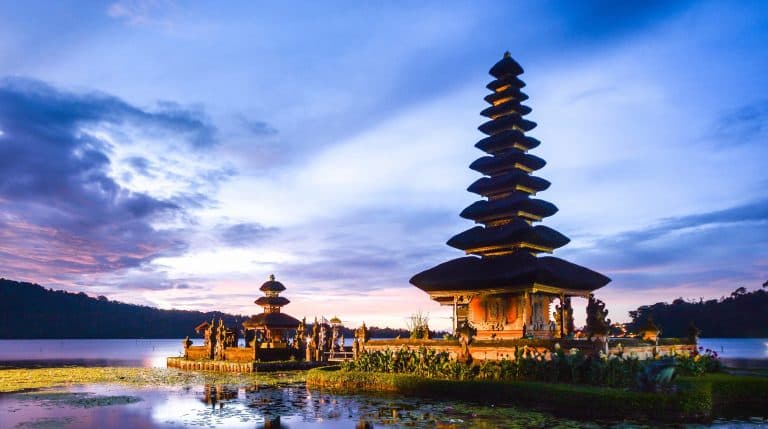
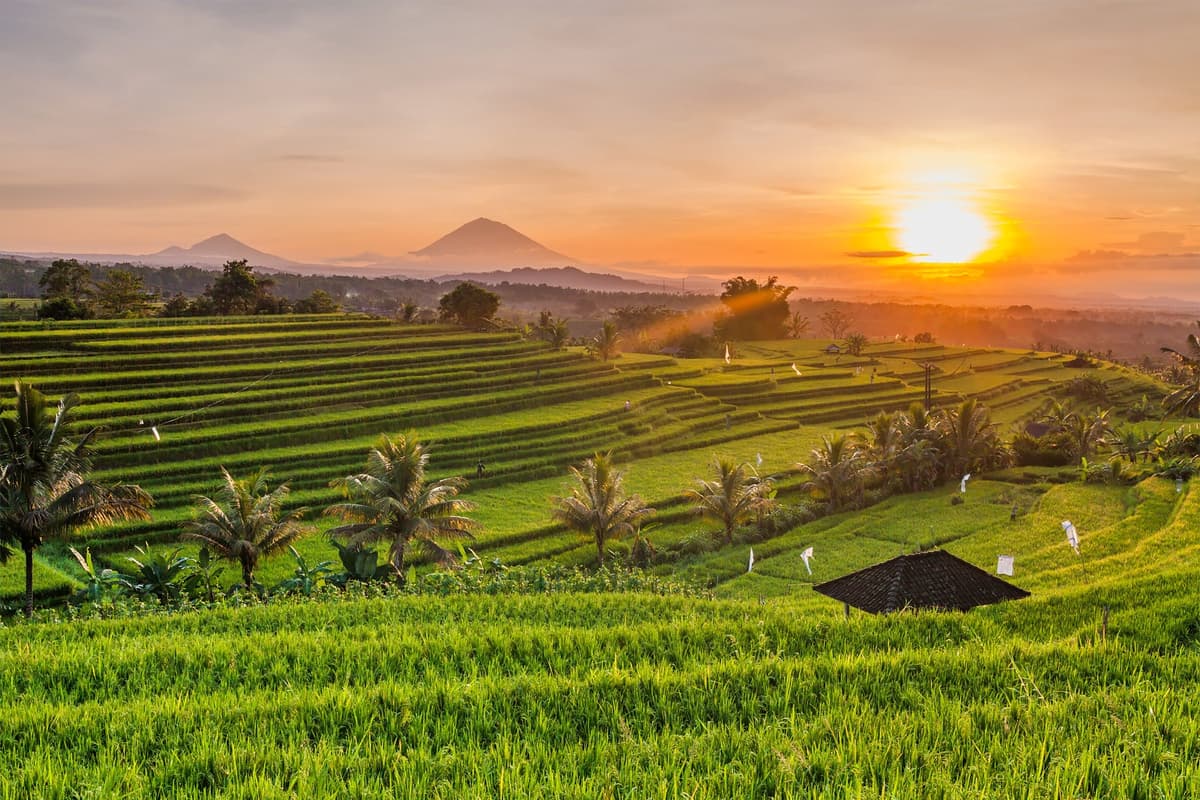
Bali is often called the “Island of the Gods,” and it is easy to see why when you visit its temples and rice fields. The island is full of culture, with temples like Tanah Lot, Uluwatu, and Besakih sitting in stunning natural locations. At sunset, Tanah Lot looks magical with the waves crashing around it, and in Uluwatu, you can watch a traditional Kecak dance while the sun goes down. Away from the coast, the village of Ubud is surrounded by green rice terraces, where you can walk or ride a bike while enjoying the view. Many travelers also take part in yoga classes, art workshops, or cooking lessons here. Bali is a mix of relaxation and exploration — you can spend the day visiting temples, then enjoy a spa treatment or watch a local ceremony in the evening. It is a place where culture and nature meet.
(3) See Komodo Dragons in the Wild
One of the most unique things you can do in Indonesia is visit Komodo National Park to see the famous Komodo dragons. These giant lizards, which can grow up to three meters long, are found only on a few islands in this part of the country. The trip usually starts with a boat ride from Labuan Bajo, a small town on Flores Island. When you arrive, a park ranger will guide you on a walk through the island to spot the dragons in their natural habitat. Along the way, you might also see wild deer, birds, and beautiful coastal views. Many tours also include snorkeling stops around the park, where you can see colorful fish, coral reefs, and even manta rays. Visiting Komodo is a mix of adventure and nature — it feels like stepping into a different world, where you can experience wildlife that exists nowhere else.

3.Best Time to Visit Indonesia
Dry Season (April–October): Best for beaches, diving, and outdoor adventures.
Indonesia can be visited all year round, but the experience will feel different depending on the season. The dry season, which runs from April to October, is the most popular time for travelers. During these months, the weather is sunny and warm, with little rain, which makes it perfect for spending time at the beach, diving in the clear waters, or going on hikes to volcanoes and rice terraces. Many outdoor festivals and cultural events also take place during this season, and traveling between islands is usually easier because the sea is calmer.
Rainy Season (November–March): Fewer tourists, greener landscapes, but occasional heavy showers. Good for cultural trips and city stays.
The rainy season lasts from November to March. It does not rain all day, but showers can be heavy, usually in the afternoon or evening. This is a quieter time to travel, with fewer tourists and lower hotel prices. The landscapes are very green during these months, making places like Ubud or Yogyakarta especially beautiful. If you do not mind carrying an umbrella or raincoat, the rainy season can be a good option for cultural trips, cooking classes, or city visits, and you will often have temples and attractions almost to yourself.
Visa & Entry
Most travelers will find it quite easy to enter Indonesia. Many nationalities can stay for 30 days without a visa, while others can get a visa-on-arrival at the airport. The rules change from time to time, so it’s a good idea to check the latest information before you fly. Make sure your passport is valid for at least six months and keep a copy of your travel documents with you, just in case you need them during hotel check-ins or local transport.
Transportation
Indonesia is a big country spread across many islands, so domestic flights are the fastest way to travel between places like Jakarta, Bali, and Yogyakarta. Ferries and fast boats are used for shorter trips, such as visiting the Gili Islands or hopping between Bali and Lombok. In the cities, taxis and ride-hailing apps like Grab or Gojek are convenient. For short distances, renting a scooter is popular in Bali, but make sure you are comfortable riding and wear a helmet.
Money & Payments
The local currency is the Indonesian Rupiah (IDR). Cash is still the most common way to pay, especially in markets and smaller towns. ATMs are widely available in cities, but it is smart to carry small notes for daily expenses. Major hotels and restaurants often accept credit cards, but it’s best to have cash for street food stalls and local shops.
Language
Bahasa Indonesia is the national language, but English is widely understood in tourist areas. Learning a few simple words like “terima kasih” (thank you) or “halo” (hello) can be fun and will make locals smile.
Packing Tips
Indonesia is hot and humid most of the year, so pack light and breathable clothing. Comfortable shoes are important for exploring temples and walking in towns. Bring modest clothes or a scarf to cover shoulders when visiting religious sites. Mosquito repellent, sunscreen, and a reusable water bottle are also recommended to stay healthy and comfortable during your trip.
5.Top Attractions in Indonesia
(1) Bali – Island of the Gods
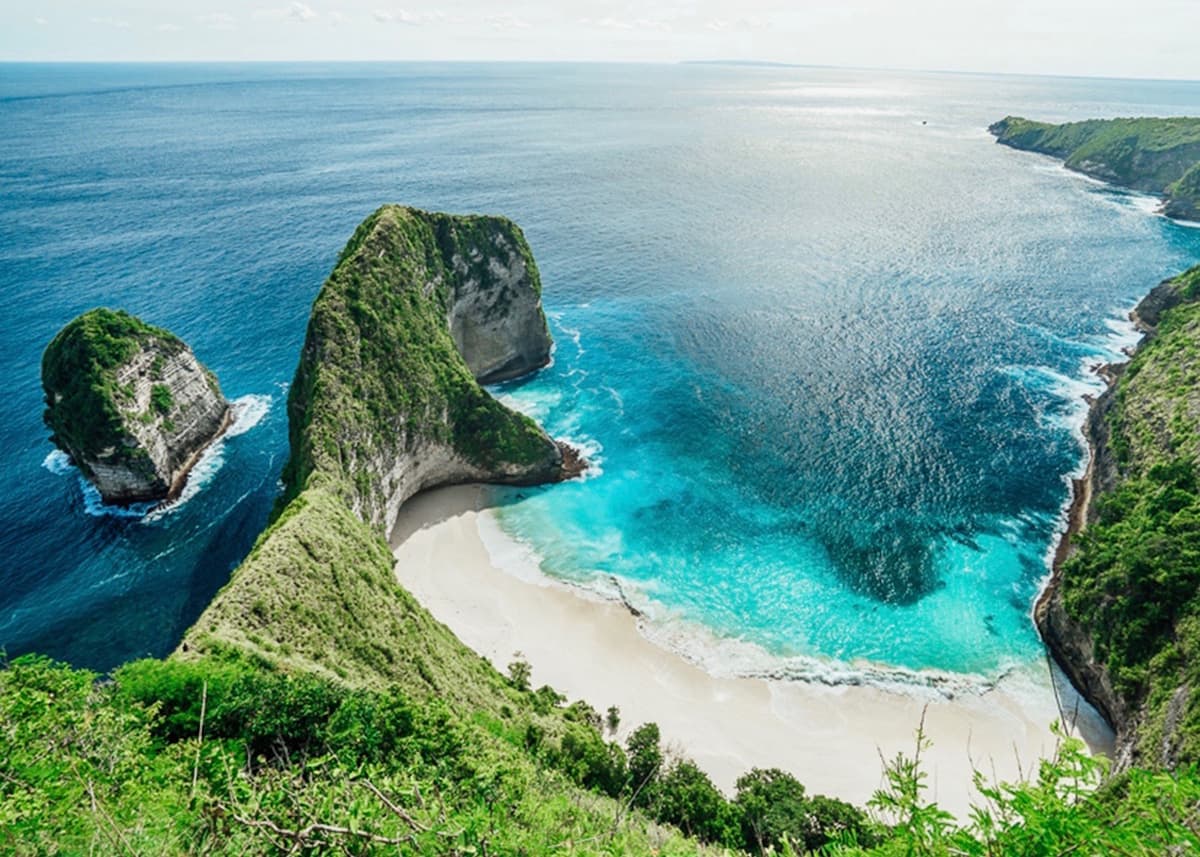
Bali is Indonesia’s most famous island and a favorite for travelers around the world. Known as the “Island of the Gods,” Bali is full of temples, beaches, and cultural traditions. You can visit Tanah Lot and Uluwatu temples for stunning ocean views, relax on beaches like Seminyak or Nusa Dua, or head to Ubud to see green rice terraces and art markets. Bali is also great for nightlife and dining, offering everything from beach clubs to traditional dance shows. Whether you want surfing, yoga retreats, or spa days, Bali has something for everyone.
(2) Yogyakarta & Borobudur
Yogyakarta is often called the cultural heart of Java, and it is the best place to explore Javanese art, music, and history. The main highlight is Borobudur, one of the largest Buddhist temples in the world, which is especially magical at sunrise. Nearby is Prambanan, a beautiful Hindu temple complex with tall stone spires and detailed carvings. In the city itself, you can visit the Sultan’s Palace, explore local batik workshops, and enjoy traditional food at small restaurants. Yogyakarta has a lively yet relaxed atmosphere, making it a great stop for travelers interested in history and culture.
(3) Jakarta – The Capital City
Jakarta is a busy and colorful city where modern skyscrapers stand next to old Dutch colonial buildings. It is the largest city in Indonesia and a gateway to the country for many visitors. Here you can explore museums like the National Museum, shop in huge malls, or taste authentic Indonesian street food such as satay and fried noodles. The old town, known as Kota Tua, has charming squares and cafes that show a bit of the city’s colonial past. Jakarta is also a good place to experience Indonesia’s mix of cultures, from traditional markets to vibrant nightlife.
(4) Raja Ampat – A Diver’s Paradise
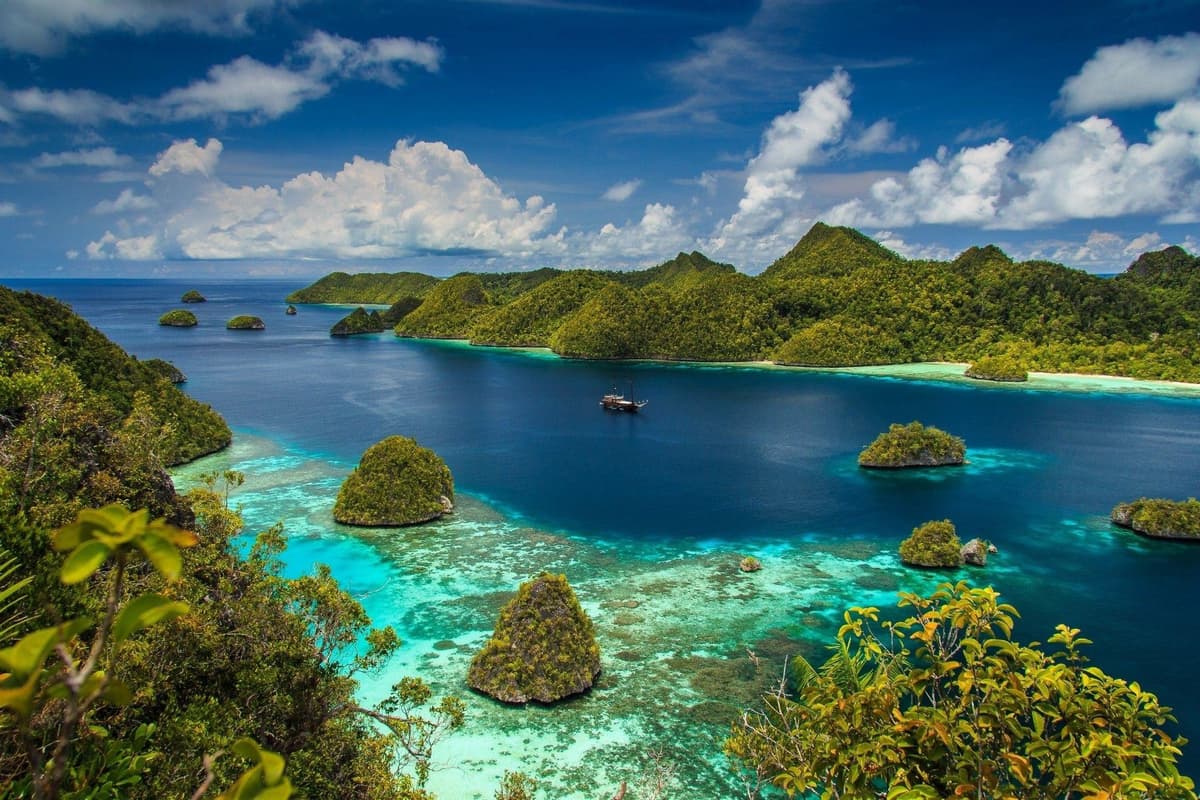
Raja Ampat, located in West Papua, is one of the most stunning places in Indonesia and a dream for divers. The area is made up of hundreds of small islands surrounded by crystal-clear waters. It has some of the richest marine life in the world, with coral reefs full of fish, turtles, and even reef sharks. Snorkeling is just as beautiful, so you do not have to be a diver to enjoy it. Apart from the underwater world, Raja Ampat is very quiet and peaceful, making it a perfect escape for travelers who want to relax far away from crowds.
(5) Mount Bromo & Mount Ijen – Volcanic Adventures
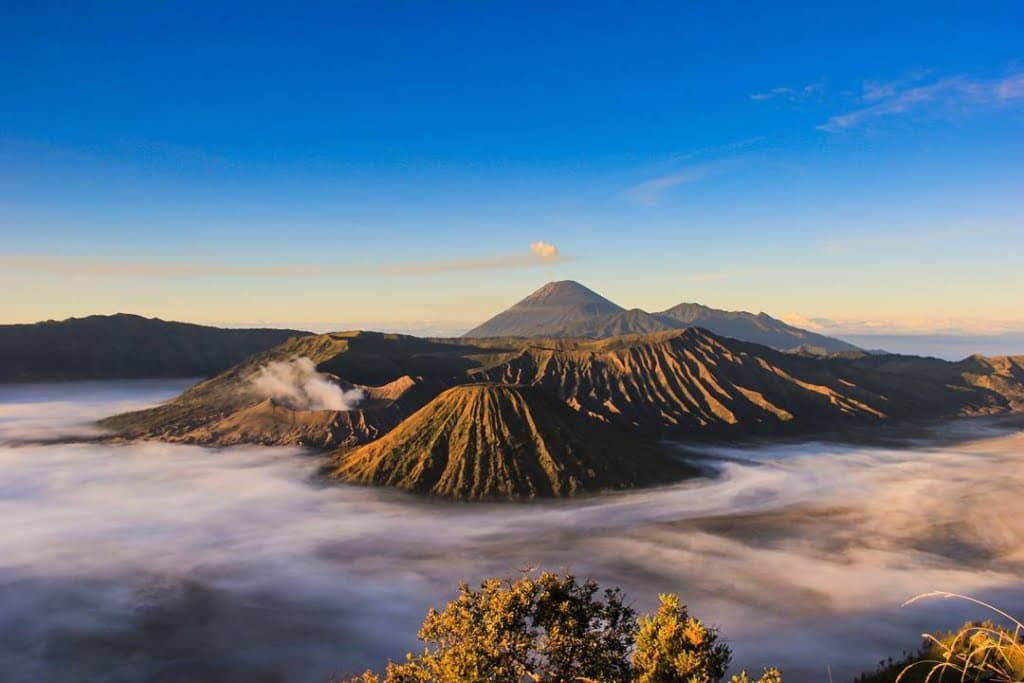
Mount Bromo and Mount Ijen are two of the most impressive volcanoes in Indonesia and perfect for travelers who enjoy adventure and nature. Mount Bromo is famous for its sunrise views. Travelers often start very early in the morning, ride a jeep across the Sea of Sand, and then climb to a viewpoint to watch the sun rise over the smoking crater — a truly unforgettable moment. Mount Ijen, located in East Java, is known for its blue fire, a rare natural phenomenon that can be seen before sunrise, and its turquoise crater lake. The hike to the top is challenging but worth the effort, as the views are stunning. Visiting these volcanoes gives you a sense of Indonesia’s dramatic landscapes and is a great way to experience the country beyond its beaches and cities.
Nasi Goreng – The National Favorite
Nasi Goreng is often called the national dish of Indonesia and is loved by locals and visitors alike. It is a simple but tasty fried rice dish, usually cooked with garlic, shallots, sweet soy sauce, and a mix of vegetables or meat. Most plates are served with a fried egg on top, giving it extra flavor. You can find Nasi Goreng everywhere — in small warungs (local food stalls), hotel restaurants, and even on the street. It is often eaten for breakfast, lunch, or dinner, and each cook has their own style, so no two plates taste exactly the same. This dish is a must-try for anyone visiting Indonesia because it shows how everyday Indonesian food is flavorful yet comforting.

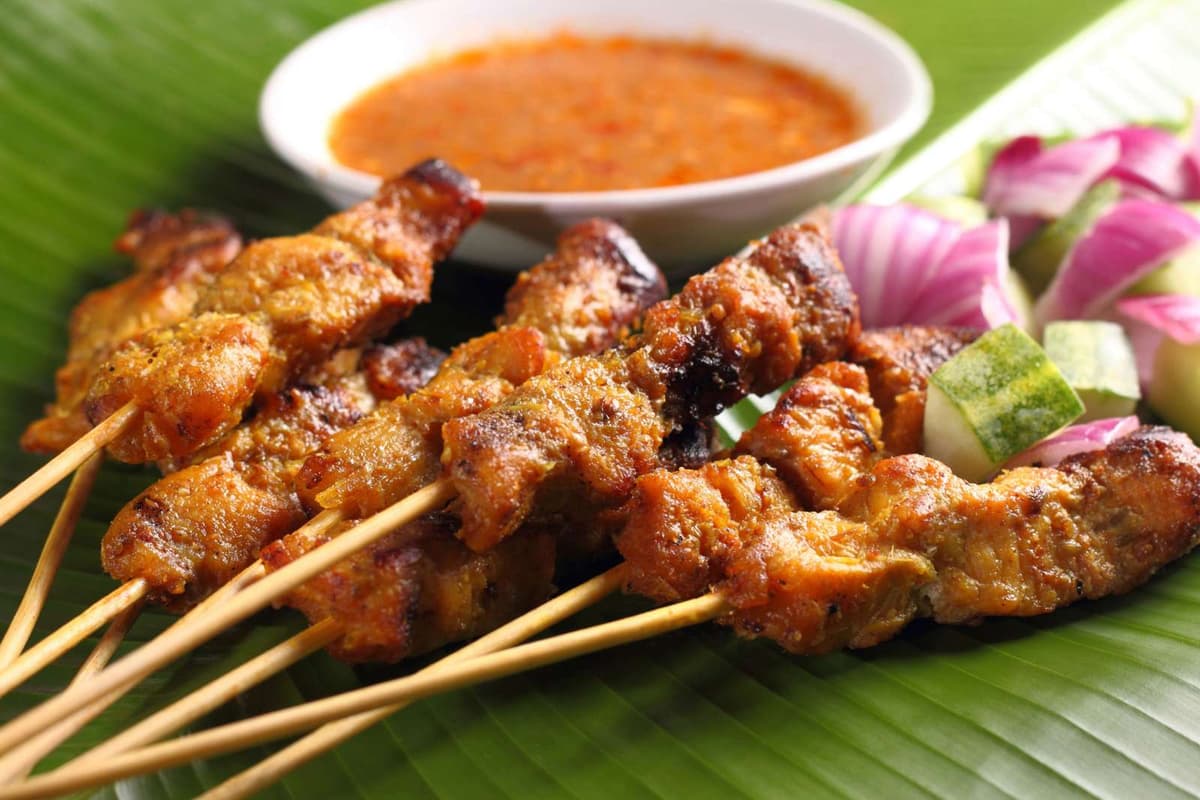
Satay – Grilled Skewers with Peanut Sauce
Satay is one of Indonesia’s most popular street foods and perfect for meat lovers. It consists of skewers of grilled meat, usually chicken or beef, cooked over hot charcoal and served with a rich peanut sauce. The smoky flavor from the grill and the slightly sweet, nutty sauce make satay a favorite snack or meal. You can find satay in almost every market and night food stall, often served with rice cakes or vegetables. Watching the vendors grill the skewers over open flames is part of the experience. Satay is simple, cheap, and full of flavor, making it one of the best ways to taste Indonesian street food culture.
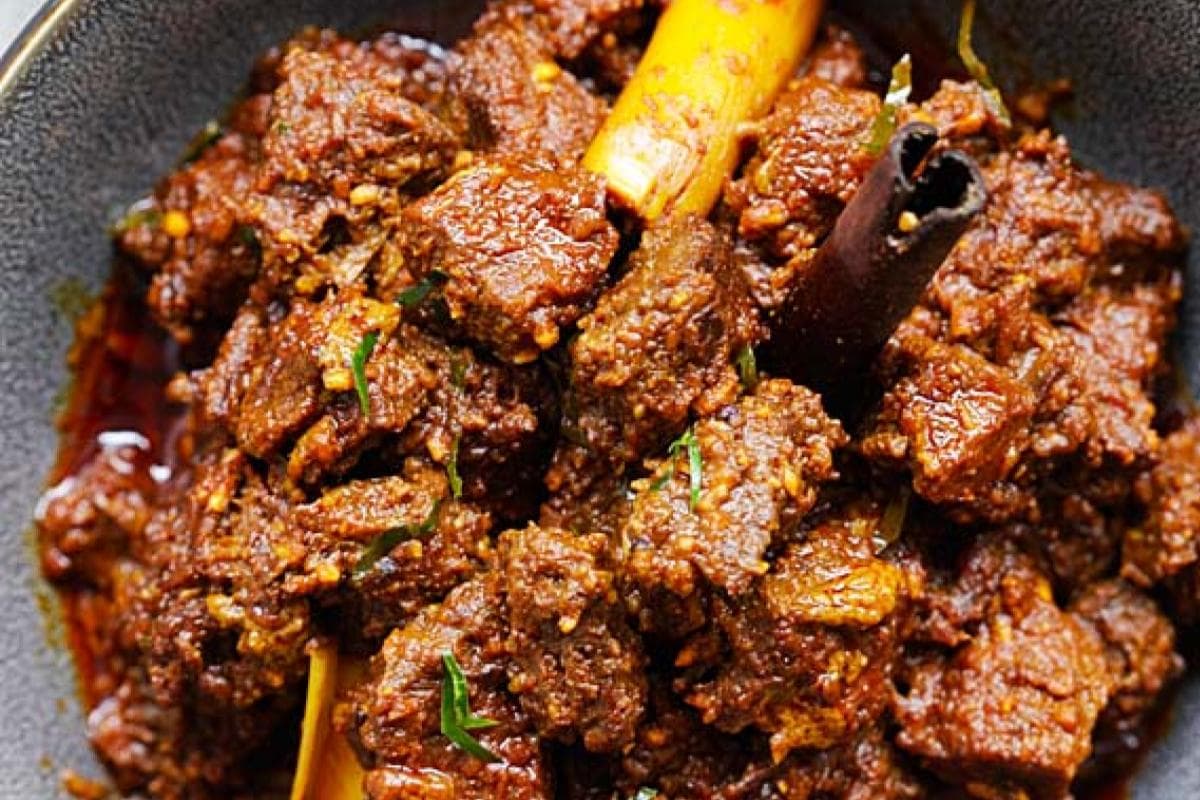
Rendang – Spiced Beef Curry
Rendang is a dish that takes time and patience to prepare, but the result is worth it. This slow-cooked beef curry comes from West Sumatra and is made with a mix of coconut milk, chili, ginger, and other spices. The meat is cooked for hours until it becomes tender and absorbs all the flavors, creating a dish that is rich, spicy, and slightly sweet. Rendang is often served during festivals or special family gatherings, but you can also find it in restaurants across the country. Many travelers consider Rendang one of the most delicious dishes they try in Indonesia, and it has even been named one of the best foods in the world.
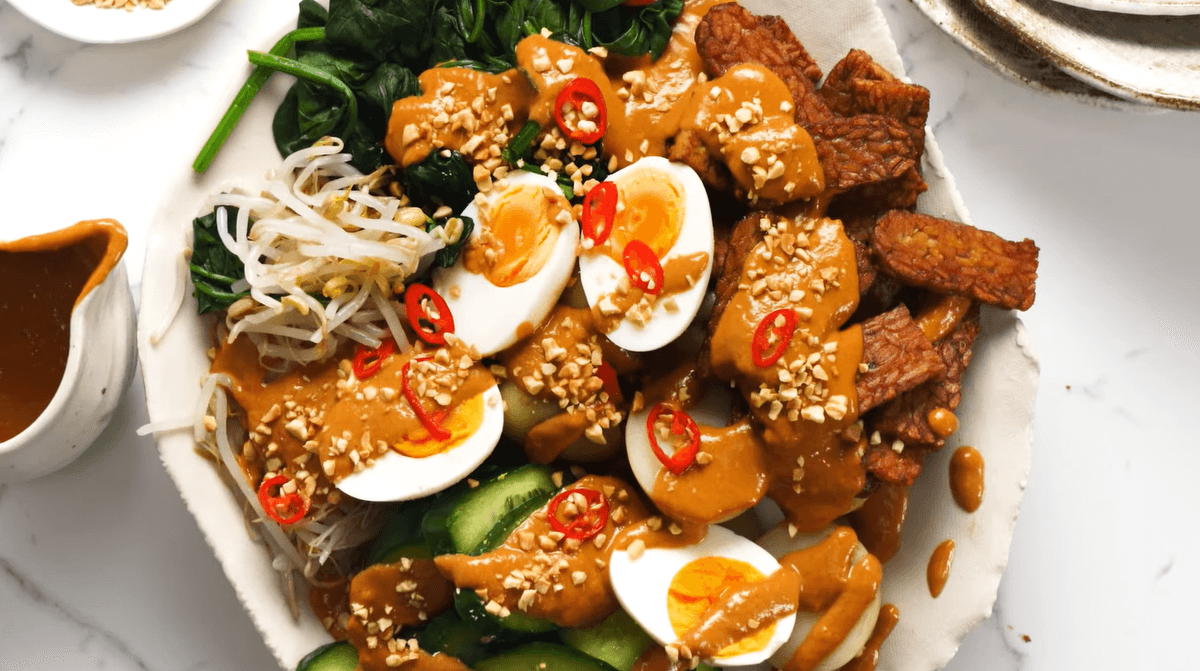
Gado-Gado – A Healthy Vegetable Salad
Gado-Gado is a perfect choice for travelers who want a lighter or vegetarian meal. It is a mix of boiled vegetables, tofu, tempeh, and sometimes boiled eggs, all topped with a creamy peanut sauce. The combination of crunchy vegetables and sweet, savory sauce makes it very satisfying. Gado-Gado is popular as a quick lunch or dinner and can be found in most local restaurants. Because it is made fresh, it is a great way to enjoy seasonal vegetables and taste a healthy side of Indonesian cuisine.
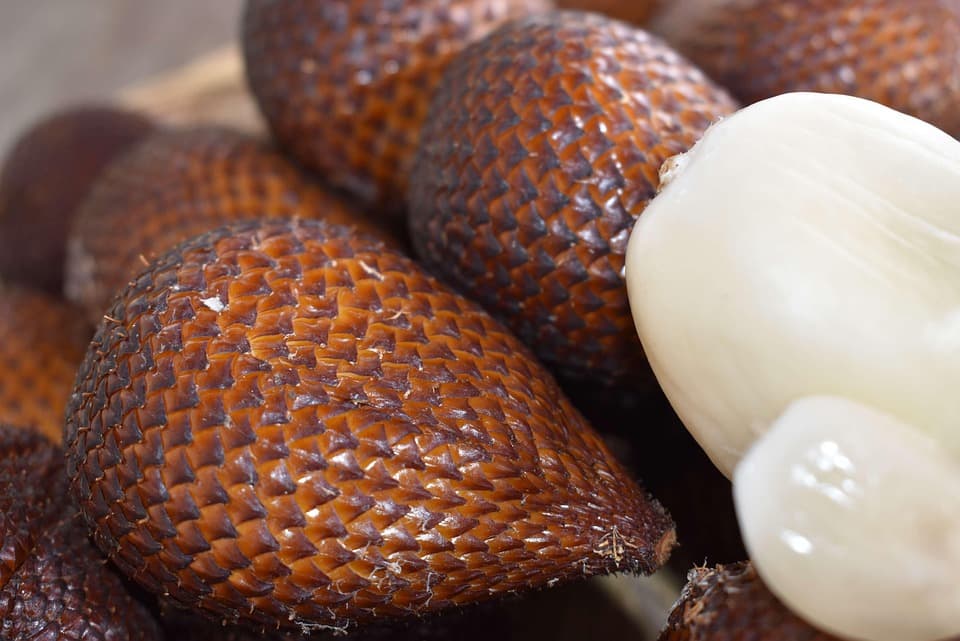
Fresh Tropical Fruits – Sweet and Exotic
Indonesia’s tropical climate means fresh fruit is available everywhere, and it is some of the sweetest you will ever taste. Mangoes, papayas, pineapples, and bananas are common, but adventurous travelers can also try salak (snake fruit) with its crunchy, sweet taste or durian, known for its strong smell but creamy flavor. Fruit is often served as dessert after meals or sold freshly cut in local markets. Drinking fresh coconut water on the beach or enjoying a plate of tropical fruit is a simple pleasure and one of the best ways to cool down on a hot day in Indonesia.
(1) Is Indonesia Safe for Travelers?
Indonesia is generally considered a safe country for travelers, especially in popular tourist areas like Bali, Yogyakarta, and Jakarta’s main districts. Violent crime against visitors is rare, but like anywhere in the world, it is smart to take normal precautions. Keep an eye on your belongings in crowded places such as markets, buses, or train stations, and avoid carrying too much cash. Be careful when using transportation late at night and use official taxis or ride-hailing apps when possible. Natural events like volcano eruptions or earthquakes do occasionally happen, so it’s a good idea to check local news if you are traveling near active volcanoes. Most travelers find the locals very friendly and helpful, which makes exploring the country feel welcoming and safe.
(2) Do I Need a Visa?
For many nationalities, visiting Indonesia is very easy. Citizens of dozens of countries can enter without a visa and stay for up to 30 days. Others can get a visa-on-arrival at major airports, which is quick and simple to arrange. If you plan to stay longer, you may be able to extend the visa while you are in Indonesia, but it’s best to check the rules before you travel to avoid any problems. Make sure your passport is valid for at least six months from the date you arrive and keep a copy of it with you during your trip. Rules can change, so checking the official immigration website or asking your travel agent before your departure is recommended.
(3) Can I Drink Tap Water?
Tap water in Indonesia is not considered safe for drinking, so travelers should always drink bottled or filtered water. Bottled water is cheap and widely available in shops, hotels, and restaurants. If you want to be more eco-friendly, you can bring a reusable bottle and refill it with filtered water provided at many hotels and cafes. Also, be careful with ice — most restaurants in tourist areas use clean ice, but in smaller local places it’s better to ask first. Avoid brushing your teeth with tap water if you have a sensitive stomach. Taking these simple steps will help you stay healthy during your trip and avoid stomach problems that could spoil your holiday.
(4) Are There Vegetarian or Halal Options?
Yes, finding vegetarian or halal food in Indonesia is usually not a problem. Many restaurants serve halal meals because most Indonesians are Muslim, and it is easy to find food that meets halal requirements. Vegetarians will find plenty of choices too, from dishes like Gado-Gado (vegetable salad with peanut sauce) to tempeh, tofu, and fried noodles with vegetables. In tourist areas such as Bali or Yogyakarta, there are many restaurants that cater to vegetarian and even vegan diets. If you have special dietary needs, it is helpful to learn a few words in Bahasa Indonesia or show a note with your requirements, and most places will do their best to accommodate you.
(5) Is English Spoken Widely?
English is fairly common in Indonesia’s tourist areas, especially in Bali, Jakarta, and major cities. Hotel staff, tour guides, and many restaurant workers can communicate in English. In rural areas or smaller islands, however, English might not be widely spoken, so knowing a few basic Indonesian words can make your trip easier and more enjoyable. Words like “halo” (hello), “terima kasih” (thank you), and “tolong” (please) are simple and will be appreciated by locals. A translation app on your phone can also be helpful for menus and signs. Even with language differences, Indonesians are usually friendly and willing to help, so communication is rarely a big problem.
Are you interested in this tour?
This tour can be tailored.