Korea is a land where ancient traditions meet cutting-edge modernity, where royal palaces stand just steps away from futuristic skyscrapers. From bustling cities like Seoul to tranquil temples in the mountains, Korea offers a perfect blend of history, culture, and natural beauty.
Table of Contents
Korea is a country where you can experience both the past and the future in one trip. It is a place where traditional wooden houses stand next to modern glass towers, and where quiet mountain temples are only a short train ride away from busy shopping streets. Many travelers are drawn to Korea because it offers so many different experiences within a small area. You can start your morning walking through a royal palace in Seoul, spend your afternoon exploring art galleries or markets, and finish the day eating barbecue with friends in a lively night district. Efficiently we can choose what
Another reason to visit is the changing seasons, which make every trip unique. Spring brings beautiful cherry blossoms that turn parks and streets pink, while autumn covers the mountains with red and orange leaves. Summer is full of festivals and beach trips, and in winter, the country becomes a popular destination for skiing and enjoying hot food.
Korea is also well known for its people, who are usually friendly and eager to share their culture. Many visitors enjoy trying on hanbok (traditional clothing), joining tea ceremonies, or simply chatting with locals at markets. Food is another big part of the experience, from famous dishes like kimchi and bibimbap to street snacks such as tteokbokki and hotteok.
In short, Korea is a place where every day can feel different. Whether you are interested in history, nature, pop culture, or food, you will always find something that makes the journey memorable.
(1) Explore Seoul’s Palaces and Traditional Streets
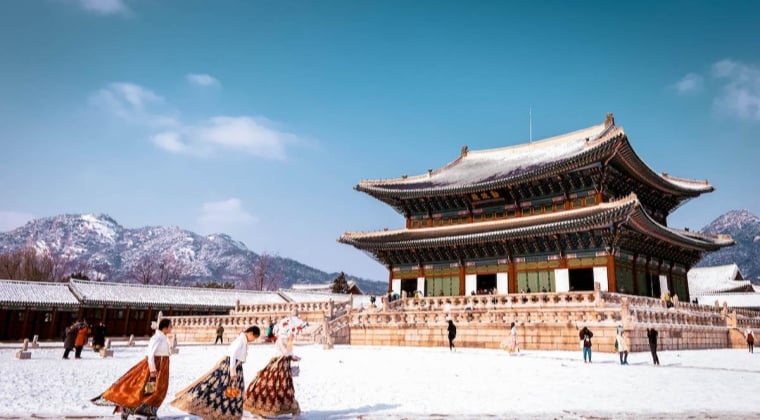
Seoul is the heart of Korea and a great place to start your trip. The city is full of contrasts — one moment you are standing in front of a 600-year-old palace, the next you are in a busy shopping street with modern cafes and neon lights. One of the highlights is Gyeongbokgung Palace, the largest of the royal palaces. Walking through its wide courtyards and colorful gates gives you a feeling of what life was like during the Joseon dynasty. The changing of the guard ceremony held at the main gate is a popular event, with soldiers dressed in bright traditional uniforms. After visiting the palace, you can explore Bukchon Hanok Village, an area full of traditional wooden houses called hanok. Many are still lived in today, and some have been turned into tea houses or small museums where you can try cultural activities like calligraphy or hanbok wearing. Don’t miss Insadong Street nearby, which is famous for its antique shops, craft stores, and street food stalls. A day spent exploring this part of Seoul allows you to see both the historical and the artistic side of the city.
(2) Discover the Heritage City of Gyeongju
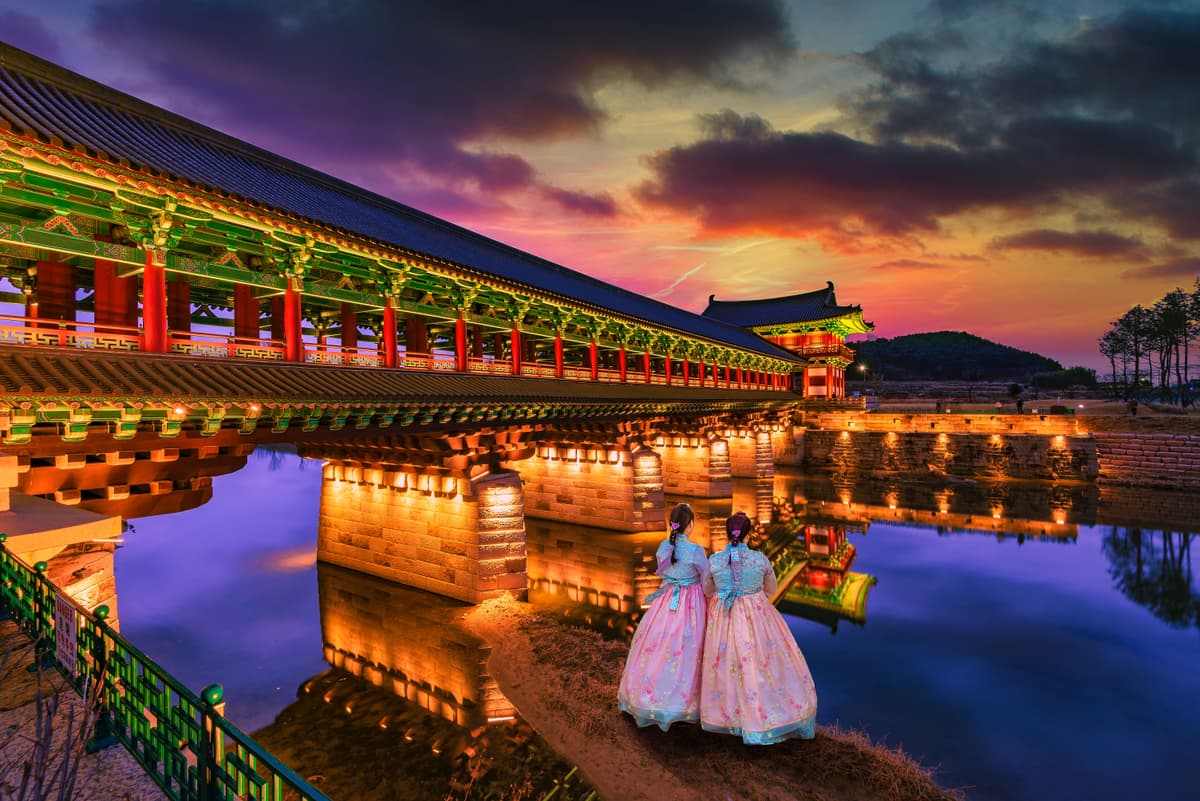
If Seoul shows Korea’s modern energy, Gyeongju takes you back in time. Known as a “museum without walls,” this city was once the capital of the Silla Kingdom, which ruled much of the Korean Peninsula for almost a thousand years. The city is full of historical sites, including large grassy tombs of ancient kings that look like green hills scattered around town. One of the most famous places to visit is Bulguksa Temple, a UNESCO World Heritage Site, with its stone pagodas and peaceful atmosphere. Not far away is Seokguram Grotto, a cave temple with a beautiful Buddha statue facing the East Sea. Cycling is a popular way to see Gyeongju, as many of the sites are close to each other and the roads are easy to ride. In the evening, a visit to Anapji Pond is highly recommended. The pond and pavilions are beautifully lit up at night, creating a magical reflection in the water. Spending time in Gyeongju is like stepping into a different century, and it is one of the best places to understand Korea’s long and fascinating history.
(3) Experience Nature and Adventure on Jeju Island
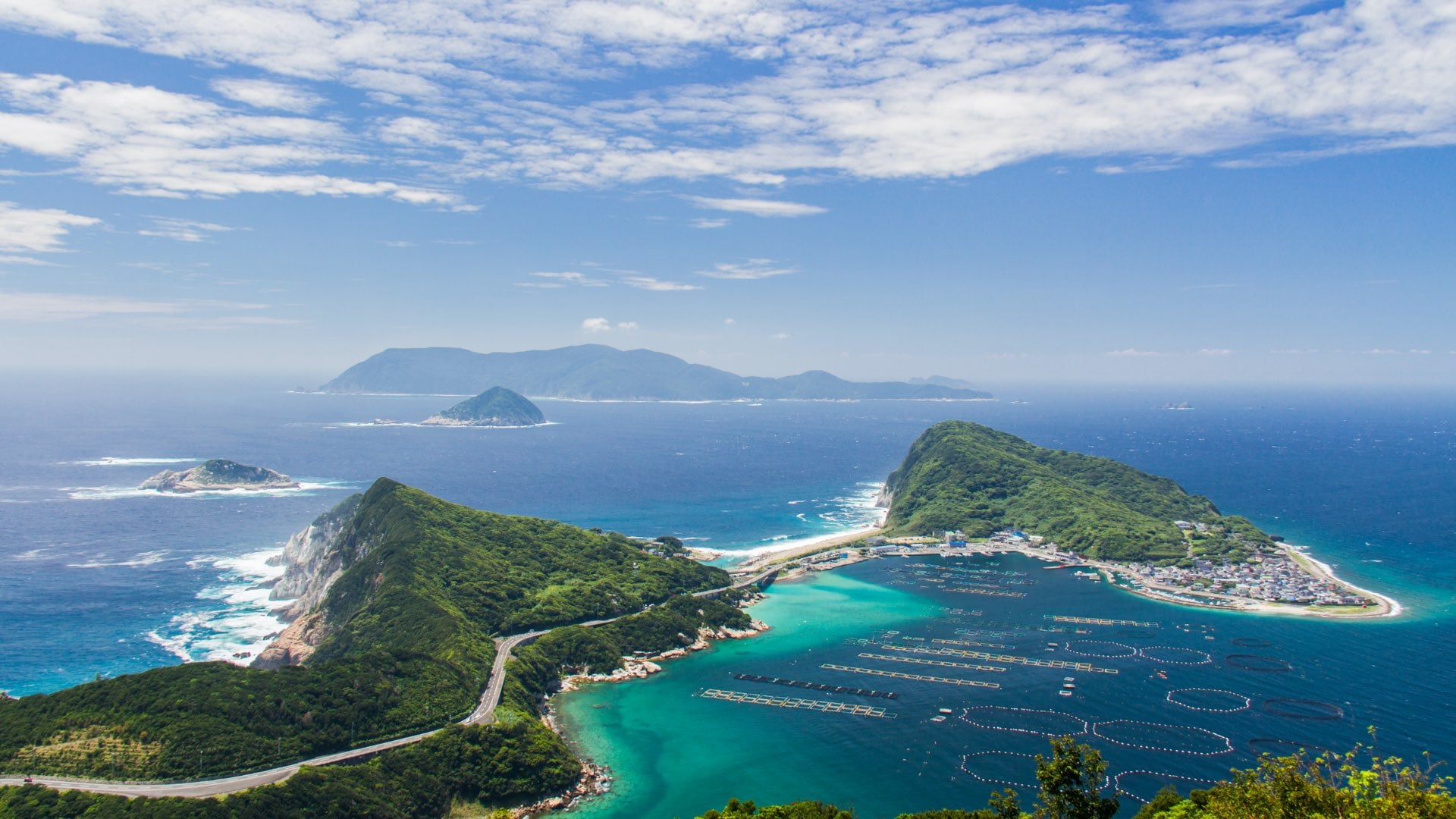
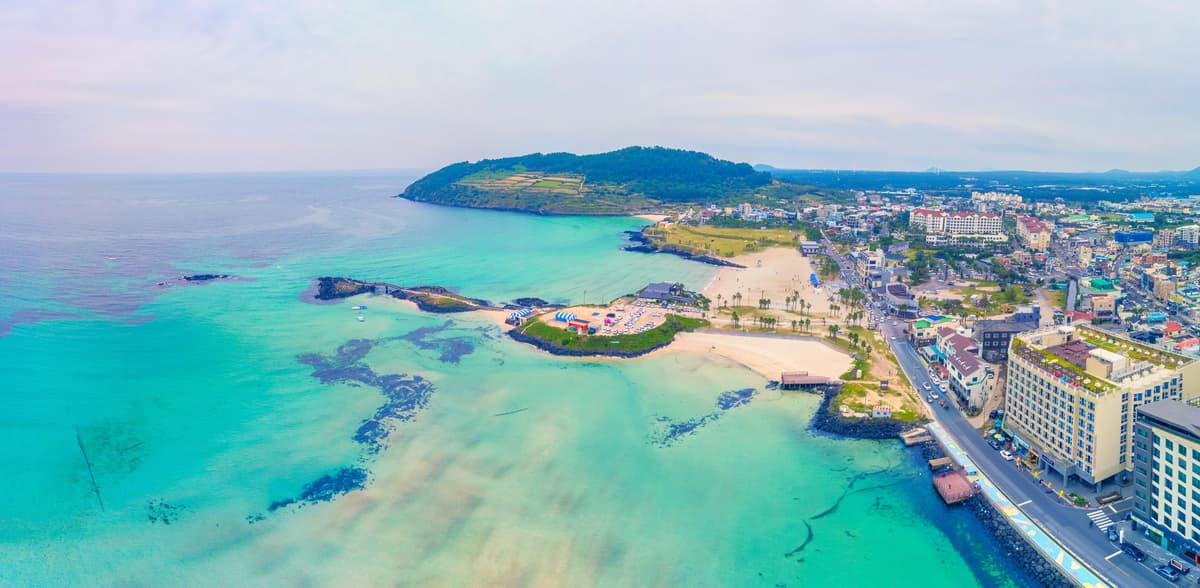
Jeju Island is often called the “Hawaii of Korea,” and for good reason. It is a volcanic island full of natural wonders, making it a perfect place for travelers who love the outdoors. One of the highlights is Hallasan Mountain, the highest peak in Korea. Hiking to the top takes several hours, but the views of the island and the crater lake at the summit are worth the effort. For those who prefer something easier, there are shorter walking trails that go through forests and fields of wildflowers. Jeju is also famous for its lava tubes, such as Manjanggul Cave, which is one of the longest in the world and shows the island’s volcanic history. Apart from hiking, Jeju offers stunning beaches like Hyeopjae and Hamdeok, where you can swim or just relax by the turquoise water.
Spring (March–May)
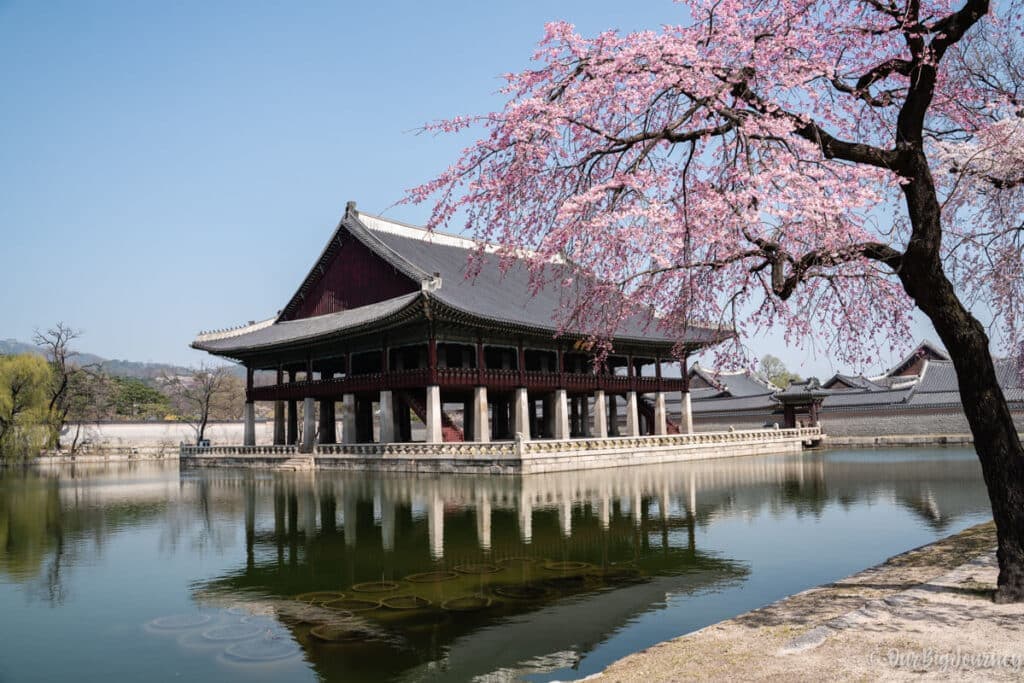
Spring is one of the most beautiful times to see Korea. The weather is mild, and cherry blossoms bloom across the country, especially in Seoul, Jinhae, and Jeju Island. Streets, parks, and palace courtyards turn pink and white, creating a romantic atmosphere that attracts many visitors. It is also a good season for walking tours and outdoor activities, as the temperatures are comfortable and the air is fresh after winter.
Summer (June–August)
Summer in Korea is hot and lively. This is the time when beaches are open and festivals are held almost every weekend. However, you should be ready for some rainy days, as July is the monsoon season. Even so, many travelers enjoy summer because of the long evenings and the chance to try cold dishes like naengmyeon (cold noodles) and bingsu (shaved ice dessert).
Autumn (September–November)
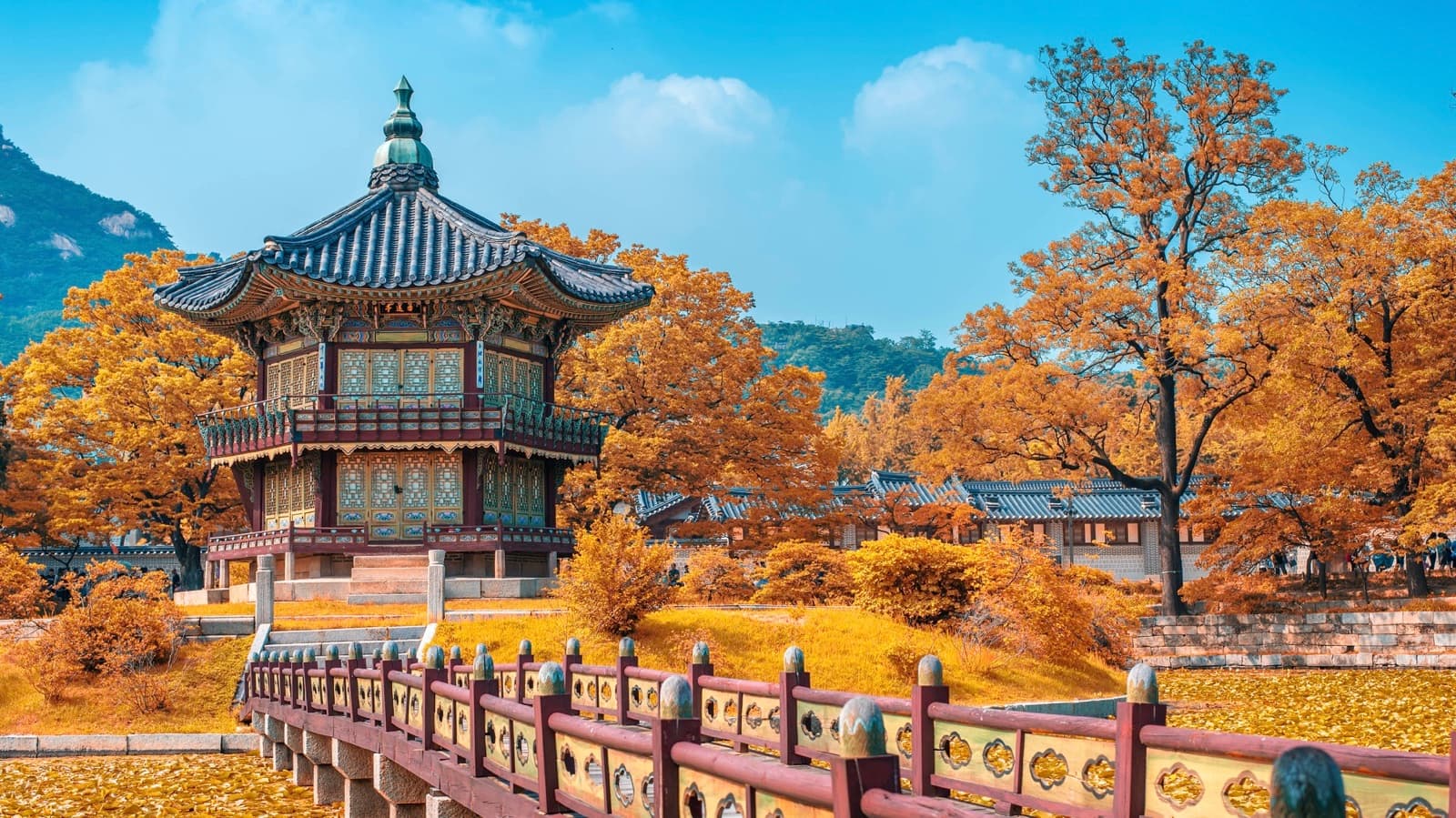
Autumn is often called the best season to visit Korea. The skies are clear, the air is cool, and the mountains are covered with bright red and orange leaves. This is the perfect season for hiking and photography. Famous spots like Nami Island and Seoraksan National Park are especially beautiful at this time.
Winter (December–February)
Winter is cold but full of charm. Ski resorts open in the mountains, and snow sometimes falls in Seoul, giving the palaces and old streets a quiet beauty. It is also the season to enjoy hot soups, street food, and traditional saunas called jjimjilbang. For travelers who like a peaceful atmosphere, winter can be one of the most rewarding times to visit.
Visa & Entry
For many travelers, visiting Korea is simple because numerous countries have visa-free entry for stays of up to 30 or 90 days. Still, it is always a good idea to check the latest rules before booking your ticket, as regulations sometimes change. Your passport should have at least six months of validity left. If you need a visa, the process is usually straightforward and can often be done online.
Transportation
Korea has one of the most convenient public transportation systems in Asia. The KTX high-speed train connects major cities like Seoul, Busan, and Daegu in just a few hours, which is much faster than driving. Within cities, the subway systems are clean, safe, and have English signs, making them easy for visitors to use. Getting a T-money card is very helpful, as you can use it for buses, subways, and even taxis in most cities.
Money & Payments
Credit cards are widely accepted in Korea, especially in hotels, restaurants, and shops. However, it is still smart to carry some cash for small markets, rural areas, or street vendors that may not take cards. ATMs are easy to find, but make sure to use ones that accept foreign cards, often found in convenience stores or banks.
Language Tips
Korean is the main language, and while English is spoken in tourist areas, it is not everywhere. Learning a few simple words like “annyeonghaseyo” (hello) and “kamsahamnida” (thank you) is appreciated and often brings a smile from locals. A translation app can be helpful for menus or bus schedules.
What to Pack
Pack according to the season — light clothing for the humid summer, and warm layers for winter. Comfortable walking shoes are important, as you will be on your feet exploring palaces, markets, and hiking trails. A power adapter for 220V outlets and a portable charger for your phone will make your trip much easier.
(1) Seoul – The Dynamic Capital
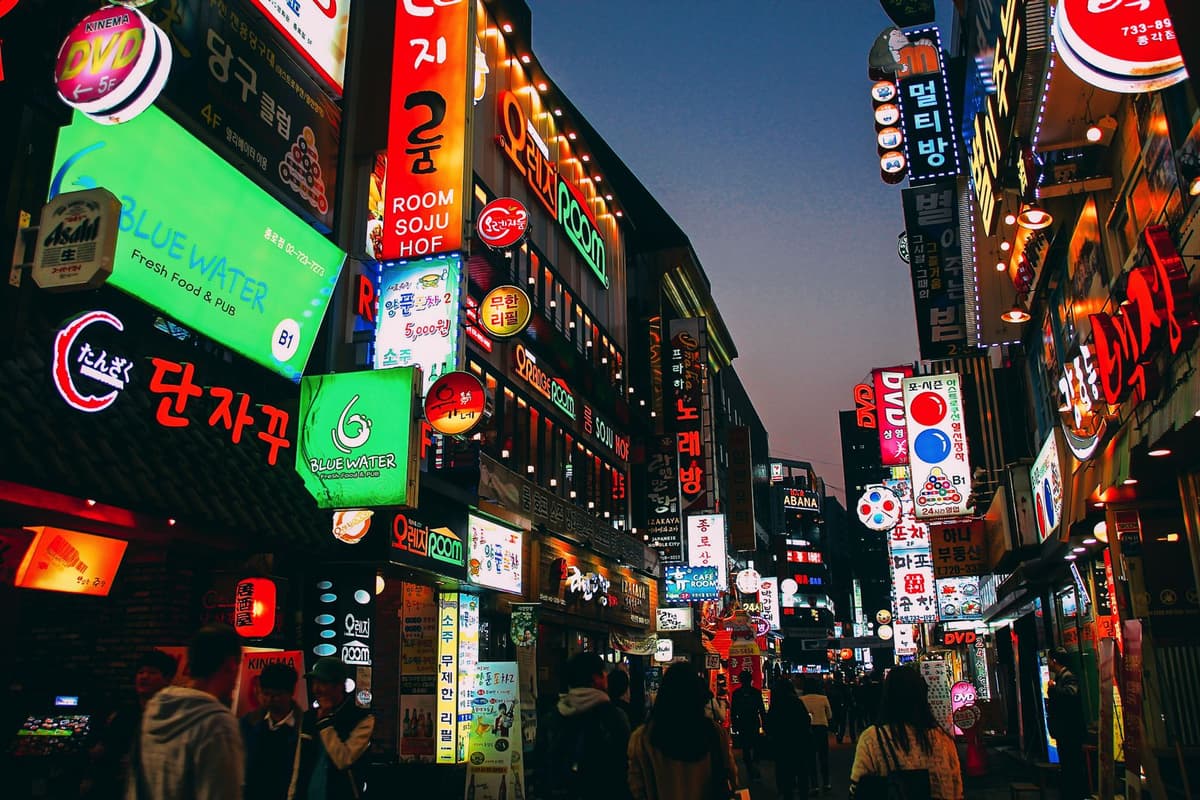
Seoul is where most travelers begin their journey, and it is easy to see why. The city is a mix of old and new, with royal palaces like Gyeongbokgung and Changdeokgung standing near modern skyscrapers and shopping malls. You can spend the morning watching the royal guard ceremony at the palace, the afternoon shopping in Myeongdong or exploring the hip streets of Hongdae, and the evening enjoying Korean barbecue and nightlife in Itaewon or Gangnam. Seoul is also home to some of the country’s best museums and art galleries, as well as traditional markets such as Namdaemun and Gwangjang, where you can try local street food.
(2) Busan – Coastal Charm
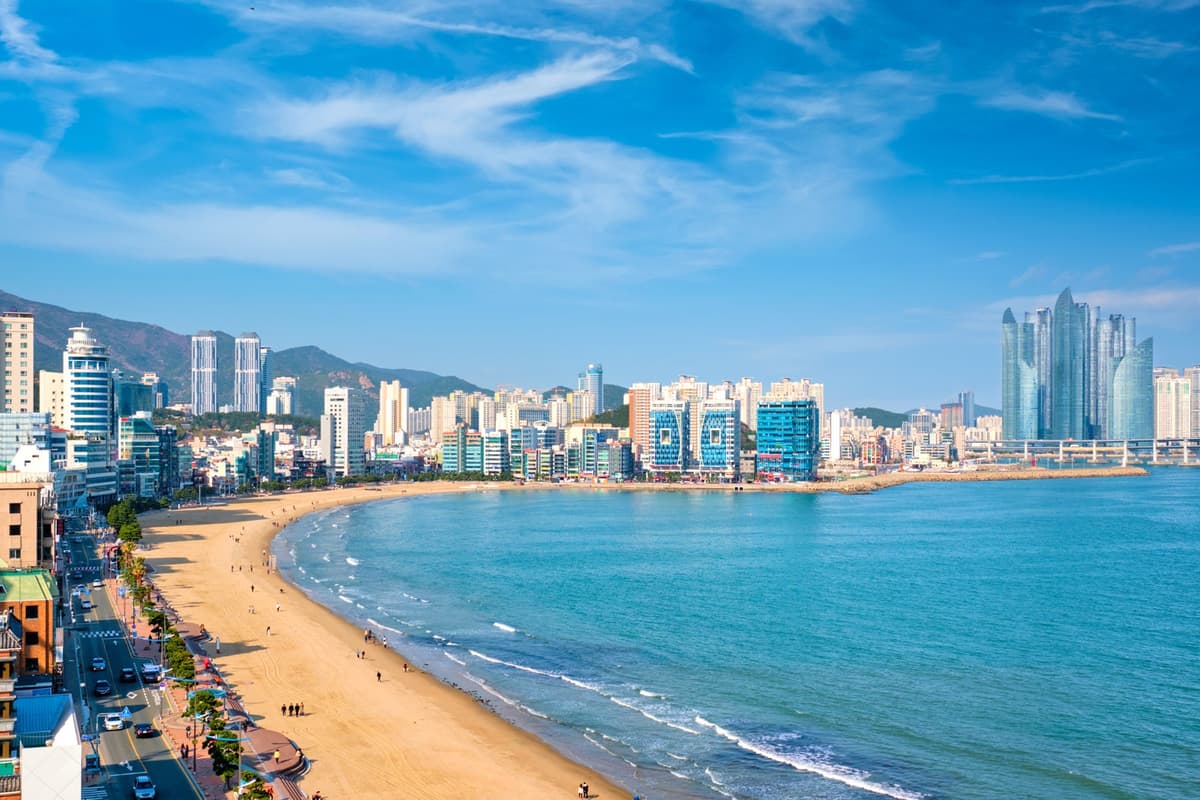
Busan is Korea’s second-largest city and offers a completely different atmosphere from Seoul. It is famous for its wide beaches like Haeundae and Gwangalli, where you can relax and enjoy the sea breeze. The colorful Gamcheon Culture Village is a must-see, with its bright murals, tiny cafes, and art shops hidden in winding alleyways. For seafood lovers, Jagalchi Market is the place to go — you can pick fresh fish and have it cooked on the spot. Busan also has beautiful temples, like Haedong Yonggungsa, which sits dramatically on the edge of the sea, making it one of the most scenic temples in Korea.
(3) Gyeongju – Ancient Korea
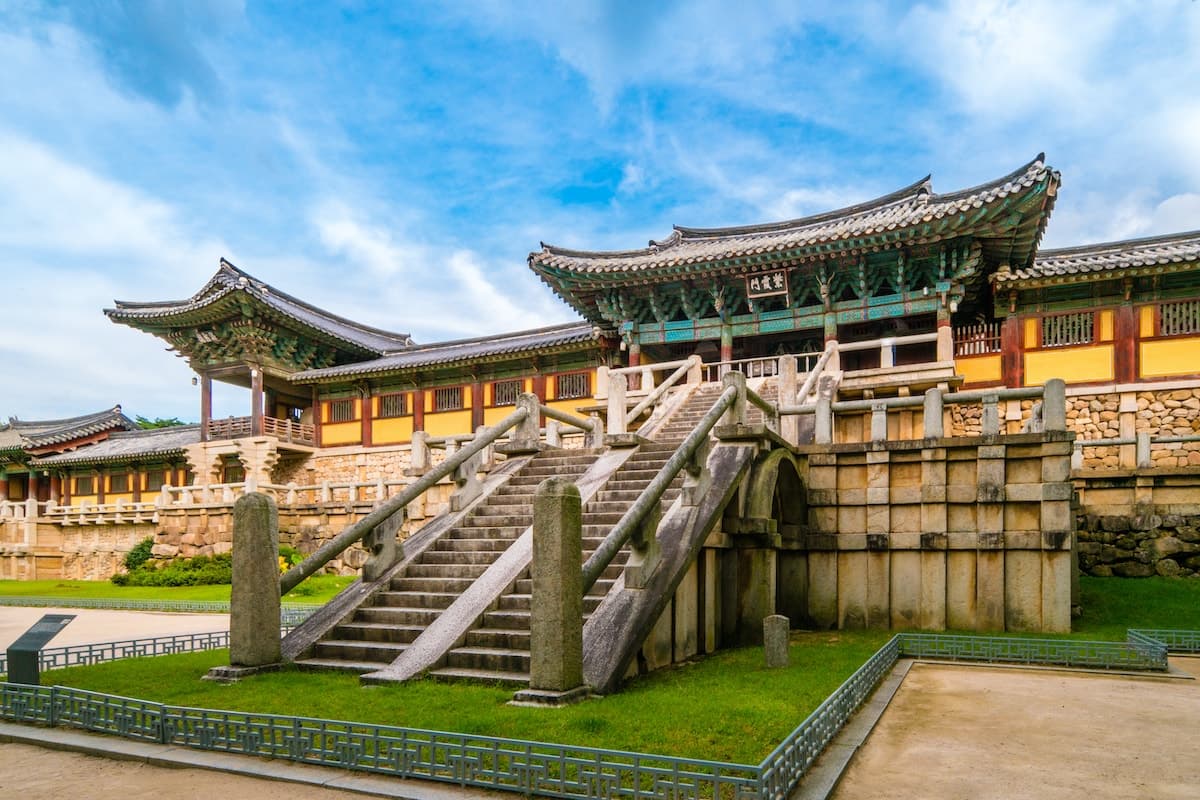
Known as Korea’s “museum without walls,” Gyeongju is full of historical treasures from the Silla Kingdom. The city is dotted with grassy royal tombs that look like small hills, and many are located right in the center of town. Bulguksa Temple, a UNESCO site, is one of the most important Buddhist temples in the country and is known for its stone bridges and pagodas. Just outside the city, Seokguram Grotto houses a beautiful stone Buddha statue looking out to the sea. Exploring Gyeongju by bike is popular, as many historical sites are close to each other and the roads are flat and easy to ride.
(4) Jeju Island – Nature’s Paradise
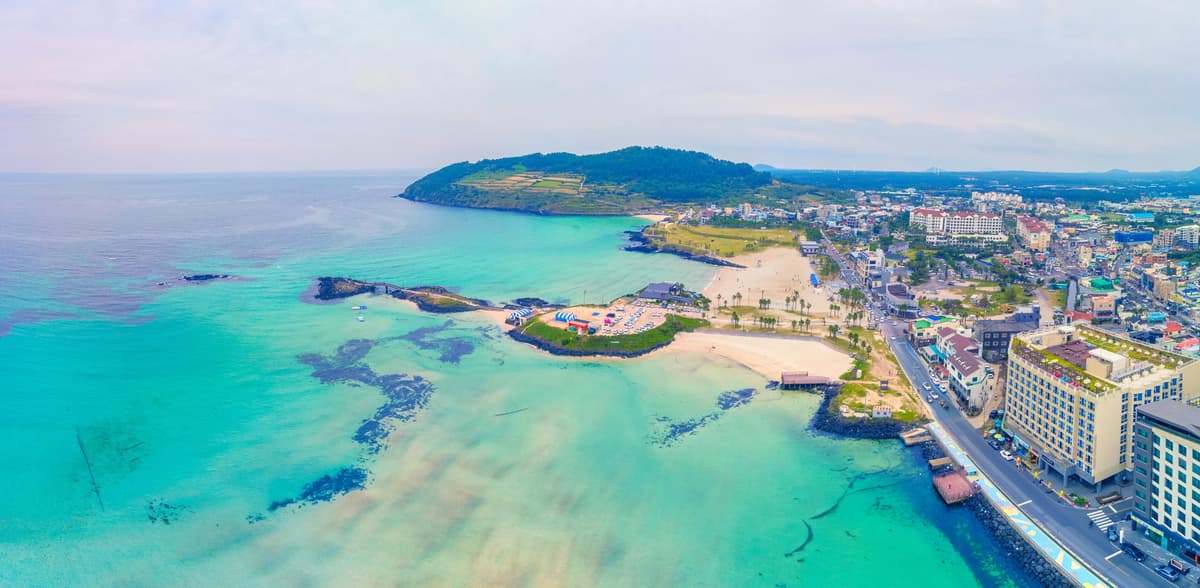
Jeju Island is a volcanic island known for its dramatic landscapes and slower pace of life. You can hike Hallasan Mountain, visit waterfalls like Cheonjiyeon and Jeongbang, or explore Manjanggul Cave, a long lava tube. The island’s beaches, such as Hyeopjae, are perfect for relaxing in summer, while the coastal Olle walking trails are great for year-round hiking. Jeju also has unique culture — from traditional thatched houses to the famous haenyeo women divers who still collect seafood by hand. The local cuisine, including fresh sashimi, black pork, and hallabong oranges, is another reason visitors love Jeju.
(5) Andong Hahoe Village – Traditional Korea
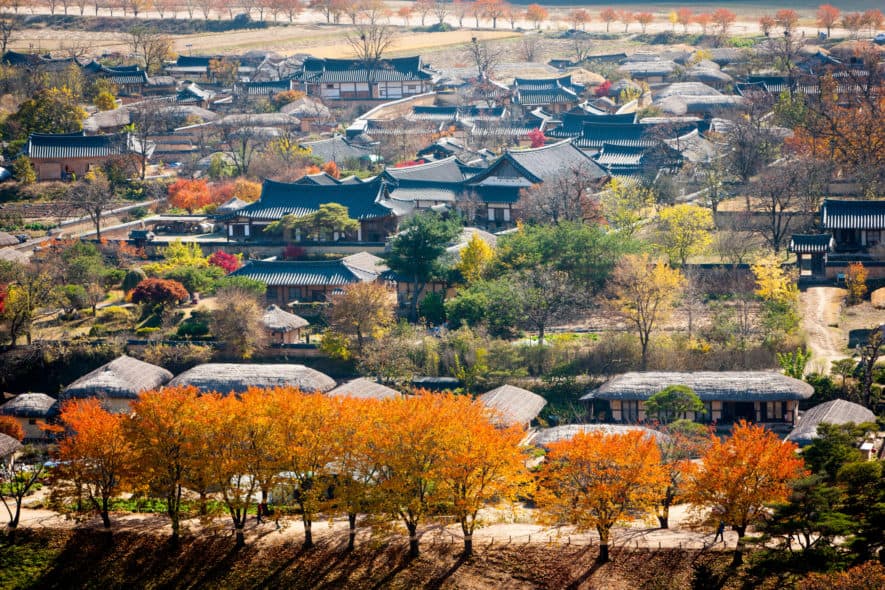
For those interested in Korea’s past, Andong Hahoe Village is one of the best places to visit. This UNESCO-listed village has been home to the same families for centuries and still keeps its original hanok houses, narrow lanes, and traditional lifestyle. Visitors can watch the famous Hahoe mask dance performance, which is performed outdoors and tells stories that go back hundreds of years. Walking through the village feels like stepping back in time, and the surrounding scenery of the Nakdong River and cliffs makes the experience even more memorable.
(1) Kimchi & Bibimbap
Kimchi is probably the most famous Korean food, and you will find it on the table at almost every meal. It is a spicy fermented cabbage dish seasoned with chili, garlic, and other spices, and it tastes different depending on the region or even the family recipe. Some versions are mild, while others are very spicy. Kimchi is not just a side dish — many Korean soups and stews use it as a main ingredient, adding a deep, tangy flavor. Another favorite is bibimbap, a colorful rice bowl topped with mixed vegetables, meat, egg, and spicy gochujang sauce. The fun part is mixing everything together before eating, which creates a perfect balance of flavors. Bibimbap is a healthy, filling meal that is popular with both locals and travelers.

(2) Korean BBQ
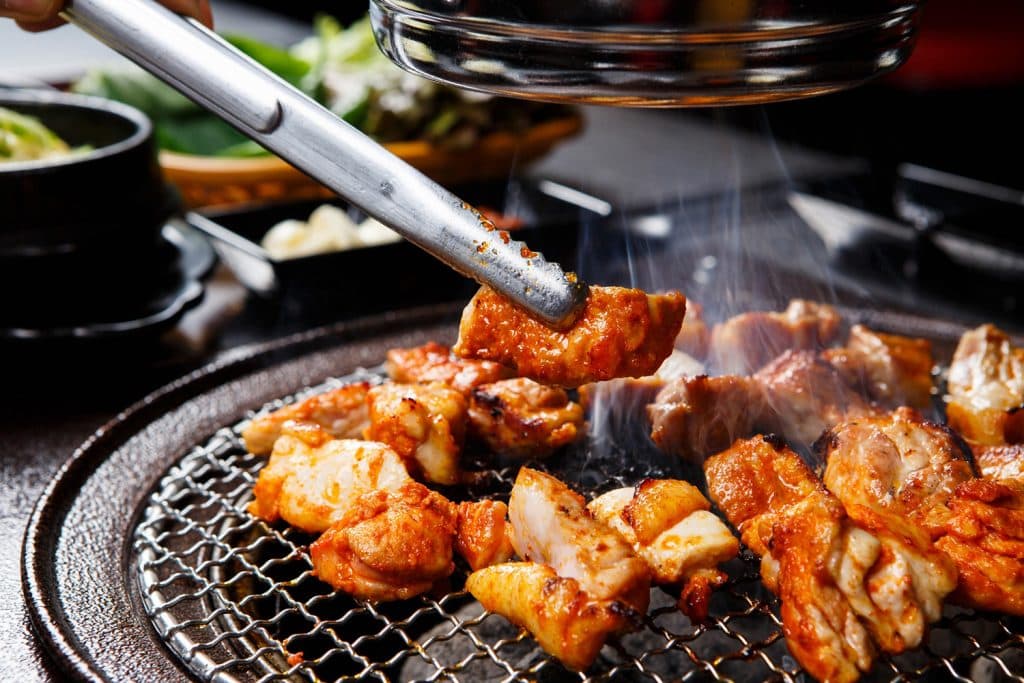
One of the most enjoyable food experiences in Korea is Korean barbecue. It is a social meal where you grill meat, usually pork or beef, right at your table. The meat is cut into bite-sized pieces and eaten with side dishes called banchan. The best way to enjoy it is to wrap the grilled meat in a lettuce leaf with garlic, chili paste, and a slice of kimchi — a perfect combination of flavors and textures. Many barbecue restaurants are open late into the night, making this a favorite choice after a day of sightseeing. Some places even let you cook the meat yourself, which is part of the fun.
(3) Tteokbokki & Street Food
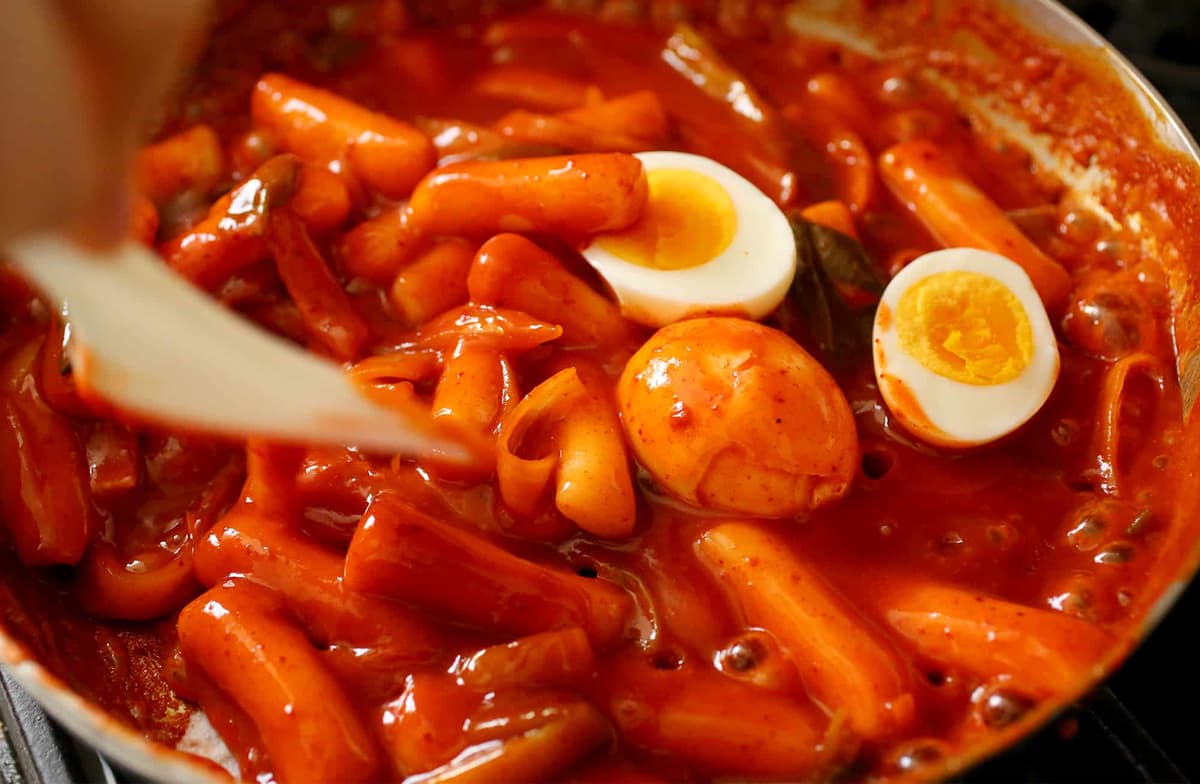
Korean street food is famous for being tasty, affordable, and easy to find. One of the most popular snacks is tteokbokki, chewy rice cakes cooked in a spicy red sauce. It is often eaten at street stalls, especially in the evening. Another must-try is hotteok, a sweet pancake filled with brown sugar, cinnamon, and nuts, which tastes best when eaten hot on a cold day. Fish cakes (eomuk) served on skewers with hot broth are another classic street food, perfect for a quick snack. Visiting a night market like Gwangjang or Myeongdong is a fun way to try several street foods at once and experience the lively atmosphere of Korean nightlife.
(1) Is Korea Safe for Travelers?
Yes, Korea is considered one of the safest countries in Asia. Violent crime is very rare, and cities are well lit and busy even at night, so it feels comfortable to walk around. Of course, normal travel precautions still apply — keep an eye on your belongings in crowded places like markets or subway stations. Many travelers are surprised by how helpful locals can be if you seem lost or need directions.
(2) Do I Need a Visa?
Many travelers do not need a visa for short visits, usually between 30 and 90 days, depending on your passport. Still, it is a good idea to check the latest entry rules before booking flights, as policies can change. If a visa is required, the process is generally simple and can often be done online. Make sure your passport is valid for at least six months before you travel.
(3) Is Public Transport Easy to Use?
Public transport in Korea is very efficient and foreigner-friendly. Major cities have subway systems with English signs and announcements, making it easy to navigate even for first-time visitors. Buses and trains are on time and clean. Buying a T-money card saves you time and can be used for buses, subways, and even some taxis.
(4) What About Vegetarian or Halal Food?
Vegetarian and halal food options are becoming easier to find, especially in cities like Seoul and Busan. Many restaurants now label vegetarian dishes, and there are apps that help you find halal-certified places. Traditional Korean food is meat-heavy, so it’s a good idea to plan ahead if you have dietary restrictions. Temple food restaurants are a great choice for vegetarians.
(5) Can I Use My Phone Easily?
Yes, staying connected in Korea is very easy. You can rent portable Wi-Fi devices at the airport or buy a local SIM card for your phone. Internet speed is very fast, and free Wi-Fi is common in cafes, subways, and public spaces. This makes it simple to use navigation apps, translation tools, or keep in touch with friends while traveling.
Are you interested in this tour?
This tour can be tailored.
Busan-Haundae-Busan
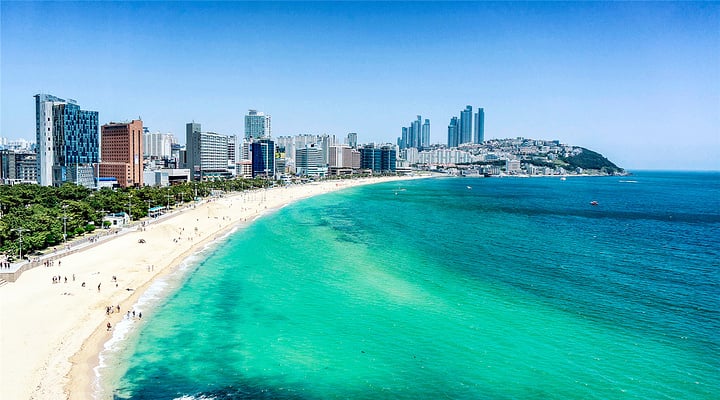
Busan, South Korea’s vibrant coastal metropolis, is a dynamic blend of stunning beaches, rich culture, and bustling urban energy. As the country’s second-largest city and a major port, Busan boasts breathtaking seaside scenery, including its iconic Haeundae Beach—a 2-kilometer stretch of soft white sand perfect for sunbathing, swimming, or simply strolling along the promenade. Nearby, Dongbaek Island offers serene walking trails and coastal views, while the Gwangalli Beach area is famous for its dramatic nightscapes, especially from the “Moonlight Rainbow Fountain” along the Gwangan Bridge. Don’t miss sampling local specialties like sundae (Korean blood sausage), milmyeon (cold buckwheat noodles), and fresh seafood dishes. Whether you’re seeking relaxation on golden beaches, cultural immersion in historic villages, or vibrant city life, Busan promises an unforgettable experience.
Incheon-Nami-Island-Incheon-Seoul
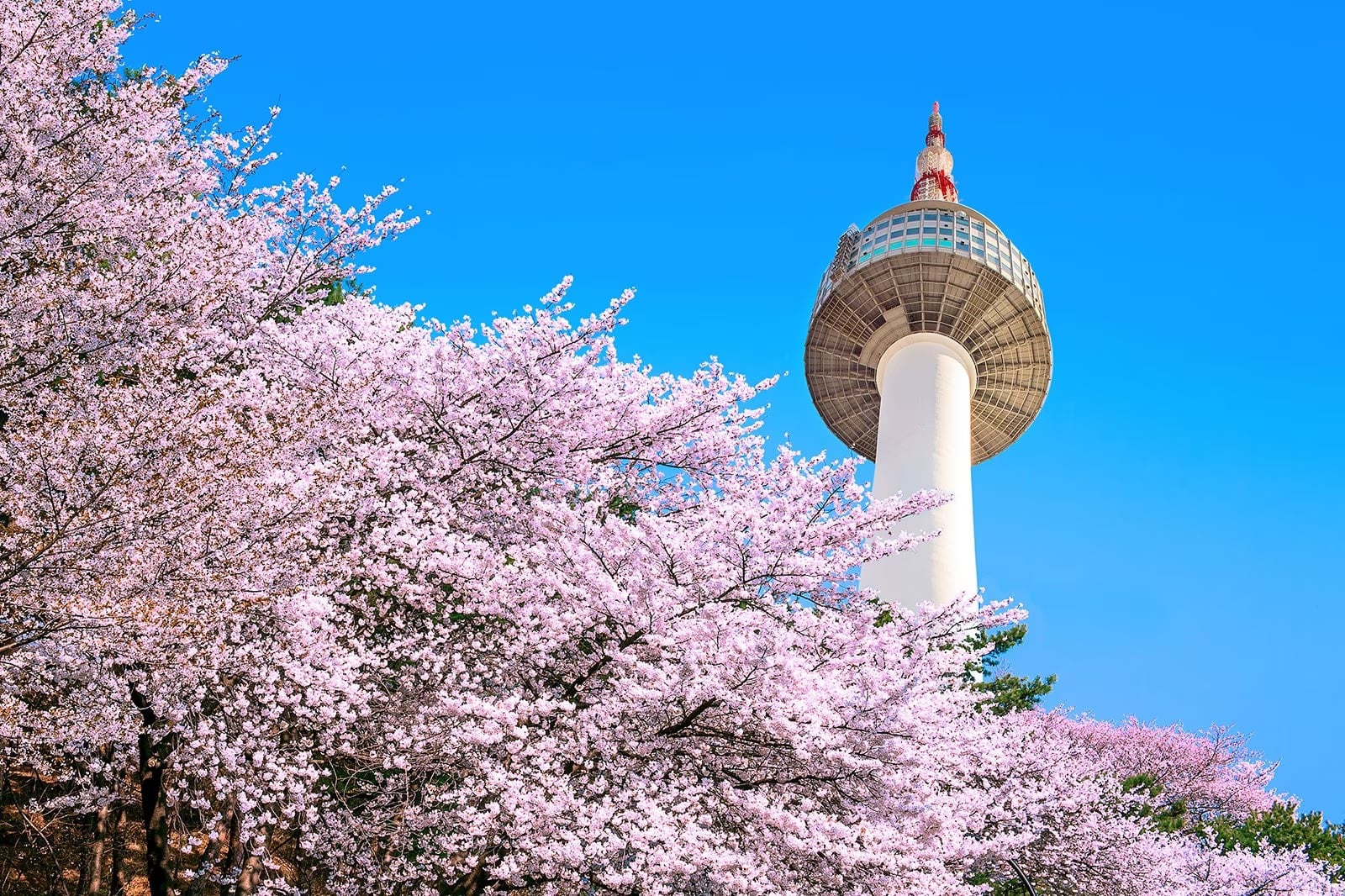
Embark on a 6-day tour through South Korea with "Seoul & Nami Island: A 6-Day Cultural & Scenic Sojourn in South Korea". Begin in Seoul, where ancient palaces like Gyeongbokgung stand as testaments to Korea's rich history, while modern neighborhoods buzz with contemporary energy. Explore the cobblestone alleys of Bukchon Hanok Village, and soak in the vibrant street life.Then, venture to Nami Island, a scenic oasis famous for its appearance in beloved Korean dramas. Wander along tree - lined paths, enjoy the serene lakeside views, and immerse yourself in nature's beauty. This tour is a harmonious blend of cultural immersion and scenic splendor, offering an unforgettable experience of South Korea.
Seoul-Chuncheon-Yongin
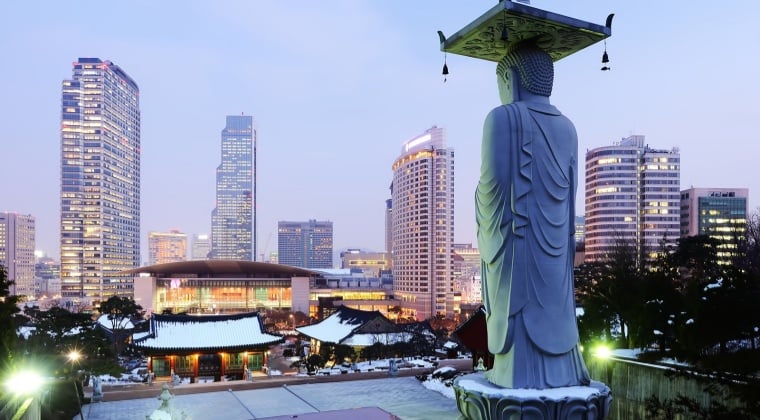
Get ready for an incredible 6-day adventure.Immerse yourself in the vibrant energy of Seoul, where modernity meets tradition. Explore the historical treasures of Gyeongbokgung Palace and wander through the trendy streets of Myeongdong.Journey to Chuncheon, home to the enchanting Nami Island, a picturesque haven straight out of a K - drama. In Yongin, experience the thrill of Korean entertainment at renowned theme parks. This tour offers a perfect blend of cultural exploration, scenic beauty, and exciting activities, promising memories that will last a lifetime.
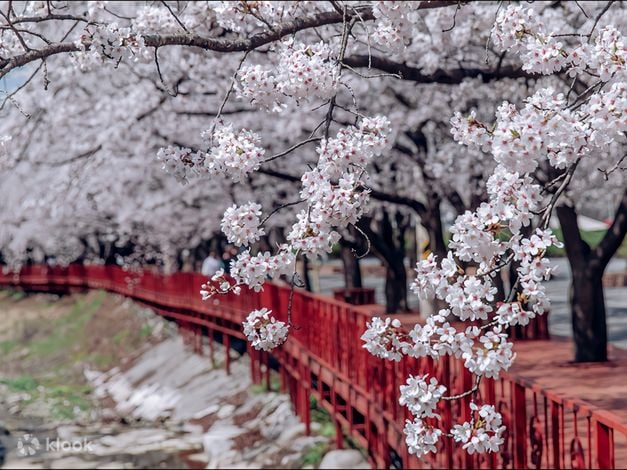
Incheon-Nami-Island-Seoul
This 6-day, 4-night tour is a captivating exploration of Korea, centered around the allure of cherry blossoms. From the bustling streets of Seoul to the serene landscapes of Nami Island and Incheon, it offers a perfect blend of natural beauty and cultural immersion.
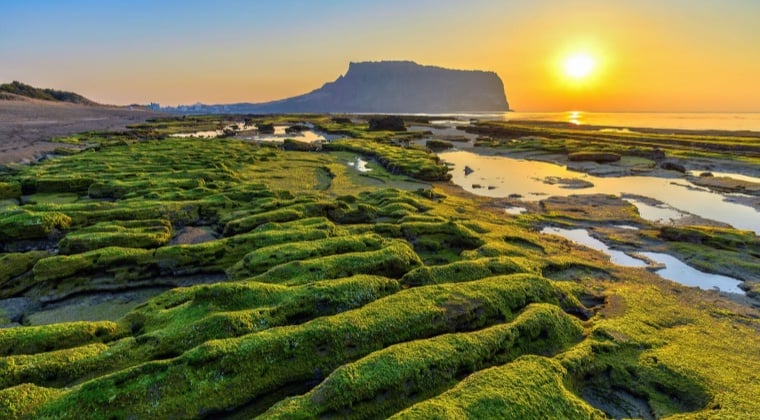
Incheon-Jeju-Island-Incheon-Seoul
Embarking on a Korean Tour is an invitation to a captivating journey through South Korea. Traverse bustling cities like Seoul, where modern skyscrapers stand alongside ancient palaces. Wander the charming streets of Incheon, or lose yourself in the fairytale landscapes of Nami Island. Delight in the rich tapestry of Korean culture, from savoring traditional dishes to experiencing age - old customs. This odyssey promises a blend of adventure, relaxation, and unforgettable memories, as you uncover the hidden gems and iconic landmarks of this dynamic country.