If you’re heading to Southeast Asia for the first time, Vietnam is one of those places that makes an impression right away. In the north, the mountains are often hidden in cool morning mist, while far to the south the beaches glow with warm sunlight and soft sand. Between the two ends of the country, you’ll find landscapes that constantly change, old traditions that are still part of daily life, and food that leaves a lasting memory long after the trip is over.
This is a country where you might see ancient pagodas rising not far from elegant French-era buildings, and where markets are alive with the smell of fresh herbs, spices, and tropical fruit. Rivers wind quietly through rice fields that stretch far into the distance, much as they have for centuries. Each part of Vietnam feels distinct, almost like its own little world, but together they create a nation full of variety, history, and everyday beauty.
Table of Contexts
Vietnam is a country that feels different wherever you go, and each part of the journey leaves its own impression. The country stretches like an S-shape along the coast of Southeast Asia, with landscapes that shift from the cool mountains in the north to the warm beaches in the south. Its cities and countryside carry long histories, while everyday life shows how old traditions live side by side with modern changes.
In the north, Hanoi is often the first stop. The sound of motorbikes fills the air, food stalls send out the smell of grilled meat and herbs, and small streets twist and turn past temples, French-style houses, and tiny cafés. Not far away, the hills of Sapa rise into the clouds, where rice terraces spread out across the slopes in green or golden waves depending on the season. Out in the Gulf of Tonkin, Hạ Long Bay is unforgettable—thousands of limestone cliffs rise straight out of the sea, creating a view that looks almost unreal.
The central coast has a slower rhythm. Huế, once the imperial capital, still keeps its royal citadel, old pagodas, and the peaceful tombs of emperors. A short ride south takes you to Hội An, where lanterns light up the streets in the evening and traditional craft shops keep local skills alive. Further along the coast, Da Nang opens up with wide sandy beaches and clear blue water, busy with swimmers and surfers.
In the south, the pace picks up again. Ho Chi Minh City, still called Saigon by many, is full of life: colonial-era buildings stand beside tall glass towers, while markets and street vendors work right next to trendy cafés and rooftop bars. Beyond the city, the Mekong Delta shows a different side of Vietnam. Here, people live by the rivers, floating markets fill with fruit and vegetables, and wooden boats pass coconut trees under colorful evening skies.
What makes Vietnam truly memorable isn’t only the famous places, but also the ordinary moments. It could be watching an old man pour tea for his friends in the park, children laughing as they chase kites at dusk, or fishermen repairing their nets on a quiet beach. Whether you come for the history, the landscapes, or just to see daily life up close, Vietnam has a way of making visitors feel at home—and wanting to return.
(1) Cruise in Hạ Long Bay
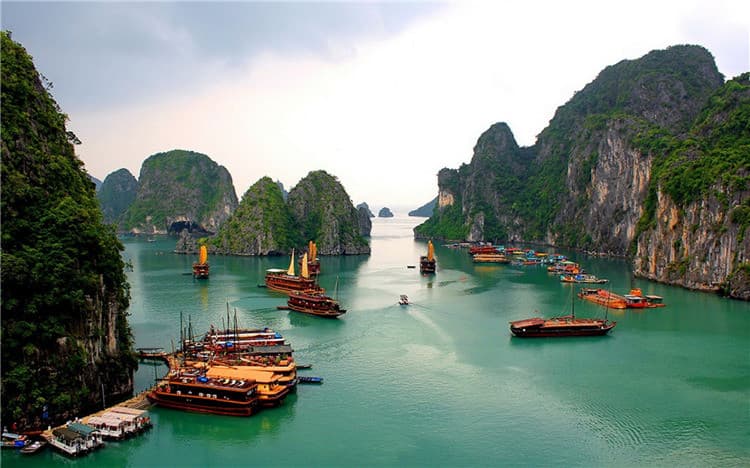
The first sight of Hạ Long Bay from the deck of a wooden junk is unforgettable. Dozens of limestone peaks rise out of calm green water, their cliffs covered in trees and vines. A day here might mean paddling a kayak into a quiet cove, stopping by a floating pearl farm, or walking through caves that smell faintly of salt and damp stone. When evening comes, the bay glows in the light of the setting sun. Stay overnight on the boat and you’ll hear it creak gently in the dark, before waking up to a misty, silent morning.
(2) Stroll Around Hội An’s Ancient Town
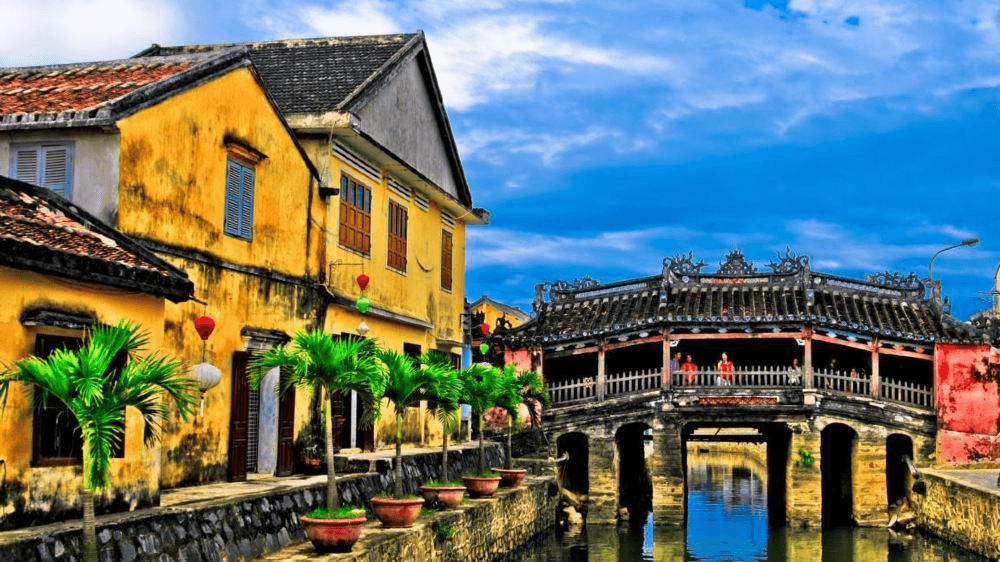
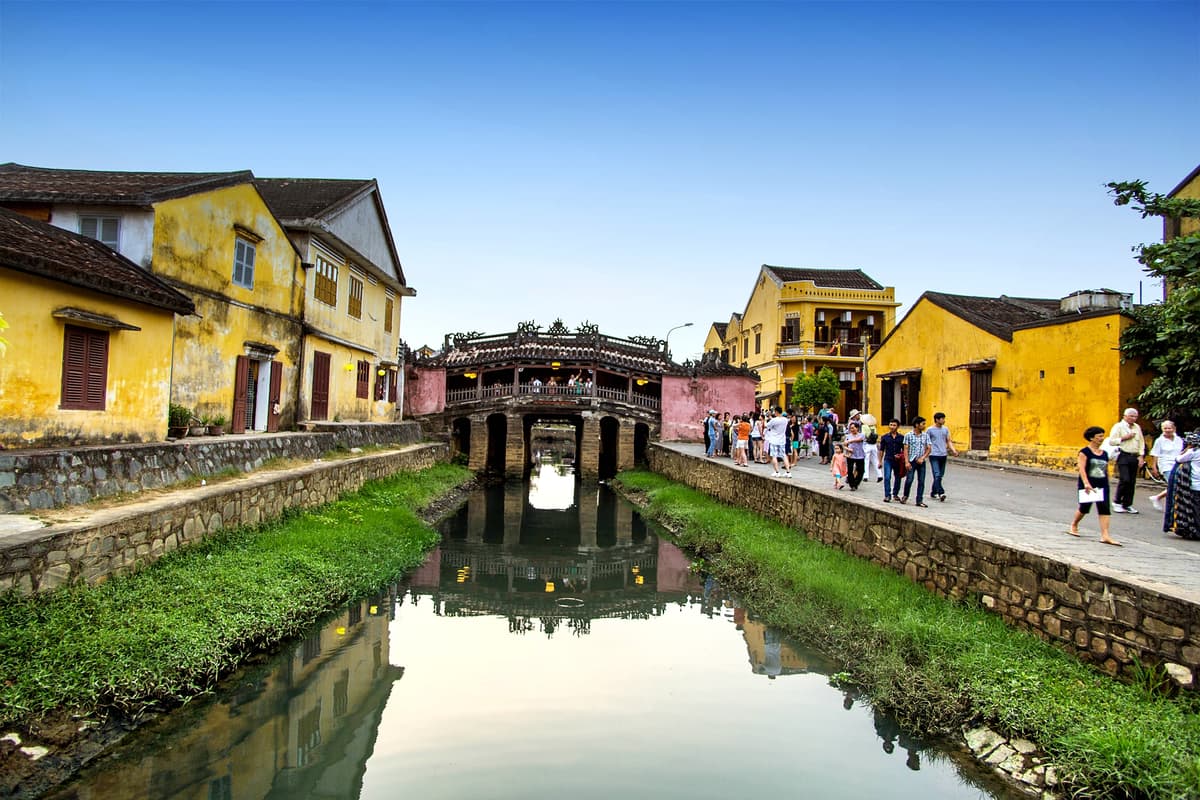
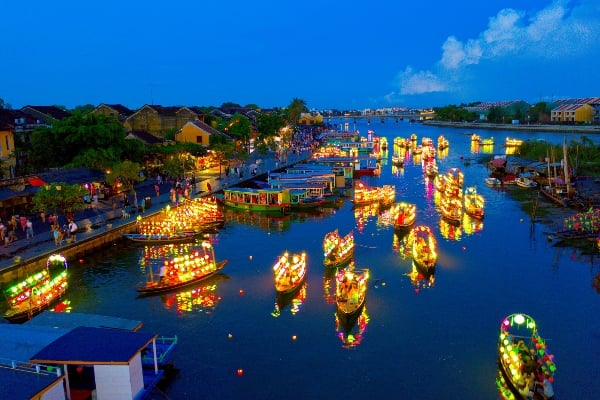
Hội An is all about atmosphere. Old wooden houses painted in warm yellow shades line narrow lanes, silk lanterns swing in the evening breeze, and the river reflects the lights of small cafés. Once an important port on the Silk Road, the town’s buildings show a mix of Vietnamese, Chinese, and Japanese styles. Visitors can join a lantern-making class or take part in a cooking lesson to prepare local dishes like cao lầu. At night, during the Lantern Festival, small candles float downstream, carrying people’s wishes away with the current.
(3) Trek Through Sapa
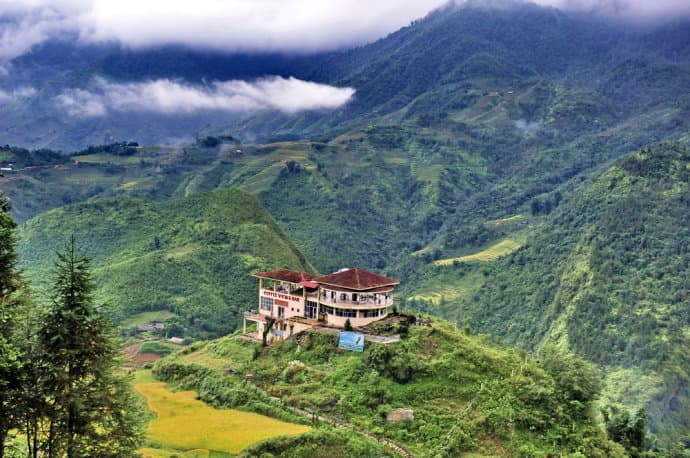
Up in the mountains, Sapa has a cooler climate and slower pace than the cities. Terraced rice fields stretch along the slopes in graceful lines, interrupted by villages where Hmong, Dao, and Tay families still wear traditional clothing and hand-make textiles. Trails vary from easy village walks to longer hikes through valleys and forests. Spending a night in a family’s home adds something special—sharing a simple dinner, sitting by the fire, and listening to local stories you won’t find in guidebooks.
(4) Visit the Imperial City of Huế
Huế reflects Vietnam’s royal past. The Citadel’s high walls and gates open onto halls, courtyards, and ponds where emperors once held ceremonies. Outside the main city, each emperor’s tomb tells its own story, designed with different styles and often set among gardens, pine trees, or lakes. While exploring, try Huế’s famous royal dishes, where the presentation is as important as the taste itself.
(5) Explore the Mekong Delta by Boat
In the Mekong Delta, the waterways are as busy as streets. At sunrise, floating markets come alive as boats loaded with fruit, vegetables, and herbs gather to trade. Vendors signal what they sell by tying goods to tall poles. A trip might include visiting a small family workshop making rice paper or coconut candy, or drifting past houses on stilts where children wave from the porches. The rhythm of the river slows everything down, giving the Delta a calm and timeless feel.
(6) Join Vietnam’s Festivals and Traditions
If your visit happens during Tết, the Vietnamese Lunar New Year, you’ll see the country at its most festive. Streets are decorated with peach blossoms and kumquat trees, families gather for big meals, and red and gold banners hang everywhere. In the Mid-Autumn Festival, children carry lanterns in parades, dragon dances weave through neighborhoods, and mooncakes filled with lotus seed paste or beans are exchanged among friends and relatives. Even taking part in a small way gives you a warm glimpse of local life.
Because Vietnam stretches more than 1,600 kilometers from north to south, the weather can feel very different depending on where you are. The best time to go really depends on which region you want to explore:
Spring (February–April): This is one of the most comfortable times of year. The weather is generally warm and dry across most of the country. In the north, the Tết holiday (Vietnamese New Year) fills the streets with flowers, markets, and family celebrations. Along the central coast, the beaches get plenty of sunshine, while the south often has bright blue skies.
Summer (May–August): A good season for people who love the beach. Central Vietnam—places like Da Nang, Nha Trang, and Quy Nhơn—has long days of sunshine. The north and south can get heavy afternoon showers, but mornings and evenings are usually clear, making it fine for sightseeing.
Autumn (September–November): Many travelers think this is the most beautiful time to visit. The skies in the north turn clear and cool, which makes it perfect for trekking in Sapa or sailing in Hạ Long Bay. Central Vietnam is green and fresh after the rains, and it’s usually less crowded than the summer months.
Winter (December–January): The north can get chilly, and Hanoi sometimes drops below 15°C. By contrast, the south stays warm and dry, ideal for exploring the Mekong Delta or relaxing on the beaches of Phú Quốc Island.
No matter when you go, mornings are often the most lively part of the day in Vietnam. Markets open early, the smell of hot bowls of phở drifts through the streets, and soft sunlight spreads across rice fields and rivers. Waking up early at least once will show you a side of the country that most visitors don’t see.
Visa & Entry
Most travelers need a visa before coming to Vietnam, but the process is not complicated. The official Vietnam e-Visa system lets you apply online, and approval usually comes within a few working days. The single-entry e-Visa is valid for 30 days, and if you plan to stay longer, you can apply for an extension once you’re in the country. If you know you’ll be leaving and re-entering, it’s better to get a multiple-entry visa through a Vietnamese embassy. It’s a good idea to keep both a printed and a digital copy of your visa, and sometimes immigration officers may also ask to see your onward ticket and hotel booking.
Getting Around
Domestic Flights: The fastest way to cross long distances. For example, the trip from Hanoi to Ho Chi Minh City takes about two hours.
Trains: The famous Reunification Express connects the north and south. The ride takes longer than flying, but the views of the coastline are worth it. Sleeper cabins are available on overnight journeys.
Buses & Minivans: Very affordable and connect almost everywhere, even smaller towns. “Open-tour” buses allow you to hop off at different stops along the way.
Motorbikes: Many travelers try this, but it’s best for people with proper riding experience and an international license.
Bicycles: Perfect for flat towns such as Hội An or for exploring rural backroads
Money & Payments
Vietnam uses the Vietnamese đồng (VND). Credit cards are accepted in big hotels, nicer restaurants, and some shops, but cash is still needed almost everywhere else—especially markets, food stalls, or in the countryside. ATMs are easy to find in cities but harder to locate in rural areas, so it’s smart to withdraw extra before heading out. Keep smaller notes ready for taxis, tips, and small purchases.
Language & Communication
Vietnamese is a tonal language and can be tricky to pronounce. In tourist areas, English is widely spoken, but in small towns and villages it’s less common. Knowing a few basic phrases helps a lot: Xin chào — Hello, Cảm ơn— Thank you, Bao nhiêu tiền?— How much?.
Packing Essentials
North: Bring warm clothes in winter, and lighter ones for the hot summer.
Central: Sunscreen, a hat, and light clothes are useful.
South: Thin, breathable clothing works best, plus insect repellent and a rain jacket during wet months.
Etiquette
When visiting temples or pagodas, dress modestly—shoulders and knees should be covered. Shoes must be removed before entering homes or religious sites. Public displays of affection are not common, especially in smaller towns and rural areas, so keeping behavior respectful is appreciated.
(1) Hạ Long Bay
Recognized by UNESCO as a World Heritage Site, Hạ Long Bay is famous for its calm green waters and thousands of limestone islands covered in trees. A trip on a wooden junk boat takes you past floating fishing villages, hidden lagoons, and impressive caves. If you stay overnight on the bay, you’ll see the sun slowly set behind the peaks and rise again over the quiet waters the next morning.
(2) Hội An Ancient Town
Once a busy trading port, Hội An reflects a mix of Vietnamese, Chinese, and Japanese culture. Today, visitors come to walk its narrow streets lit with colorful lanterns, browse tailor shops for custom-made clothes, and relax in riverside cafés. During the monthly Lantern Festival, the entire town glows under candlelight, creating a peaceful and almost dreamlike atmosphere.
(3) Sapa
Located in the northern mountains, Sapa is known for its rice terraces and the traditions of its ethnic minority communities. Trekking routes wind through valleys and villages where Hmong, Dao, and Tay families live. Staying in a homestay gives travelers a closer look at daily life and a chance to share a homemade meal.
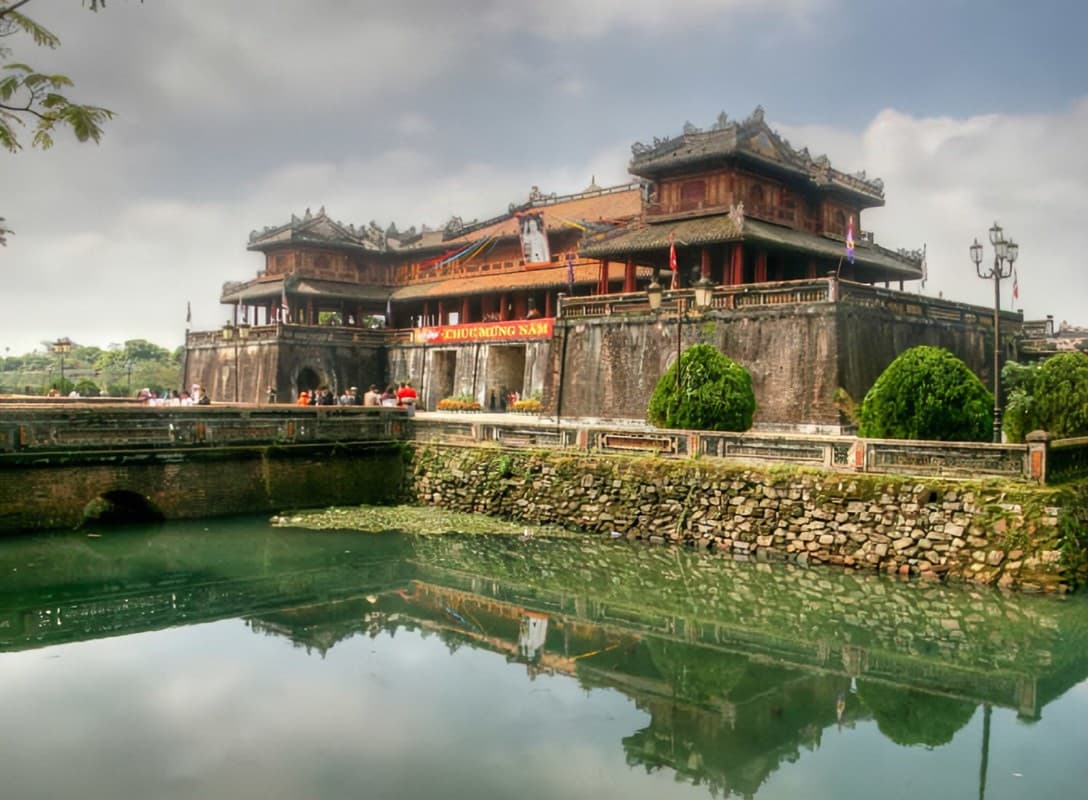
(4) Huế Imperial City
As the former imperial capital, Huế is home to the grand Citadel and the remains of the Forbidden Purple City. Beyond the city walls are the tombs of Nguyen emperors, each surrounded by gardens and lakes. A boat ride on the Perfume River at sunset offers one of the most relaxing views of the city.
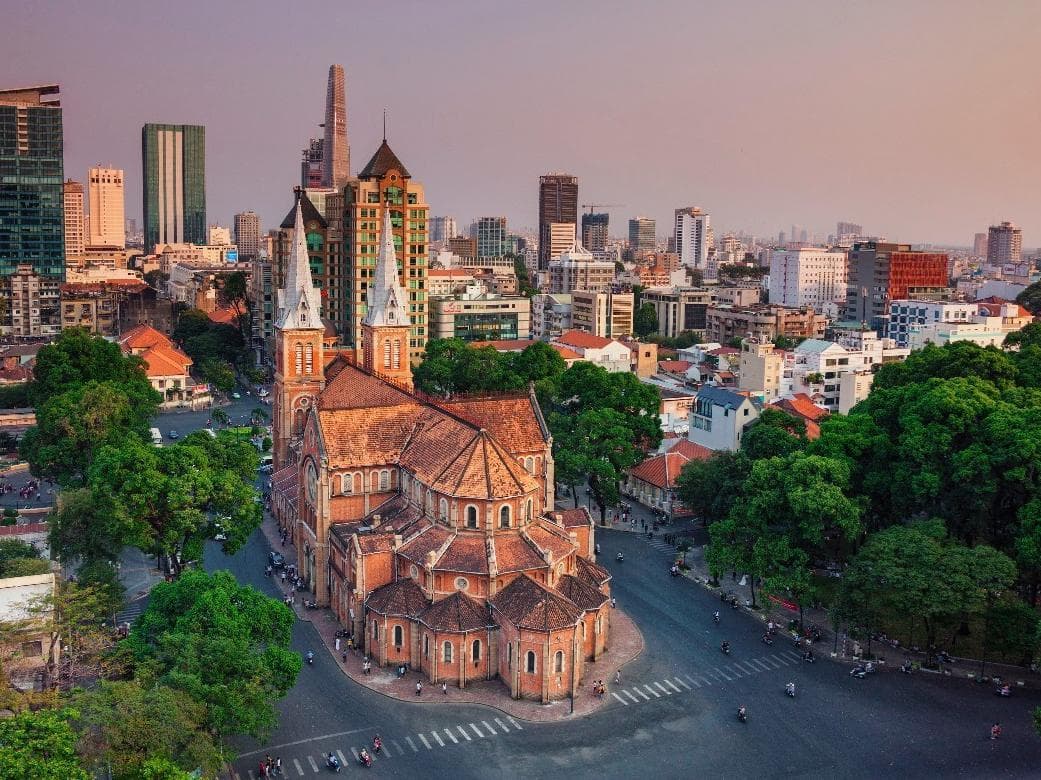
(5) Ho Chi Minh City
The country’s largest city is full of contrasts, with French colonial landmarks standing near modern skyscrapers. Highlights include the War Remnants Museum, the lively Bến Thành Market, and rooftop bars where you can see the skyline sparkle at night.
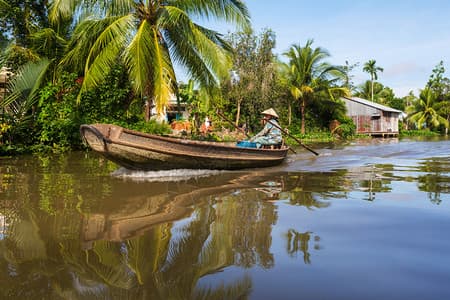
(6) Mekong Delta
Called Vietnam’s “rice bowl,” this region is crisscrossed with rivers and canals. Early in the morning, floating markets are crowded with boats selling fruit, vegetables, and flowers. Visitors can explore villages, stop at small Buddhist temples, and taste tropical fruit picked fresh from local orchards.
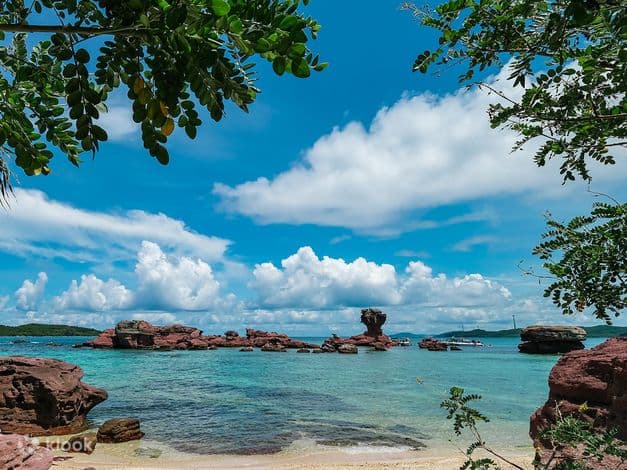
(7) Phú Quốc Island
A tropical getaway with long sandy beaches and clear waters, Phú Quốc is ideal for snorkeling and diving. The island is also known for its pepper farms and fish sauce production. Evenings here are memorable, with sunsets that turn the entire horizon into shades of gold and red.
Vietnamese food is known for its balance of flavors—sweet, sour, salty, and fresh—brought together with lots of herbs and vegetables. Meals are usually shared among family or friends, making dining both tasty and social.
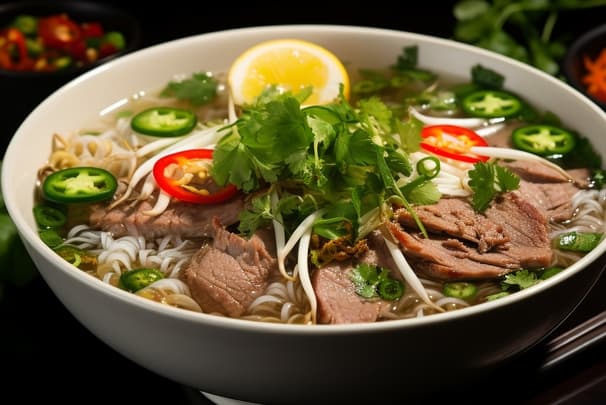
(1) Phở
Perhaps the most famous Vietnamese dish, phở is a noodle soup with broth that has been simmered for hours with spices like star anise and cinnamon. It can be served with beef or chicken, always topped with fresh herbs, lime, and chili. Many locals enjoy it for breakfast at small street stalls, which is the most authentic way to try it.
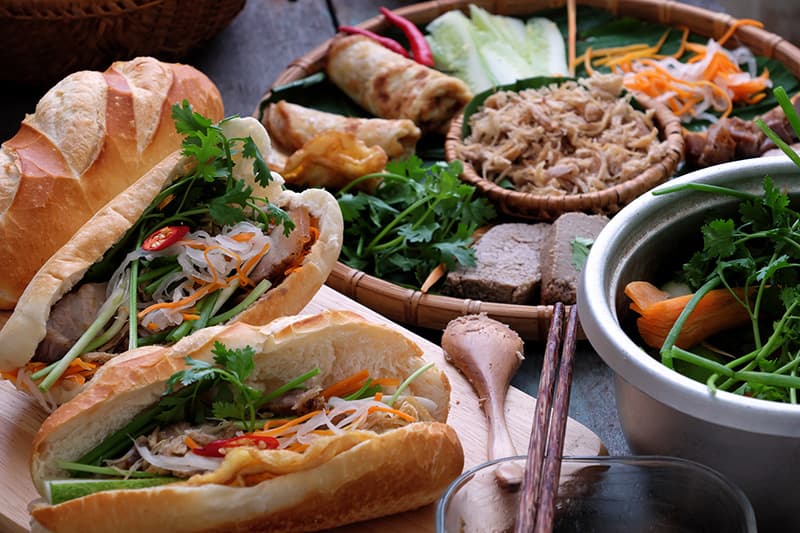
(2) Bánh Mì
This Vietnamese sandwich uses a crunchy baguette filled with grilled meat, pâté, pickled vegetables, cilantro, and chili sauce. Different regions add their own touch—some versions are spicier, while others lean sweeter.
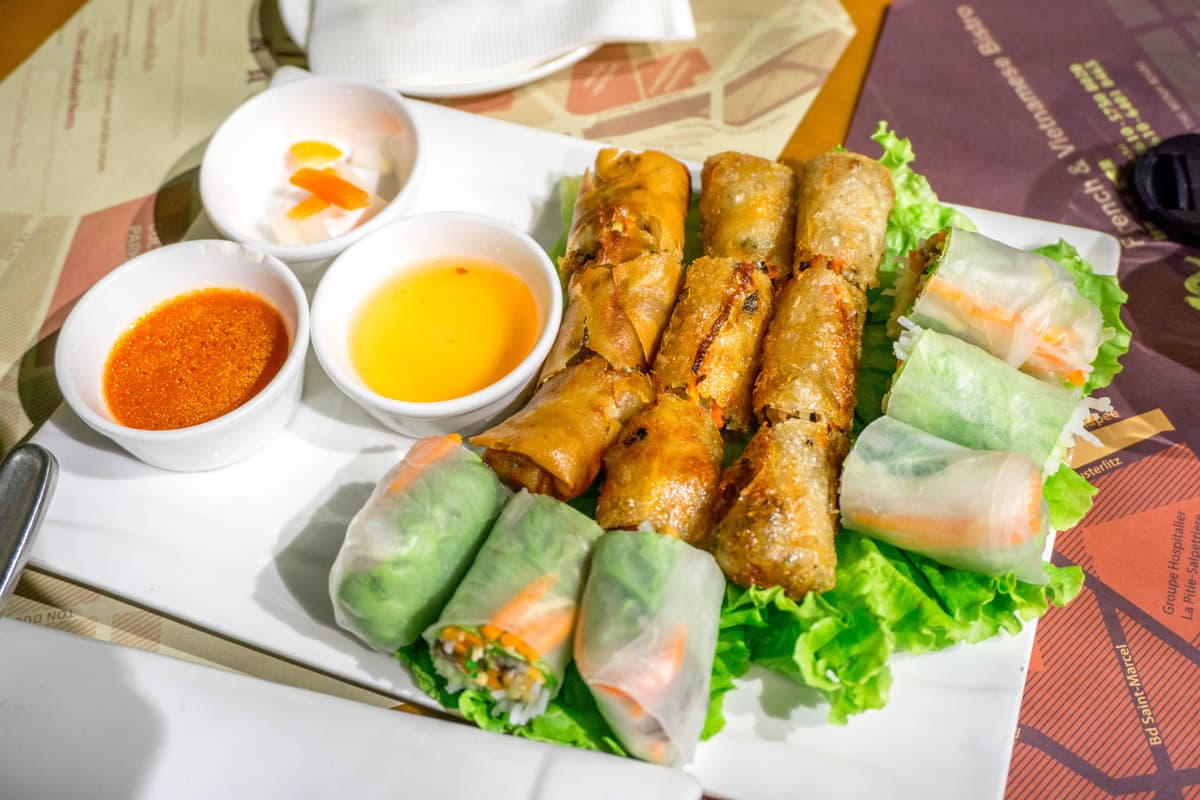
(3) Gỏi Cuốn (Fresh Spring Rolls)
These light rolls are made with rice paper and filled with shrimp, pork, noodles, and herbs. They’re usually served with a dipping sauce such as peanut or hoisin, making them a refreshing snack or appetizer.
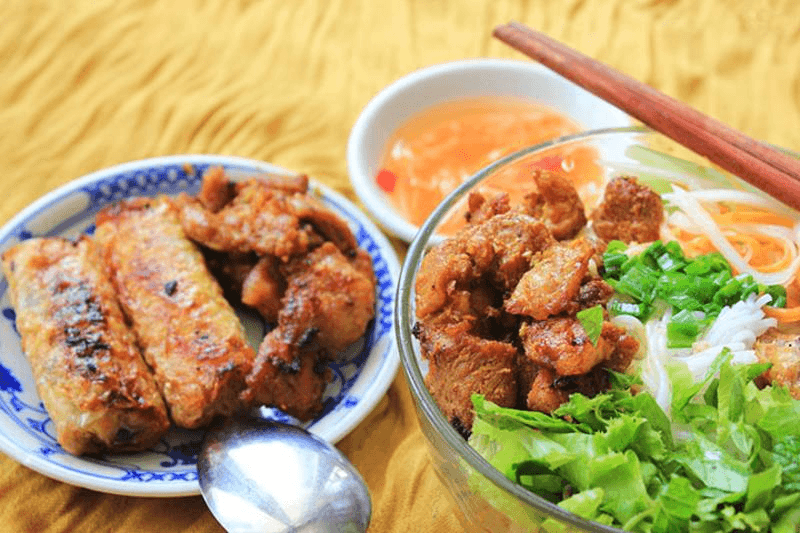
(4) Bún Chả
A specialty from Hanoi, this dish combines grilled pork with rice noodles, fresh herbs, and a dipping sauce made from fish sauce, lime, and vinegar. It’s especially popular for lunch.
(5) Vietnamese Coffee
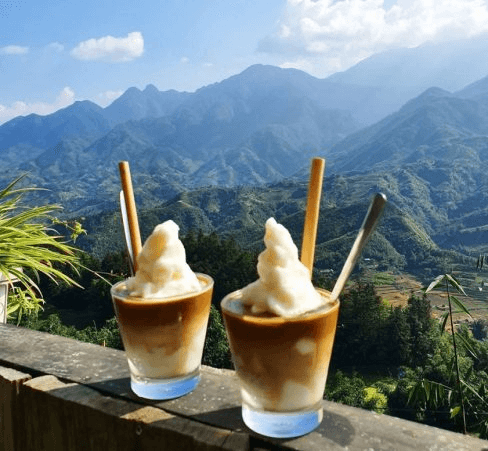
Coffee in Vietnam is brewed strong, often mixed with sweetened condensed milk. Cà phê sữa đá is served iced, while cà phê sữa nóng is the hot version. In Hanoi, you can also try cà phê trứng (egg coffee), made by whisking egg yolk into the brew, giving it a creamy, dessert-like taste. Drinking coffee here is usually unhurried, often enjoyed in small cafés while watching street life pass by.
How much time should I spend in Vietnam to get a good experience?
It really depends on your pace. With about a week, you can focus on one region, such as the north (Hanoi, Hạ Long Bay, Sapa) or the south (Ho Chi Minh City, Mekong Delta). Two weeks or more give you time to travel from north to south and see the variety of landscapes and cultures.
What’s the most practical way to move between cities?
Flying is the fastest for long routes, but trains and buses are good alternatives. The Reunification Express train takes longer but gives you a close-up view of the countryside. Buses are cheaper and reach smaller towns. For short trips, taxis and apps like Grab are convenient.
Is mobile internet reliable in Vietnam?
Yes. SIM cards are cheap and easy to buy at airports or convenience stores. Coverage is good in most cities and towns, though it may drop in remote mountain areas. Many cafés and hotels also have free Wi-Fi.
How much money do I need per day?
If you travel on a budget, $25–35 per day is enough. Mid-range travelers usually spend around $50–80 daily. If you stay in resorts or take private tours, the cost will be higher.
Are there local customs I should respect?
Yes. Take off your shoes before entering homes or temples. Dress modestly when visiting religious sites. Handing things with both hands is polite, and avoid touching people on the head.
What are the main festivals in Vietnam?
The biggest is Tết (Lunar New Year), usually in January or February, when families reunite and the streets are decorated with flowers. Another important one is the Mid-Autumn Festival, with lanterns, lion dances, and mooncakes. Both are lively times to visit.
How does tipping work in Vietnam?
Tipping isn’t required but is appreciated. In restaurants, 5–10% is generous. Guides, drivers, or hotel staff are often given small tips.
Can I join cultural activities like cooking classes or workshops?
Yes. In major cities and in Hội An, many cooking schools offer classes where you first shop in a local market, then cook dishes like phở or bánh xèo. Lantern-making and handicraft workshops are also popular.
Are you interested in this tour?
This tour can be tailored.
Ho-Chi-Minh-Cu-Chi-My-Tho
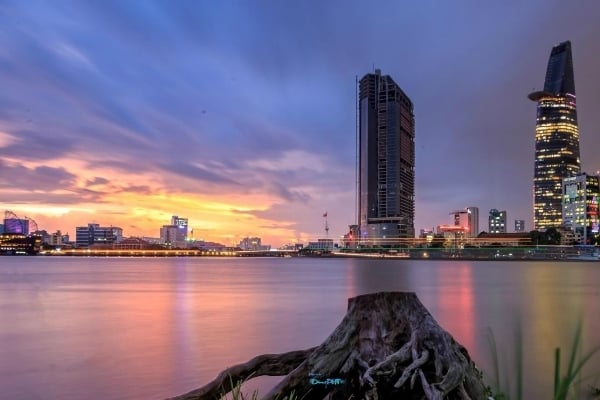
This 4-day Ho Chi Minh City tour blends history and culture, starting with colonial landmarks like the Central Post Office and Notre-Dame Cathedral. Day 2 features Cu Chi Tunnels' wartime legacy, a nostalgic Cyclo tour, and Café Apartment's hip cafes, followed by a Saigon River dinner cruise. Day 3 offers an optional Mekong Delta excursion with boat rides, fruit gardens, and traditional cuisine. Stay at Blue Diamond Hotel throughout, concluding with free time before returning to Kuala Lumpur. Highlights include Vietnam’s wartime history, local crafts, riverside dining, and Mekong rural life.
Da-Nang-Hoian-Bana-Hill
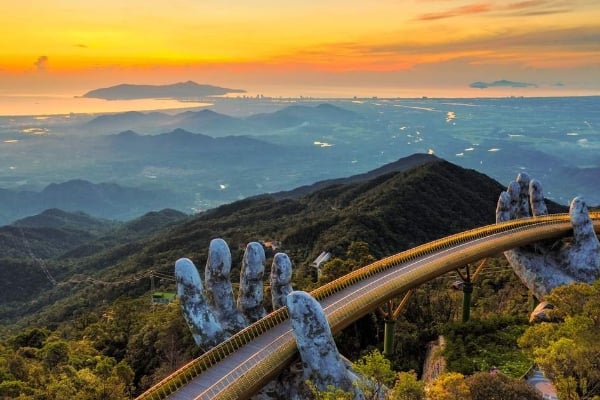
This Vietnam tour combines Ho Chi Minh City's wartime history (Cu Chi Tunnels, Cyclo Tours) with Da Nang's UNESCO heritage (Hoi An, Ba Na Hills). Enjoy Mekong Delta excursions, Saigon River cruises, coconut village boat rides, and cultural gems like Hue Citadel. Stay in 4-star hotels, blending history, nature, and luxury.
Hanoi-Sa-Pa-Mountain-Fansipan
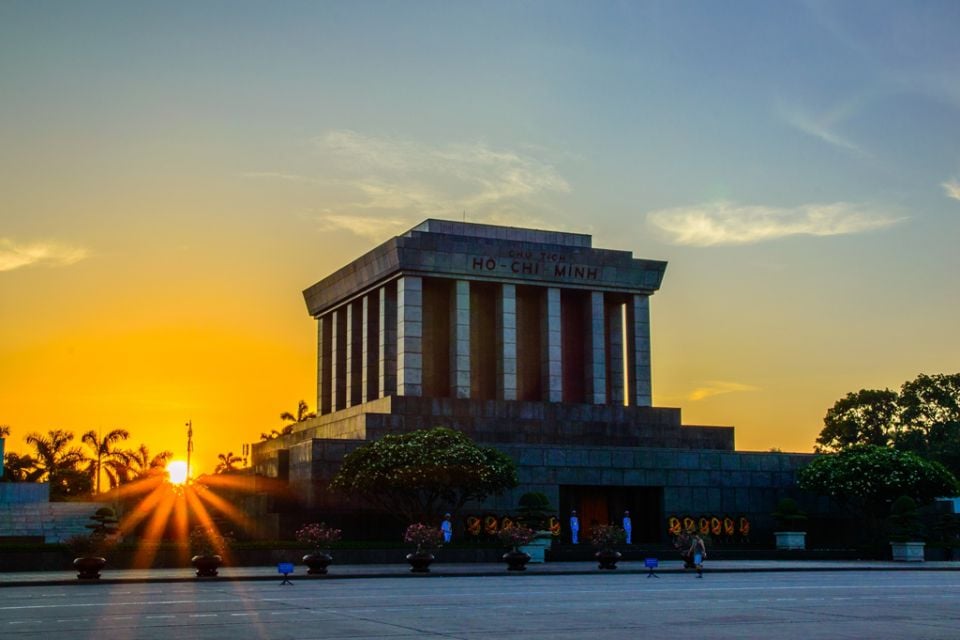
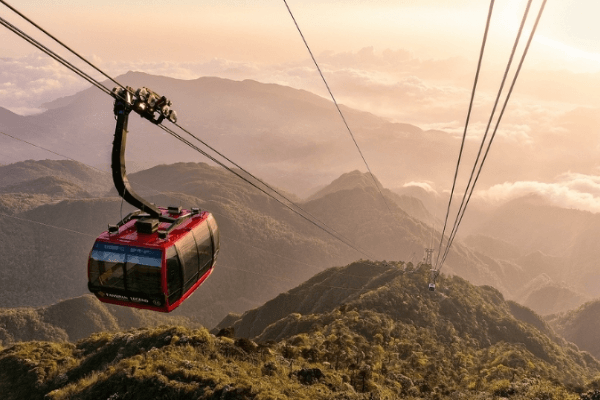
This immersive Vietnam itinerary begins in Hanoi with visits to Zhen Guo Temple, Hoan Kiem Lake, and a traditional Water Puppet Show. Travellers then head to Sapa, exploring ethnic Cat Cat Village and conquering Fansipan Mountain via the world's highest cable car, followed by the Cloud Dragon Skywalk's glass bridge. The return to Hanoi features Ba Dinh Square, One Pillar Pagoda, and Ho Chi Minh's Mausoleum. Blending cultural treasures like Hanoi’s Old Quarter with natural wonders such as Sapa's mountain valleys, and the UNSECO listed Halong Bay the tour offers a unique blend of history, local traditions, and breathtaking landscapes, staying at 4-star hotels throughout.
Dalat-Nha-Trang-Datanla-Waterfall
This immersive 5-day itinerary begins in Kuala Lumpur, flying to Nha Trang before heading to the highland city of Dalat. Highlights include Dalat’s iconic Crazy House, historic Bao Dai Summer Palace, scenic Datanla Waterfall (with roller coaster rides), and vibrant Flower Gardens. Cultural stops span Po Nagar Cham Tower, Linh Phuoc Pagoda, and Truc Lam Zen Monastery with cable car views. Nights are spent at 4-star hotels, with leisure time exploring Dalat’s night market or relaxing in Nha Trang. Optional tours offer island-hopping or Vinpearl Land’s amusement park. The trip blends nature, history, and local culture.
Hanoi-Da-Nang-Saigon
This 8-day Vietnam journey immerses travelers in the nation's cultural heart and natural wonders. Starting in Hanoi, explore landmarks like the Temple of Literature and Ho Chi Minh Mausoleum, then cruise UNESCO-listed Halong Bay, kayaking amid limestone karsts . Fly to Hoi An to wander its lantern-lit ancient town, visit heritage houses, and experience coconut basket boat rides in Cam Thanh village . In Ho Chi Minh City, delve into wartime history at the Cu Chi Tunnels , followed by a Mekong Delta excursion to Cai Be's floating markets and coconut workshops . Blending heritage sites, immersive activities, and authentic cuisine, this trip captures Vietnam's dynamic spirit from north to south.