
Table of Contents
As one of the world's oldest continuous civilizations, China's rich history spans over 5,000 years, unfolding through dynasties of innovation, artistry, and profound cultural achievements. This is a land where determined and visionary ancestors laid the foundations of a glorious civilization, leaving behind awe-inspiring monuments that still stand today. Marvel at the Great Wall, winding across mountains like a stone dragon; stand in reverence before the Potala Palace, a Himalayan jewel of Tibetan Buddhism; or wander the Forbidden City, where emperors once ruled amidst golden roofs and crimson walls.
China's legacy extends far beyond architecture. It is the birthplace of the Four Great Inventions—the compass, papermaking, gunpowder, and movable-type printing—which revolutionized the world. Its philosophers, like Confucius, shaped moral thought, while poets and writers produced timeless classics now translated globally. Traditional arts flourish alongside modernity: ink painting captures nature's essence, martial arts embody discipline, and the clatter of mahjong echoes in lively gatherings.
Yet China is not frozen in history. In vibrant cities like Beijing, Shanghai, and Guangzhou, gleaming skyscrapers tower beside ancient hutongs, and festive red couplets—handwritten in calligraphy—adorn high-tech office doors. Here, centuries-old traditions blend seamlessly with 21st-century dynamism. Whether savoring delicate dim sum, practicing morning tai chi, or admiring a futuristic skyline, visitors experience a culture both deeply rooted and constantly evolving.
Come discover China—where every corner tells a story, and the past walks hand in hand with the future.
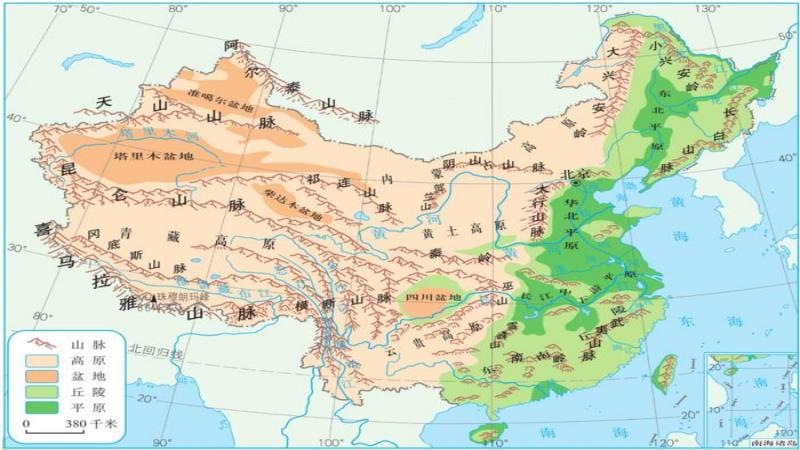
Stretching across vast East Asia, China stands as one of the world's most magnificent and geographically diverse nations. With a sprawling territory of 9.6 million square kilometers and a population of around 1.4 billion, this ancient land offers an astonishing variety of landscapes—from the towering, snow-capped peaks of the Himalayas to the sweeping plains of the east, from the rugged plateaus of Tibet to the lush river valleys of the south.
Nearly one-third of China's terrain is dominated by majestic mountain ranges, including the legendary Himalayas, home to Mount Everest, the highest point on Earth, as well as the awe-inspiring Tian Shan and Kunlun Mountains. These western highlands give birth to China's two lifelines—the mighty Yangtze River, the longest in the country, and the revered Yellow River, often called the "Cradle of Chinese Civilization".
This extraordinary diversity in geography has shaped unique ways of life across the nation, blending ancient traditions with modern dynamism. Today, China presents a fascinating contrast—tranquil rural villages where time seems to stand still, vibrant towns buzzing with local culture, and glittering metropolises like Shanghai and Beijing, where innovation and tradition thrive side by side.
Whether you seek adventure in untamed wilderness, cultural immersion in historic landscapes, or the pulse of urban energy, China promises an unforgettable journey through some of the planet's most spectacular scenery.
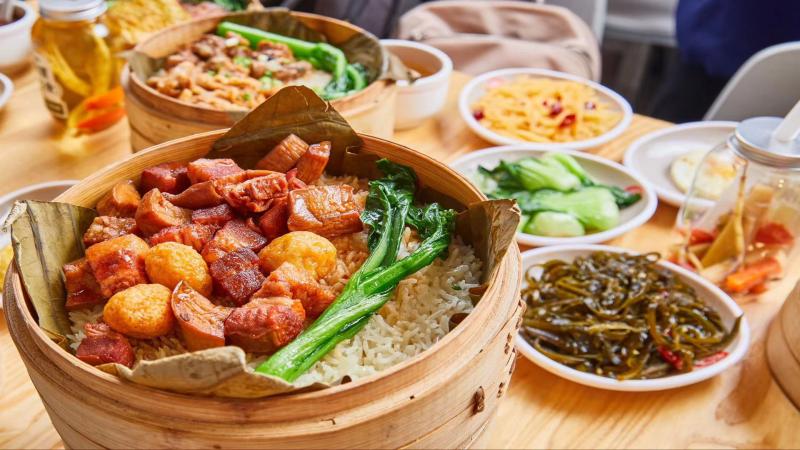
China's vast landscape creates a rich tapestry of regional flavors. Northerners favor salty dishes, while southerners enjoy sweeter tastes; eastern regions lean toward sour notes, and the west loves bold spices. Rice dominates southern meals, while wheat-based foods like noodles and dumplings are staples in the north. Chinese cooking masters techniques like stir-frying, steaming, and braising, always balancing color, aroma, taste, and presentation.
Must-Try Dishes:
Peking Duck (Beijing)—Crispy, succulent roast duck
Pan-Fried Baozi (Shanghai)—Juicy pork buns with a golden crust
Spicy Hot Pot (Chengdu)—Fiery broth for dipping meats and veggies
Dim Sum (Hong Kong/Guangzhou)—Bite-sized steamed or fried delights
If you crave familiar tastes, Western restaurants are readily available in CBD.
Sip & Savor
Tea is a Chinese staple—green, herbal, black, and oolong are favorites. Don't miss local drinks like Baijiu (strong liquor), or Tsingtao Beer.
Dining Etiquette Tips
-Seat elders first and offer them the menu or a drink as a sign of respect.
-Spin the lazy Susan gently—only when others aren't serving themselves.
-Hold your cup with both hands when toasting.
-Avoid pointing chopsticks at others or sticking them upright in rice (a funeral symbol).
-Embrace the flavors and customs for an authentic taste of China!
China is a shopper's paradise, offering everything from glittering megamalls in Beijing and luxury boutiques in Shanghai to charming rural markets in hidden gems across the country. Here are the must-buy souvenirs:
(1) Silk—The Fabric of Emperors
As the birthplace of silk, China offers the finest quality—from flowing scarves to elegant qipaos (traditional dresses). Lightweight and luxurious, it's the perfect gift.
(2) Tea—Liquid Gold
Take home the world's finest teas, like fragrant Dragon Well green tea, rich Keemun black tea, or earthy Big Red Robe oolong. Each sip carries centuries of tradition.
(3) Calligraphy—Art in Motion
Considered China's highest visual art, calligraphy makes a timeless keepsake. Get a scroll with your name or a classic proverb brushed in ink.
(4) Chinese Knots—Luck in Your Hands
These intricate red cord designs symbolize happiness and prosperity. Hang one at home or gift it for good fortune.
(5) Paper-Cut Art—Delicate Masterpieces
Hand-cut from red paper, these stunning designs feature animals, flowers, and folklore scenes—ideal for adding a touch of Chinese culture to your walls.
Pro Tip: Bargain politely at markets, but fixed prices are common in malls. Happy hunting!

China's vast landscape and diverse climate offer unique experiences all year round! From snowy winters in the north to tropical sunshine in the south, here's your essential weather guide to help you pack wisely and travel smartly.
(1) Spring (March—May)
Weather: Mild but unpredictable—cool mornings, warm afternoons, and occasional rain.
Where to Go:
Beijing & Shanghai: Pleasant temperatures (10°C–20°C), perfect for the Great Wall or Huangpu River cruises.
Guilin & Yangshuo: Lush greenery and misty karst mountains—pack a light jacket for drizzles.
Tip: Layered clothing is key! A compact umbrella will save the day.
(2) Summer (June—August)
Weather: Hot & humid (25°C–38°C), with monsoon rains in the south.
Where to Go:
Tibet & Qinghai: Escape the heat—cool high-altitude breezes (15°C–25°C).
Hainan Island: Tropical beaches (but watch for typhoons in August!).
Tip: Sunscreen, hats, and breathable fabrics are must-haves. Hydrate often!
(3) Autumn (September—November)
Weather: The best season—crisp air, golden foliage, and minimal rain.
Where to Go:
Jiuzhaigou Valley: Vibrant autumn colors reflected in turquoise lakes.
Xi'an & the Silk Road: Comfortable hiking weather (10°C–22°C).
Tip: Nights get chilly—bring a cozy sweater for evening strolls.
(4) Winter (December—February)
Weather: Freezing in the north (-10°C to 5°C), mild in the south (5°C–15°C).
Where to Go:
Harbin Ice Festival: Subzero temps but magical ice sculptures!
Yunnan & Hong Kong: Winter sun with daytime highs around 18°C.
Tip: Thermal wear + waterproof boots for northern cities; a light jacket suffices in the south.
Regional Alerts!
Typhoon Season (May–Oct): Affects coastal areas like Guangdong & Fujian—check forecasts.
High-Altitude Zones (e.g., Tibet): Rapid temperature drops—dress in layers!
Final Advice: China's weather varies wildly! Always check local forecasts before your trip. Whether you're chasing apricot blossoms or skiing down snowy slopes, packing right ensures a smooth adventure.
Navigating China is easy and efficient with its world-class transport network! Here's what you need to know:
(1) Public Transport
Metro/Buses: Affordable and widespread in cities like Beijing, Shanghai, and Guangzhou. Get a rechargeable transit card (e.g., "Yikatong" in Beijing) for convenience.
Taxis/Ride-hailing: Use apps like Didi (China's Uber). Always ensure the meter is on or agree on fares upfront for taxis.
(2) High-Speed Trains
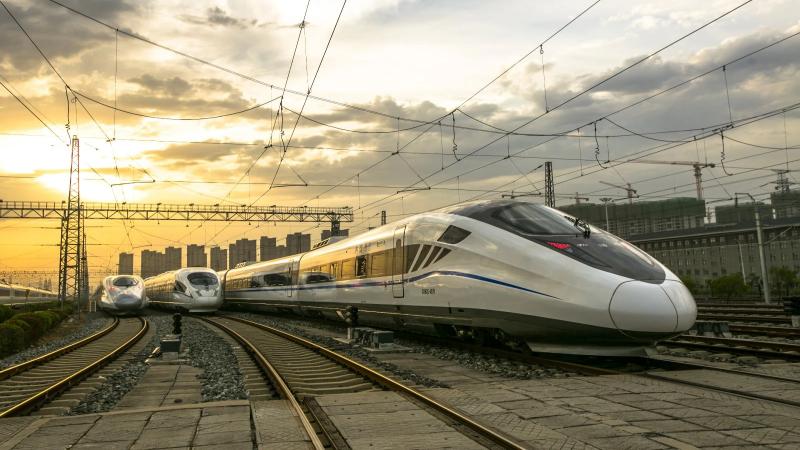
Bullet trains (G/D-class) connect major cities—fast, clean, and punctual! Book tickets via 12306.cn or apps like Trip.com.
(3) Domestic Flights
Great for long distances. Major airlines (Air China, China Eastern) are reliable. Arrive early for security checks.
Rules & Tips
ID/Passport: Always carry it—required for tickets and checks.
Seat Belts: Mandatory in cars; fines apply for violations.
Bike Sharing: Use Mobike/HelloBike for short trips—park in designated zones!
Etiquette
Queue orderly for metros/buses. Priority seats are for seniors/pregnant travelers.
Pro Tip: Download AMap or Baidu Maps for real-time navigation. Enjoy your smooth ride across China!
To ensure a safe and healthy tour, we recommend getting vaccinated against common contagious diseases before your trip to China, including Hepatitis A & B, Japanese encephalitis, Rabies, Typhoid, Tetanus, Diphtheria, and Measles. The vaccines you choose may vary depending on your travel duration, destinations, and personal health condition. For extra precaution, bring a medical record listing your blood type, current medications, allergies, and any chronic conditions—this will be helpful in case of emergencies.
While tap water is widely available in China, it is not safe to drink directly. Always opt for boiled, filtered, or bottled water, which can be easily purchased at convenience stores, supermarkets, and hotels.
Chinese cuisine is delicious, but unfamiliar ingredients and spices may sometimes cause stomach discomfort. If you have a sensitive stomach, consider carrying basic digestive medicine as a precaution, even when eating well-cooked and hygienically prepared food.
By taking these simple steps, you can focus on enjoying your trip without unnecessary health concerns. Stay safe and have a wonderful time exploring China!
Are you interested in this tour?
This tour can be tailored.

