
China's boundless passion for food has given birth to one of the world's most diverse and captivating culinary landscapes. From the fiery spices of Sichuan to the delicate seafood of Fujian, every region tells its own delicious story through signature flavors and time-honored cooking traditions. This gastronomic adventure takes you through China's eight great regional cuisines—each offering unforgettable dishes that will leave your taste buds longing for more.
The depth of Chinese cuisine comes from the country's vast geography and rich cultural exchanges over centuries. Every province has developed its own distinctive style, creating a spectacular mosaic of flavors. Whether you're savoring the numbing heat of Sichuan's hot pot, the refined sweetness of Jiangsu's braised dishes, or the earthy simplicity of Anhui's mountain fare, each bite reveals a new chapter in China's culinary heritage. Prepare to embark on a mouthwatering exploration where every meal becomes a highlight of your travels.
Table of Contents
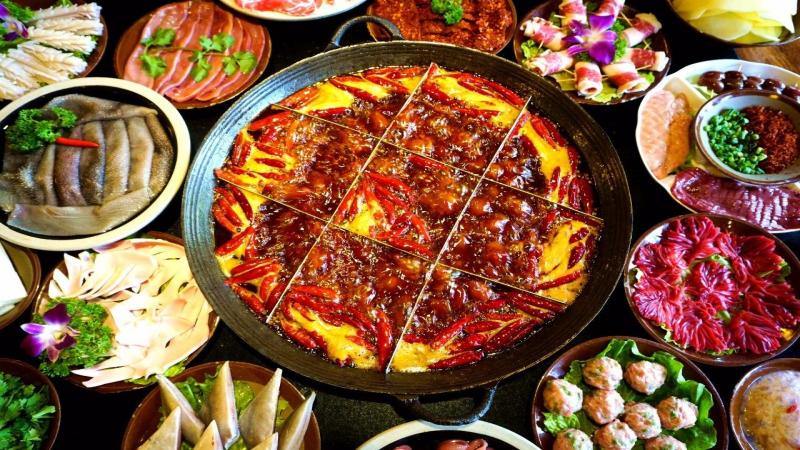
Prepare your taste buds for an electrifying culinary adventure with Sichuan cuisine, China's most thrilling flavor experience! Famous for its bold, tongue-tingling spices, this UNESCO-listed gastronomic tradition from China's southwest will take you on a rollercoaster ride of sensations—from the signature "mala" (numbing and spicy) kick to surprising sweet and sour undertones.
The magic begins with Sichuan's holy trinity of flavors: fiery red chilies, mouth-numbing Sichuan peppercorns, and fragrant garlic-ginger pastes. Watch in awe as chefs work their woks at lightning speed to create classics like mapo tofu—silken bean curd swimming in a dangerously delicious chili-oil sauce topped with minced pork. Don't miss the iconic hotpot experience, where you'll dip everything from ox tongue to lotus root into a bubbling cauldron of chili-infused broth that keeps your lips buzzing for hours.
This is food that tells stories—of ancient spice road traders, imperial banquet chefs, and modern culinary rebels. Every bite delivers what Sichuanese proudly call "a hundred dishes, a hundred flavors". Come hungry, bring tissues for the happy tears, and surrender to what might just be the world's most exciting cuisine. Just remember the local saying: "If it's not spicy, it's not a meal"!
Step into the world of Guangdong's culinary mastery, where freshness reigns supreme and flavors dance in perfect harmony. Renowned as China's most globally beloved cuisine, Cantonese cooking elevates simple ingredients into extraordinary delicacies through precise techniques perfected over centuries.
The magic begins each morning at bustling wet markets, where chefs select just-caught seafood, crisp vegetables, and free-range meats for their daily creations. Watch in awe as masters wield their woks to create signature dishes like honey-glazed char siu pork with its glossy crimson crust, or steamed whole fish so fresh it practically leaps from the plate. The legendary dim sum tradition transforms lunch into a movable feast—follow the aroma of bamboo steamers to discover plump har gow (shrimp dumplings) with translucent skins, or fluffy barbecue pork buns that burst with sweet-savory goodness.
What truly sets Cantonese cuisine apart is its philosophy of "clear but not bland, fresh but not vulgar". From humble congee breakfasts to lavish banquet dishes, every meal celebrates the region's access to tropical ingredients and maritime bounty. As the saying goes: "the best eating is in Guangzhou"—come taste why this refined yet approachable cuisine has conquered palates worldwide while staying true to its roots. Just remember to pace yourself—with over 5,000 documented dishes, this is a culinary tour that could last a lifetime!

Journey to the birthplace of Confucius and discover Shandong cuisine—one of China's most influential culinary traditions that has shaped imperial banquets and everyday comfort food for over 2,500 years. As the cornerstone of northern Chinese cooking, this robust yet refined cuisine from China's eastern peninsula will surprise you with its masterful balance of salty, savory, and subtly sweet flavors.
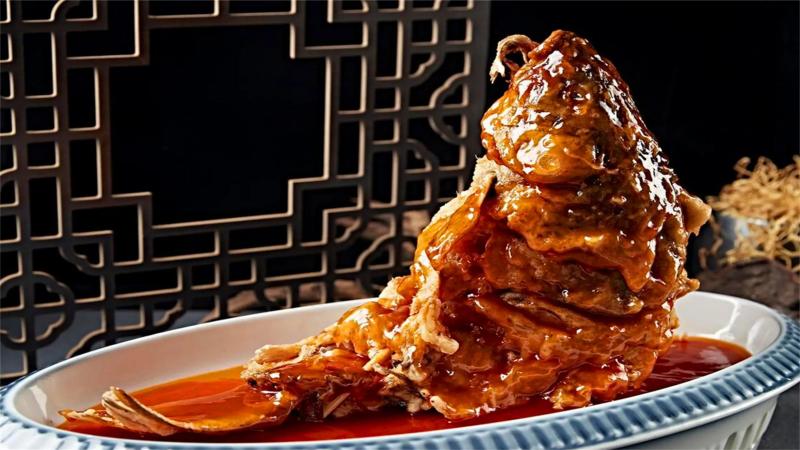
The secret lies in Shandong's golden triad of cooking techniques: explosive wok-frying, savory braising, and the art of crafting crystal-clear soups. Watch chefs perform culinary magic as they quick-fry tender prawns that curl into perfect "pearl" shapes or slow-braise the famous "Nine Intestines Turn" dish until it achieves sublime tenderness. Don't miss the chance to taste the world's earliest recorded "fusion" dish—sweet-and-sour carp, created here during the Song Dynasty with a crispy exterior giving way to flaky, vinegary-sweet flesh.
What truly distinguishes Shandong cuisine is its reverence for ingredients in their purest form. As the local saying goes: "each dish has its own distinct flavor, a hundred dishes never repeat". From elaborate Confucian banquet dishes to hearty peasant fare, every bite carries the weight of history and the soul of northern China's culinary heritage. Come with an empty stomach and leave with a new understanding of why this was the cuisine that fed emperors and philosophers alike!
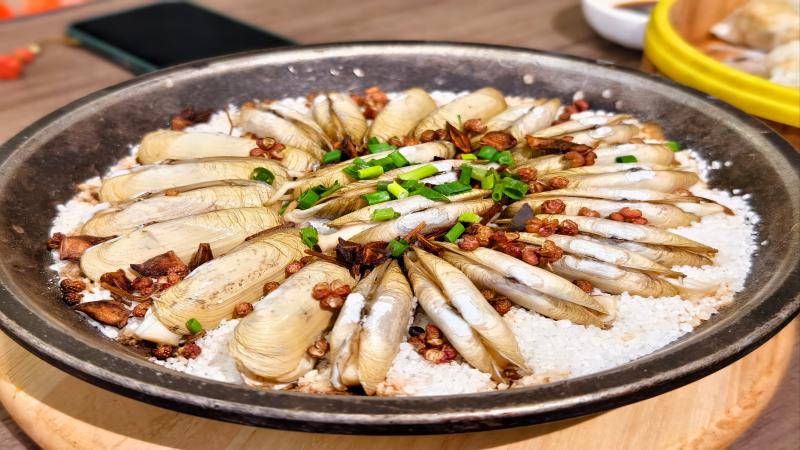
Dive into the coastal poetry of Fujian cuisine, where mountain and sea unite to create China's most delicately nuanced flavors. This hidden gem of Chinese gastronomy from the southeastern shores will enchant you with its "mellow yet profound" taste philosophy, perfected over centuries by seafaring communities and tea-growing villages.
The magic begins with Fujian's legendary knife skills—witness chefs transform ingredients into feather-light "Buddha Jumps Over the Wall" soup, containing over 30 ingredients including abalone, shark fin, and quail eggs, all simmered in a ceramic jar until the aromas make monks leap temple walls. Marvel at paper-thin fish slices that curl into chrysanthemum shapes when dipped in broth, or the famous "drunken" dishes where seafood marinates in premium Fujian rice wine.
What truly sets this cuisine apart is its obsession with umami, achieved through masterful use of:
- Hongzao (red yeast rice) for color and depth
- Shacha sauce (seafood-based paste) for smoky complexity
- Bamboo shoots harvested at dawn for crisp sweetness
The Fujianese dining experience reaches its peak with traditional banquet culture, where sweet, sour, salty and savory flavors appear in careful sequence like tidal rhythms. As the local proverb says: "70% ingredient quality, 30% cooking skill". Come and taste this aquatic symphony—best paired with a cup of Iron Goddess oolong!
Let the delicate flavors of Zhejiang cuisine transport you to misty lakes and bamboo forests of China's cultural heartland. Celebrated as "China's most poetic gastronomy", this refined culinary tradition from the Yangtze Delta weaves together freshwater bounty, seasonal mountain harvests, and centuries of literati elegance into every bite.
Witness chefs perform edible alchemy as they transform humble ingredients into stunning dishes:
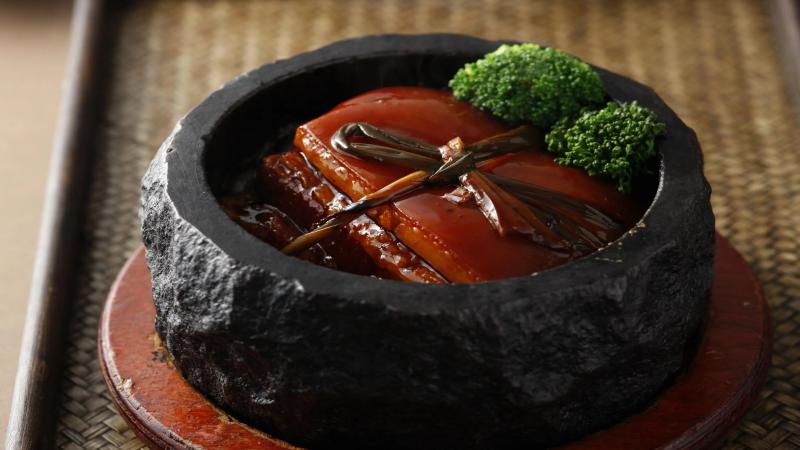
-Dongpo pork—Named after a Song Dynasty poet, this caramelized belly meat melts like butter after hours of wine-steaming
-Longjing tea shrimp—Where China's most famous green tea lends its fragrance to plump river crustaceans
-Beggars chicken—Clay-baked with lotus leaves to create the ultimate aromatic surprise
What makes Zhejiang cuisine extraordinary is its "light yet not bland, fresh yet not raw" philosophy. Seasonal vegetables shine in dishes like stir-fried bamboo shoots with Xianggu mushrooms, while signature soups like "Thousand-layer clear broth" demonstrate why this was the favored cuisine of Chinese emperors and scholars.
Complete your tour with a taste of Hangzhou's sweet osmanthus cakes or Shaoxing's fermented rice balls floating in warm broth. As the ancient saying goes: "Above is paradise, below are Suzhou and Hangzhou"—come discover why Zhejiang's edible poetry continues to inspire food lovers centuries later!
Prepare to dine like royalty as you discover Jiangsu cuisine—China's most sophisticated culinary tradition, where every dish is a masterpiece of knife skills, presentation, and subtle harmony. Hailing from the watery landscapes along the lower Yangtze River, this UNESCO-recognized gastronomic art form turns seasonal ingredients into edible poetry that once graced imperial banquet tables.
Marvel at culinary wonders that showcase why Jiangsu chefs train for decades:
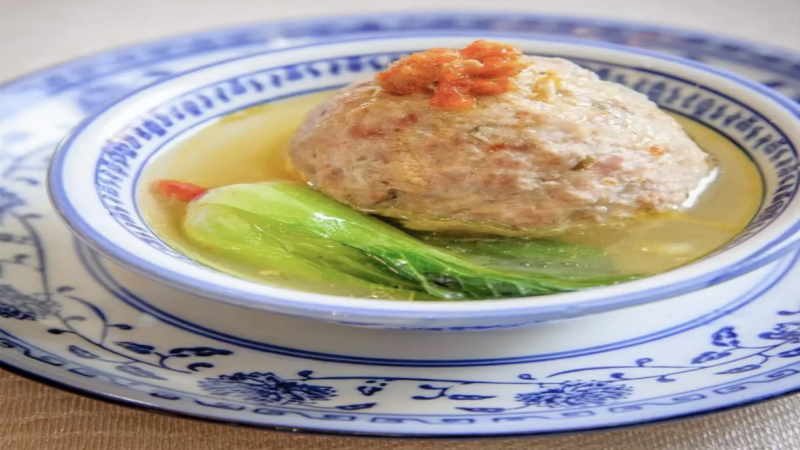
-Lion's head meatballs—Cloud-light pork spheres simmered for hours in clear broth
-Crystal shrimp—Transparent dumplings revealing pink prawns through their delicate skins
-Chicken broth with wontons—Where the soup achieves perfect clarity through 8-hour straining
What sets Jiangsu cuisine apart is its pursuit of "pure" flavors—no heavy spices mask the natural sweetness of just-picked ingredients. Seasonal highlights include autumn's hairy crab rosettes and summer's lotus root stuffed with glutinous rice. Even humble vegetables become extraordinary through techniques like "melting" braises that turn greens buttery-soft.
Complete your imperial dining experience with Yangzhou's golden fried rice (containing exactly 33 ingredients) or Suzhou's pine-patterned sweets. Come taste why this was the cuisine that inspired emperors—and continues to dazzle food connoisseurs today!
Get ready for a taste adventure that will set your senses ablaze with Hunan cuisine—China's most exhilarating and undoubtedly bold culinary tradition. Unlike its Sichuan cousin that plays with numbing spices, Hunan's "dry heat" cooking delivers pure, unadulterated fire that has fueled emperors, revolutionaries, and modern food lovers alike.
Witness chefs work their wok magic on signature dishes:
-Chairman Mao's red-braised pork—The revolutionary leader's favorite, with caramelized belly meat in a scarlet chili glaze
-Smoky dry-pot frog—Tender morsels stir-fried with a mountain of dried chilies
-Stinky tofu—Crispy golden cubes with a creamy blue cheese-like interior that addicts daredevils
What truly sets Hunan cuisine apart is its "hot and sour" personality—try the mouthwatering pickled fish head crowned with a crimson chili avalanche, or the smoked bacon with dried long beans that captures the essence of rural Hunan.
The Hunan dining experience peaks with steamer feasts—bamboo baskets layered with spicy preserved meats, fiery pickles, and steaming rice that absorbs all the glorious flavors. As the local saying goes: "Sichuanese aren't afraid of spice, but Hunanese are afraid of food not being spicy enough". Come with an adventurous spirit—and maybe some milk—to experience China's most thrilling fiery cuisine!

Journey into the misty Huangshan mountains and discover Anhui cuisine—China's most soulful and underrated culinary treasure. Unlike its flashier cousins, this earthy gastronomic tradition celebrates the humble beauty of wild ingredients, slow-cooked to perfection using techniques preserved for centuries in ancient Huizhou villages.
Witness time-honored cooking methods that transform simple ingredients:
-Huangshan braised pigeon—Slow-cooked in a clay pot with chestnuts until the bones melt
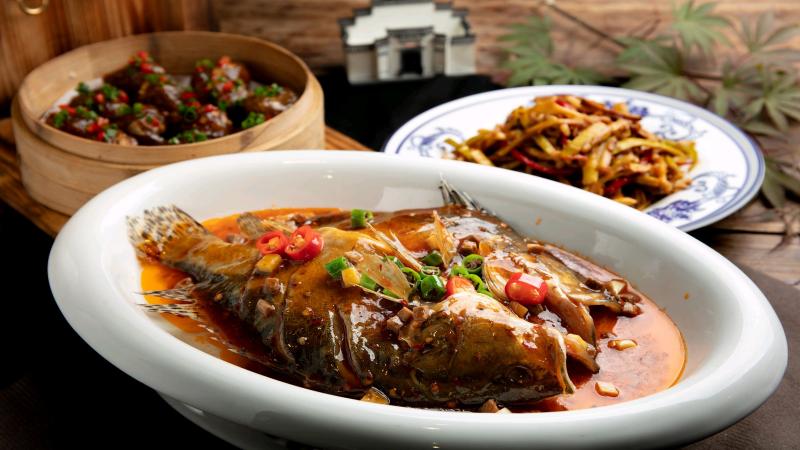
-Stinky mandarin fish—Fermented until fragrant, then pan-fried to golden perfection
-Stewed stone fungus—A gelatinous mountain mushroom that absorbs rich pork flavors
What makes Anhui cuisine extraordinary is its "heavy oil, heavy color, heavy fire" philosophy that coaxes deep umami from every ingredient. Don't miss the chance to try:
- Wenzheng mountain bamboo shoots—Served with smoked pork in a rich broth
- Li Hongzhang hotchpotch—An imperial-era stew mixing seafood, poultry and vegetables
- Mao tofu—Pan-fried tofu stuffed with pork and mushrooms
The Anhui dining experience connects you to China's agricultural roots—meals often begin with golden guokui pancakes baked over wood fire and end with sweet Qimen black tea. As the old Huizhou merchants' saying goes: "Heavy on salt, beautiful in color, slightly fermented"—come taste why this rustic mountain cuisine continues to nourish both body and soul!
Are you interested in this tour?
This tour can be tailored.

