If it's your first time to come to China, going to Beijing is definitely a great choice. As the political and cultural heart of China for centuries, Beijing invites you to wander through imperial palaces, stroll along the amazing Great Wall, and taste delicious cuisine that is highly praised by both the emperors and the locals. This is a city where you can find the footprints of history in every corner and innovation in the bustling streets.
Table of Contents
Beijing is where China's heart beats—a city that welcomes you with open arms and takes you on an amazing tour through time. For centuries, it's been the capital of emperors and modern visionaries alike, and today, it's a place where grand history and lively city life come together in the most exciting ways.
Walk in the footsteps of ancient rulers at the Forbidden City, stand in awe of the Great Wall winding over misty mountains, or lose yourself in the charming hutongs where local life unfolds. But Beijing isn't just about the past—it's a city that's always moving forward. You'll find sleek skyscrapers next to traditional tea houses, trendy art districts buzzing with creativity, and food stalls serving up flavors you'll never forget.
Whether you're here for the history, the culture, or just the thrill of discovering something new, Beijing has a way of staying with you long after you've left. Come and see for yourself—this city is waiting to surprise you.
(1) Experience Beijing Opera
Have you ever wondered what it feels like to step into the colorful world of Beijing Opera? Now you can try it yourself! Many cultural centers and theaters in Beijing offer hands-on experiences where you can wear authentic opera costumes and learn about the fascinating makeup process.
First, you'll choose a character—maybe a brave warrior, an elegant noblewoman, or a cunning trickster. Each role has its own special outfit, often with intricate embroidery and flowing sleeves. The helpers will assist you in putting on the layers of robes, tying the sashes just right, and even adjusting the headpieces (which can be surprisingly heavy!). Then comes the makeup—a true art form! Beijing Opera makeup is bold and symbolic, with colors representing different personalities. Red stands for loyalty, white often means cunning, and black suggests bravery. The artist will carefully paint your face, starting with a white base, then adding sharp lines and bright colors. Don't worry—it's all washable!
This is a fun and unique way to connect with Chinese culture. Whether you take photos, try a few poses, or just admire yourself in the mirror, you'll leave with a deeper appreciation for this beautiful tradition.

(2) Explore Beijing's Hutongs by Bike
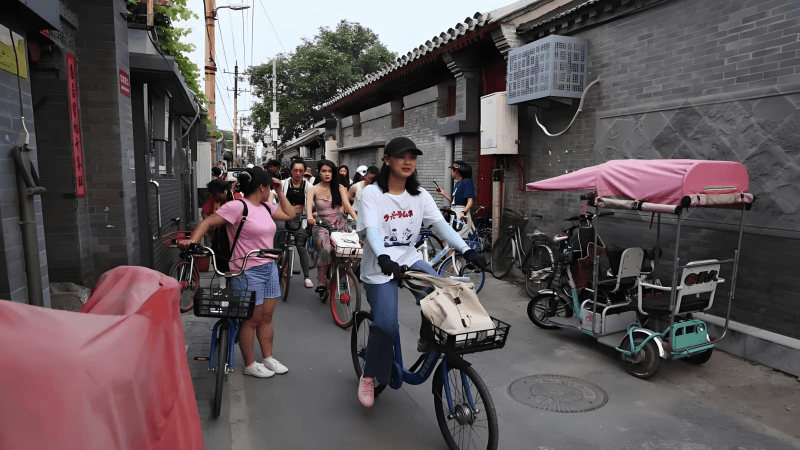
Imagine pedaling through narrow, winding alleys, past old courtyard homes, tiny shops, and hidden cafes—this is the magic of Beijing's hutongs! Riding a bike is one of the best ways to experience these historic neighborhoods like a true local.
You can rent a bike easily near popular hutong areas like Nanluoguxiang or Houhai. Just grab one, adjust the seat, and start exploring! The lanes are mostly flat, so it's relaxed riding—perfect for taking in the sights. You'll pass by traditional siheyuans (courtyard houses), street vendors selling jianbing (savory pancakes), and maybe even a local artist sketching by the roadside.
Want to make it extra special? Stop by a tea house for a break, chat with friendly shop owners, or follow the smell of freshly steamed dumplings to a tiny family-run restaurant. If you get lost, don't worry—that's part of the fun! The hutongs are safe, and locals are happy to point you in the right direction.
For a longer ride, cruise all the way to the Drum and Bell Towers or Shichahai Lake, where you can park your bike and enjoy the waterfront views. Sunset is a beautiful time to ride, with golden light glowing on the grey brick walls.
Spring (April-May) is like watching the city wake up from winter. The willows turn tender green along the canals, and peach blossoms paint the parks in soft pinks. This is when you can enjoy the Great Wall with comfortable temperatures and take stunning photos of the Forbidden City without the summer crowds. Don't miss the traditional Qingming Festival activities—it's a wonderful time to see locals paying respects to ancestors while flying colorful kites in open spaces.
Summer (June-August) turns Beijing into a vibrant playground. Yes, the afternoons can get quite warm, but that's when you'll appreciate the city's many shaded tea houses and air-conditioned museums. Early mornings are golden hours—join the locals doing tai chi in Temple of Heaven Park before the heat sets in. Summer nights are magical, with open-air beer gardens, glowing night markets serving sizzling lamb skewers, and the Houhai lake area alive with music and laughter.
Autumn (September-October) is when Beijing becomes a living painting. The air turns crisp and clear, perfect for hiking the less crowded sections of the Great Wall. The city's countless ginkgo trees transform into rivers of gold, especially along the famous Diaoyutai Ginkgo Avenue. This is harvest season—you'll find street vendors roasting sweet chestnuts and restaurants serving the fattest crabs from Yangcheng Lake. The Mid-Autumn Festival fills the city with mooncake aromas and lantern displays.
Winter (November-March) reveals Beijing's quiet elegance. Imagine having the Forbidden City's red walls and golden roofs dusted with snow almost to yourself. The frozen lakes become natural ice skating rinks, and the hutongs feel extra cozy with steam rising from dumpling shops. While the air can be chilly, the winter light is perfect for photography, and nothing beats ending your day with a bubbling hotpot feast or warm cup of pear-infused tea.
No matter when you visit, remember that Beijing always rewards early risers. The city's most famous sights are most peaceful in the morning hours. And some of your best memories might come from simple moments—like sipping jasmine tea in a quiet hutong as the seasons change around you.
Visa & Entry
Most travelers will need a visa to enter China, but if you're just passing through, you might qualify for the 144-hour visa-free transit—great for a short stay! Just make sure your next flight is within that time frame. Always double-check the latest rules before you go, and keep your passport handy—you'll need it often.
Transportation
Beijing's subway system is fast, cheap, and easy to use—perfect for beating the city's traffic. Grab a metro card (or use your phone if you have Alipay/WeChat Pay set up) to tap and go. For late-night trips or places not near the subway, ride-hailing apps like Didi (China's Uber) are super helpful. Taxis are everywhere too, but have your hotel's address written in Chinese to show the driver.
Money & Payments
Cash isn't disappeared in Beijing, but Alipay and WeChat Pay rule here. Set one up before your trip—many small shops and street vendors prefer it. International credit cards work in hotels and bigger stores, but don't rely on them everywhere. Always carry some cash (RMB) just in case.
Language Tips
Mandarin is the main language, but in tourist spots like the Forbidden City or Great Wall, you'll find some English speakers. Learn a few basic phrases like "Nǐ hǎo" (Hello) and "Xièxiè" (Thank you)—locals love it when you try! Download a translation app (like Google Translate or Pleco) for menus and signs.
What to Pack
Beijing's weather changes fast—check the season before packing! Summers are hot and humid (bring sunscreen!), while winters get very cold (layer up!). Comfortable shoes are a must—you'll walk a lot! Always carry:
- Your passport (you'll need it for tickets and hotels)
- A hotel card with the address in Chinese
- A portable charger (you'll be taking tons of photos!)
(1) The Great Wall
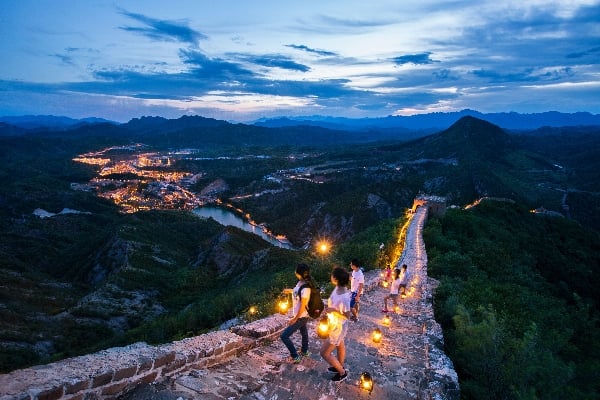
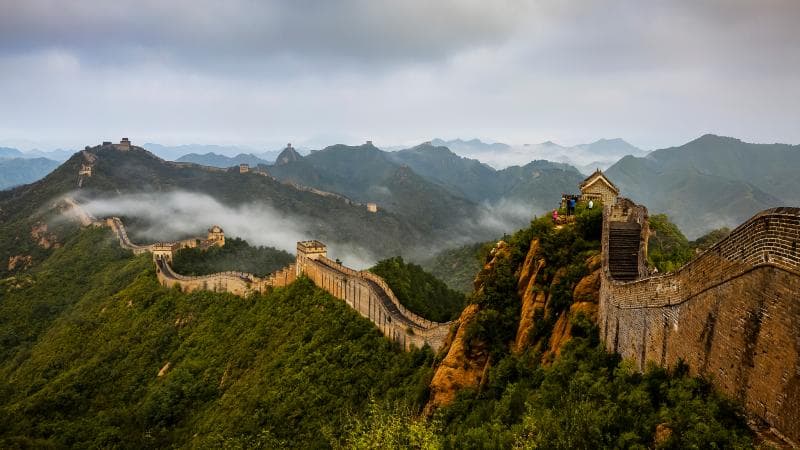
Stand where ancient soldiers once kept watch over China's northern borders on this incredible stone dragon winding through mountains. Just outside Beijing, the Mutianyu section lets you climb original stone steps between watchtowers, with breathtaking views of forested peaks stretching endlessly. If you prefer less climbing, Badaling's cable car carries you up to equally amazing panoramas where you can see the Wall disappear over distant ridges.
Early mornings are magical here—you might have whole sections to yourself as the sun rises over the crenelated walls. Autumn brings fiery red and gold leaves that make the scenery even more spectacular. Run your hands along the weathered stones and imagine the thousands of workers who built this marvel over 2,000 years ago—it's an experience you'll never forget.
(2) Tiananmen Square
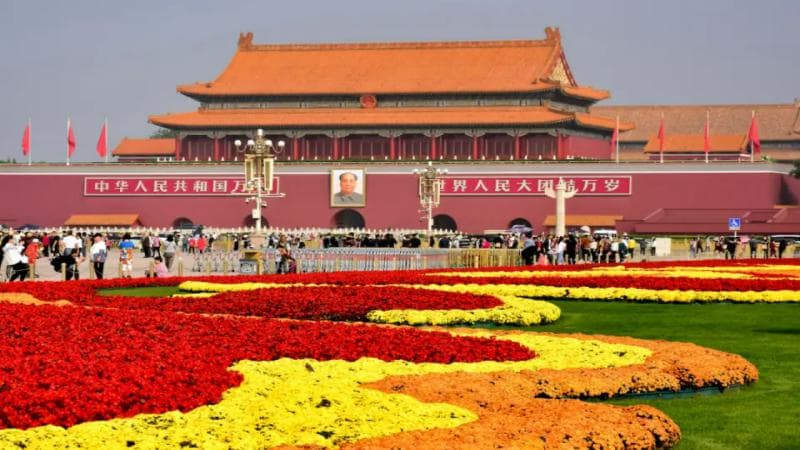
Standing in Tiananmen Square, you can feel the pulse of modern China. This vast, open space isn't just the world's largest public square—it's where history was made and where the nation comes together.
Look up at the iconic portrait of Chairman Mao above Tiananmen Gate, the entrance to the Forbidden City. Around you, the square stretches wide, flanked by grand buildings like the Great Hall of the People and the National Museum. Early mornings are especially magical, when the flag-raising ceremony draws crowds to watch the red banner flutter against the sky.
By day, the square buzzes with visitors—families flying kites, tourists snapping photos, and locals soaking in the sense of pride this place inspires. At night, it transforms under soft lights, feeling peaceful yet powerful.
Tiananmen Square isn't just a landmark; it's where you truly grasp China's past, present, and future. Walk across its stones, and you're walking through history itself.
(3) The Forbidden City
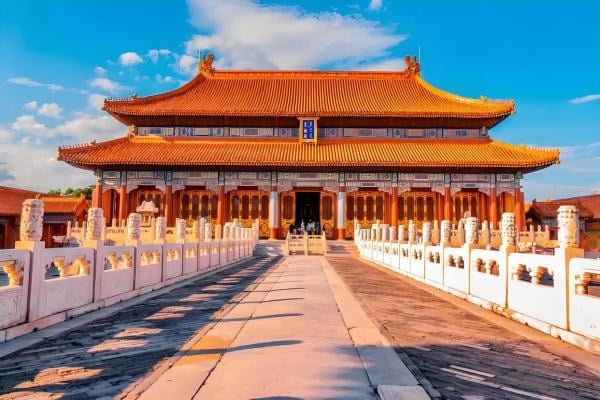
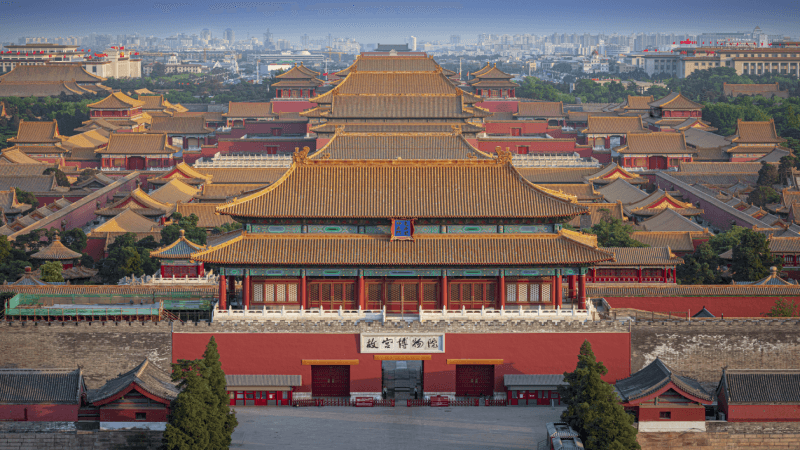
Walk through towering crimson gates into the world of Chinese emperors, where golden rooftops glitter above quiet courtyards that once saw palace intrigues and grand ceremonies. This massive palace complex, home to rulers for nearly 500 years, still takes your breath away with its scale—nearly a thousand rooms filled with priceless treasures. Marvel at the ornate dragon-carved throne in the Hall of Supreme Harmony, then find peace in the Imperial Garden's ancient cypress trees and rockeries.
The Palace Museum's exhibits reveal fascinating details of royal life—from delicate porcelain used at banquets to the empress's elaborate hair ornaments. As you stroll along the central axis (believed to be the cosmic center of the universe in ancient times), you'll feel the weight of history in every carved stone and painted beam.
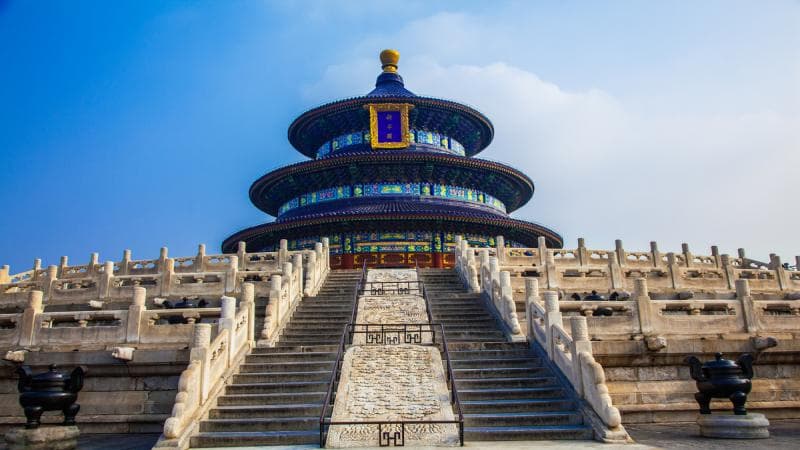
(4) Temple of Heaven
Wake up early and join Beijing residents in this sacred park where emperors once prayed for good harvests. The stunning blue-roofed Hall of Prayer for Good Harvests looks even more magical at sunrise, its circular shape representing heaven while the square base symbolizes earth. Watch in awe as morning light reveals the building's incredible details—all built with interlocking wooden pieces, no nails needed!
Stroll through the park's quiet pathways under 600-year-old cypress trees, passing groups practicing tai chi's graceful movements or singing traditional opera. Stand on the famous Echo Wall where whispers travel mysteriously along the curved surface, just as they did for Ming Dynasty worshippers. The whole complex feels like a peaceful oasis, yet it's right in the heart of the city.
(5) Summer Palace
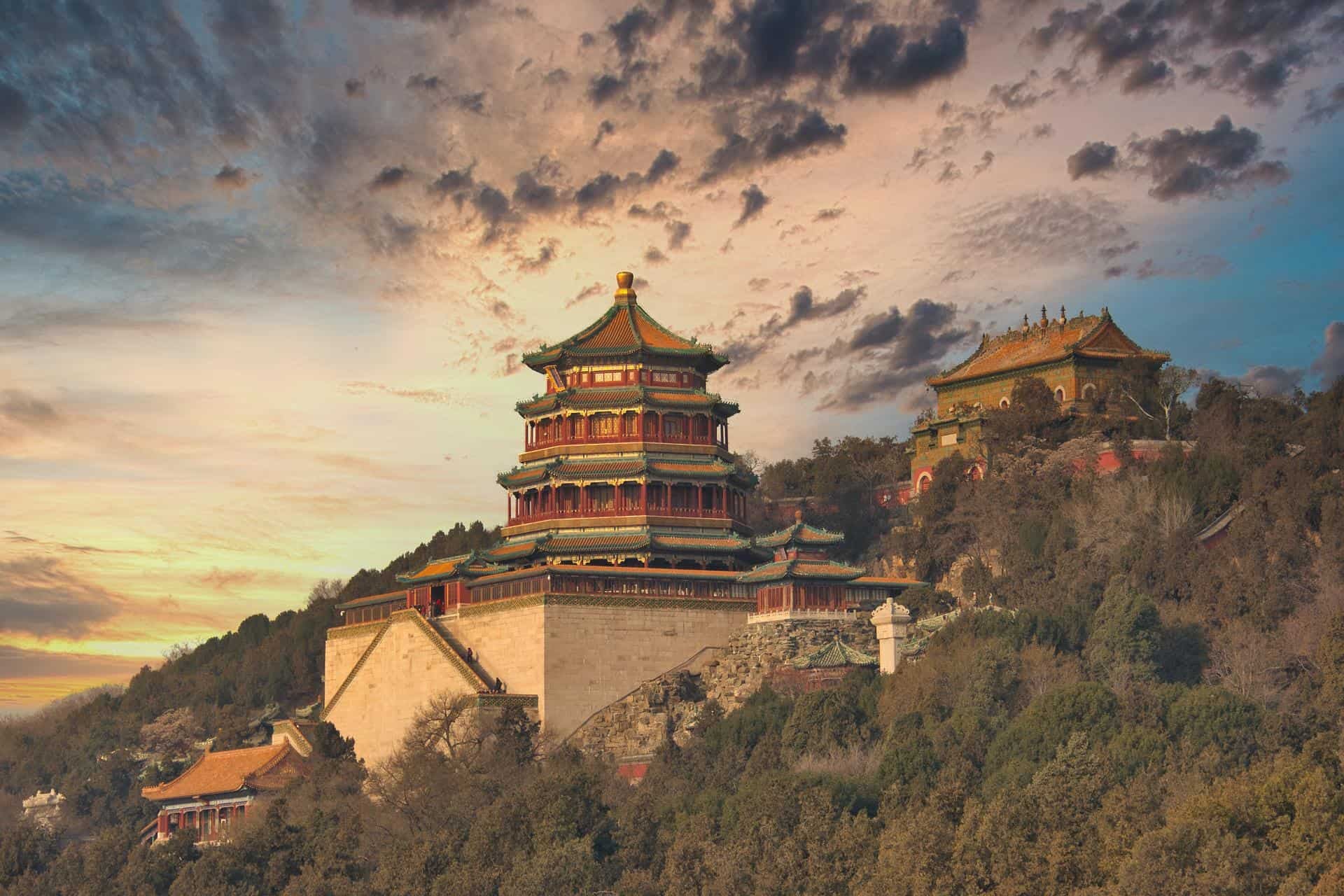
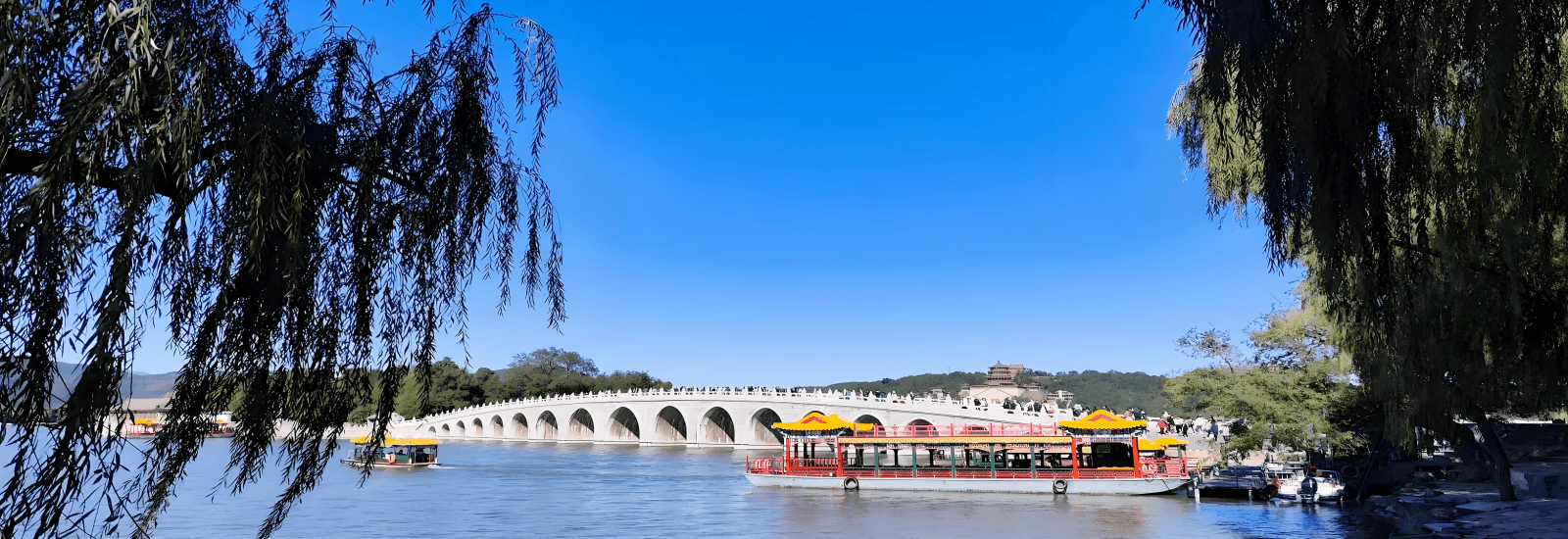
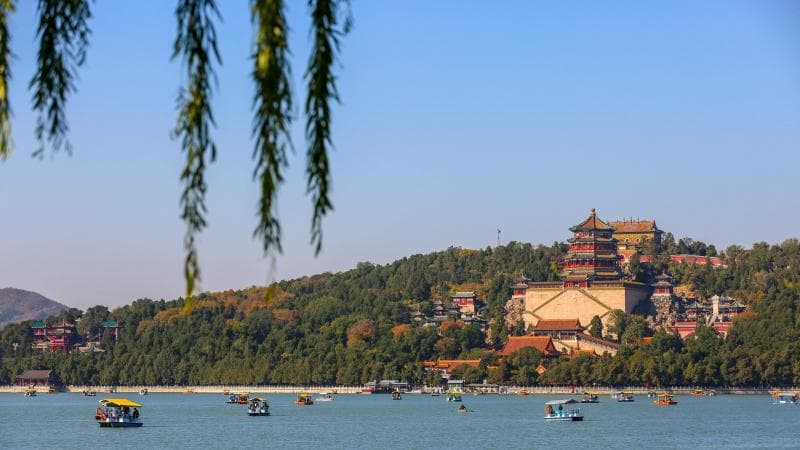
Spend a peaceful day wandering through this beautiful lakeside retreat, where Chinese emperors escaped the summer heat centuries ago. Walk along the world's longest painted corridor, its ceilings covered in colorful scenes from legends and landscapes—try counting how many different pictures you can spot! Rent a paddleboat to glide across the huge Kunming Lake, getting perfect views of the palace's pagodas and bridges from the water.
Climb up Longevity Hill for breathtaking panoramas of the entire complex, with its golden rooftops shining against the green trees. In warmer months, the gardens burst with flowers, while winter turns the lake into a magical ice-skating spot where locals twirl under blue skies. Everywhere you look, you'll find quiet corners perfect for resting—maybe by a trickling stream or under a willow tree's swaying branches.
(6) Hutongs & Nanluoguxiang
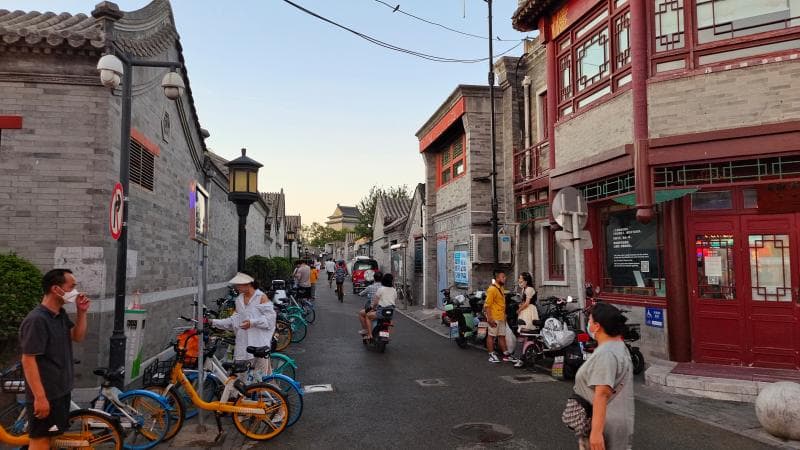
Take a step back in time as you wander through Beijing's maze of ancient alleyways, where life moves at a slower pace. These narrow hutongs hide beautiful courtyard homes where families have lived for generations—peek through open gates to see bicycles leaning against gray brick walls and potted plants lining quiet yards. For the full experience, ride in a traditional rickshaw down the Gulou area's winding lanes, passing hole-in-the-wall noodle shops and tiny neighborhood grocery stores.
Nanluoguxiang offers the perfect mix of old and new—this 700-year-old hutong now features cozy book cafes next to traditional silk shops, and street food vendors selling sizzling lamb skewers beside craft cocktail bars. Pull up a stool in a family-run dumpling joint or join locals playing chess in the shade of old trees. As evening falls, the lanterns come on and the alleyways take on a magical glow—the ideal time to find a quiet teahouse and watch Beijing's daily life unfold outside the window.
(7) National Centre for Performing Arts
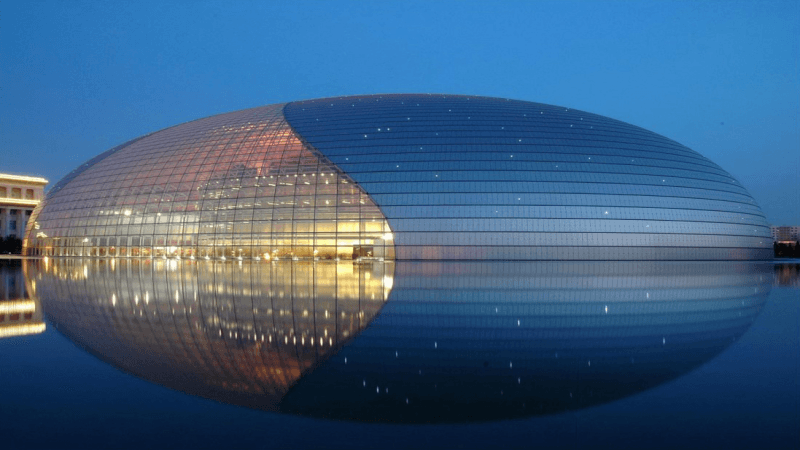
Step inside Beijing's giant "Egg" by the water, and you'll discover a world where music, dance, and drama take center stage. The National Centre for the Performing Arts isn't just a concert hall—it's where China's best performers bring centuries of artistic tradition to life under one futuristic roof.
As you walk through its sleek glass corridors, you'll feel the excitement before a show—maybe it's a Peking Opera with colorful masks and soaring voices, a graceful ballet, or a stirring symphony. The building itself is a wonder, with its curved titanium shell glowing like a pearl at night, reflected in the surrounding lake.
Whether you're catching a world-class performance or just admiring the architecture, this cultural landmark lets you experience China's artistic soul. Even if you don't understand every word or note, you'll feel the emotion and skill that make these shows unforgettable. It's not just entertainment—it's a tour through China's creative spirit.
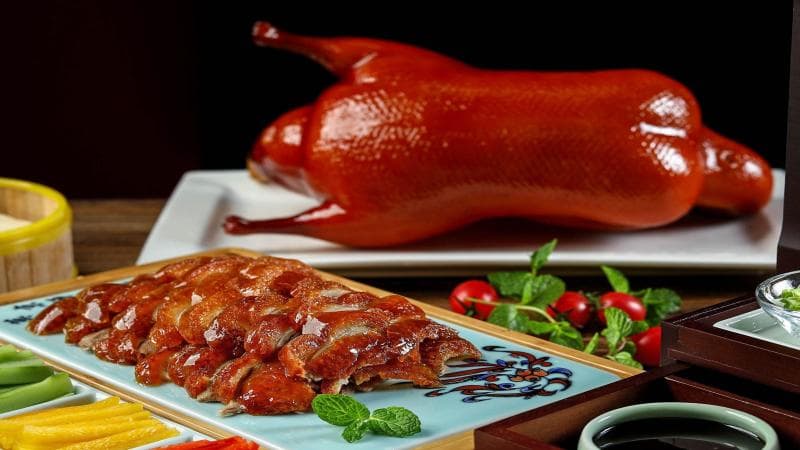
(1) Peking Roast Duck
There's nothing quite like biting into a slice of crispy, golden-brown Peking duck—it's a must-try when you're in Beijing! This famous dish has been enjoyed for centuries, and once you taste it, you'll understand why.
The best restaurants roast their ducks in special ovens until the skin turns wonderfully crisp while the meat stays tender and juicy. When it's served, a chef will often carve it right at your table—a little show before the feast begins!
Here's how to enjoy it like a local: take a thin pancake, spread some sweet bean sauce, add a few slices of duck, and top with fresh cucumber and spring onion. Wrap it up and take a big bite—the mix of flavors and textures is amazing! Some places even serve the duck in three ways: first the crispy skin with sugar (yes, it's delicious!), then the classic pancake wraps, and finally a rich soup made from the bones.
Don't miss trying this at famous spots like Quanjude or Da Dong, or ask locals for their favorite hidden gems. Whether it's a fancy dinner or a casual meal, Peking duck is always a special experience.
(2) Men Ding Rou Bing
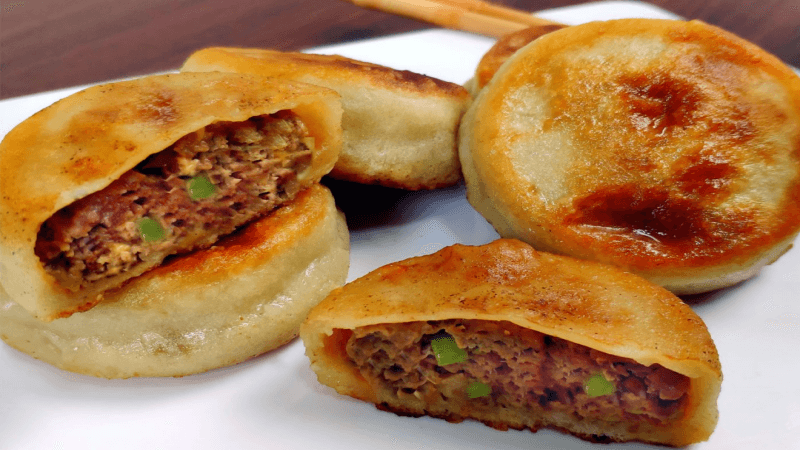
Have you ever bitten into something so deliciously unexpected that you immediately wanted another? That's exactly what happens when you try Beijing's famous Men Ding Rou Bing—those golden, pan-fried meat patties that locals can't get enough of!
Picture this: you're walking through a lively Beijing hutong when a wonderful sizzling sound catches your attention. There, at a small street stall, the cook is flipping plump, round meat pies in a giant iron pan. The aroma of beef and spices fills the air as the pies turn a perfect golden brown.
These special "door nail meat pies" get their name from their shape—just like the big studs on ancient palace doors! But the real magic happens when you take that first bite. The crispy outside gives way to a steaming hot center packed with juicy beef, fragrant scallions and a secret blend of spices that'll make your taste buds dance. Be careful—that first bite can be dangerously hot, but so worth the wait!
The best spots keep their recipes closely guarded, passed down through generations. Some say the perfect men ding rou bing should have exactly 16 tiny pleats around the edge—a little piece of edible art!
Traveling to Beijing for the first time? Don't worry—we've got you covered! Here are answers to some common questions to help you plan a smooth and enjoyable tour.
What's the best way to visit the Great Wall from Beijing?
The Great Wall is a must-see, and luckily, it's easy to reach from Beijing. The most popular sections, like Badaling and Mutianyu, are about 1.5 to 2 hours away by car or bus. If you prefer convenience, joining a guided tour is a great option—they often include transport and tickets. For more flexibility, you can take a public bus or hire a private driver. Just remember to start early to avoid crowds, especially on weekends!
Is English widely spoken in Beijing?
While English isn't as common as in some other big cities, you'll find that many younger people, hotel staff, and workers in tourist areas can speak basic English. Signs in subway stations and major attractions usually have English translations, so getting around isn't too difficult. Still, it's helpful to learn a few simple Mandarin phrases or use a translation app—locals really appreciate the effort!
How safe is Beijing for solo travelers?
Beijing is generally very safe, even for solo travelers. Violent crime is rare, and streets are well-lit and busy even at night. Of course, it's always smart to take basic precautions—keep an eye on your belongings in crowded places like markets or the subway, and avoid walking alone in very quiet areas late at night. Scams targeting tourists do happen occasionally (like overpriced taxis), so stick to official taxis or ride-hailing apps like Didi.
Can I use foreign credit cards or cash?
Major hotels, international restaurants, and big stores usually accept foreign credit cards (Visa, Mastercard), but many smaller shops, street vendors, and even some attractions only take Chinese mobile payments (WeChat Pay or Alipay) or cash. It's a good idea to carry some Chinese yuan (RMB) with you—ATMs are easy to find, but check if your bank charges foreign transaction fees. If you plan to use mobile payments, set them up before your trip, as they sometimes require a local number.
Are there halal or vegetarian food options available?
Absolutely! Beijing has a diverse food scene. For halal options, head to Niujie (Ox Street), a historic Muslim neighborhood with fantastic lamb dishes and noodles. Many restaurants in tourist areas also label halal food clearly. Vegetarians will find plenty of choices too—traditional Buddhist cuisine (often vegan) is served in temples like the Longquan Monastery, and international restaurants offer veggie-friendly meals. Just say "sù shí" for vegetarian or "wǒ bù chī ròu" for "I don't eat meat", and most places will help you out.
Are you interested in this tour?
This tour can be tailored.