Uzbekistan is the heart of the ancient Silk Road, a land of blue domes, winding bazaars, and warm hospitality. Few places in the world bring history and culture together as vividly as here. From Samarkand’s dazzling squares to the desert oasis of Khiva, every step feels like walking through a story told for centuries.
Table of Contents
Uzbekistan is one of those places where history feels alive in the streets. For centuries, this land stood at the center of the Silk Road, linking the great civilizations of Asia and Europe. Merchants, scholars, and travelers once gathered here, leaving behind not only goods but also stories, architecture, and traditions that still shape the country today.
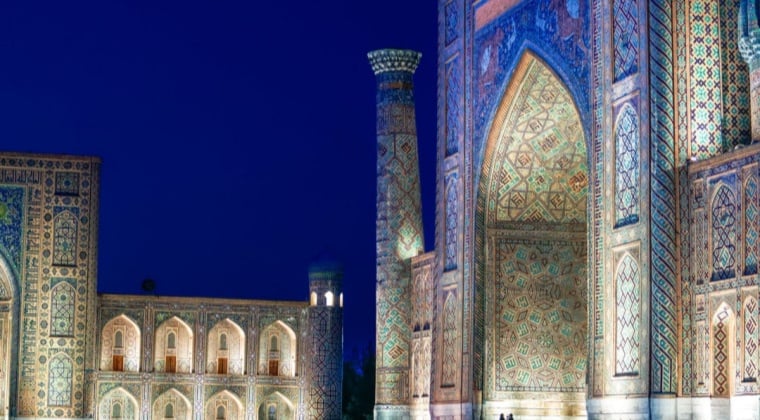
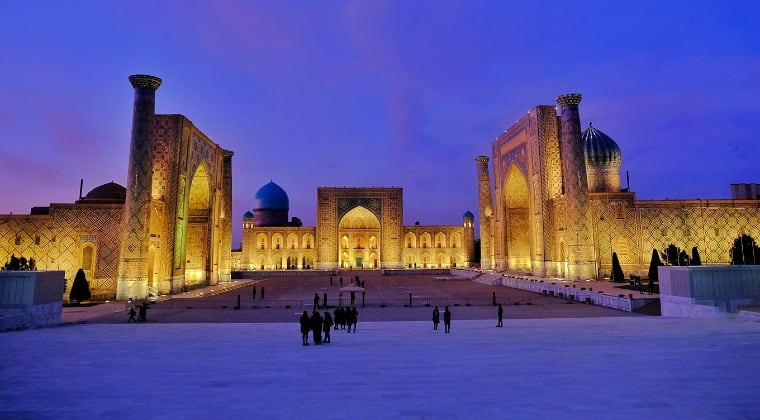
The ancient cities are the true gems of Uzbekistan. Samarkand, often called the “Pearl of the Silk Road,” impresses with its magnificent Registan Square, where blue-tiled domes and golden mosaics shine brilliantly under the sun. Bukhara is a living museum, with narrow lanes leading to mosques, minarets, and caravanserais that have stood for hundreds of years. Khiva, wrapped within its mudbrick walls, feels almost untouched by time, especially at dusk when the city glows in warm desert light. Then there is Tashkent, the modern capital, where wide avenues, leafy parks, and bustling bazaars give a lively contrast to the historic cities.
Travel here is not only about monuments. Uzbekistan is also known for its warm and generous people. A cup of green tea offered by a shopkeeper, fresh bread shared at a family table, or a friendly chat in a bazaar often becomes the memory travelers cherish most. Local traditions shine through in colorful textiles, folk music, and markets overflowing with spices, fruits, and handicrafts.
Beyond the cities, the country’s landscapes add another layer of beauty. The fertile valleys of Fergana, the endless steppes, and the golden sands of the Kyzylkum Desert show a different side of Uzbekistan. Visitors can ride camels across the dunes, hike in mountain foothills, or simply relax under mulberry trees with some of the sweetest melons in the world. Uzbekistan is more than a destination—it is an experience. From its breathtaking monuments and vibrant bazaars to the kindness of its people, every journey here offers a glimpse into the living heart of the Silk Road.
(1) Discover the Splendor of Samarkand’s Registan
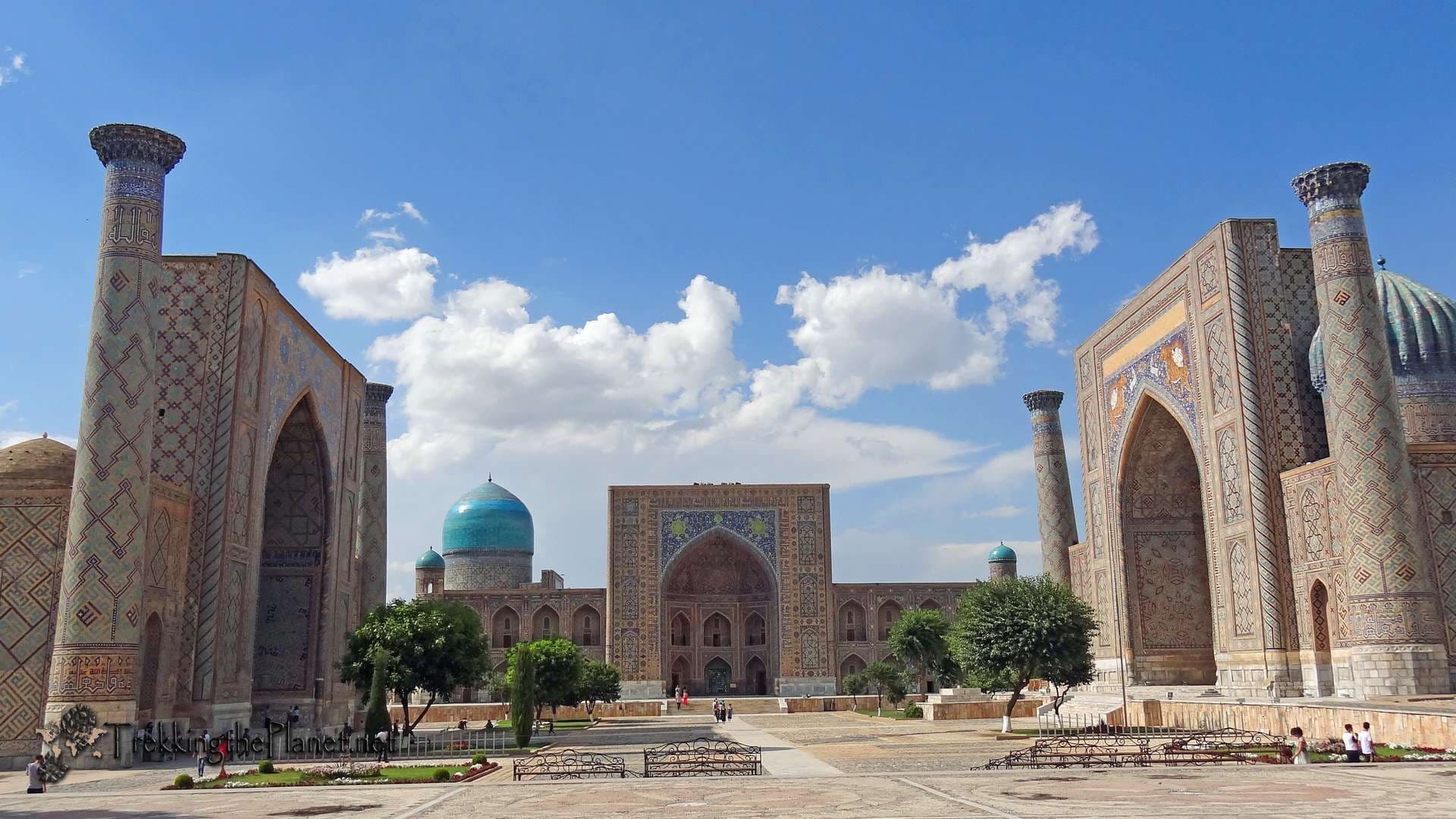
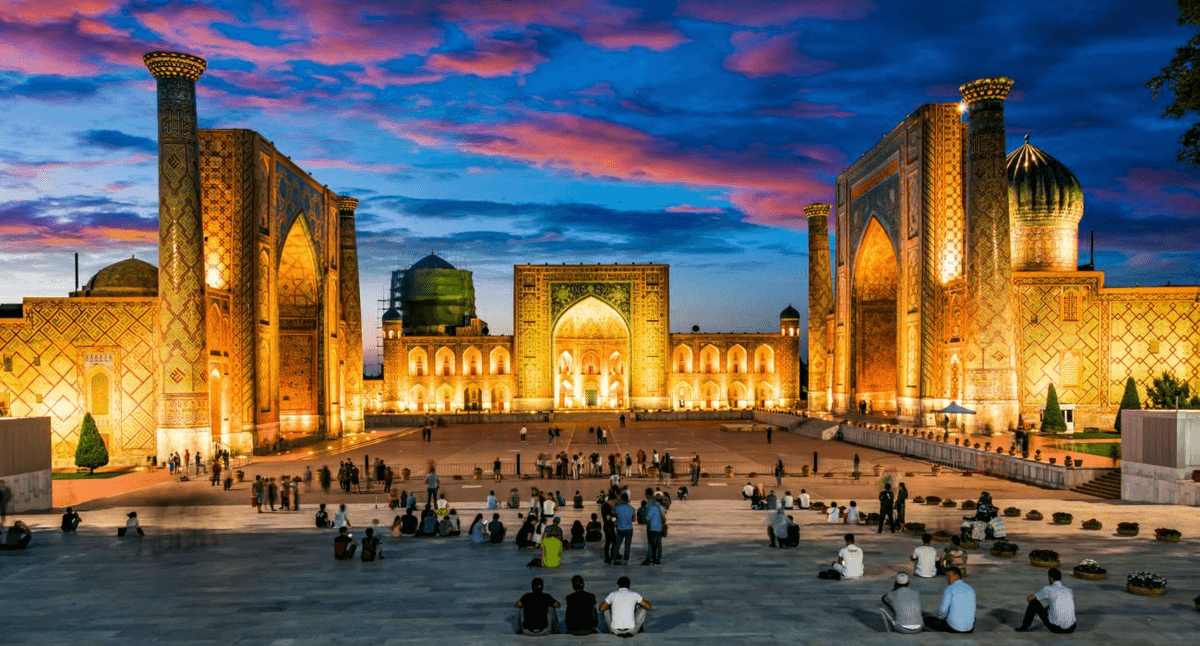
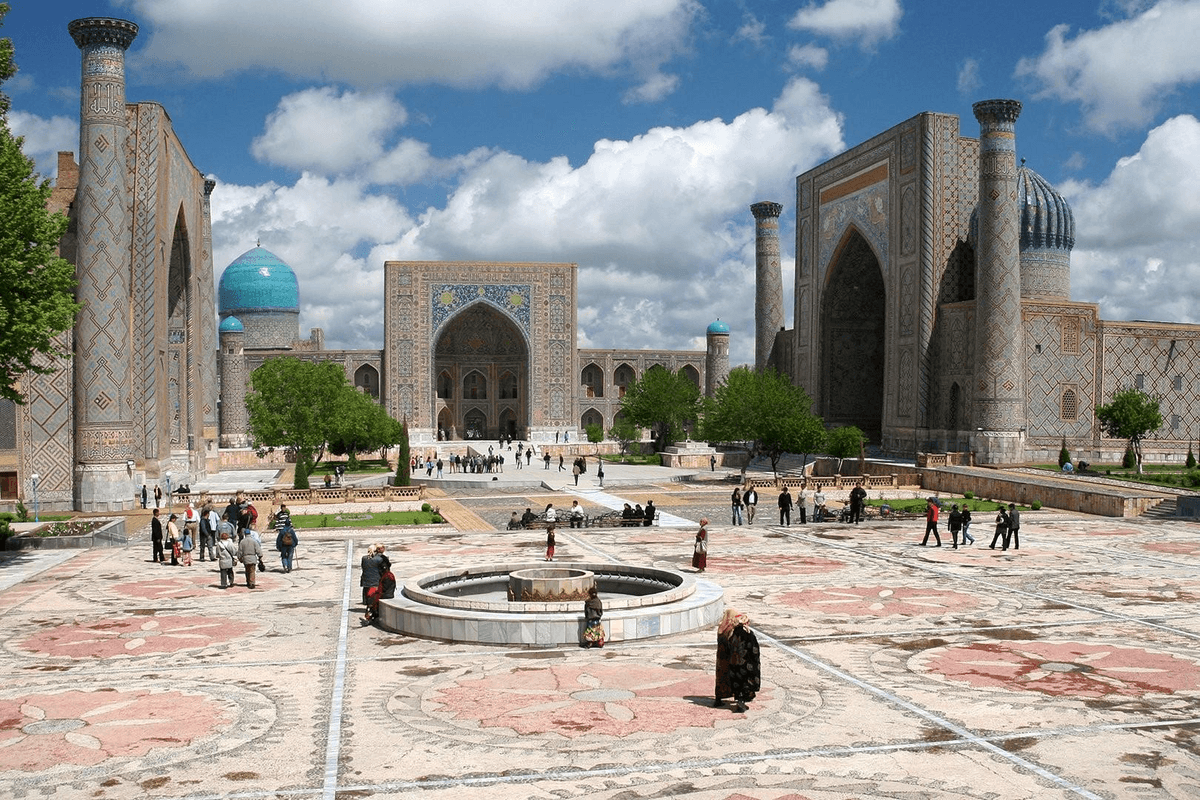
Registan Square in Samarkand is often described as the most iconic site in Uzbekistan, and when you stand in its center, it is easy to understand why. The square is surrounded by three grand madrasahs built during the Timurid period, their facades decorated with thousands of turquoise tiles, golden mosaics, and elegant calligraphy. Each building has its own story, and together they create a masterpiece of Islamic architecture. In the daytime, the domes and arches shine under the bright sun, and every tile seems to reveal a hidden detail. At sunset, the whole square takes on a warm golden glow that makes the atmosphere truly unforgettable. By night, when the buildings are softly lit, Registan becomes almost dreamlike, as if you are walking through another century. Many visitors choose to return at different times of the day just to experience these changing impressions. Beyond its beauty, Registan also carries deep history. For centuries it was a place of learning, trade, and ceremony. Merchants arrived from faraway lands, scholars taught in the madrasahs, and people gathered for celebrations. Today, standing in Registan allows you to feel a direct connection to the Silk Road era, a reminder that Samarkand was once one of the greatest cities in the world.
(2) Walk Through the Old Town of Bukhara
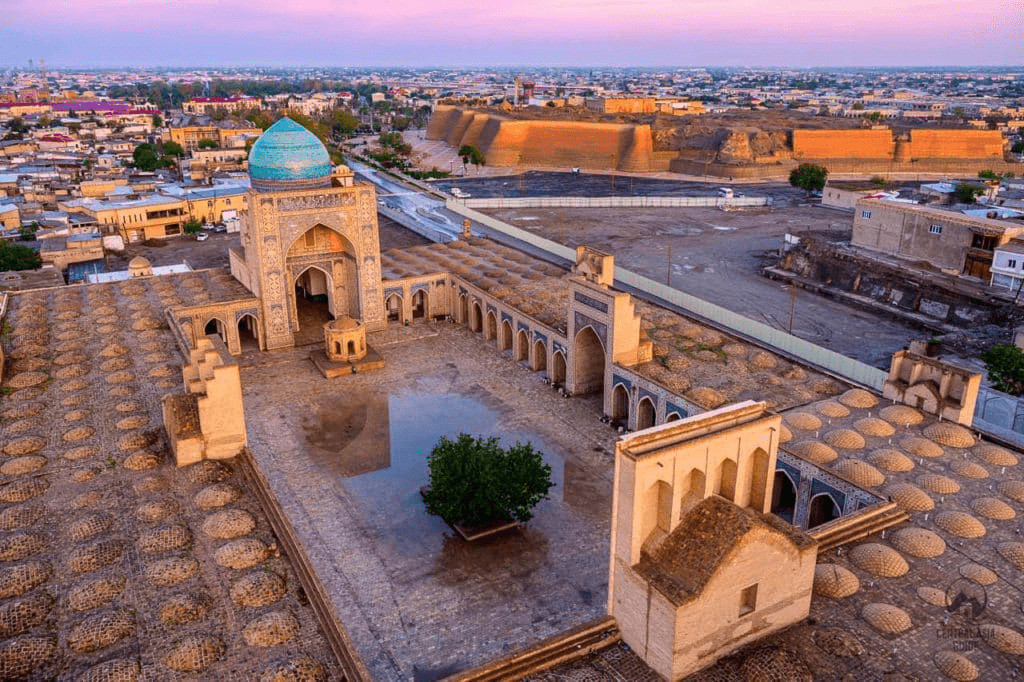
If Samarkand dazzles with grandeur, Bukhara charms with its atmosphere. Known as a living museum, the old town is full of narrow alleys, shaded courtyards, and buildings that tell stories more than a thousand years old. Walking here is like stepping back in time, but unlike many historical sites, Bukhara is not frozen. Life continues in its streets. You will pass by artisans working in small shops, women baking bread in traditional clay ovens, and children playing near old caravanserais. Among its landmarks are the towering Kalon Minaret, once used to call people to prayer, and the Ark Fortress, which served as the residence of Bukhara’s rulers for centuries. These monuments, together with dozens of mosques and madrasahs, create a skyline that has changed very little over time. Yet what makes Bukhara unforgettable is the feeling of being welcomed into its rhythm. The tea houses are always open, serving steaming cups of green tea, and it is common for locals to invite visitors to sit and share a conversation. The city has preserved not only its architecture but also its spirit of hospitality. To stroll through Bukhara’s old town is to experience both history and living tradition, a rare combination that makes this city one of the highlights of any journey through Uzbekistan.
3.Best Time To Visit Uzbekistan?
Spring (April-May)
Spring is one of the most pleasant times to explore Uzbekistan. The weather is warm but not too hot, and the gardens in Samarkand and Tashkent are full of blossoms. This is a great season for sightseeing and walking tours, as the days are long and comfortable. The countryside also looks especially green and lively.
Summer (June-August)
Summers can be very hot, especially in the desert regions and around Khiva. However, mornings and evenings are more comfortable for exploring. Summer is also the time of open-air festivals, lively bazaars, and long evenings to enjoy traditional Uzbek food in outdoor restaurants. Travelers who don’t mind the heat will find the cities full of life.
Autumn (September-October)
Autumn is often considered the best season to visit. The weather is mild and clear, perfect for both city walks and excursions to historical sites. Markets are overflowing with fresh grapes, melons, and pomegranates, making it a colorful time to experience local life. The golden light in the evenings adds special charm to places like Registan Square or Bukhara’s old town.
Winter (November-March)
Winters are cold, with snow possible in Samarkand and Tashkent, but the monuments take on a quiet, atmospheric beauty. Crowds are few, which means you can enjoy famous landmarks almost to yourself. This is also the time to try warming dishes like plov and hot tea in cozy teahouses. For those who prefer peaceful travel, winter can be very rewarding.Winters are cold, with snow possible in Samarkand and Tashkent, but the monuments take on a quiet, atmospheric beauty. Crowds are few, which means you can enjoy famous landmarks almost to yourself. This is also the time to try warming dishes like plov and hot tea in cozy teahouses. For those who prefer peaceful travel, winter can be very rewarding.
Visa & Entry
Many travelers can now enter Uzbekistan without a visa, while others can apply for an easy e-visa online. The rules change depending on nationality, so it is best to check the latest updates before your trip. Your passport should be valid for at least six months, and registration at hotels is usually required, so keep copies of your documents during the journey.
Transportation
Uzbekistan has a good network of trains connecting Tashkent, Samarkand, and Bukhara. The high-speed trains are modern, comfortable, and the best way to travel between cities. In towns, taxis are affordable, but it’s better to agree on the fare before the ride or use ride-hailing apps where available. Walking is also a great way to explore historic centers such as Bukhara and Khiva.
Money & Payments
The local currency is the Uzbek som, and cash is still the most common form of payment. ATMs can be found in larger cities, but not always in smaller towns. Credit cards are accepted in international hotels and some restaurants, but bazaars and local shops usually take cash only. Always carry small notes for daily expenses.
Language Tips
Uzbek is the official language, and Russian is widely understood, especially among older generations. English is becoming more common in tourist areas, but learning a few basic Uzbek words such as rahmat (thank you) or salom (hello) is a nice way to connect with locals. A translation app can also be helpful for menus and signs.
What to Pack
The climate changes with the seasons, so pack according to your travel time. Summers are hot, so light clothing, a hat, and sunscreen are essential. Winters are cold, and you will need warm layers. Comfortable walking shoes are important, as you will spend a lot of time exploring cities on foot. A scarf is useful for visiting mosques, and carrying a reusable water bottle and a power bank will make your trip easier.
5. Top Attractions In Uzbekistan
(1) Samarkand - The Pearl of the Silk Road
Samarkand is often called the jewel of Central Asia, and for good reason. The city is full of history, blending Persian, Mongol, and Timurid influences. The centerpiece is Registan Square, where three grand madrasahs stand with their colorful mosaics and turquoise domes. Walking through the square gives the impression of entering a world from another era. Another must-see is the Shah-i-Zinda necropolis, a long avenue of tombs decorated with some of the finest tile work in the Islamic world. Visitors also come to see the Gur-e-Amir Mausoleum, where the famous conqueror Tamerlane is buried. Each monument reflects the power and creativity of Samarkand’s golden age, and together they make the city one of the most unforgettable stops on the Silk Road.
(2) Bukhara - A Living Museum
Bukhara is a city where history feels alive. For more than 2,000 years, it has been a center of trade, religion, and culture. Its old town, a UNESCO World Heritage Site, is packed with over 140 monuments. The Kalon Minaret, standing high above the city, has been a symbol of Bukhara for centuries. The Ark Fortress, once the residence of emirs, still dominates the skyline. Beyond these landmarks, Bukhara’s charm lies in its atmosphere: narrow lanes, shaded courtyards, and tea houses where locals gather. Visitors can also see traditional workshops where artisans craft carpets, ceramics, and copperware. Unlike some historic cities that feel like open-air museums, Bukhara is still full of daily life, making it both historic and authentic.
(3) Khiva - A Desert Fortress City
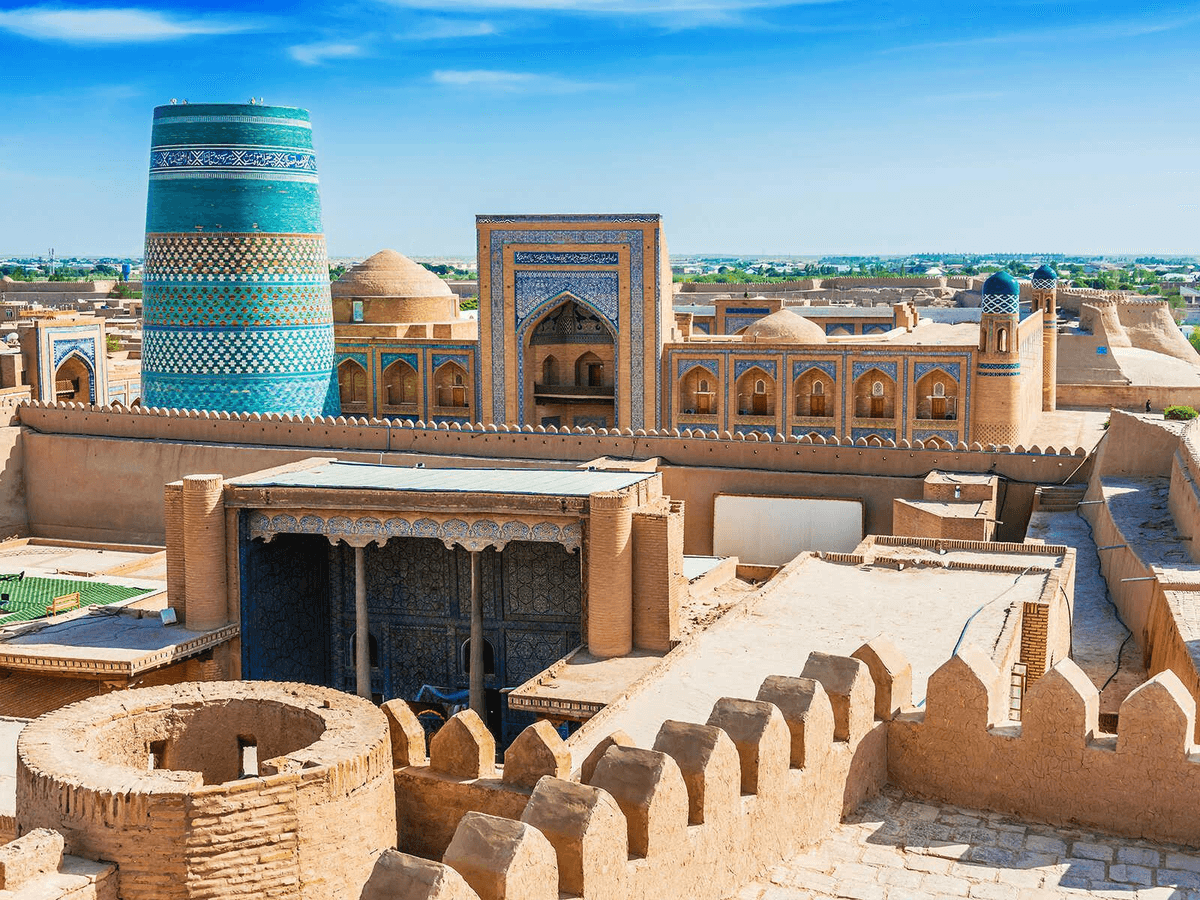
Khiva is perhaps the most atmospheric of Uzbekistan’s ancient cities. Surrounded by desert walls, its old town, called Itchan Kala, feels almost unchanged since the Middle Ages. Entering through the gates, visitors find a maze of mudbrick houses, mosques, and minarets. The Islam Khodja Minaret offers breathtaking views over the city, while the Kalta Minor Minaret, with its turquoise tiles, has become a symbol of Khiva. The narrow streets come alive at sunset, when the golden light covers the city and the walls cast long shadows. Khiva is smaller than Samarkand or Bukhara, but its compact size allows travelers to explore it fully on foot. Spending a night inside the old town is like stepping back in time, as the streets grow quiet and lanterns light up the alleys.
(4) Tashkent - The Modern Capital
Tashkent, the capital of Uzbekistan, offers a different perspective compared to the historic Silk Road cities. Rebuilt after a devastating earthquake in 1966, it is a mix of Soviet-era buildings, wide boulevards, and green parks. At the same time, it holds historical sites like the Khast Imam Complex, home to one of the oldest Qurans in the world. The city’s metro system is worth exploring, not only as transport but also as an attraction, with each station decorated in its own unique style. Tashkent is also famous for its bustling Chorsu Bazaar, where spices, bread, fruit, and handicrafts fill the air with color and aroma. As the country’s largest city, Tashkent combines tradition and modern life, making it a natural starting point for exploring Uzbekistan.
(5) Fergana Valley - The Heart of Handicrafts
The Fergana Valley is a fertile region surrounded by mountains, known for its traditional crafts and warm hospitality. It is the center of silk production in Uzbekistan, and visitors can tour workshops to see how silk is still made by hand. The valley is also home to skilled potters, especially in the town of Rishtan, which is famous for its distinctive blue-glazed ceramics. Beyond its crafts, the Fergana Valley is also a place of natural beauty, with green fields, orchards, and mountain views. Travelers who venture here often find a slower pace of life and more opportunities to connect with local families. Compared to the big historic cities, Fergana offers a more intimate look at Uzbek traditions that are still very much alive today.
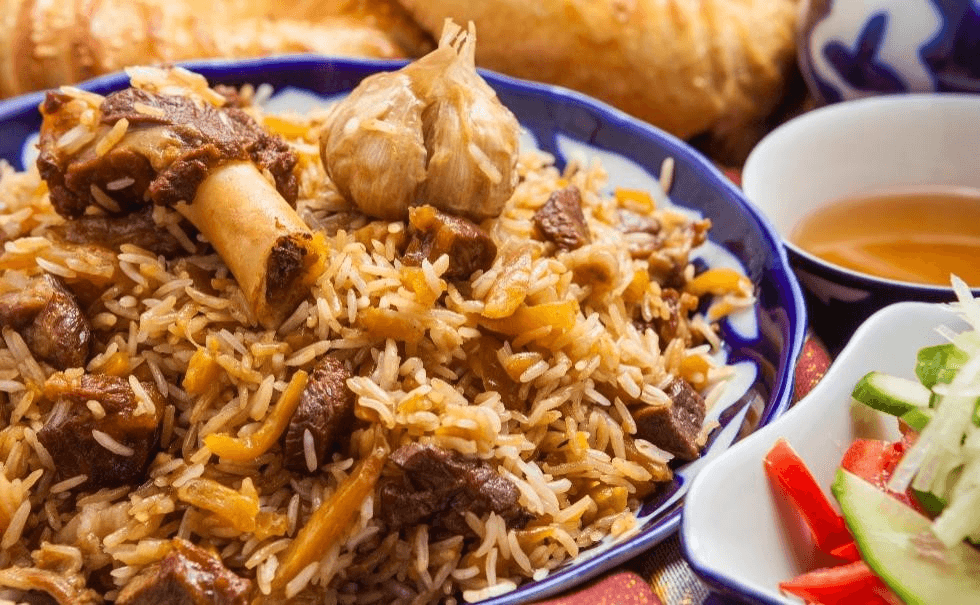
(1)Plov - The National Dish
If there is one dish that represents Uzbekistan, it is plov, also known as pilaf. This hearty meal of rice, carrots, onions, and meat is cooked with aromatic spices in a large cauldron called a kazan. Every region has its own version: in Samarkand, the rice and vegetables are layered so each ingredient keeps its flavor, while in Tashkent, the dish is often richer and heavier, with chickpeas, raisins, or even quail eggs added. Plov is more than just food—it is a social tradition. It is often prepared for weddings, holidays, and large gatherings, cooked in huge portions to feed families, neighbors, and guests. Travelers are often surprised by the hospitality that surrounds plov. Locals will invite you to join them, offering a plate piled high with steaming rice and tender lamb, usually accompanied by fresh bread and tea. Eating plov in Uzbekistan is not just about taste but about sharing in the culture and warmth of its people.
(2)Samsa - A Favorite Street Snack
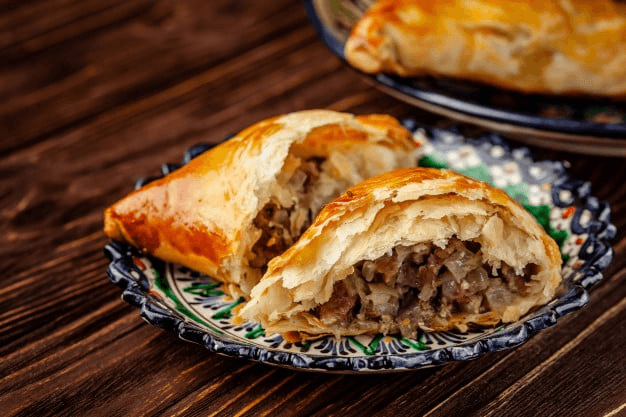
Another beloved part of Uzbek cuisine is samsa, a flaky pastry baked in clay ovens and filled with spiced meat, pumpkin, or potatoes. Unlike the small pastries found elsewhere, Uzbek samsas are larger and heartier, shaped like triangles or half-moons, with a crispy outside and juicy filling inside. Walking through a bazaar, the smell of samsas baking in traditional tandoor ovens is irresistible. Vendors pull them out piping hot, often sprinkled with sesame seeds, and sell them to hungry shoppers on the go. Eating a samsa fresh from the oven is an experience in itself—the crunch of the crust followed by the warmth of the filling makes it a perfect snack. In the evenings, families often buy a bundle of samsas to share at home with tea. For visitors, trying samsa at a busy market stall is one of the simplest yet most authentic ways to connect with local life. Together with plov, it shows the richness and variety of Uzbekistan’s food culture, which is built on fresh ingredients, strong flavors, and a tradition of hospitality.
(1) Is Uzbekistan safe for travelers?
Yes, Uzbekistan is generally considered one of the safest countries in Central Asia. Violent crime is rare, and most cities are well-patrolled. Tourists can walk around historic areas even at night without major concerns. Like any destination, it is wise to take simple precautions—keep your valuables secure, avoid unofficial taxis, and be cautious in crowded bazaars. Most visitors find locals very friendly and eager to help.
(2) Do I need a visa to enter Uzbekistan?
Many nationalities can now enter Uzbekistan without a visa, while others can apply for an e-visa online, which usually takes only a few days to process. Regulations change depending on your passport, so it is always best to check the latest requirements before traveling. Your passport should have at least six months of validity. Hotels normally register guests with local authorities, so keeping a copy of your passport and registration is useful during your stay.
(3) Can I use credit cards, or should I carry cash?
While international hotels and some restaurants in major cities accept Visa or MasterCard, cash in Uzbek som is still the most common way to pay. ATMs are widely available in Tashkent and Samarkand but less reliable in smaller towns. For everyday purchases in bazaars, tea houses, and shops, small cash notes are essential. It’s best to carry both cash and a card for flexibility.
(4) Is English widely spoken in Uzbekistan?
Uzbek is the official language, and Russian is also spoken in many places. English is increasingly common in tourist areas, especially among younger people and those working in hotels or travel services. However, in smaller towns and bazaars, English may not be understood. Learning a few simple words in Uzbek, like salom (hello) or rahmat (thank you), is appreciated and often brings a smile from locals.
(5) Are there vegetarian or special food options available?
Uzbek cuisine is famous for its meat dishes like plov and kebabs, but vegetarians can still find plenty to enjoy. Salads made with fresh vegetables, soups, bread, and fruit are widely available. Many restaurants in larger cities also offer vegetarian versions of traditional dishes, such as plov cooked with vegetables instead of meat. For travelers with dietary needs such as halal or vegan meals, it is best to ask in advance, but the food culture here is adaptable and welcoming.
Are you interested in this tour?
This tour can be tailored.
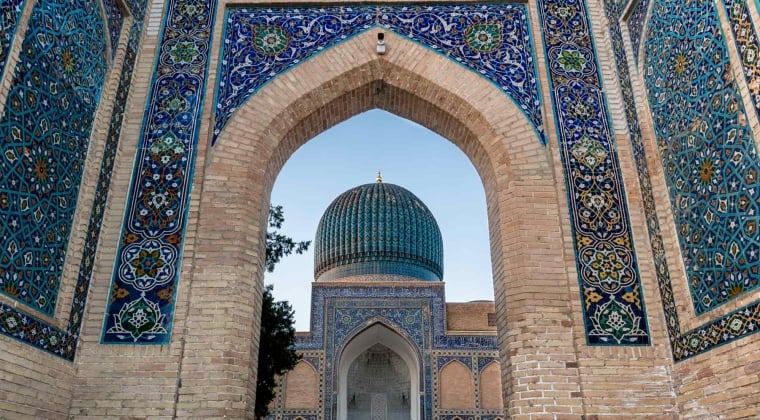
Tashkent-Urgench-Khiva-Bukhara-Samarkand-Tashkent
Embark on an 8-day journey through Uzbekistan's Silk Road gems: explore Tashkent's historic Khazrati-Imam Complex, wander the UNESCO-listed Ichan-Qala in Khiva, and marvel at Bukhara's Poikalon Ensemble. Ride the fast-speed Afrosiyob train to Samarkand's Registan Square, where Timurid architecture meets ancient paper-making traditions. Ideal for history lovers, this tour blends medieval cities, vibrant bazaars, and seamless transport, uncovering Central Asia's richest cultural tapestry.
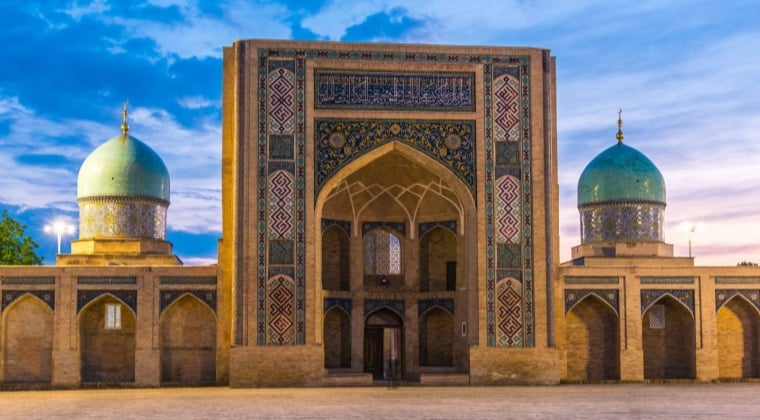
-Tashkent-Samarkand-Bukhara-Khiva-Bishkek-Karakol
Discover the Silk Road’s timeless treasures on this 14-day journey through Uzbekistan and Kyrgyzstan. Explore ancient cities like Samarkand and Bukhara, stay in traditional yurts by Issyk Kul Lake, and immerse in local culture with ceramic workshops and Dungan cooking classes. Perfect for travelers seeking a blend of historical landmarks, alpine landscapes, and authentic Central Asian experiences.
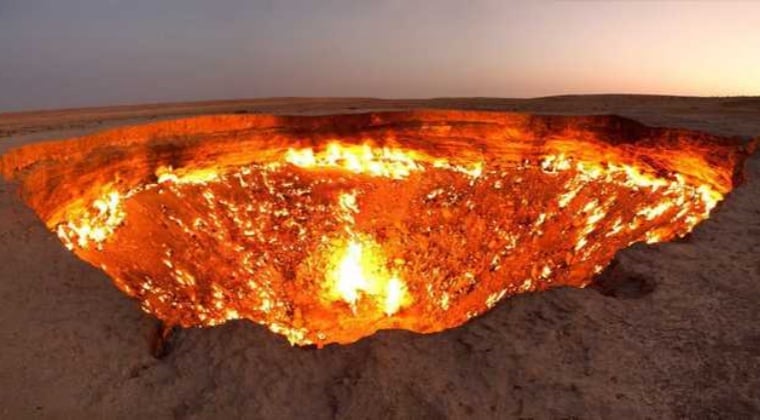
Almaty-Bishkek-Issyk-Kul-Karakol-Osh-Khujand-Penjakent-Samarkand-Bukhara-Khiva-Darwaza-Ashgabat
Embark on a 20-day journey through Central Asia's 5 Stans, exploring Kazakhstan's Charyn Canyon, Kyrgyzstan's Issyk Kul Lake, Uzbekistan's Silk Road cities, Tajikistan's Fann Mountains, and Turkmenistan's Darvaza Gas Crater. This immersive tour blends natural wonders, ancient architecture, and nomadic culture for an unforgettable adventure across Kazakhstan, Kyrgyzstan, Uzbekistan, Tajikistan, and Turkmenistan.
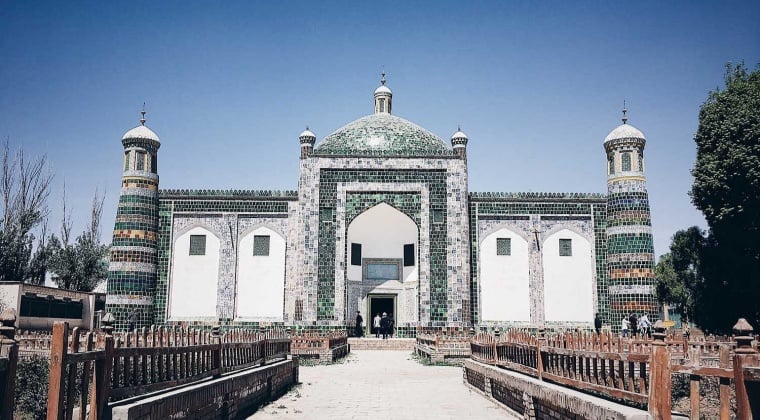
Ashgabat-Darwaza-Kunya-Urgench-Tashkent-Urgench-Khiva-Bukhara-Samarkand-Bishkek-Kashgar
Embark on a 17-day cross-border journey through Turkmenistan, Uzbekistan, Kyrgyzstan, and China's Kashgar, exploring Silk Road treasures like Darwaza's "Door to Hell," ancient cities of Khiva and Samarkand, and the alpine beauty of Issyk-Kul Lake. A perfect blend of historical ruins, natural wonders, and nomadic culture.
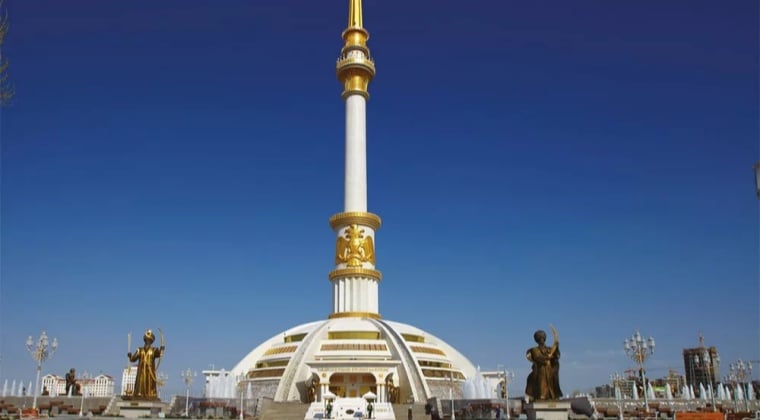
Tashkent-Khiva-Darvaza-Ashgabat-Mary-Bukhara-Samarkand-Penjikent-Khujand-Tashkent-
Discover a 13-day cross-border journey through Uzbekistan, Turkmenistan, and Tajikistan, exploring Silk Road gems like Khiva's Ichan-Qala, Darvaza's "Door to Hell," and Tajikistan's Seven Lakes. Immerse in ancient cities, nomadic culture, and stunning alpine landscapes.