


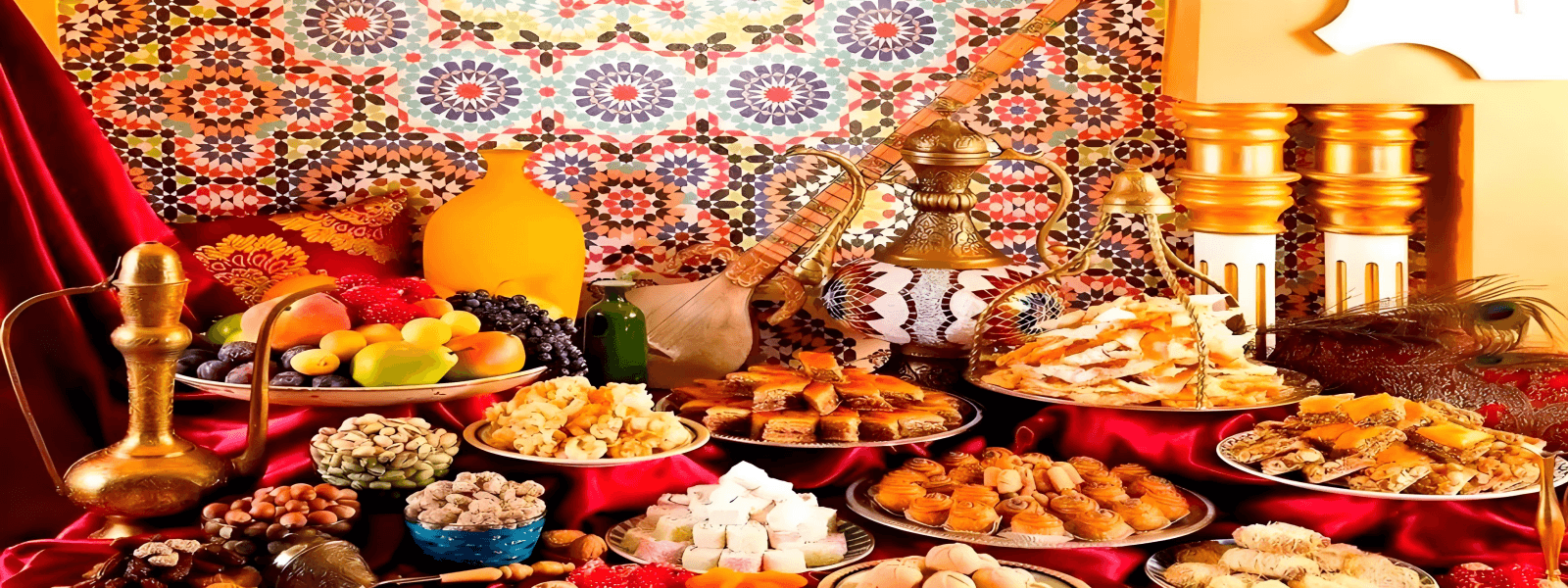
Get ready for a carnivore's paradise in Central Asia, where centuries of nomadic traditions meet Silk Road spices. Start your morning with samsa—flaky, oven-fresh lamb pies from a roadside tandoor, or warm baursak doughnuts dipped in fermented mare's milk. At lunch, gather around a communal platter of plov, where golden rice glistens with lamb fat and jewel-like carrots, best eaten with your hands like the locals. As the sun sets, follow the smoky aroma to street stalls serving shashlik—juicy skewered meat seared over open flames, paired with raw onions and chewy tandoor-baked non bread. Don't miss regional twists like Uzbekistan's black plov with quail eggs, or Kazakhstan's beshbarmak—tender horse meat over wide noodles, meant to be shared from a single plate. Whether you're sipping kumys in a yurt or bargaining for melons in Samarkand's bazaar, every bite echoes the untamed spirit of the steppe. Here, food isn't just sustenance—it's a celebration of hospitality, history, and the open road!
Table of Contents
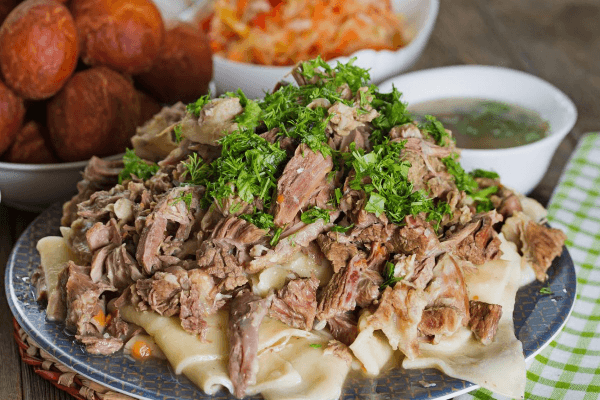
If you're traveling through Kazakhstan or Kyrgyzstan, you can't miss trying Beshbarmak—a dish that's more than just food; it's a taste of nomadic tradition. The name means "five fingers" because, traditionally, it's eaten with your hands, just like the old herders did.
Picture this: tender pieces of boiled horse meat or lamb (sometimes even beef) served over wide, flat noodles, all soaked in a rich, savory broth. The meat is so soft it falls apart, and the noodles soak up all the delicious flavors. Often, the dish comes with onions and herbs on top, adding a fresh touch.
In Kazakh and Kyrgyz culture, serving Beshbarmak is a sign of respect. If you're a guest, you might even be offered the honor of tasting the sheep's head, a special part reserved for the most important person at the table. Don't worry—you don't have to eat it all, but trying a little is a great way to connect with local customs.
Today, many places serve it with utensils, but if you get the chance, try eating it the traditional way—with your hands. It's messy but fun, and you'll feel closer to the spirit of the Great Steppe.
So, when you sit down for a meal in Central Asia, order Beshbarmak, dig in, and enjoy a dish that's been shared for generations. It's not just dinner—it's an experience!
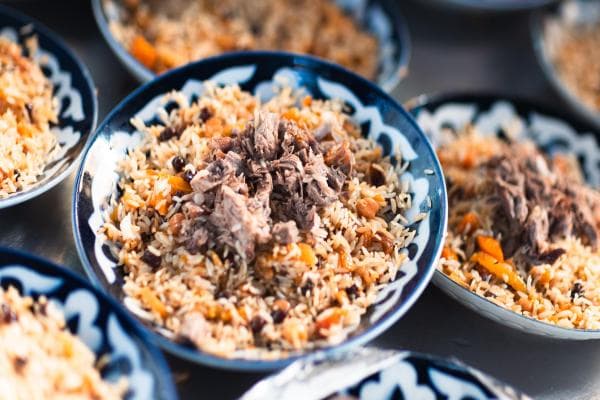
When you visit Uzbekistan, one dish you absolutely must try is plov—the king of Central Asian cuisine. More than just a meal, plov is a celebration of flavor, tradition, and hospitality. Imagine a steaming plate of golden rice, cooked to perfection with tender lamb or beef, sweet carrots, and onions, all simmered together in a rich, aromatic broth.
Every region in Uzbekistan has its own twist on plov. In Tashkent, it's often made with garlic and chickpeas, while in Samarkand, you might find it layered with raisins for a touch of sweetness. No matter where you try it, the rice is always fluffy, the meat melts in your mouth, and the spices—like cumin and coriander—give it a warm, comforting taste.
Plov isn't just food—it's at the heart of Uzbek culture. Families gather around a huge kazan (a traditional iron pot) to share it at weddings, holidays, and even just Sunday lunch. If you're invited to a local home, you might see the cook stirring the plov with a long wooden spoon, making sure every grain of rice is perfectly cooked.
And here's a fun fact: Uzbekistan holds the world record for the largest plov ever made—enough to feed thousands! That's how much people here love this dish.
So, when you're in Uzbekistan, don't miss the chance to sit down with a plate of plov. Whether you try it at a busy market, a cozy restaurant, or a local family's table, it's a meal you'll remember long after your trip. After all, in Uzbekistan, plov isn't just eaten—it's celebrated!
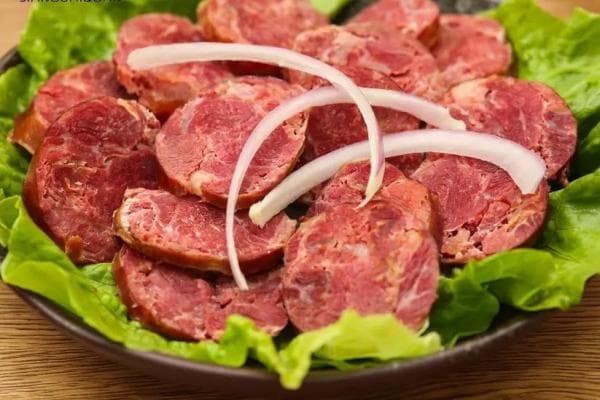
As you journey through Kazakhstan, let your taste buds discover chuchuk—a beloved sausage that captures the essence of the country's nomadic heritage. This isn't your ordinary sausage; it's a flavorful masterpiece made from smoked horse meat and rich fat, carefully prepared using traditional methods that have been perfected over generations.
What makes chuchuk truly special is its rich, smoky flavor—tender meat with just the right amount of fat that melts deliciously in your mouth. You'll often find it thinly sliced and served as an appetizer, accompanied by fresh onions and hearty rye bread. Some locals love pairing it with beshbarmak, where its bold taste perfectly complements the savory noodle dish.
In Kazakhstan, chuchuk is more than just food—it's a gesture of warm hospitality. When guests arrive, families proudly bring out this prized delicacy as a sign of welcome and respect. The making of chuchuk is a seasonal tradition, usually prepared in late autumn when the cool air helps cure the meat to perfection.
If you've never tried horse meat before, chuchuk is a great place to start. Its deep, smoky aroma and satisfying texture pair wonderfully with a glass of kumis (fermented mare's milk) or a strong cup of black tea.
So when you're in Kazakhstan, don't miss the chance to try chuchuk. It's not just a sausage—it's a delicious bite of history and culture, waiting to be savored.
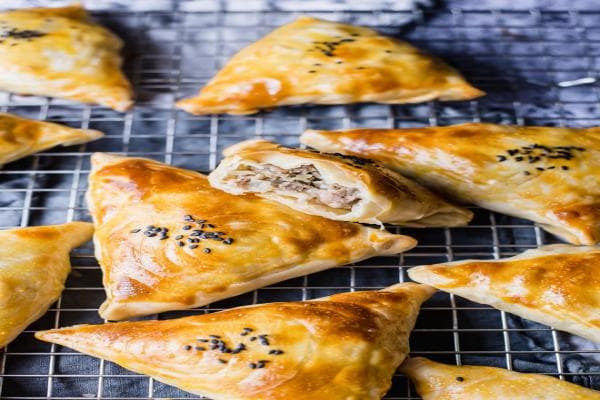
As you wander through the bustling bazaars of Uzbekistan, the irresistible aroma of freshly baked samsa will stop you in your tracks. These golden, flaky pastries are the ultimate street food snack, baked to perfection in traditional clay ovens called tandirs.
Picture this: layers of buttery dough wrapped around a savory filling of juicy lamb, sweet onions, and fragrant spices. Each bite gives you that perfect crunch followed by a burst of rich, meaty flavor. Some versions surprise you with fillings like pumpkin, potatoes, or even greens—all equally delicious in their own way.
What makes samsa so special is how it brings people together. You'll see locals grabbing them hot from the oven, eating them right on the spot while the steam still rises. Bakeries make them fresh throughout the day, so you're always guaranteed that wonderful just-baked taste.
The best way to enjoy samsa? Tear into one while it's still warm, maybe with a cup of green tea to balance the richness. Don't worry about being neat—the flakes will get everywhere, but that's all part of the fun!
When you're in Uzbekistan, make sure to try samsa from a street vendor. It's not just a snack—it's a little taste of Uzbek hospitality, wrapped in golden pastry and served with warmth. One bite and you'll understand why this simple pastry has been loved here for centuries.
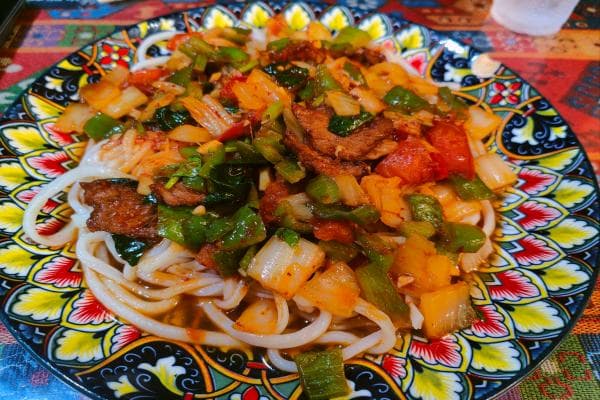
When you're exploring the vibrant food scene in Kyrgyzstan or Uzbekistan, make sure to try lagman—the ultimate comfort food that warms both body and soul. Picture hand-pulled noodles, springy and full of bite, swimming in a rich, aromatic broth packed with tender chunks of lamb, fresh peppers, carrots, and just the right touch of garlic and spices.
What makes lagman so special is how it brings together different influences along the Silk Road. The noodles have that satisfying chew, the broth carries deep, savory flavors, and the vegetables add a fresh crunch. Some versions come as a hearty soup, while others are served "dry" with the sauce clinging to every strand of noodle—both equally delicious in their own way.
You'll often see the noodle masters at work in open kitchens, stretching and folding the dough with practiced hands before tossing it into bubbling pots. It's not just a meal—it's a performance worth watching. Locals love to gather over big bowls of lagman, sharing stories as they slurp up the long noodles (a fun challenge for first-timers!).
Whether you try it at a busy market stall or a cozy family-run eatery, lagman is one of those dishes that stays with you. The first spoonful of that fragrant broth, the perfect bite of noodles and meat—it's comfort food at its finest, made with generations of love. One taste and you'll understand why this dish has been cherished across Central Asia for centuries.
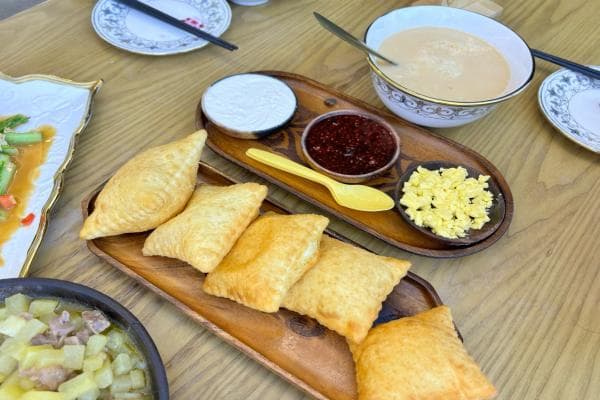
Imagine sitting in a cozy yurt as someone hands you a basket of warm, golden boorsok—Kyrgyzstan's answer to comfort food. These bite-sized fried dough pillows are simple but magical, with a crispy outside that gives way to a soft, fluffy center.
Every family has their own way of making boorsok. Some keep it plain and slightly salty, perfect for dipping in kaymak (clotted cream) or sweet jam. Others dust them with powdered sugar for a simple dessert. But the best way to enjoy them? Fresh from the pan, shared with friends over endless cups of milky tea while swapping stories.
You'll find boorsok everywhere—at celebrations, family gatherings, or even as a welcoming snack when you visit someone's home. The dough squares puff up when fried, creating little pockets perfect for soaking up honey or holding a dollop of homemade preserves.
There's something special about food that brings people together, and boorsok does just that. One piece leads to another, and before you know it, you've eaten a whole pile while laughing with new friends. When in Kyrgyzstan, don't just eat boorsok—experience the warmth and hospitality that comes with each golden piece. After all, happiness here comes in small, fried packages!
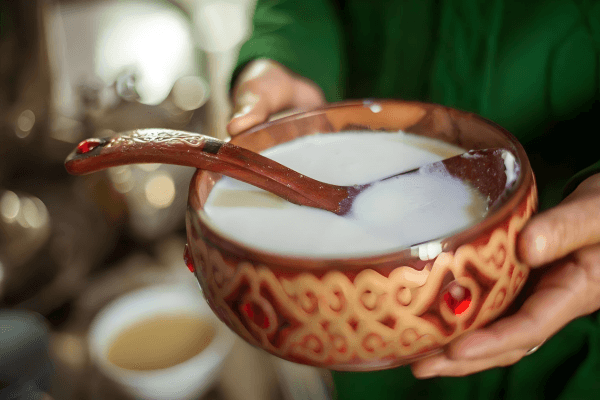
When you visit the grasslands of Kazakhstan or Kyrgyzstan, you'll be offered a unique drink that might surprise you at first—kumis, the lightly fermented mare's milk that nomads have cherished for centuries.
At first sip, you'll notice its tangy, slightly sour taste with a subtle fizz—like nature's own probiotic soda. The texture is thin and milky, with just a hint of natural sweetness. Some versions are mild, while others pack a stronger punch as they ferment longer.
This isn't just any drink—it's liquid history. Nomadic families prepare kumis by fermenting fresh mare's milk in leather bags called torsuks, stirring it daily until it develops its signature tang. In summer, when mares produce the most milk, you'll find it everywhere—from family yurts to roadside stands.
Locals believe kumis gives strength and health, and after a few sips, you might understand why. It's surprisingly refreshing on hot days, and pairs perfectly with rich meat dishes. If you're feeling adventurous, try the stronger, more fermented versions—just be prepared for their bolder kick!
When offered kumis, accept it with both hands as a sign of respect. Drinking this ancient beverage connects you to traditions that have sustained nomadic cultures for generations. It's more than a drink—it's a taste of the free-spirited soul of the steppe.
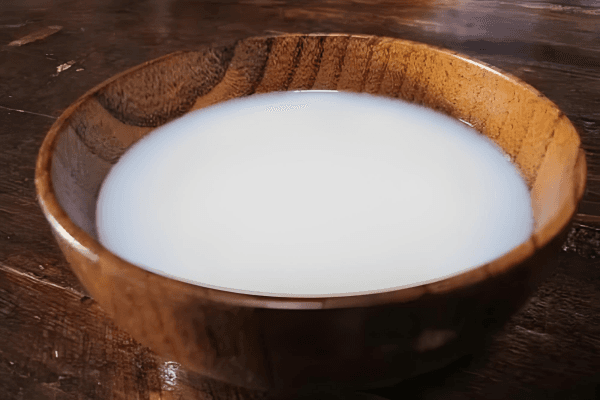
When the Central Asian sun beats down, you'll find locals cooling off with a glass of shubat—Turkmenistan's answer to staying refreshed in the desert heat. This slightly sour, fizzy drink made from fermented camel's milk might surprise you at first, but one sip will show you why it's been cherished for centuries.
Imagine a drink that's both tangy and creamy, with a light fizz that tickles your tongue. Shubat tastes like nature's own probiotic smoothie—cooling and good for your gut. The flavor is milder than you might expect, with a pleasant balance between sweet and sour that grows on you with each sip.
What makes shubat special is how it's made. Desert herders ferment fresh camel milk in special containers, letting it develop its unique bubbly texture and refreshing taste. In Turkmen villages, you'll often see families sharing pitchers of shubat during meals, especially in summer when its cooling properties are most welcome.
Don't be surprised if your first taste comes with a story—locals love explaining how shubat gives energy and helps digestion. It pairs perfectly with heavy meat dishes, cutting through the richness with its light acidity. If you're offered a glass, accept it graciously—you're not just trying a drink, you're experiencing a tradition that's kept desert travelers hydrated for generations.
From the first sip to the last, shubat connects you to the rhythm of desert life. It's more than a drink—it's a taste of Turkmen hospitality and the clever ways people have thrived in this harsh, beautiful landscape.
Are you interested in this tour?
This tour can be tailored.

