


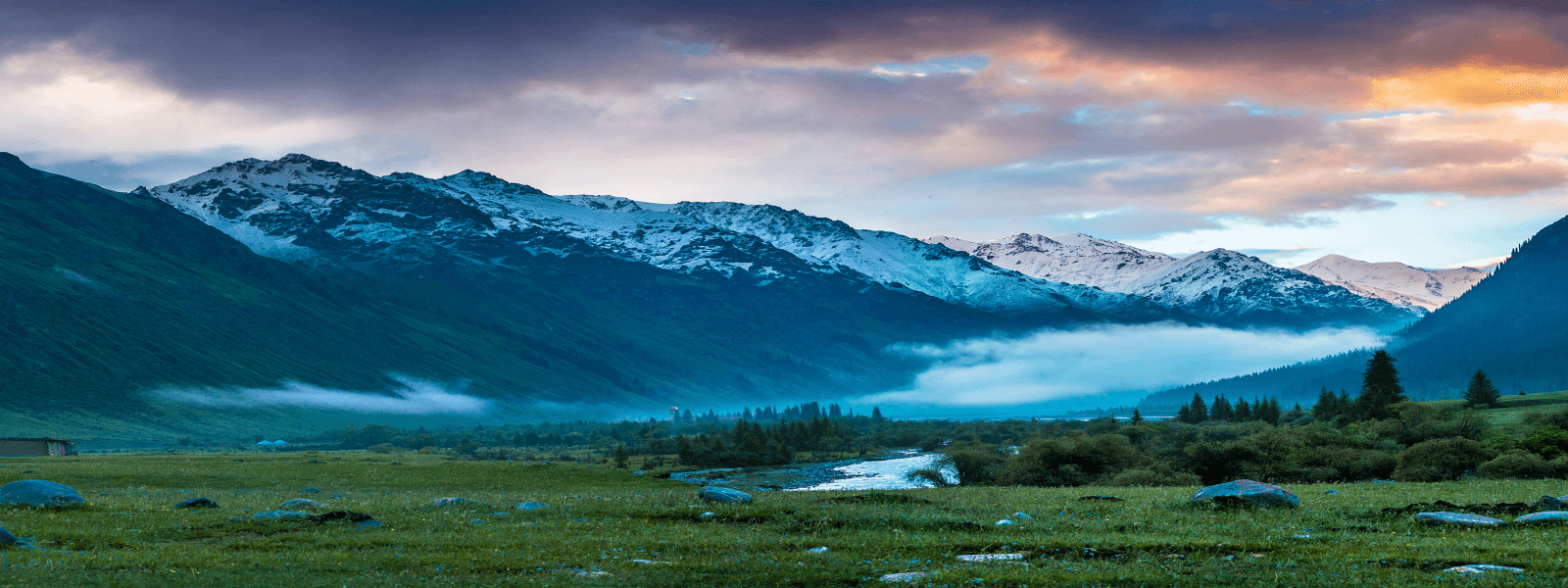
If you love adventure, trekking in Central Asia is waiting for you. Walk through the wild Tian Shan and Pamir Mountains, where Kyrgyzstan, Kazakhstan, and Tajikistan share breathtaking trails. You'll pass turquoise lakes like Issyk Kul and Iskanderkul, cross alpine meadows, and explore untouched valleys—all without the crowds of more famous trekking spots.
Here, the trekking is as rich as the views. Stay in traditional yurts, meet friendly nomads, and experience their warm hospitality over tea or a homemade meal. Trails like Ala-Kul Lake and the Fann Mountains reward you with snow-capped peaks, crystal-clear waters, and deep gorges.
The best time to trek is June to September, when the weather is perfect for trekking. Along the way, you'll find ancient Silk Road ruins, petroglyphs, and remote villages that few travelers ever see.
If you're looking for a trek that's wild, culturally deep, and truly unforgettable, Central Asia's trails are calling. Lace up your boots—adventure is out there.
Table of Contents
Kazakhstan is a dream for hikers like you—vast steppes, rugged mountains, and untouched wilderness waiting to be explored. Before you lace up your boots and hit the trails, here's what you should keep in mind to make your adventure safe and unforgettable.
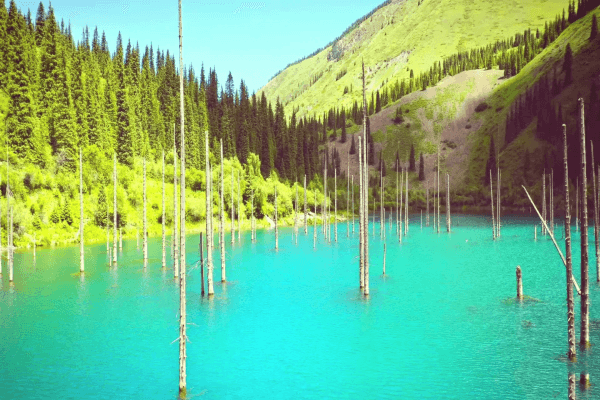
First, let's talk about where you'll be trekking. The Tian Shan and Altai mountains are the crown jewels of trekking here. Picture yourself trekking through green valleys, past crystal-clear alpine lakes, and up slopes where eagles soar overhead. The Charyn Canyon, often called Kazakhstan's "Grand Canyon", offers dramatic red rock formations that glow in the sunset. And if you love remote beauty, the Kolsai Lakes—three stunning blue lakes hidden in the mountains—are a must-see.
You don't need to be an expert hiker to enjoy these trails, but you should be prepared. The weather can change fast, especially in the mountains, so pack layers—a warm jacket, rain gear, and sturdy hiking boots are a must. Bring enough water and snacks, as some trails don't have shops or facilities. A basic first-aid kit and a map (or offline GPS) will help if you wander off the beaten path.
click to explore Kazakhstan
Some areas, like parts of the Altai, require permits, so check before you go. If you're heading into national parks, there might be small fees, but they're worth it to help preserve these beautiful places. Hiring a local guide is a great idea if you're new to the area—they'll show you hidden spots and share stories that make the land come alive.
Respect the nature around you. Kazakhstan's wilderness is pristine because travelers like you take care of it. Stick to marked trails, carry out your trash, and avoid disturbing wildlife. The locals are proud of their land, and a friendly smile goes a long way—even if you don't speak the language.
So, are you ready? Kazakhstan's trails are calling. Whether you're chasing mountain views, peaceful lakes, or the quiet of the open steppe, this country has something amazing waiting for you. Just pack smart, tread lightly, and let the adventure begin.
Uzbekistan might be famous for its Silk Road cities, but beyond the ancient mosques and bustling bazaars lies another kind of adventure—trekking through rugged mountains, hidden valleys, and sweeping deserts. If you're looking for trails that mix history with wild beauty, this is the place for you.
The best trekking is in the Western Tian Shan and the Nuratau Mountains, where rocky paths wind through remote villages and past shepherd camps. Imagine walking through juniper forests, crossing clear mountain streams, and spotting rare wildlife like wild goats and golden eagles. The Chimgan and Beldersoy areas near Tashkent are perfect for day hikes, with rolling green hills and cool alpine air. For something truly unique, head to the Kyzylkum Desert—vast, silent, and dotted with unexpected oases where you can rest under the shade of desert trees.
You don't need to be an expert, but you should come prepared. The sun can be intense, especially in the desert, so bring a hat, sunscreen, and plenty of water. Sturdy shoes are a must—some trails are rocky or uneven. Even in summer, mountain evenings can get chilly, so pack a light jacket. If you're venturing into remote areas, bring snacks and a basic first-aid kit, as services are limited.
click to explore Central Asia
Some trails pass through small villages where people still live traditional lives. A smile and a friendly "Assalomu alaykum" (hello) go a long way. If you're invited for tea, take the time to sit and share a cup—it's a great way to connect. Just remember to dress modestly in rural areas, especially near religious sites.
Permits aren't usually required, but if you're trekking in protected areas like the Gissar Range, check local rules. Hiring a guide is a good idea if you're exploring deeper into the mountains—they'll know the best routes and might even introduce you to local homestays where you can sleep under a blanket of stars.
Uzbekistan's landscapes are full of surprises—hidden waterfalls, ancient petroglyphs, and views that stretch all the way to the horizon. So pack your sense of adventure, respect the land and the people, and get ready to discover a side of Uzbekistan most travelers never see. The trails are waiting—where will they take you?
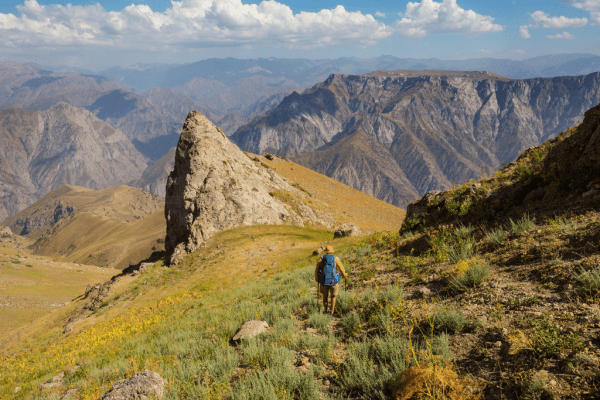
If you're dreaming of untouched mountain landscapes where eagles circle above alpine lakes and shepherds still roam with their flocks, Kyrgyzstan is your paradise. This country was made for trekking, with trails that lead you through flower-filled valleys, past crystal-clear waterfalls, and up to viewpoints that will leave you breathless—in every sense of the word!
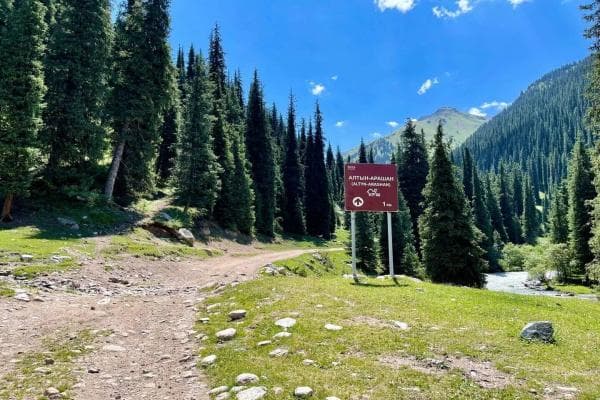
The Tian Shan mountains are the heart of Kyrgyzstan's trekking magic. Picture yourself walking through the lush green meadows of Ala-Archa National Park, just a short drive from Bishkek, where glaciers cling to rugged peaks. Or imagine spending days trekking around Song-Köl Lake, where nomadic families welcome travelers with fermented mare's milk and stories around the fire. For something truly spectacular, the Altyn Arashan valley near Karakol rewards hikers with steaming hot springs after a day of exploring pine forests and snow-capped ridges.
Weather changes quickly in the mountains—sunny mornings can turn into chilly afternoons, so pack layers including a warm fleece and waterproof jacket. Sturdy trekking boots are essential as many paths are rocky or uneven. While you'll find basic guesthouses (called "yurt stays") along popular routes, if you're heading into remote areas bring a tent, sleeping bag, and enough food for your trekking. Don't forget water purification tablets as mountain streams look clean but might need treatment.
click to explore Kyrgyzstan
One of the most special things about trekking here is meeting local shepherds who still live as their ancestors did. If you're invited into a yurt for tea or kumys (that traditional fermented drink), accept the hospitality—it's the best way to understand nomadic culture. Just remember to remove your shoes before entering and pass items with your right hand as local customs dictate.
While most areas don't require permits, some national parks charge small entry fees that help maintain the trails. If you're attempting serious multi-day treks like the famous Lake Issyk-Kul circuit or the demanding routes in the Pamir-Alay mountains, consider hiring a local guide—they'll know the safest paths and can arrange horse support if your backpack gets too heavy.
Kyrgyzstan's trails offer something magical: complete silence broken only by rushing rivers, night skies so starry, and the proud smiles of nomads who've called these mountains home for centuries. All you need to bring is your sense of wonder (and maybe some blister plasters). So lace up your boots, take a deep breath of that crisp mountain air, and step into an adventure you'll remember forever. Ready to answer the call of the wild?
Let's be honest—you're not just looking for another trek. You want that heart-pounding moment when you crest a ridge and the world drops away beneath your boots. That's Tajikistan. This isn't trekking; it's time travel through landscapes so raw they'll rewrite your definition of wilderness.
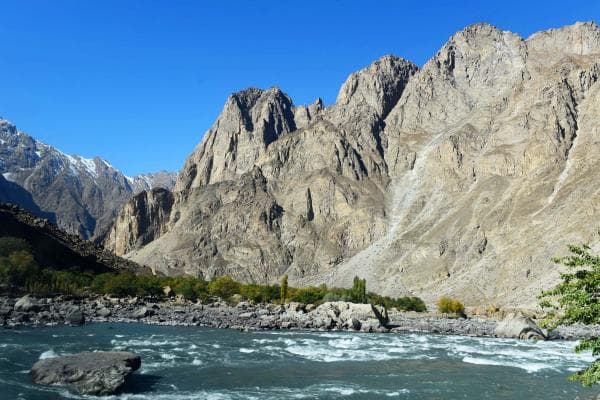
The Pamirs don't simply tower—they loom like sleeping dragons, their ridges sharp enough to cut clouds. You'll trace valleys where Marco Polo's caravan shadows still feel present, crossing rivers so cold they steal your breath mid-step. The Fann Mountains? Imagine Switzerland if no one had built cable cars—just jewel-toned lakes cupped in granite palms, their surfaces so still they double the sky.
Pack like you're escaping civilization (because you are). That -20°C sleeping bag isn't overkill when night transforms your tent into a popsicle. Break in those boots until they're family—you'll need them for shale slopes that shift like loose teeth. Stock up on Snickers bars; at 4,000 meters, they're currency better than Tajik somoni.
click to explore Tajikistan
The real magic happens when GPS fails. A shepherd's call leads to a yurt where fermented mare's milk becomes your unlikely fuel. Villagers press wrinkled hands around yours, feeding you plov with fingers that know nothing of cutlery. You'll sleep in homes where the family goat has naming rights to your sleeping corner.
This is trekking with the volume cranked—where thin air makes every step an achievement, where glaciers creak like old floorboards, where you'll trade your fancy rain jacket for a Soviet-era army coat that smells of mutton and pride. Leave your itinerary in Dushanbe; out here, detours become legends and "lost" just means you've found the good part. Still hesitating? Your boots are already gathering dust. The mountains are waiting—and they don't do patience.
Forget everything you know about trekking. This isn't about well-marked trails or cozy mountain huts. Turkmenistan doesn't do ordinary. Here, your footprints will vanish behind you in the Karakum's shifting sands, erased by winds that whisper caravan tales from two thousand years ago.
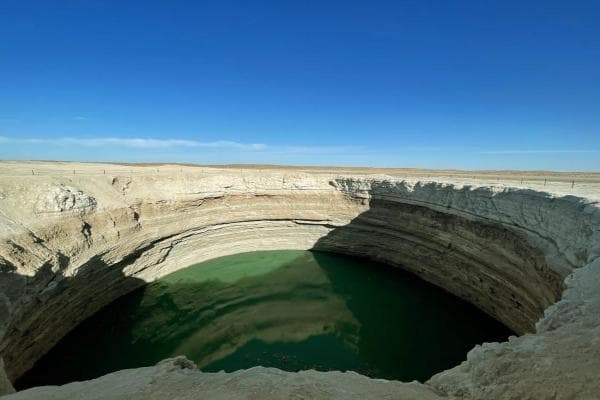
That crater you've seen in photos? Darvaza's eternal flames are just the opening act. Wait until you trek through Yangykala Canyon at dawn, when the cliffs ignite in impossible shades of peach and rust—like someone set fire to the Grand Canyon. The Kopet Dag's ridges hide forgotten Soviet-era observatories and secret waterfalls that only local shepherds can find.
You'll pack differently here. That 5-liter water bladder isn't overkill when the nearest well is three camel rides away. Break-in those boots until they're second skin—you'll need them for scrambling up fossil-strewn ravines where prehistoric seabeds suddenly jut skyward. That bandana isn't fashion; it's your first defense against dust storms that taste like ancient salt pans.
click to explore Central Asia
The magic happens when official trails end. A nomad's wave leads to a felt yurt where bowls of shorba soup appear like mirages. Village boys will teach you to spot desert fox tracks between the dunes. At night, you'll sleep on rope beds under blankets woven with patterns older than Marco Polo's travelogues.
This is trekking stripped bare—no handrails, no safety nets, just you and landscapes so raw they feel freshly made. That "path" might be a dried-up riverbed. That "rest stop" could be a ruined caravanserai where silk traders once haggled. Every sunset paints the desert in new madness—one evening molten gold, the next a violet so deep it hurts your eyes.
Turkmenistan doesn't wait for the hesitant. The sands are restless. The crater's flames dance. The canyons hum with forgotten songs. All that's missing is your bootprints.
6. Essential Gear for Trekking in Central Asia
(1) Clothing
Base Layer: Moisture-wicking shirts/pants (e.g., COOLMAX fabric) to stay dry in hot days.
Insulation Layer: Fleece jacket or down vest for cold mornings/evenings (especially in mountainous areas).
Outer Layer: Windproof/waterproof windbreaker to protect against sandstorms and sudden rain.
Quick-dry pants: Convertible pants with detachable legs for versatility.
Sun protection: Wide-brimmed hat, UV-blocking sunglasses, and neck gaiter (for dust).
(2) Footwear
Hiking boots: Mid/high-ankle Gore-Tex boots for rocky terrain (break them in before the trekking!).
Sandals/Sports shoes: For campsite use or river crossings.
Socks: Wool or synthetic blend (2-3 pairs) to prevent blisters.
Gaiters: To keep sand/pebbles out of shoes in deserts.
(3) Backpack & Camping Gear
Backpack: 50-70L for multi-day hikes with a rain cover.
Tent: Lightweight, wind-resistant (for open steppe areas).
Sleeping bag: Rated for 0°C or lower (nights can be chilly).
Sleeping pad: Insulated for ground comfort.
(4) Tools & Safety
Navigation: GPS device, paper map, and compass (remote areas lack signals).
Headlamp: With extra batteries for night hikes.
Multi-tool/knife: For gear repairs or emergencies.
First-aid kit: Include altitude sickness meds (for Tajikistan's Pamirs) and diarrhea tablets.
(5) Food & Water
Water bottles/bladder: 3L capacity (water sources may be scarce).
Water purification: Tablets or portable filter (avoid untreated water).
High-energy snacks: Nuts, energy bars, and dried fruits.
(6) Other Items
Sunscreen & lip balm: SPF 50+ for intense UV rays.
Cash (USD/local currency): Many rural areas don't accept cards.
Portable charger: Power banks for electronics.
Are you interested in this tour?
This tour can be tailored.

