


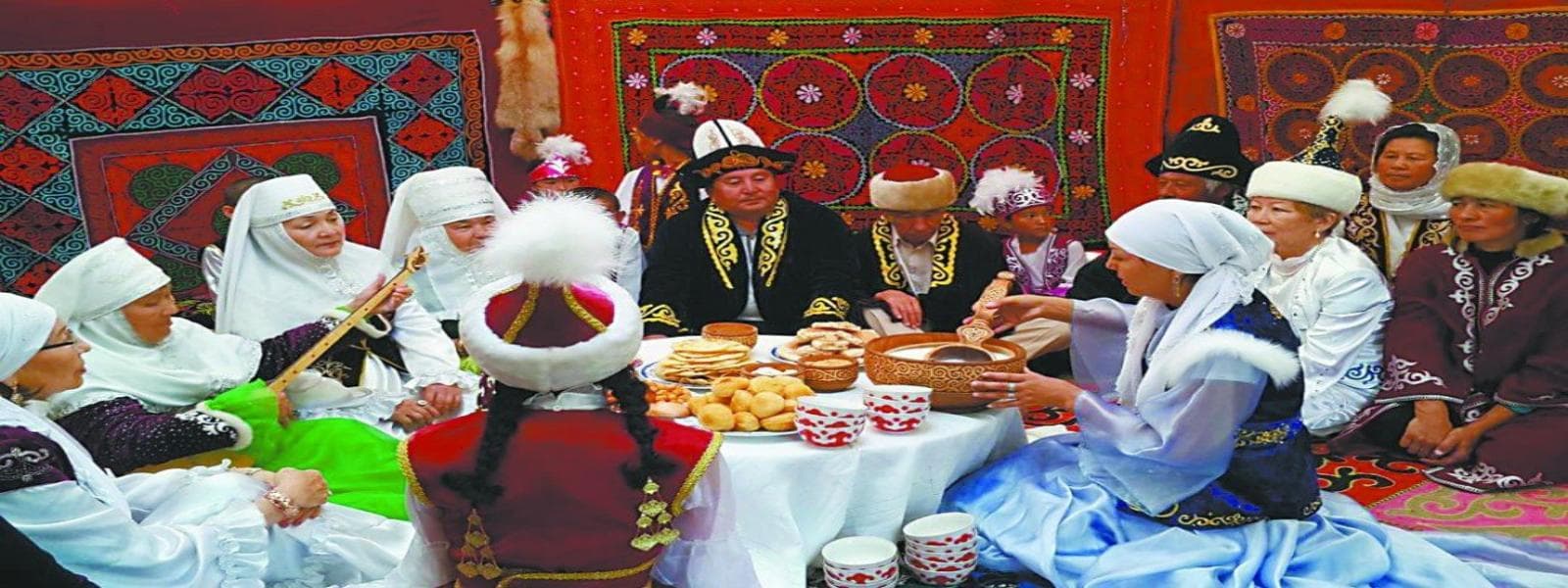
When visiting the five Central Asian countries—Kazakhstan, Kyrgyzstan, Tajikistan, Turkmenistan, and Uzbekistan—you'll discover a fascinating blend of ancient traditions and warm hospitality. These nations share deep roots in nomadic culture and Islamic heritage, making cultural awareness essential for a smooth and enjoyable tour. Here's what you should know to navigate local customs with confidence.
Table of Contents
1. Greetings and Social Interactions
First impressions matter greatly in Central Asia. A friendly handshake with your right hand is the standard greeting—remember that the left hand is traditionally considered unclean. Maintain warm eye contact and smile genuinely; locals appreciate this openness. In more familiar settings, especially in Uzbekistan, close friends may exchange hugs or cheek kisses among men, while women often embrace.
Respect for elders is deeply ingrained in the culture. In Tajikistan, younger people may gently kiss the back of an elder's hand as a sign of reverence. Kyrgyz hosts might present you with a traditional felt hat or a sky-blue scarf (symbolizing eternal skies)—accept these gifts with both hands and express sincere thanks.
Be mindful of body language. Pointing directly at people or objects with your finger is considered impolite—instead, gesture with your whole hand. Crossing your legs in a way that shows the soles of your feet can be offensive. In Tajikistan, keeping your hat on during conversations shows respect, while removing it might be seen as too casual.
Conversation topics require some discretion. While locals are generally welcoming to visitors, it's best to avoid sensitive subjects like regional politics and religious debates. Instead, ask about family, traditional crafts, or local cuisine—these topics often lead to engaging exchanges.

Sharing meals is central to Central Asian hospitality, and understanding dining etiquette will help you connect with your hosts.
Islamic dietary laws influence local cuisine, so pork products are unavailable, and alcohol consumption is modest, especially during Ramadan. If visiting during this holy month, refrain from eating or drinking in public during daylight hours as a sign of respect.
Each country has its own culinary traditions:
- In Kazakhstan, being served a boiled sheep's head is the highest honor. As the guest, you might be invited to make the first cut—typically taking a piece of cheek meat to offer to the eldest at the table before serving yourself.
- Kyrgyzstan's national dish, beshbarmak ("five fingers"), is traditionally eaten by hand. Follow your host's lead—they'll indicate when to start and may serve you choice pieces of meat from the communal plate.
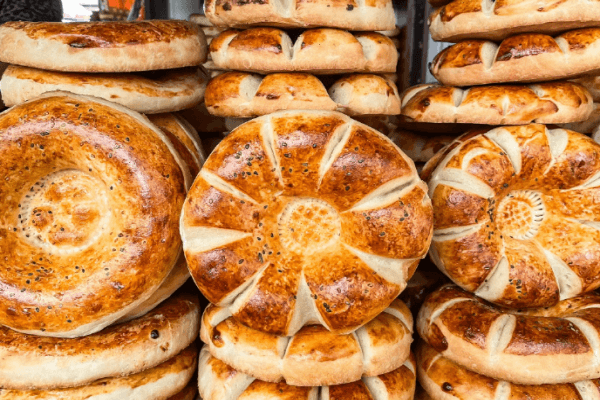
- Uzbekistan takes great pride in its golden-hued plov (pilaf). When offered bread (non), receive it with both hands and tear off pieces rather than cutting it—this preserves the bread's "soul" according to local belief.
Remember that refusing food can offend your hosts. Even if you're not hungry, accept at least a small portion with gratitude. Tea (usually green in Kazakhstan, black elsewhere) is ever-present—your cup will be constantly refilled unless you place your hand over it to signal you've had enough.
3. Religious and Cultural Sensitivity
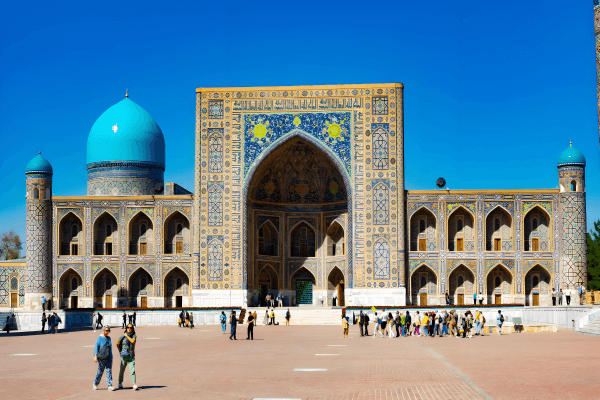
Islam shapes many aspects of daily life, though practices vary from country to country. When visiting mosques—many of which are architectural masterpieces—dress conservatively. Women should cover their hair with a scarf and wear clothing that conceals shoulders and knees. Men should avoid shorts. Remove your shoes before entering, and move quietly without disturbing worshippers.
The right hand holds special significance. Always use it for eating, handing objects to others, or accepting gifts. The left hand, reserved for personal hygiene, should never be used for these purposes. If you're left-handed, make a conscious effort to adapt during your stay.
Religious festivals like Ramadan and Eid are observed throughout the region. While non-Muslims aren't expected to fast, being discreet about eating and drinking during daylight hours shows consideration. In Uzbekistan, the Navruz spring festival (March 21) features vibrant celebrations—joining in respectfully can be a highlight of your trip.
4. Dress Code and Public Behavior
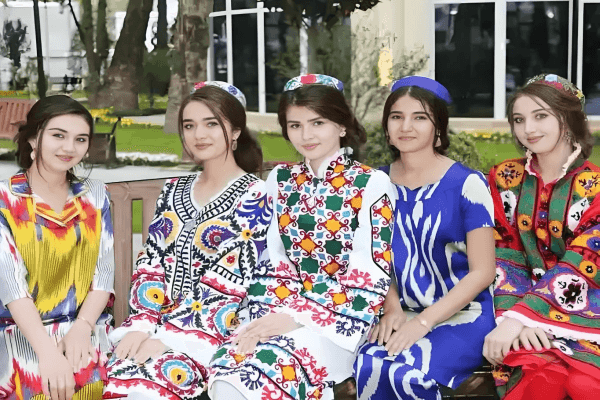
Central Asians generally dress more formally than Western tourists. While standards have relaxed somewhat in cities, conservative attire will help you blend in and show respect. Avoid shorts, tank tops, or revealing clothing—this is especially important when visiting religious sites or government buildings.
In Turkmenistan, where societal norms are particularly strict, loud conversations or boisterous behavior in public may draw disapproving looks. Uzbekistan maintains rules against public displays of affection and behaviors like spitting. Tajik women often wear colorful headscarves—notice how the colors signify life stages, with red for brides and yellow for young girls.
Color symbolism appears throughout the region. Black is widely associated with mourning—Turkmenistan even prohibits black cars. White represents purity and is favored for weddings, while green, the color of Islam, symbolizes life and renewal.
Central Asia's rich folklore includes many unique beliefs. In Tajikistan, Wednesday and Sunday are considered unlucky days for starting important ventures. Spilling salt or stepping on food is thought to bring misfortune—if you accidentally do so, a lighthearted apology helps smooth things over.
Turkmenistan has particularly strict rules about photography. Never photograph government buildings, military installations, or uniformed personnel—penalties can be severe. When in doubt, always ask permission before taking pictures of locals or their property.
Numbers carry meaning too. While Westerners might avoid the number 13, some Central Asians also view 4 and 9 as unlucky. This rarely affects travelers directly but explains why you might notice these numbers skipped in hotel floor numbering.

Final Travel Tips
A few practical notes will help your journey go smoothly:
- Language goes a long way. Russian serves as a lingua franca, but learning simple greetings in the local languages (like Kazakh "Sälem" or Uzbek "Salom") will delight residents.
- Carry small change for incidental expenses. While tipping isn't customary, leaving a few dollars for exceptional service at hotels or rounding up taxi fares is appreciated.
- Always have your passport handy—police may request it unexpectedly. If stopped, remain calm, take it easy, and avoid confrontation.
Central Asia offers some of the world's most genuine cultural experiences. By embracing local customs with an open heart, you'll find doors opening to unforgettable encounters. The region's legendary hospitality means that small efforts at cultural understanding are rewarded with warm friendships and deeper travel memories. Enjoy every moment of your adventure!
Are you interested in this tour?
This tour can be tailored.

