


China has cultivated a rich and profound cultural heritage over the past 5,000 years, encompassing architecture, museums, sculptures, paintings, martial arts, and more. These elements have together given birth to a wealth of cultural wonders that continue to leave visitors in awe and capture the world's attention.
With such an abundance of cultural treasures to explore, you might be wondering where to begin your tour. Here are the top 10 cultural heritage sites that we highly recommend for your China tour.
Table of Contents
As the famous Chinese saying goes, "He who has not climbed the Great Wall is not a true hero"—a testament to the awe-inspiring grandeur of this ancient wonder.
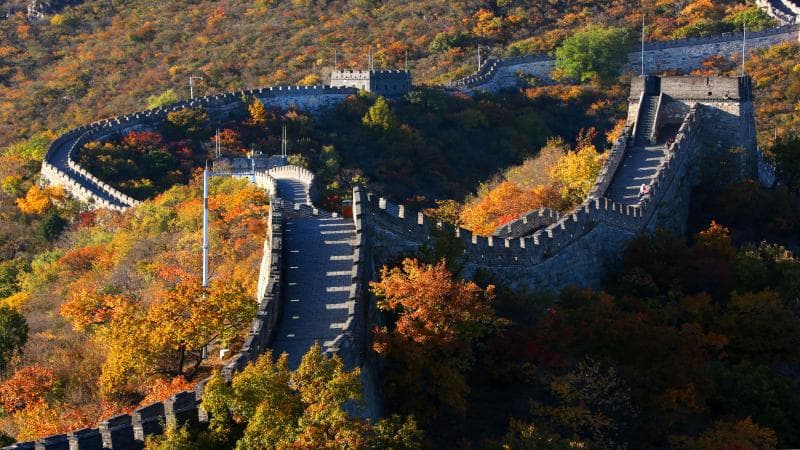
Stretching over 6,000 kilometers from Shanhaiguan Fortress in the east to Jiayuguan in the west, the Great Wall (or "Changcheng"—the "Long Wall") winds its way through Tianjin, Inner Mongolia, Hebei, Ningxia, and Beijing, where its most magnificent sections can be found.
This architectural masterpiece features towering parapets and watchtowers, standing 6–8 meters high—soaring up to 16 meters in some sections—with pathways wide enough for five horses or ten soldiers to march abreast. Its earliest fortifications date back to the 7th century BC, but the most iconic segments were unified in 210 BC under China's first emperor, Qin Shi Huang.
Best Sections to Visit
-Badaling (closest to Beijing, easily accessible by bus or tour)—The most famous and well-preserved stretch.
-Mutianyu (70 km northeast of Beijing)—A beautifully restored section with stunning mountain views.
-Gubeikou (130 km from Beijing)—A less crowded, rugged stretch offering an authentic experience.
Whether you're drawn by its historical significance, breathtaking scenery, or legendary status, the Great Wall remains an unmissable highlight of any trip to China.
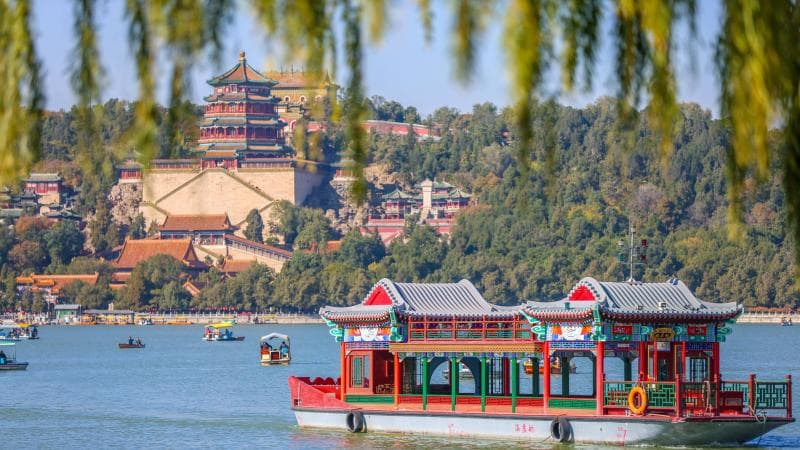
Nestled just 15 kilometers from Beijing's bustling city center, the magnificent Imperial Summer Palace (Yiheyuan) stands as one of China's most breathtaking historical treasures. This sprawling 283-hectare complex, recognized as a UNESCO World Heritage Site, perfectly blends imperial architecture with serene natural landscapes. Originally constructed in 1153 and later enhanced in the 15th century with the addition of Kunming Lake, the palace offers visitors a glimpse into China's royal past through its exquisite pavilions, tranquil gardens, and shimmering waterways.
A short distance away, the haunting ruins of the Old Summer Palace (Yuanmingyuan) serve as a solemn counterpoint to Yiheyuan's preserved beauty. Once considered the pinnacle of Chinese garden design, this former masterpiece was tragically destroyed in the 19th century, leaving behind evocative remnants that speak to China's complex history.
Today, the Summer Palace remains not just a monument to imperial China, but a living cultural space where visitors can enjoy traditional performances, take leisurely boat rides on the lake, or simply lose themselves in the timeless beauty of this extraordinary historical landscape. The site's perfect harmony of architecture and nature makes it an essential experience for anyone visiting Beijing.
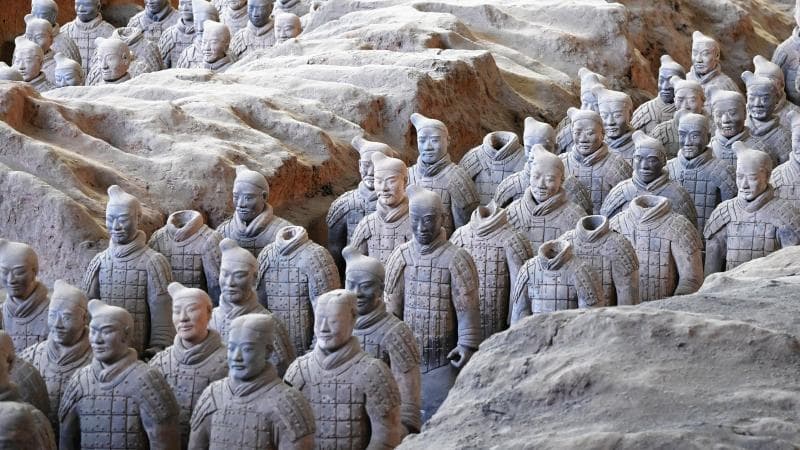
In the 1970s, farmers drilling a well in the countryside near Xi'an made an astonishing discovery—the Terracotta Army, now celebrated as one of China's most extraordinary archaeological treasures. This remarkable find unveiled over 8,000 life-sized warrior statues, 520 horses, 100 chariots, and numerous other figures, all crafted to protect the tomb of China's First Emperor, Qin Shi Huang.
Though some figures suffered damage over time, most have been carefully restored, offering a vivid glimpse into the emperor's quest for immortality and the ancient Chinese belief in the afterlife. Today, the Emperor Qinshihuang's Mausoleum Site Museum stands as one of China's must-see attractions. Walking among these silent sentinels, visitors can almost feel the weight of history, as if witnessing an eternal parade frozen in time.
For an immersive experience, English-guided tours are available, bringing the fascinating stories of these clay warriors to life. Don't miss the chance to come face-to-face with one of the world's greatest ancient wonders!
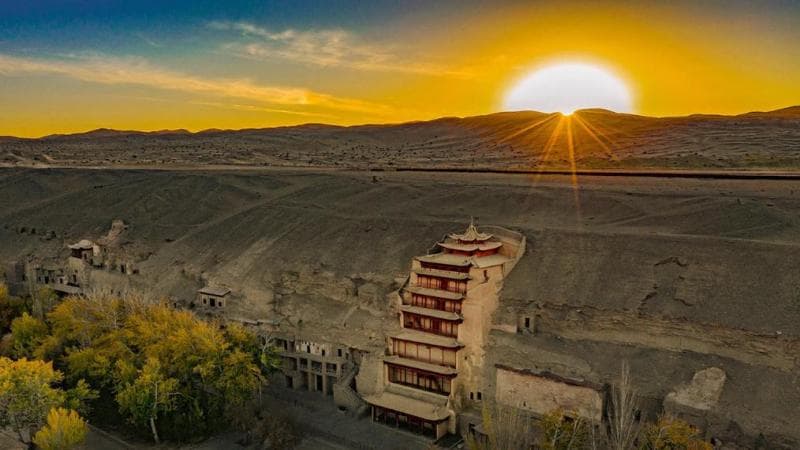
Nestled in the heart of China's Gobi Desert, the Mogao Grottoes, also known as the Thousand Buddha Grottoes, are a mesmerizing treasure trove of ancient Buddhist art and culture. This UNESCO World Heritage Site boasts over 1,600 years of history, with 492 exquisitely decorated caves housing 45,000 square meters of breathtaking murals and 2,400 painted sculptures.
As you step into these sacred caves, you'll be transported back in time, surrounded by vibrant frescoes depicting celestial beings, intricate mandalas, and scenes from the Silk Road's golden age. The delicate craftsmanship and rich colors have miraculously survived the test of time, offering a rare glimpse into the spiritual and artistic brilliance of ancient China.
Beyond the art, Mogao whispers tales of merchants, monks, and pilgrims who once journeyed along the Silk Road, exchanging ideas and faiths. The famous Library Cave, discovered in 1900, revealed thousands of manuscripts, silk paintings, and relics, making it one of the most significant archaeological finds of the 20th century.
A visit to Mogao is more than just sightseeing—it's a pilgrimage into the soul of Buddhist heritage. Whether you're an art lover, history enthusiast, or spiritual seeker, the Mogao Grottoes promise an unforgettable encounter with the wonders of human creativity and devotion. Don't miss the chance to witness this jewel of the desert, where every stroke of paint tells a story.
5. Dujiangyan Irrigation System
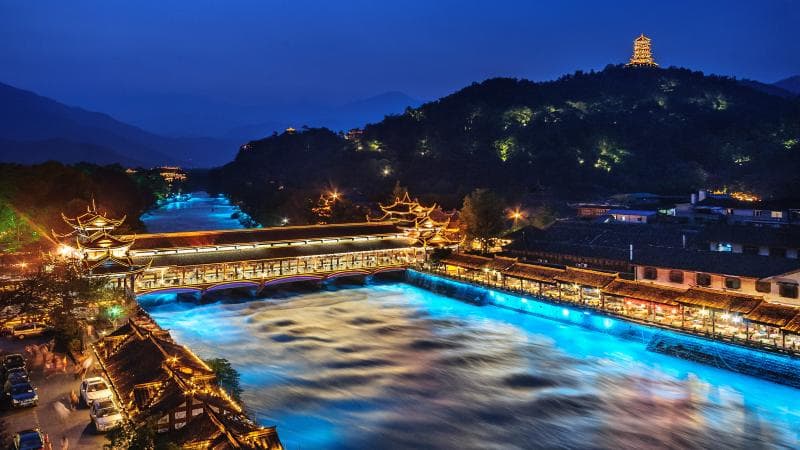
Nestled in the lush landscapes of Sichuan Province, Dujiangyan is an awe-inspiring feat of ancient engineering and a living testament to human ingenuity. Built over 2,300 years ago, this UNESCO World Heritage Site is the world's oldest surviving irrigation system still in use today—taming the mighty Min River and transforming the Chengdu Plain into a fertile "Land of Abundance".
Unlike a typical dam, Dujiangyan works in harmony with nature, using a clever system of levees, channels, and spillways to control floods and distribute water without blocking the river. Walking along its ancient pathways, you'll marvel at the wisdom of Li Bing, the Qin Dynasty governor who designed it, and the generations of farmers who still benefit from its life-giving waters.
Beyond its engineering brilliance, Dujiangyan offers breathtaking scenery—crystal-clear waters rushing through misty mountains, swaying bamboo groves, and charming bridges that seem straight out of a classical Chinese painting. Nearby, the Mount Qingcheng foothills add a spiritual touch, known as the birthplace of Taoism, where tranquil temples nestle among emerald forests.
A visit to Dujiangyan isn't just a step back in time—it's a chance to witness how ancient innovation still nurtures life today. Whether you're a history buff, nature lover, or simply seeking serenity, this timeless wonder will leave you in awe of humanity's ability to thrive with nature, not against it.
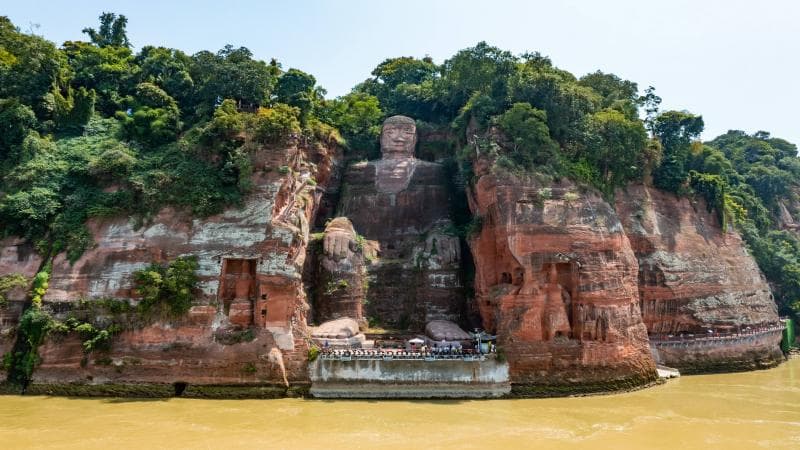
Towering above the confluence of the Minjiang, Dadu, and Qingyi rivers, the Leshan Giant Buddha is a breathtaking marvel of faith, patience, and human artistry. Carved into a towering cliff face over 1,300 years ago, this colossal statue stands at an awe-inspiring 71 meters (233 feet) tall, making it the largest stone Buddha in the world. Gazing upon its serene expression, you can almost feel the devotion of the Tang Dynasty monks who spent 90 years shaping this sacred masterpiece—not just as an act of worship, but as a guardian to calm the treacherous waters below.
The sheer scale of the Buddha is humbling—its ears alone stretch seven meters long, and its toenails are large enough to sit on. But the true wonder lies in the ingenious drainage system hidden within its coiled hair and folded robes, protecting the statue from erosion across centuries. For the best view, take a boat ride along the river and watch as the Buddha emerges majestically from the red sandstone cliffs, or climb the steep stairway alongside its massive body for an up-close encounter with history.
Beyond the statue itself, the surrounding Mount Emei area—a UNESCO World Heritage Site—adds to the mystical atmosphere with lush forests, ancient temples, and the echoes of Buddhist chants carried on the mountain breeze. Whether you're drawn by spirituality, history, or sheer wonder, the Leshan Giant Buddha offers an unforgettable tour into China's cultural soul—where human hands and heavenly aspiration meet in stone.
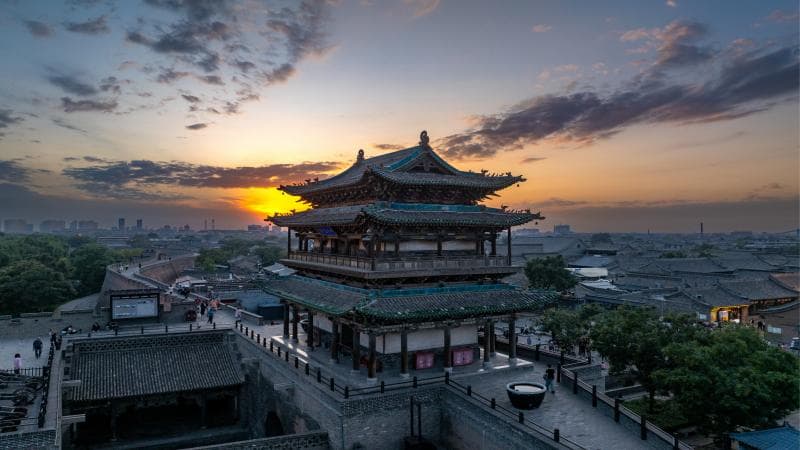
Step into a living time capsule at Pingyao Ancient City, where the golden age of imperial China comes alive within perfectly preserved Ming and Qing dynasty walls. This UNESCO-listed treasure, nestled in Shanxi Province, is one of the world's best-protected ancient cities—a maze of cobbled lanes, scarlet lanterns, and courtyard homes untouched by modern skyscrapers. As you walk along the 14th-century ramparts, you'll gaze upon a sea of gray-tiled rooftops hiding vaults of history: secret merchant guilds, China's first draft banks, and temples where fortunes were once weighed in silver.
Pingyao thrived as the Wall Street of its era, and the Rishengchang Exchange Museum reveals how this financial hub birthed the world's earliest banking systems. By night, the city transforms under the glow of paper lanterns—sip local vinegar-infused delicacies, watch shadow puppetry in moonlit squares, or sleep in a 300-year-old inn with carved wooden beds. Just beyond the gates, the hauntingly beautiful Shuanglin Temple guards a trove of painted statues so lifelike, they seem to breathe.
More than a museum, Pingyao pulses with stories of silk road tycoons, armored convoy escorts, and everyday life frozen in architectural poetry. Here, every brick whispers of an empire's twilight—a rare chance to wander through history without the glass between you and the past.
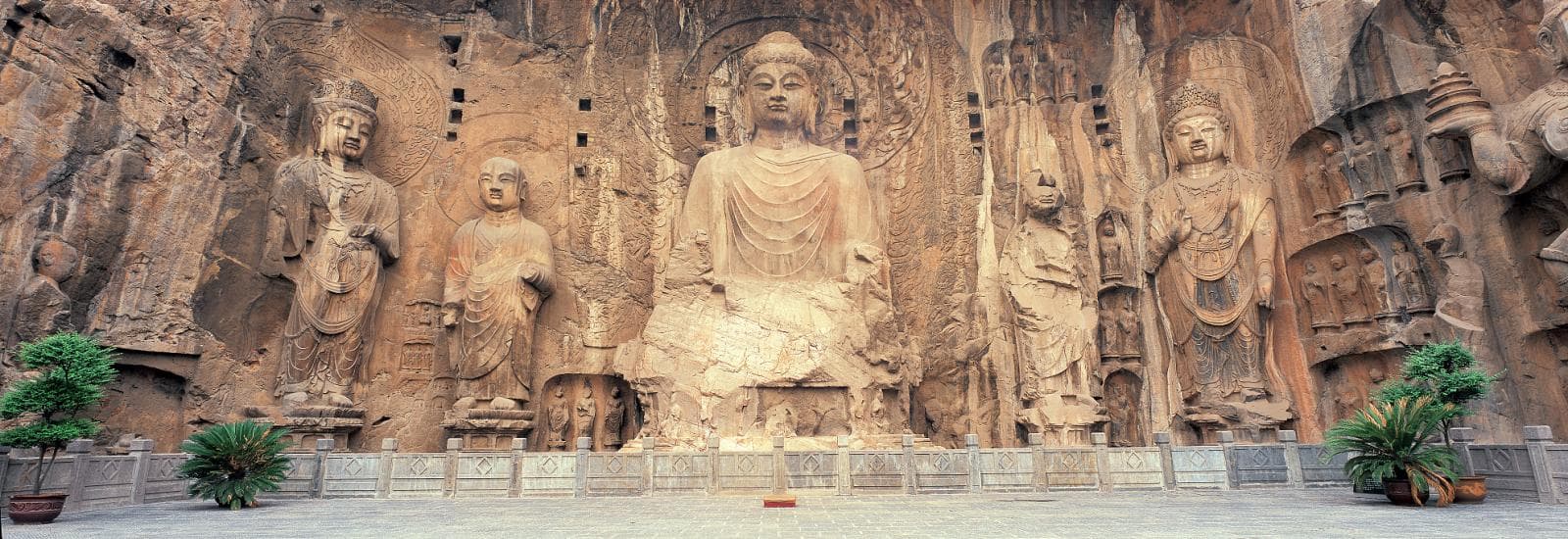
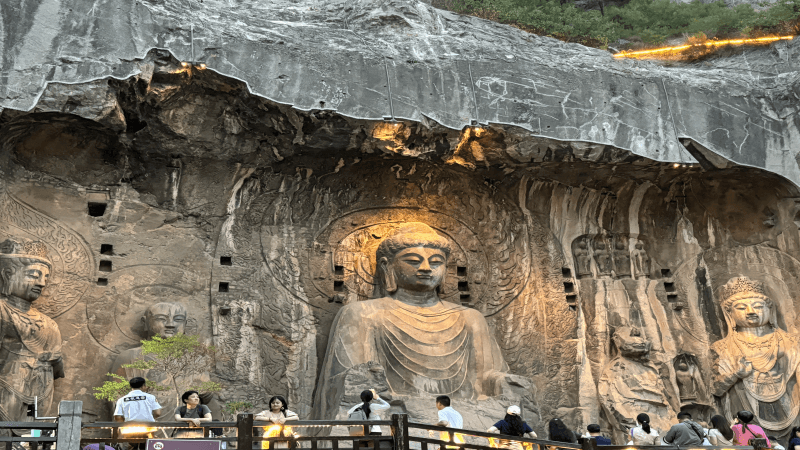
Carved into the limestone cliffs along the tranquil Yi River, the Longmen Grottoes stand as one of China's most breathtaking open-air art galleries, where ancient devotion meets artistic perfection. This UNESCO World Heritage Site, dating back over 1,500 years, showcases more than 2,300 caves and 110,000 Buddhist statues, ranging from delicate 2-centimeter carvings to the towering 17-meter-tall Vairocana Buddha—whose serene smile has watched over dynasties rise and fall.
Wander through this sacred mountainside and you'll discover a symphony of craftsmanship: celestial apsaras frozen mid-dance in stone, intricate reliefs telling forgotten sutras, and niches filled with votive statues offered by emperors and commoners alike. The play of sunlight on the weathered sculptures adds a mystical glow, especially at golden hour when the entire complex seems to shimmer. Don't miss the Fengxian Temple, where nine monumental figures—including the iconic Vairocana flanked by fierce guardians and graceful disciples—epitomize the artistic zenith of Tang Dynasty Buddhism.
Beyond the spiritual grandeur, Longmen whispers tales of Silk Road cultural fusion, with Hellenistic-inspired drapery and Persian motifs woven into the stone. A boat ride along the Yi River offers the perfect vantage to admire the caves' reflection dancing on the water—a view that inspired poets for centuries. Whether you're an art lover, history seeker, or simply in awe of human perseverance, the Longmen Grottoes promise an unforgettable dialogue between earth and eternity, chiseled in stone.
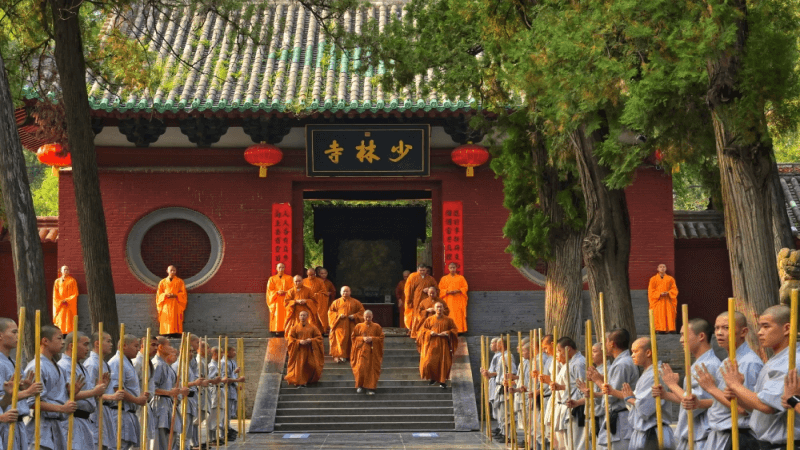
Nestled at the foot of the majestic Songshan Mountain, the legendary Shaolin Temple is far more than just a monastery—it's the beating heart of Chinese martial arts and Zen Buddhism, where the echoes of clashing staffs and chanting monks have resonated for over 1,500 years. This cradle of kung fu, recognized as a UNESCO World Heritage Site, breathes with living history: walk past ancient stone steles bearing the footprints of warrior monks, through the same pine-shaded courtyards where Bodhidharma meditated for nine years to found Chan Buddhism, and into the Hall of Heavenly Kings, where the scent of incense mingles with the energy of young disciples practicing their forms.
The real magic unfolds at the training grounds, where acrobatic students defy gravity with flying kicks and precision strikes—a mesmerizing spectacle of discipline turned into art. Nearby, the Pagoda Forest tells silent stories of generations of masters through its 240 tomb pagodas, while the Dharma Cave offers a pilgrimage spot carved into the cliffside where meditation meets myth. Time your visit to witness the sunset gilding the mountain ridges, or catch an electrifying kung fu performance that turns ancient combat into poetry in motion.
Shaolin isn't just a place to visit—it's an experience that awakens the warrior and the sage within. Whether you come for the whirlwind kicks, the spiritual serenity, or simply to stand where history was forged in both peace and combat, this sacred mountain temple leaves every visitor with a sense of awe—and perhaps the secret desire to try a flying side kick on the way out.
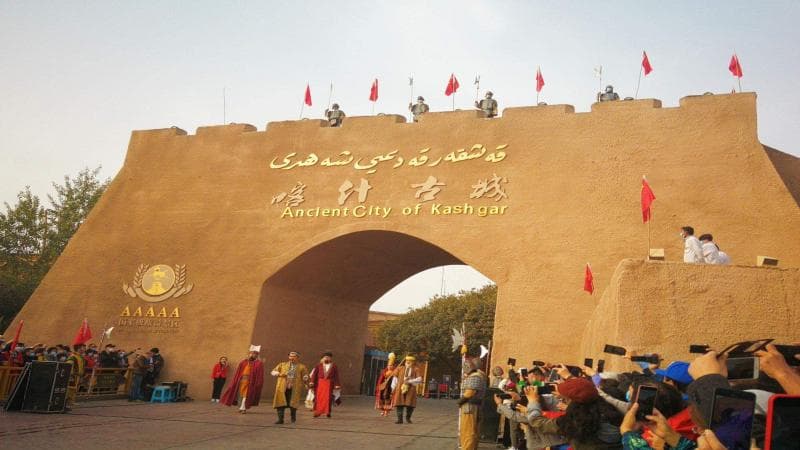
Step into a living tapestry of history and culture at Kashgar Old City, where the spirit of the ancient Silk Road still pulses through winding alleys and bustling bazaars. This 2,000-year-old labyrinth of sun-baked earth buildings, adorned with vibrant blue-tiled doorways and intricate wooden balconies, feels like an open-air museum where Uyghur traditions thrive in every corner. Lose yourself in the maze-like streets where the scent of cumin-crusted lamb kebabs mingles with the sound of hammered copper and the sight of elderly craftsmen hand-shaping pottery just as their ancestors did. The Id Kah Mosque, China's largest, stands as a golden-crowned centerpiece, its courtyard filled with the murmur of prayers under Kashgar's endless blue sky.
As dusk falls, the old city transforms—lanterns cast a warm glow over artisans selling hand-embroidered caps, children chase each other past century-old mulberry trees, and the air fills with the rhythmic strum of dutars from teahouses where storytellers weave tales of caravans and kings. Nearby, the Sunday Bazaar explodes with color: mountains of spices, hand-woven carpets, and silver jewelry traded in a whirlwind that feels unchanged for millennia. Kashgar doesn't just preserve history—it lives it, offering a rare glimpse into a world where time moves to the rhythm of craftsmanship and community. To wander here is to walk the Silk Road itself, with every step revealing a new layer of human connection.
Are you interested in this tour?
This tour can be tailored.

