



Planning your first trip to China? With its ancient heritage, stunning natural wonders, and world-famous cuisine, China offers unforgettable experiences for every traveler. To help you prepare for your adventure, we've compiled essential travel tips and must-know information. Get ready to explore the wonders of China with confidence!
Table of Contents
Before embarking on your China adventure, make sure you have all the necessary documents prepared. Here's what you'll need:
1. Passport & Visa Requirements
- Ensure your passport is valid for at least 6 months beyond your planned stay in China.
- Most travelers require a tourist visa (L Visa), which should be applied for 1-2 months before departure.
- Keep original copies of your visa and passport, and store digital scans as backup.
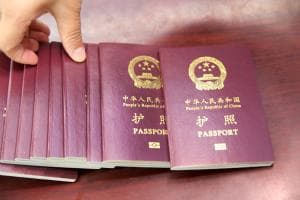
Visa-Free Entry Options
30-Day Visa-Free Policy (for 39 countries)
Travelers from Australia, France, Germany, Japan, Singapore, South Korea, and 33 other countries can visit China without a visa for up to 30 days (valid until December 31, 2025).
144/240-Hour Visa-Free Transit
If transiting through China to a third country, citizens of 53+ eligible nations (including the U.S., Canada, UK, EU, Australia, New Zealand, Japan, South Korea, UAE, and more) can enjoy 6-10 days visa-free stay in major Chinese cities.
2. Flight Tickets & Travel Insurance
Book Flights in Advance
- Secure your international flights early for better prices and availability.
- While return tickets aren't mandatory for visa applications, having a confirmed itinerary is recommended.
Get Comprehensive Travel Insurance
- Protect yourself against medical emergencies, trip cancellations, and lost belongings.
- Choose a policy that covers international travel, including medical evacuation if needed.
By preparing these essentials, you'll ensure a smooth and worry-free journey to China!
The official currency in China is the Renminbi (RMB), also referred to as the yuan, with the currency code CNY. The RMB is divided into three units: yuan (元), jiao (角), and fen (分). Common banknotes include 100, 50, 20, 10, 5, and 1 yuan, as well as 5 and 1 jiao. Coins come in 1 yuan, 5 jiao, and 1 jiao denominations. While fen is rarely used in daily transactions, it may still appear in digital payments. As of now, the exchange rate is approximately 1 USD = 7 CNY.

Cash Payments
Although cash is still accepted, it is no longer the primary payment method in China's major cities due to the widespread adoption of digital payments. However, in smaller towns and rural areas, cash remains more common. We recommend carrying some small bills and coins for convenience, especially in places where electronic payments may not be accepted.
Digital Payments (WeChat Pay & Alipay)
In recent years, WeChat Pay and Alipay have become the dominant digital payment platforms in China. They are widely used for shopping, dining, transportation, and purchasing tickets for museums and attractions. Setting up an e-payment account will significantly enhance your travel experience in China.
For international travelers, WeChat Pay has simplified its card-binding process. You can link a Visa or MasterCard by entering your card number, expiration date, and security code, making transactions much more convenient.


Credit & Debit Cards
Major credit cards such as UnionPay, Visa, and MasterCard are accepted in larger cities and popular tourist destinations. However, it's advisable to notify your bank before traveling to avoid potential transaction blocks due to security measures.
ATMs are widely available in urban areas, allowing cash withdrawals with your debit or credit card. Be aware that your bank may charge foreign transaction fees or ATM withdrawal fees, so check with your bank beforehand.

China's digital landscape differs from Western countries, with local platforms dominating communication. Popular Western apps like Facebook, WhatsApp, and Instagram are not accessible without special tools. Instead, WeChat, QQ, and Weibo are the most widely used social and messaging platforms. To stay connected with family, friends, and local contacts during your trip, here's what you need to know:
Using a VPN to Access Western Apps
Since many international websites and apps (Google, Facebook, Instagram, etc.) are restricted in China, travelers who wish to use them should install a reliable VPN (Virtual Private Network) before arriving. This will allow you to access services like WhatsApp, Gmail, and other blocked platforms.
Tip: Set up and test your VPN at home, as some VPN services may not work properly once you're in China.
Getting a Local SIM Card
Purchasing a China SIM card is highly recommended for reliable mobile data and local calls. SIM cards are available at airports, convenience stores, and mobile shops—just bring your passport for registration.
Important Note:
- SIM cards from mainland China do not work in Hong Kong/Macau, and vice versa, due to separate telecom systems.
- If you need a dual-region SIM, check with providers like China Mobile or China Unicom for cross-border options.
WeChat: The Essential Communication App
WeChat is China's most versatile app—used for messaging, payments, ride-hailing, and even restaurant orders. Setting up a WeChat account before your trip is highly advisable, as you may need it for:
Contacting your tour guide & hotel staff
Mobile payments (WeChat Pay)
Booking tickets & public transport
Scanning QR codes at restaurants & shops

Registration Tip:
New WeChat users must be verified by an existing user (your tour guide or a friend can assist). If you encounter issues, ask your travel agency for help.
Alternative Messaging Apps
While WeChat is the most common, other options include:
QQ—An older but still-used messaging platform.
Weibo—China's version of Twitter/X, useful for news and trends.
China's high-speed rail network is one of the most advanced in the world, offering a fast, comfortable, and scenic way to travel between cities. Here's everything you need to know for a smooth train journey.
Buying Train Tickets
- Identification: Your passport is required to purchase tickets (Chinese citizens use ID cards).
- Booking Window: Tickets go on sale 15 days before departure.
- Peak Season Alert: During major holidays (Spring Festival, National Day), tickets sell out quickly—book early!
Purchase Options: 
Online (12306.cn, Ctrip, or through your travel agency)
At the station counter (Note: English support may be limited)
Pro Tip:
- With us, your travel consultant handles all bookings and provides assistance throughout your trip.
- No paper ticket needed—just use your passport to enter/exit stations.
At the Train Station
1. Security Check
- All luggage goes through X-ray scanners.
- Liquids may require inspection (be prepared to take a sip).
2. Waiting Area
- Check the LED screens for your train's platform and status.
- Listen for announcements (usually in Chinese and English).
3. Boarding
- Present your passport at the manual gate (automated gates only accept Chinese IDs).
- Follow signs to your platform—if unsure, ask station staff or a young local (many speak basic English).

Onboard the Train
Ticket Check: Crew may verify your passport and seat number.
Facilities:
- Toilets in every carriage
- Hot water dispensers (bring a reusable bottle)
- Food & drinks available for purchase (ask attendants)
Note: Train tap water is not for drinking—use only for washing.
Arrival & Exiting
- Be punctual: Trains stop briefly (usually 2-5 minutes). Start moving to the exit 5-10 minutes before arrival.
- Disembarking: Follow "出口" (Exit) signs.
- Passport Check: Use staffed gates (automated gates don't accept foreign passports).
Why Choose Trains?
Speed & Comfort: Reach city centers faster than flights (no airport transfers!).
Scenic Views: Watch China's landscapes unfold outside your window.
Spacious Seating: Choose from Second Class, First Class, or Business Class.
China's culinary scene offers an incredible diversity of regional cuisines, flavors, and dining experiences that go far beyond what you've tasted in Western Chinese restaurants. To fully enjoy your gastronomic journey while staying safe and comfortable, here's what you need to know:
Navigating Food Allergies & Dietary Needs
- Gluten/Wheat Sensitivity: While less common in China than in the West, many dishes contain soy sauce (wheat-based), noodles, or dumpling wrappers.
- Helpful Tools:
- Carry a Chinese allergy card (printed or digital) to show restaurant staff.
- Emergency Prep: Bring your medication and some familiar snacks as backup.
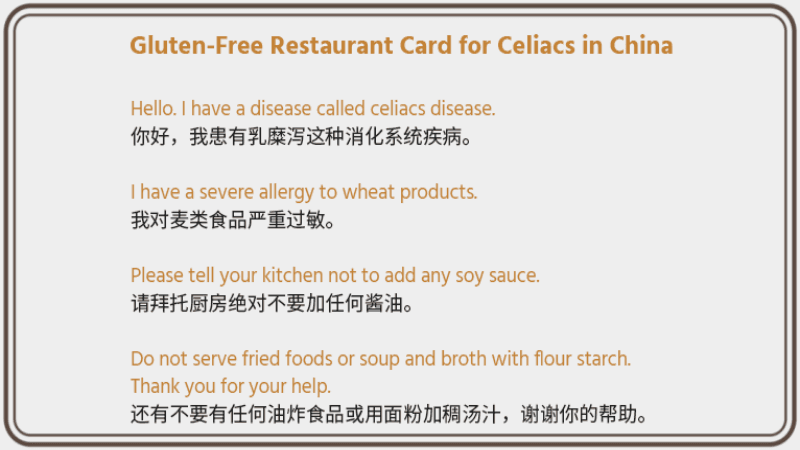
Gluten-Free Restaurant Card in China
Pro Tip:
Stick to naturally gluten-free options like:
Plain rice
Stir-fried vegetables (request no soy sauce)
Grilled meats
Hot pot (choose clear broths)
Ordering Food Like a Local
Gone are the days of struggling with paper menus! Most restaurants now offer:
Digital Menus
- Browse high-quality photos of dishes
- See prices and chef recommendations instantly
- Order and pay via WeChat/Alipay QR codes (no cashier needed)
Language-Free Ordering
- Point to menu pictures or use translation apps
- Popular chains have English menus
- Many waiters can understand basic food terms
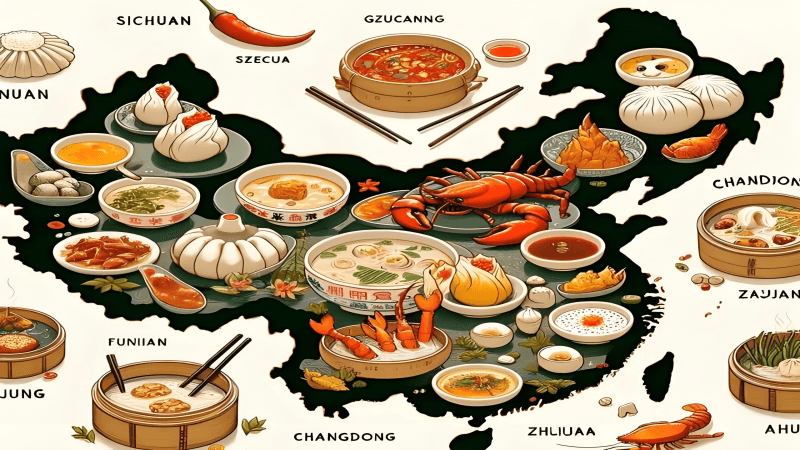
Must-Try Chinese Dining Experiences
1. Street Food Stalls—For authentic local flavors (just check hygiene standards)
2. Hot Pot—Customize your broth and ingredients
3. Dim Sum—Perfect for trying small portions of different dishes
4. Family-Style Meals—Share multiple dishes at round tables
Dining Etiquette Tips
It's polite to try everything offered
Don't be surprised by shared serving utensils (or ask for separate ones)
Tipping isn't expected
Remember: Part of the China travel adventure is culinary exploration! With these preparations, you can savor amazing flavors while managing dietary needs comfortably.
Packing strategically will ensure you're prepared for China's diverse climates and cultural experiences while avoiding unnecessary baggage. Here's your essential packing checklist:
Clothing Essentials
Weather-appropriate outfits (Check forecasts for all destinations)
Comfortable walking shoes (Western sizes can be hard to find)
Layered clothing (For variable temperatures and indoor heating/cooling)
Specialized Gear:
Summer Travel: Sun protection (UPF clothing, SPF 50+, wide-brim hat, UV sunglasses)
Winter Travel: Thermal layers, down jacket, gloves, and scarf (especially for Northern China)
Adventure Tours: Quick-dry fabrics, moisture-wicking base layers, and broken-in hiking boots
Toiletries & Personal Care
Travel-sized essentials (Shampoo, toothpaste, etc. —full sizes widely available)
Specialized products (Your preferred brands of:
- Skincare (Northern China requires heavy moisturizers)
- Feminine hygiene products (limited tampon selection)
- Shaving/hair care items
Hand sanitizer & tissues (Many restrooms don't provide soap)
Health Preparedness
Prescription medications (With original packaging and doctor's note)
Basic medical kit (Include:
- Anti-diarrheal pills
- Allergy medication
- Pain relievers
- Antibiotic ointment
- Motion sickness tablets (for long train/bus rides)
Daily vitamins/supplements (May be difficult to find exact matches)
Tech & Practical Items
Universal power adapter (China uses Type A/C/I plugs, 220V)
Portable charger (For long sightseeing days)
Reusable water bottle (With filter for tap water safety)
Face masks (For pollution-sensitive days or crowded areas)
Specialty Items
Trekking poles (If hiking the Great Wall or mountains)
Electrolyte packets (Helpful for adjusting to new foods)
Small backpack (For daily excursions)
Pro Tips:
1. Roll clothes to save space and minimize wrinkles
2. Pack neutral colors that can be mixed/matched
3. Leave room for souvenirs (Chinese silk, teas, etc. make great purchases)
Are you interested in this tour?
This tour can be tailored.

