



Armenian cuisine
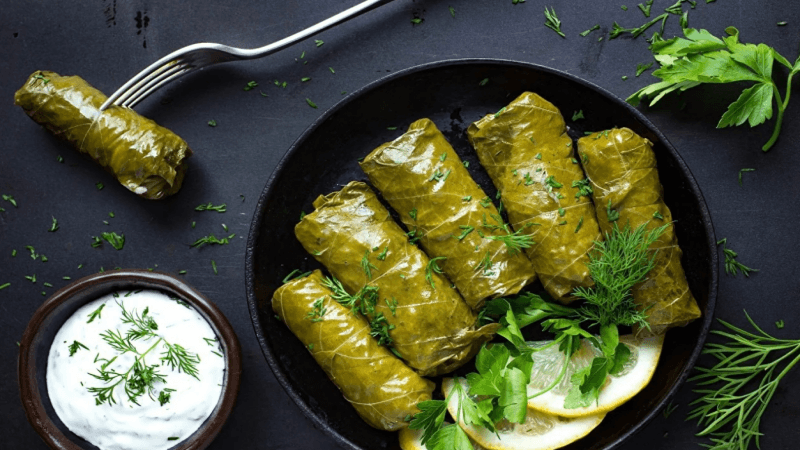
1. Dolma: Picture this: tender young grape leaves, or sometimes soft cabbage leaves or bright bell peppers, carefully wrapped around a savory filling. That filling is a cozy mix of fluffy rice, finely chopped herbs like mint, parsley, and dill, plus seasoned ground meat (often lamb or beef), sometimes mixed with lentils for extra heartiness. Each little parcel is fragrant and satisfying, usually served warm with a dollop of cool, thick yogurt ("matsun") on the side. It's home cooking at its best. When you see it on a menu or at a family table, say yes!
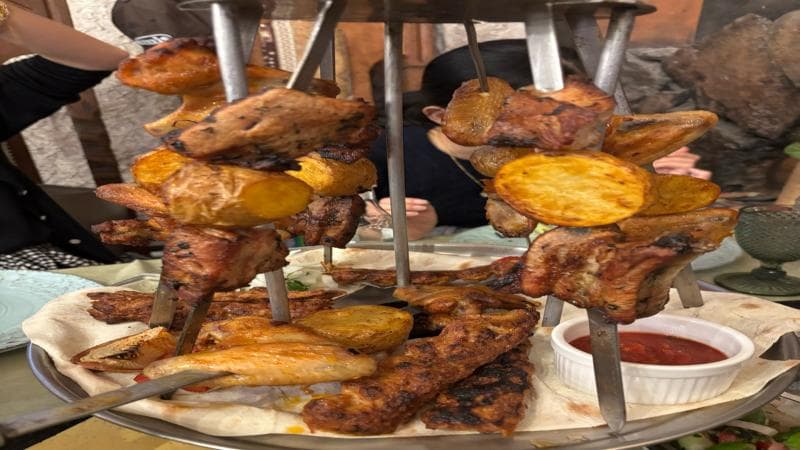
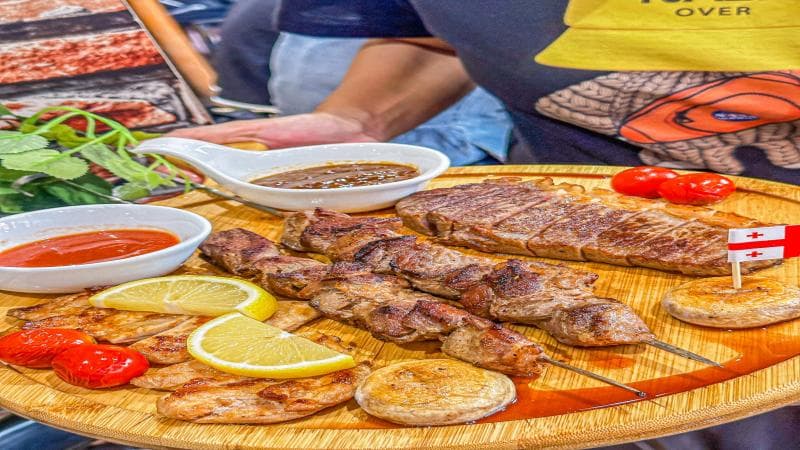
2. Khorovats (Armenian Barbecue): This is the scent you'll smell drifting through neighborhoods almost everywhere! Imagine thick chunks of pork, beef, chicken, or lamb, expertly skewered and grilled over glowing embers. The outside gets this wonderful smoky char, while the inside stays incredibly juicy. It's simple food made with care, served proudly on the skewer. You'll often enjoy it wrapped in fresh "lavash" bread with a bunch of aromatic herbs (like basil, tarragon, and green onions) and maybe some tangy tomato-onion salad. Pure, smoky satisfaction.
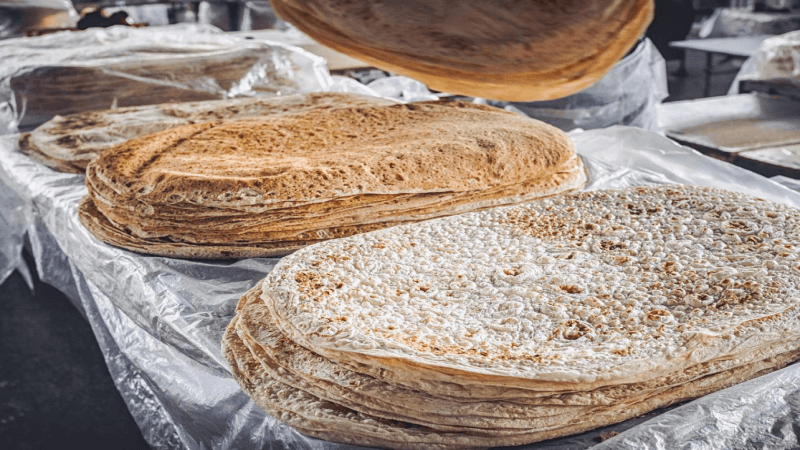
3. Lavash: This is the soul of the Armenian table—incredibly thin, soft, and pliable flatbread. You'll see huge sheets of it, often baked right before your eyes in traditional underground clay ovens called "tonirs". It dries out quickly, so fresh is best! People use it for absolutely everything: as a wrap for grilled meats and herbs ("khorovats"), as a spoon for scooping up stews and dips, layered with cheeses, or even as an edible plate. It feels ancient and essential. Try tearing off a piece and savoring its slight tang.
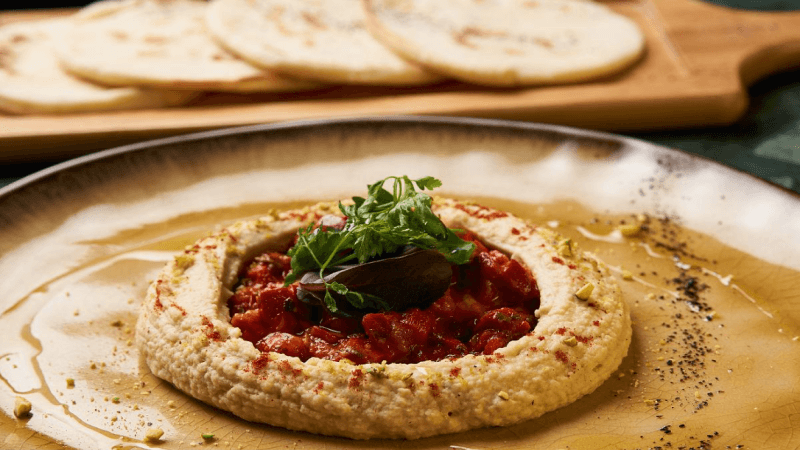
4. Harissa: Think of this as the ultimate Armenian comfort hug, especially loved on chilly days. It's a rich, creamy porridge made by slow-simmering chicken (or lamb) and peeled wheat ("korkot") together for hours until the meat practically dissolves and the whole thing becomes wonderfully thick and velvety. Generously buttered and sometimes spiced with cinnamon or cumin, it's deeply soothing and incredibly flavorful. It's a dish steeped in tradition and community spirit—often made in large batches for sharing.
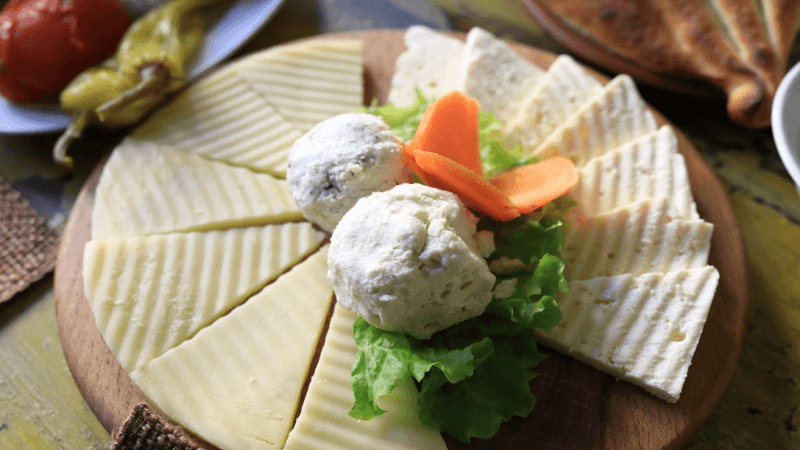
5. Cheese & Matsun Galore: Be prepared for amazing local dairy. Look out for salty, stringy cheeses like "Chechil" (similar to braided string cheese) and "Lori", or crumbly salty whites like "Chanakh". The real star for daily eating is "matsun"—a thick, tangy yogurt/sour cream hybrid that's vital on the table. Spoon it over stews ("khash"—if you're adventurous!), dollop it on dolma, mix it into soups, or enjoy it plain with honey or dried fruit. And don't miss the vibrant, fresh vegetables (tomatoes! cucumbers! peppers!) and fruits, especially Armenia's famously sweet and juicy apricots.
Georgia cuisine
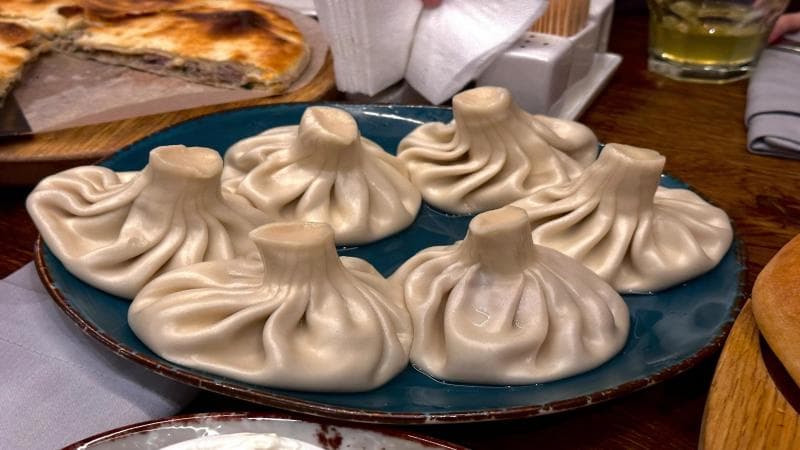
1. Khinkali (Soup Dumplings): Buckle up for one of Georgia's most thrilling (and delicious!) eating experiences! Picture large, twisted, purse-like dumplings made from sturdy dough, stuffed with an explosive mix of minced meat (usually spiced pork and beef), rich broth, chopped herbs, and sometimes mushrooms or cheese. The magic? The hot, savory broth inside. The trick: Carefully pick it up by the sturdy topknot, nibble a tiny hole in the side, slurp out the incredibly flavorful soup without spilling (watch out, it's hot!), then enjoy the juicy filling and dough, discarding the thick top knot. They're fun, meaty, and utterly addictive. Order a mix plate!
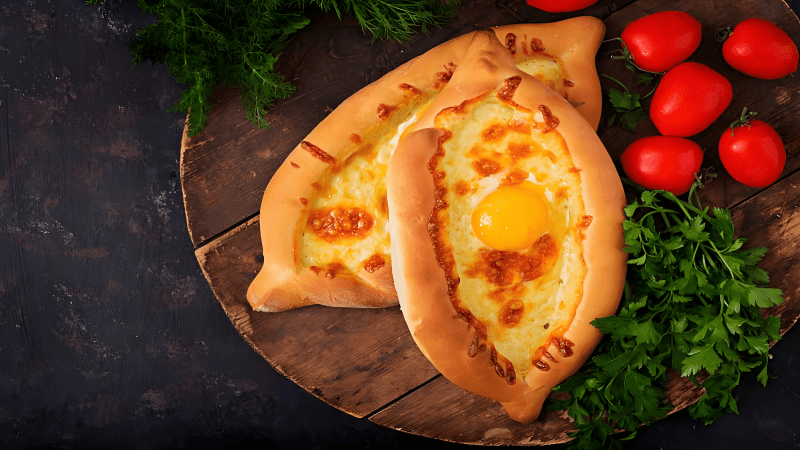
2. Khachapuri (Cheese Bread Heaven): Georgia's beloved cheese bread takes many glorious forms! The most famous star is Adjaruli Khachapuri: A boat-shaped piece of bread, fresh from the oven, filled with molten, stretchy, salty "sulguni" cheese. On top, floats a chunk of butter and a vibrant raw egg yolk. The ritual: Vigorously stir the hot cheese, butter, and yolk together to create an unbelievably rich, creamy, orange dipping sauce. Then, tear off pieces of the bread boat and dunk away! Pure, cheesy, buttery bliss. Also try "Imeruli" (flat cheese-filled round) and "Megruli" (covered with extra cheese on top!). Carb and cheese heaven indeed.
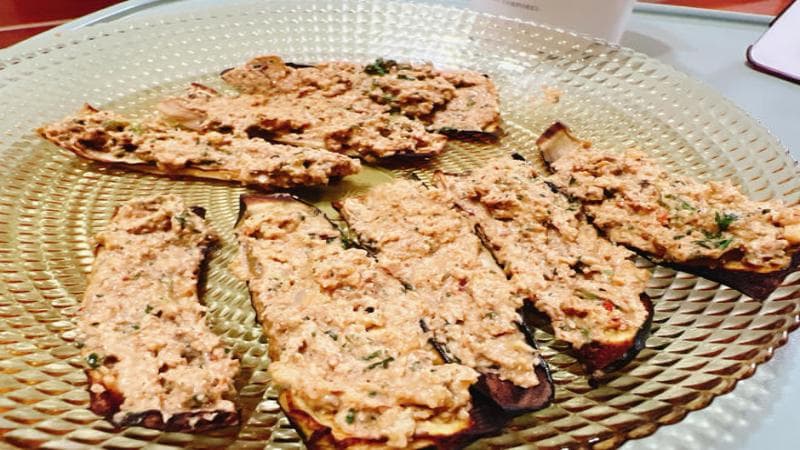
3. The Magic of Walnut Sauces & Pkhali: Georgians have an incredible talent for using walnuts to create unique sauces. Satsivi: A thick, complex, cold sauce made from ground walnuts, simmered with broth, spices (often fenugreek and marigold), garlic, and herbs, often served over turkey or chicken. It's nutty, slightly tart, and deeply satisfying. Bazhe: A thicker, often warm walnut sauce with garlic and spices, typically paired with grilled chicken ("Shkmeruli"). And then there's Pkhali: Beautiful little vegetable "pâtés". Spinach, beets, beans, cabbage, or wild greens are finely chopped or pureed, then mixed generously with ground walnuts, fresh herbs (tons of cilantro!), garlic, and vinegar. They're fresh, earthy, healthy tasting, and look gorgeous—like colorful scoops often topped with pomegranate seeds.
4. Grilled Meats & Stews: Like Armenia, Georgia masters the grill! Mtsvadi is your Georgian shashlik—succulent chunks of pork or veal grilled over flames. Kupati are robust, coarsely ground, spiced pork sausages, often grilled. Stews are also incredible: Chakapuli uses tender lamb or beef stewed with tart green plums ("tkemali"), sharp tarragon, white wine, and tons of herbs—bright, tangy, and fragrant. Ostri is a rich tomato and beef stew. You won't go hungry!
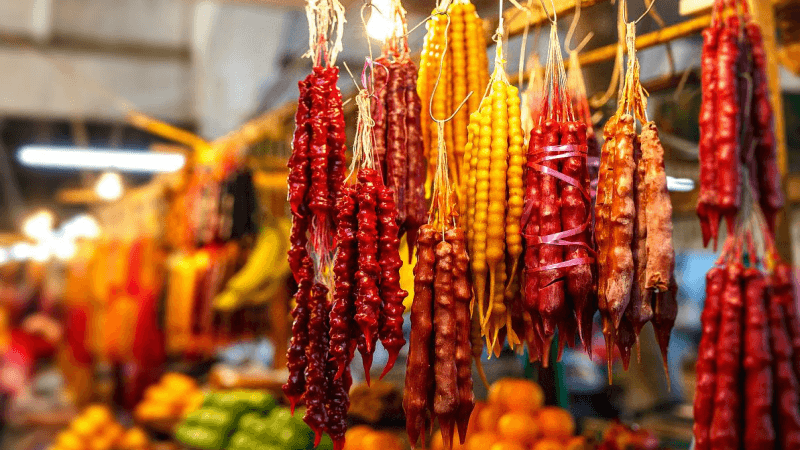
5. Churchkhela (Georgian "Snickers"): You can't miss these eye-catching treats hanging like candles in market stalls! They're made by threading walnuts (or sometimes hazelnuts or almonds) onto a string, then repeatedly dipping them into thickened, cooked-down grape juice (or sometimes fruit juice like pomegranate) called "badagi". They're hung up to dry for days, resulting in a firm, waxy outside and a chewy, sweet-nutty inside. Grab a few for energy on hikes—they're pure, natural goodness.
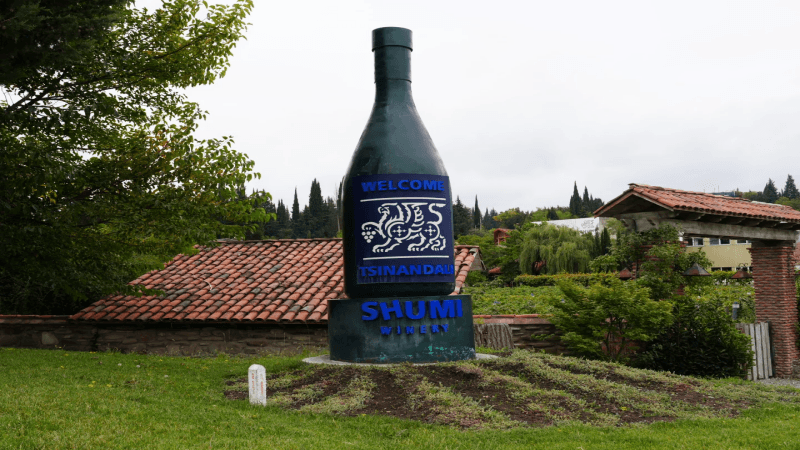
6. Wine—An 8,000-Year-Old Tradition: Georgia claims to be the cradle of wine, and tasting here is special! They use massive, beeswax-lined clay pots called "Qvevri", buried underground for fermentation. This ancient method gives the wines unique textures and flavors. White wines like Rkatsiteli or Mtsvane can be amber/orange in color, tasting dry, structured, with notes of dried apricot, apple skin, and spice. Red wines like Saperavi are often deep, robust, tannic, and bursting with dark fruit. Even if you're not a big wine fan, tasting a glass of traditionally-made Georgian wine feels like tasting history itself. "Gaumarjos!" (Cheers!)
Are you interested in this tour?
This tour can be tailored.

