


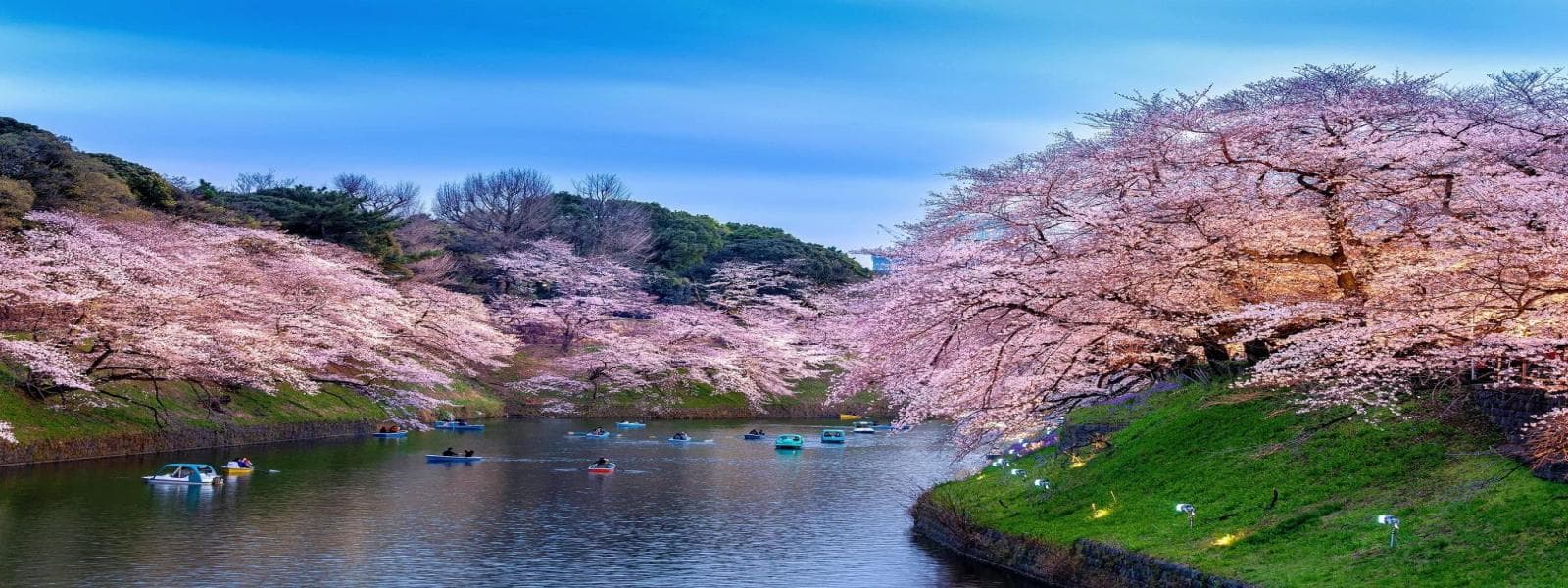
Spring in Japan is your invitation to a pink paradise! Picture strolling under clouds of cherry blossoms, petals dancing in the breeze around you. You'll join locals celebrating with picnic lunches under the blooms, taste sweet sakura-flavored treats, and discover temples framed in delicate pink. The air is fresh, days are sunny but cool—perfect for exploring. From late March to April, Japan transforms into this magical world just waiting for you to experience it. Don't you want to walk through your own sakura dream?
Table of Contents
Spring is one of the best times to visit Japan—mild temperatures, blooming cherry blossoms, and plenty of sunshine make it perfect for exploring. But since Japan stretches from chilly northern islands to warm southern beaches, the weather can vary quite a bit depending on where you go.
In most central areas like Tokyo, Kyoto, and Osaka, daytime temperatures hover around a comfortable 19°C (66°F), while nights can get cooler, dropping to around 11°C (52°F). A light jacket or sweater is a good idea for evenings. The days are mostly sunny and dry, but don't be surprised if you get a quick rain shower—spring rain usually passes fast or happens overnight, so it shouldn't disrupt your plans too much.
If you're heading north to places like Sapporo, pack something warmer—daytime highs are around 11°C (52°F), and nights can dip to 3°C (37°F). On the other hand, Okinawa and other southern islands are much warmer, with highs around 24°C (75°F) and balmy evenings at 19°C (66°F)—great if you're dreaming of early beach days!
No matter where you go, spring in Japan is ideal for sightseeing, hiking, or just strolling under pink cherry blossom trees. Just check the forecast for your specific destinations and pack layers so you're ready for anything. Enjoy the sunshine, the flowers, and the lively spring atmosphere!
2. Best Places to Visit in Spring
(1) Tokyo
Spring in Tokyo is simply magical—warm sunshine, blue skies, and cherry blossoms everywhere you look. The city wakes up from winter with a burst of pink and white flowers, and the energy is just amazing.
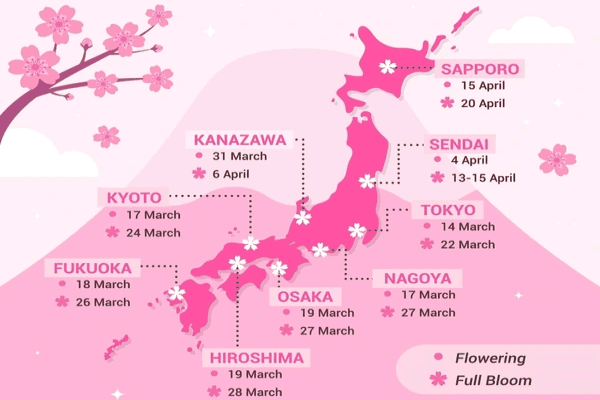
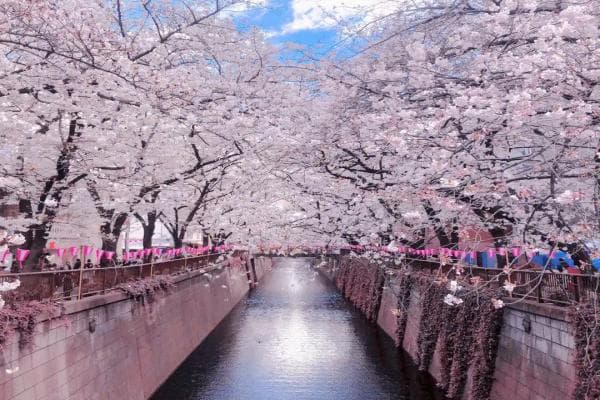
Late March to early April is the best time to visit if you want to see the famous sakura (cherry blossoms). Some of the best spots are Ueno Park, where hundreds of trees line the paths, and Shinjuku Gyoen, a peaceful garden perfect for a picnic under the blossoms. If you love riverside walks, head to Meguro River—the petals floating on the water are so pretty.
The weather is just right—around 19°C (66°F) during the day, cool enough to walk around comfortably but warm enough to enjoy outdoor cafes. Evenings can get a bit chilly, so bringing a light jacket is a good idea.
Besides the flowers, spring is a great time to explore Tokyo's neighborhoods. Take a stroll in Harajuku for trendy fashion, visit Asakusa for traditional temples, or relax in Yoyogi Park with the locals. And if you're lucky, you might catch a hanami (flower-viewing) party—people gather under the trees to eat, drink, and celebrate spring.
One thing to keep in mind: Tokyo gets busy during cherry blossom season, so book your hotels early and expect crowds at popular spots. But don't worry—even with more people around, the beauty of spring in Tokyo is something you'll never forget. So pack your camera, wear comfy shoes, and get ready to fall in love with Tokyo in spring!
(2) Kyoto
There's something truly special about Kyoto in spring. The city's ancient temples, quiet streets, and flowing rivers become even more beautiful when framed by soft pink cherry blossoms. If you love history, nature, and a touch of magic, this is the place to be.
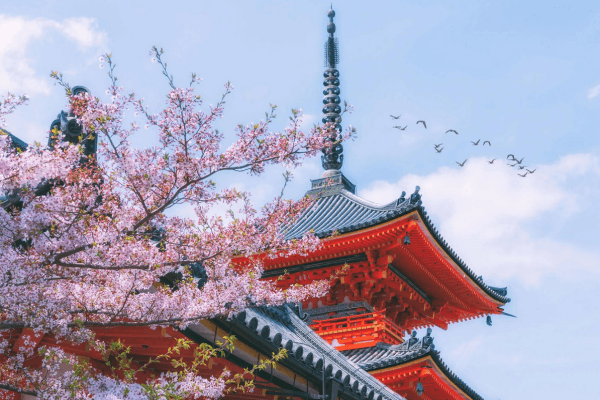
Late March to mid-April is when Kyoto shines brightest. The Philosopher's Path, a peaceful walk along a canal, turns into a tunnel of blossoms—perfect for a slow, thoughtful stroll. Maruyama Park fills with locals and visitors having picnics under the trees, especially around its famous weeping cherry tree, which looks stunning when lit up at night. And if you visit Kiyomizu-dera Temple, you'll see cherry blossoms with a view over the whole city.
The weather is just right—around 19°C (66°F) during the day, cool enough to explore without getting too tired. Mornings and evenings can be a bit crisp, so a light jacket or sweater will keep you comfortable.
Beyond the flowers, spring is a great time to experience Kyoto's culture. Try on a kimono and take photos in the historic Gion district, where you might even spot a geisha. Stop at a teahouse for matcha and wagashi (traditional sweets), or visit a sake brewery—many offer special spring tastings.
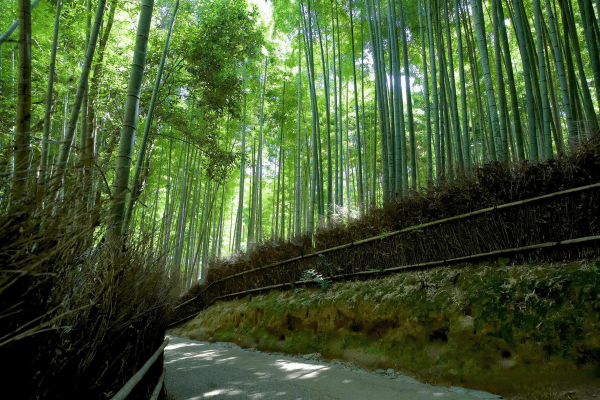
Yes, Kyoto gets busy during cherry blossom season, but there are ways to escape the crowds. Head to smaller temples like Daigo-ji or take a short train ride to Arashiyama, where bamboo forests and mountain views make a peaceful break.
Kyoto in spring feels like stepping into a painting—one you'll remember long after the petals have fallen. So take your time, breathe in the beauty, and let yourself fall under its spell.
(3) Osaka
You're going to love Osaka in spring! The city bursts to life with pink cherry blossoms, warm sunshine, and that famous Osaka energy. It's the perfect mix of beautiful scenery, delicious food, and fun vibes—all with that special Kansai charm.
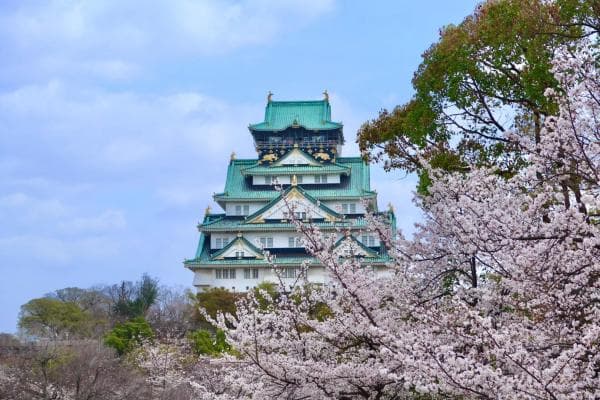
The best time to visit is late March to early April when Osaka Castle Park becomes a sea of pink. The castle looks especially stunning framed by cherry blossoms—don't forget your camera! For a more local experience, head to Kema Sakuranomiya Park where over 5,000 cherry trees line the river. Pack a bento box and join the locals for hanami (flower viewing) parties under the trees.
Daytime temperatures hover around a comfortable 19°C (66°F), perfect for exploring. Mornings and evenings can be cooler, so bring a light jacket. If you get lucky, you might see cherry blossom petals dancing in the wind—locals call this "sakura fubuki" (cherry blossom snow).
Of course, this is Osaka, so the food is just as important as the flowers! Spring means special limited-time treats like sakura mochi (pink rice cakes wrapped in cherry leaves) and cherry blossom-flavored everything. The street food stalls in Dotonbori are even more tempting when you can eat outside in the pleasant weather.
Yes, it can get crowded during peak bloom, but that's part of Osaka's lively charm. The cheerful atmosphere, with people laughing and celebrating under the blossoms, makes spring here truly special. Osaka in spring is all about enjoying life's simple pleasures—beautiful flowers, great food, and good times with friends. It's impossible not to smile when you're surrounded by so much pink beauty and Osaka's infectious energy!
(4) Fukuoka
You'll find something special in Fukuoka when spring arrives—it's one of the first places in Japan to welcome the cherry blossoms, usually blooming as early as late March. Imagine pink flowers against blue skies, with the fresh ocean breeze making everything feel extra vibrant.
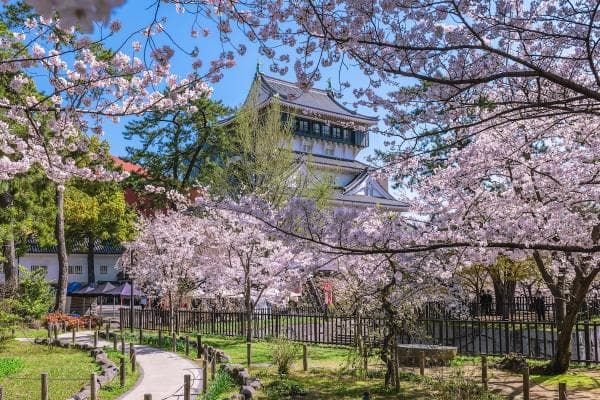
The best spots to enjoy the blossoms are Ohori Park, where you can walk around the peaceful pond surrounded by cherry trees, and Maizuru Park near Fukuoka Castle ruins. For something truly unique, head to Nishi Park where you'll get breathtaking views of the blossoms with Hakata Bay in the background—it's especially magical at sunset.
Temperatures are just right, around 17-20°C (63-68°F) during the day—warm enough to enjoy outdoor cafes but cool enough that you won't get too tired from exploring. Evenings can be a bit chilly near the water, so packing a light sweater is a good idea.
What makes Fukuoka's spring extra special is how the locals celebrate. The Hakata Dontaku festival in early May fills the streets with music, dancing, and colorful parades. And of course, you can't miss the seasonal food—try sakura-flavored treats at traditional sweets shops or enjoy fresh seafood at the yatai (food stalls) that start opening more regularly as the weather warms up.
For a quick escape from the city, take a short train ride to Dazaifu. The approach to Dazaifu Tenmangu Shrine becomes a pink tunnel of blossoms in spring, and you can try the famous umegae mochi (grilled rice cakes) at the shops lining the street.
Fukuoka's spring feels more relaxed than other big cities—the crowds are smaller, the pace is slower, and you can really take your time enjoying the season!
(5) Okinawa
Forget everything you know about Japanese springs—Okinawa does it differently. Here, winter fades early and spring arrives with bright colors, warm sunshine, and that special island vibe you can't find anywhere else.
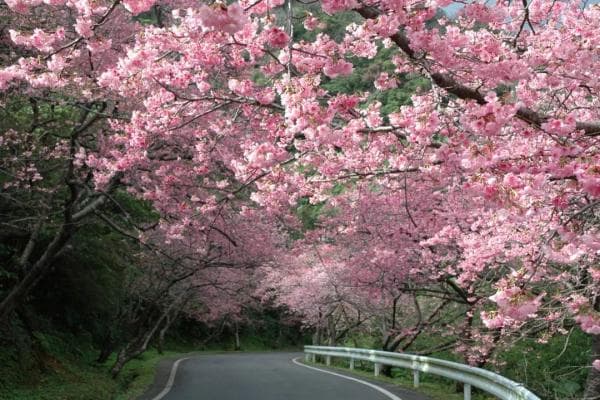
What makes Okinawa unique is its early bloom—while most of Japan waits until April, you can see beautiful cherry blossoms here as early as late January to February. The local "hikanzakura" cherry trees have deep pink flowers that look stunning against Okinawa's blue skies. Some of the best spots are Nakijin Castle ruins and Mount Yaedake, where the flowers create pink tunnels along the roads.
Temperatures are pleasantly warm—around 20-24°C (68-75°F) during the day—perfect for exploring without sweating too much. Evenings might cool down to about 16°C (60°F), so a light sweater comes in handy. The humidity hasn't arrived yet, making this one of the most comfortable times to visit.
But Okinawa's spring isn't just about cherry blossoms. This is when the islands explode with colorful tropical flowers—bright hibiscus, bougainvillea, and wildflowers everywhere you look. The Ocean Expo Park becomes a rainbow of blooms, and you can often see butterflies dancing between the flowers.
One of the best things about Okinawa in spring? The beaches start warming up but aren't crowded yet. You might not swim in March (water temps around 22°C/72°F), but walking along white sand beaches like Emerald Beach or Sunset Beach is pure relaxation. By late April, the ocean reaches a comfortable 24°C (75°F)—perfect for your first dip of the year.
Whether you're watching sunset over the East China Sea with flowers in bloom around you or tasting fresh spring ingredients at a local market, you'll understand why this season is Okinawa's best-kept secret.
(1) Enjoying cherry blossoms
Spring in Japan is all about the cherry blossoms, and there's no better way to enjoy them than joining the locals for hanami (flower viewing). Find a spot under the blooming trees in popular parks like Tokyo's Ueno Park or Kyoto's Maruyama Park, spread out a picnic blanket, and relax with some snacks and drinks. Many people bring bento boxes, onigiri, or even order takeout to enjoy beneath the delicate pink flowers. As evening falls, don't miss yozakura (nighttime cherry blossom viewing) when the trees are beautifully lit up—places like Tokyo's Chidorigafuchi or Osaka Castle Park become especially magical after dark. The blossoms only last about a week, so check the sakura forecast and be ready to join the cheerful crowds celebrating this fleeting but beautiful season. You'll see people taking photos, drinking sake, and simply enjoying the peaceful atmosphere under nature's pink canopy.
(2) Trekking
Spring in Japan is perfect for stretching your legs on some truly unforgettable hikes. As the snow melts and cherry blossoms begin to peek out, mountain trails come alive with fresh greenery and colorful wildflowers. You'll want to pack light layers—mornings can be crisp while afternoons warm up nicely. Some of our favorite spring walks include the Nakasendo Trail between Magome and Tsumago, where you'll pass through charming post towns and bamboo forests, or the easier Philosopher's Path in Kyoto, lined with blooming cherry trees. Don't miss the chance to hike around Fuji Five Lakes as the famous mountain reflects perfectly in the calm waters—just remember proper hiking shoes as some trails can be muddy from spring rains. Along the way, you might spot farmers tending to new tea leaves or come across a small countryside shrine surrounded by fresh pink blossoms. Many trails have rest stops where you can try local treats like sakura mochi or warm amazake to refuel. The views are worth every step, especially when you reach those breathtaking viewpoints overlooking valleys bursting with spring colors. Just be sure to check trail conditions as some higher routes may still have snow in early spring. Whether you're looking for a gentle nature walk or a more challenging climb, Japan's spring trails offer something special at every turn.
(3) Visiting shrines
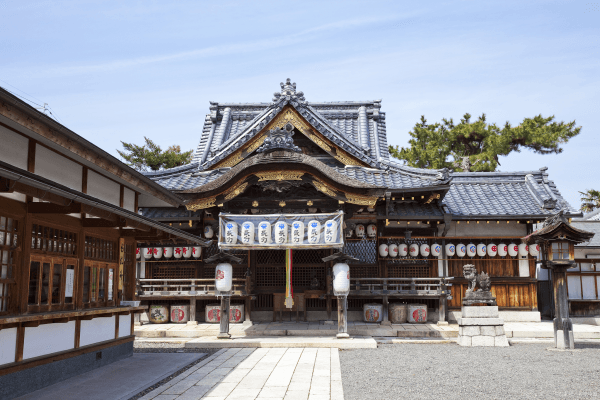
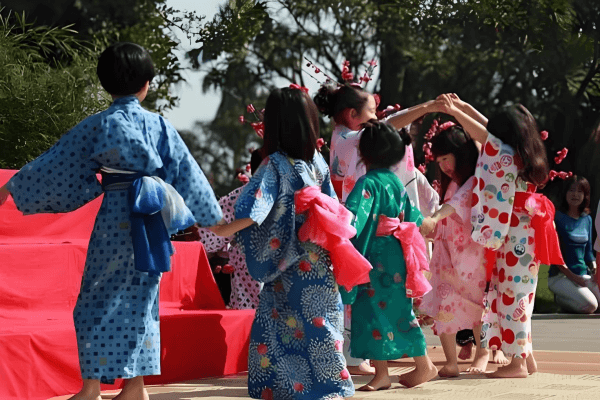
Visiting shrines in spring is one of Japan's most peaceful experiences. As you approach the torii gate, you'll notice the fresh green leaves and cherry blossoms framing the sacred space—it's nature's way of welcoming you. Take a moment at the temizuya water pavilion to purify your hands and mouth before entering. Spring is special at shrines, with many holding seasonal festivals where you might see priests performing ceremonies under blooming trees. Try your luck with omikuji fortune slips—the pink paper looks especially pretty against spring's soft light. Don't forget to buy a new omamori charm; many shrines offer special spring designs for health and good fortune. If you visit during early April, you might catch families bringing babies for their first shrine visit, dressed in beautiful kimonos. The quiet atmosphere, broken only by the sound of swaying ema prayer plaques and occasional birdsong, makes spring shrine visits feel extra meaningful. Before leaving, sit for a while in the shrine grounds—there's something magical about watching cherry petals drift down in this sacred space.
(1) Doll's Festival—March 3rd
If you walk into a Japanese home in early March and see a beautiful staircase display of ornate dolls in ancient court costumes—you'll discover Hinamatsuri, Japan's lovely Doll Festival! On March 3rd, families with daughters create these stunning displays to wish for their girls' health and happiness.
The centerpiece is always the "hina ningyo" doll set—emperor and empress dolls sitting on red fabric, surrounded by miniature court musicians, ministers, and beautiful furniture. Some displays are so elaborate they take up entire rooms! While you admire them, you might notice peach blossoms decorating the display—they symbolize a happy marriage in the future.
This is the perfect day to try special Hinamatsuri treats. Look for "hina arare"—pastel-colored rice crackers that crunch delightfully, or "shirozake"—sweet white sake (non-alcoholic for kids!). The star food is "hishi mochi"—diamond-shaped pink, white and green rice cakes that look almost too pretty to eat.
If you're visiting Japan during this time, check out department stores—they often have spectacular doll displays in their lobbies. Some shrines and museums hold special exhibitions too. In homes, you might see girls dressing up in pretty kimonos to celebrate with their families.
The festival has a magical feeling—like stepping into a fairy tale palace. Whether you're admiring the delicate doll faces or tasting the special sweets, you'll understand why this tradition has been loved for centuries. Just remember—families must put the dolls away promptly after March 3rd, or legend says their daughters might marry late!
(2) Children's Day—May 5th
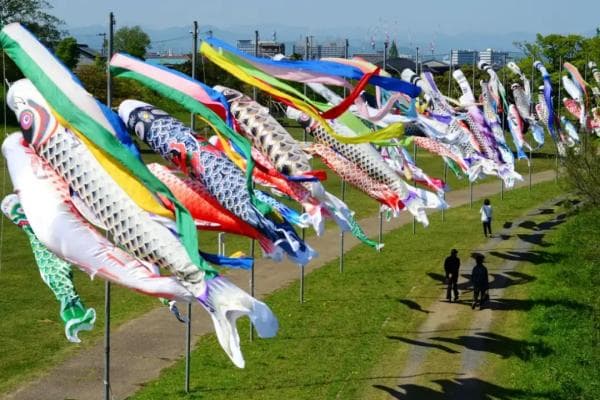
Walking through a Japanese neighborhood in early May and looking up to see dozens of colorful carp-shaped windsocks dancing in the breeze—you've found Japan's wonderful Children's Day celebration! On May 5th, families across the country fill their homes and gardens with these special "koinobori" flags, each representing a family member (the biggest black carp for dad, red for mom, and smaller ones for each child).
This special day (originally called "Tango no Sekku" and focused on boys) now celebrates all children's happiness and growth. Inside homes, you'll spot impressive displays of samurai helmets and armor replicas, wishing boys strength and courage. But don't worry—girls join in the fun too! Many families display beautiful iris flowers, believed to ward off evil spirits, and take relaxing baths with floating iris leaves—a tradition said to promote good health.
The best part? You get to try special Children's Day treats! Look for "kashiwa mochi"—soft rice cakes filled with sweet red bean paste and wrapped in oak leaves (the leaves symbolize strong family ties that don't fall off). Or try "chimaki"—delicious rice dumplings wrapped in bamboo leaves that taste even better when shared.
If you're visiting Japan during this time, check out major rivers like the Tokyo's Sumida River where hundreds of giant koinobori are strung up—it's an unforgettable sight! The cheerful atmosphere will make you feel like a kid again, whether you're admiring the fluttering carp banners or trying the seasonal sweets.
Spring is Japan's most popular travel season, so you'll want to plan smart to enjoy the cherry blossoms without breaking the bank or fighting huge crowds. From late March through April, popular spots like Kyoto's temples and Tokyo's parks get packed, especially on weekends—try visiting famous sites right at opening time or consider lesser-known neighborhoods where locals go. Hotels fill up months in advance, so book your accommodations early if you want good rates near city centers. While Japan's famous efficiency helps handle crowds, you'll still encounter lines for trains, restaurants, and photo spots during peak bloom.
Prices tend to be highest during golden week (late April to early May), when domestic travelers take vacations too. If you're flexible, coming just before or after this period can mean better deals on flights and hotels. Consider buying regional rail passes in advance to save on transportation between cities. Street food and convenience store meals can help balance out splurges on nicer restaurants—and honestly, eating a hot takoyaki under the cherry trees tastes just as good as any fancy meal. With some planning and early mornings, you can experience Japan's magical spring without the stress or sky-high costs.
6. Japan Travel Tips in Spring
Pack smart layers
- Mornings/evenings can be chilly while afternoons get warm
- Include a light jacket, comfortable walking shoes, and an umbrella
- Bring any allergy medications if you're sensitive to pollen
Book early for best options
- Reserve accommodations 3-4 months ahead for cherry blossom season
- Consider purchasing rail passes before arrival to save money
- Check opening times for popular attractions to avoid crowds
Explore beyond the famous spots
- Discover neighborhood parks for more intimate hanami experiences
- Visit popular temples right at opening or late afternoon
- Wander side streets to find hidden cafes and local shops
Be prepared with cash and essentials
- Carry yen as many small businesses don't take cards
- Keep coins handy for buses and vending machines
- Pack tissues as public restrooms often don't provide them
Are you interested in this tour?
This tour can be tailored.

