


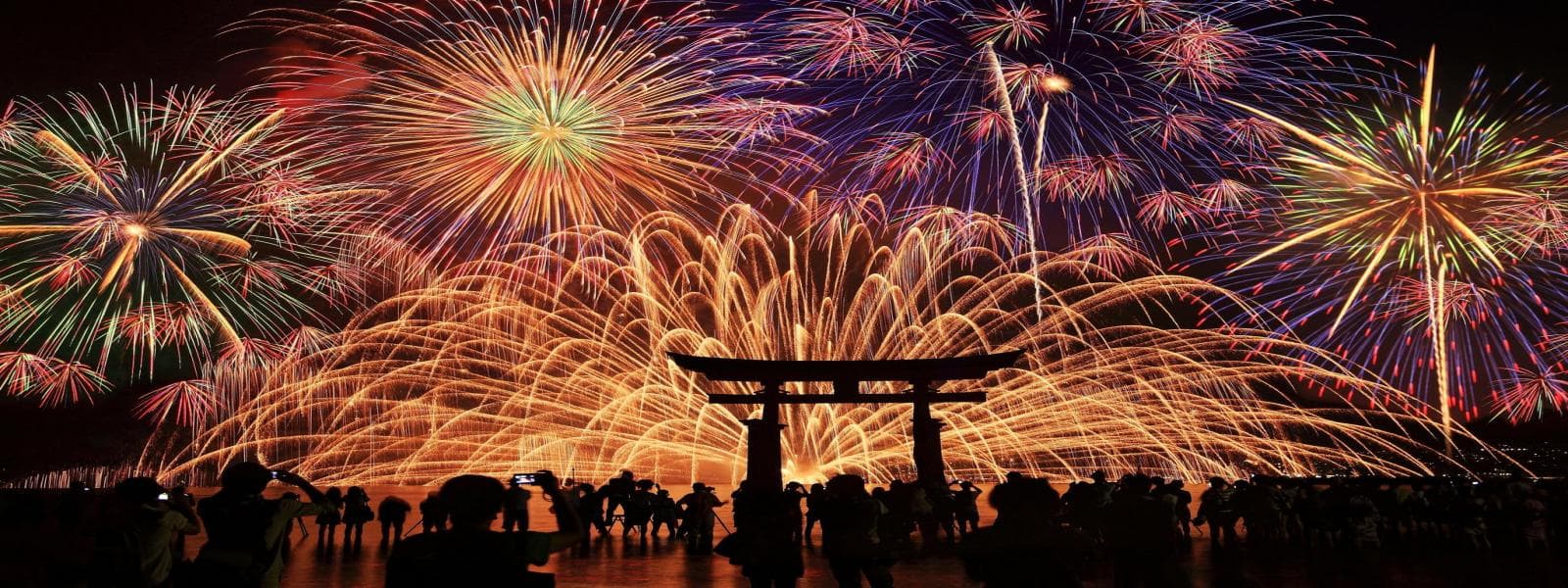
Summer in Japan is your perfect escape—warm days filled with sunshine, cool evenings under starry skies, and endless ways to enjoy the season. Picture yourself strolling through lively festivals with colorful yukatas and sizzling street food, relaxing on sandy beaches with a chilled melon soda, or hiking through misty green mountains to find hidden waterfalls. Whether you're watching fireworks light up the night or savoring a bowl of cold ramen under the shade of a leafy tree, Japan's summer is all about simple joys and unforgettable moments. Don't you want to dive into this electric summer wonderland?
Table of Contents
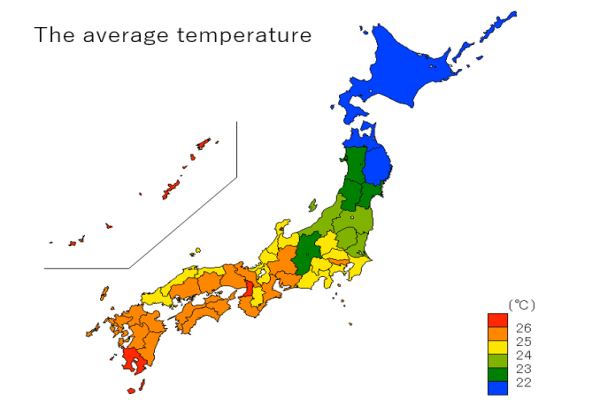
Summer in Japan is warm, lively, and full of energy—perfect for beach trips, festivals, and outdoor adventures. But since the country stretches from cool northern mountains to tropical southern islands, the weather can feel quite different depending on where you go.
In major cities like Tokyo, Kyoto, and Osaka, expect hot and humid days with temperatures often reaching 30°C (86°F) or higher. Evenings stay warm, rarely dropping below 23°C (73°F), so light, breathable clothing is a must. Summer also brings sudden rain showers, especially in June and early July, so carrying a small umbrella or a quick-dry jacket is a good idea.
If you're heading north to Hokkaido or the mountains, the air is cooler and more comfortable, with highs around 25°C (77°F)—great for hiking and escaping the heat. Meanwhile, Okinawa and southern islands feel like a tropical getaway, with temperatures around 31°C (88°F) and warm ocean breezes—just be ready for strong sun and occasional typhoons in August.
Despite the heat, summer is one of the most exciting times to visit Japan. Fireworks light up the sky, festivals fill the streets, and icy treats like shaved ice and cold noodles keep you refreshed. Just stay hydrated, wear sunscreen, and embrace the lively summer vibe!
2. Best Places to Visit in Summer
(1) Tokyo
Tokyo in summer is a vibrant mix of buzzing festivals, refreshing escapes, and endless energy—perfect for travelers who want to experience Japan's most exciting city at its liveliest!
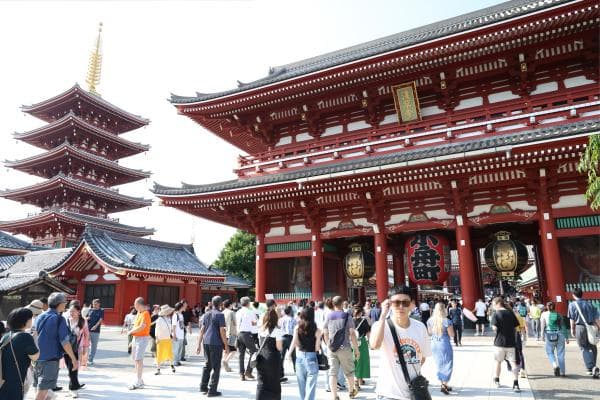
Picture yourself strolling through Asakusa in a light yukata (summer kimono), grabbing a matcha shaved ice to beat the heat before exploring Sensoji Temple. In the evenings, join the crowds along the Sumida River for the Sumidagawa Fireworks Festival, where the sky explodes in color—grab a cold beer from a street stall and soak in the festive vibe.
For a break from the heat, head to Shinjuku Gyoen or Yoyogi Park, where shady trees and breezy lawns make the perfect picnic spot. If you're craving water, Odaiba's artificial beach offers city views with a seaside feel, or hop on a boat cruise along Tokyo Bay as the sun sets.
Don't miss Tokyo's summer food scene—try chilled ramen at a local shop, snack on kakigori (fluffy shaved ice) in Harajuku, or feast on yakitori and cold beer at an open-air izakaya. And if you love theme parks, Tokyo DisneySea has special summer shows and evening fireworks that make the heat totally worth it!
Yes, it's hot and humid, but with cool treats, rooftop bars, and late-night neon-lit walks in Shibuya or Akihabara, Tokyo's summer is unforgettable. Just pack light clothes, stay hydrated, and dive into the excitement—this city knows how to make summer magic!
(2) Okinawa
Imagine dipping your toes into crystal-clear turquoise water, sipping fresh pineapple juice under the shade of a palm tree, and feeling the warm ocean breeze on your skin—that's summer in Okinawa! This slice of paradise offers the perfect mix of relaxation and adventure, all with a laid-back island vibe.
Start your days by snorkeling in the famous Blue Cave, where sunlight dances through the water, creating a magical glow. If you prefer staying dry, hop on a glass-bottom boat or try stand-up paddleboarding along the calm shores of Kouri Island. For beach lovers, Naminoue Beach right in Naha gives you white sand and city views, while Tokashiki Island offers quieter, postcard-perfect coves.
When the sun gets too hot, cool off with Okinawa's unique treats—try blue seal ice cream (mango or salt cookie flavor!), or grab a bowl of soki soba (pork rib noodles) at a local shop. Don't miss Kokusai Street in the evening, where you can browse souvenir stalls, listen to live island music, and taste goya champuru (bitter melon stir-fry)—a must-try Okinawan dish!
Evenings here are all about slow sunsets. Head to Cape Manzamo to watch the sky turn pink over the cliffs, or join a star-gazing tour on one of the smaller islands, where the night sky sparkles like nowhere else.
Yes, it's hot and sunny, but with shady palm trees, ocean dips, and fruity shaved ice always within reach, Okinawa makes summer feel like a dream. Just pack your swimsuit, sunscreen, and a sense of adventure—this island is waiting for you!

(3) Hokkaido
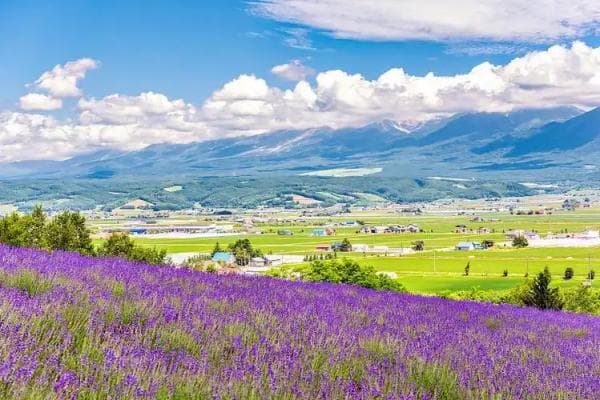
Picture this: endless fields of lavender swaying in the breeze, crisp mountain air filling your lungs, and starry nights so clear you can see the Milky Way—welcome to Hokkaido in summer! While the rest of Japan bakes under the sun, you'll be hiking through flower-covered hills or biking along quiet lakeshores in perfect 20°C (68°F) weather.
Start your mornings wandering through Furano's rainbow flower fields, where July turns the hills into patches of purple lavender, and golden sunflowers. Stop by a roadside stall to try fresh melon ice cream—Hokkaido's famous sweet treat. Then drive to Biei's rolling hills, where lone oak trees stand like natural sculptures in seas of green.
For adventure, hike around the turquoise waters of Shikotsu Toya National Park, or take the ropeway up Mt. Moiwa in Sapporo for panoramic views that stretch all the way to the sea. If you love seafood, don't miss the Nijo Market in Sapporo—grab a bowl of uni (sea urchin) rice or the juiciest crab legs you've ever tasted.
Evenings here are magical. In Otaru, stroll along the old canal as gas lamps flicker to life, then try their famous cream puffs at a café. Or join Sapporo's Summer Festival (July-August) for open-air beer gardens under the stars, with sizzling lamb barbecue (jingisukan) and live music.
Sure, you might need a light jacket when the sun goes down—but that's the charm of Hokkaido summers. No sweltering heat, no crowded streets—just wide-open spaces, wild nature, and some of Japan's most breathtaking scenery. Pack your camera, good walking shoes, and an appetite—this northern escape will refresh your soul!
(4) Kamakura
Get ready to step off the train into a world where ancient temples meet crashing waves, where bamboo forests whisper in the ocean breeze—that's Kamakura in summer. This charming coastal town lets you escape Tokyo's heat without losing any of Japan's magic.
Start your day early, beating the crowds to the Great Buddha, standing serene in the morning light. Then grab a cold matcha latte from a sidewalk café as you wander toward Hase Temple, where hydrangeas bloom in bursts of blue and purple along shaded paths. By midday, you'll be ready to hit the beach—Yuigahama or Zaimokuza offer golden sand and gentle waves perfect for dipping your feet, with surfboard rentals if you're feeling adventurous.
When the sun gets too strong, duck into a tiny soba shop for chilled noodles, or treat yourself to a mango shaved ice at a stand near Komachi Street. As afternoon cools, follow the hiking trail from Kenchoji Temple through cedar forests to hidden shrines, stopping to admire sudden views of the sparkling Sagami Bay.
Evenings here feel like a movie scene. Join locals strolling Enoshima Island as lanterns flicker to life, tasting fresh octopus crackers while watching the sunset paint Mt. Fuji pink across the water. Or time your visit for one of Kamakura's summer fireworks nights, when the dark sky erupts in color over the sea.
Sure, you might share the sights with some other tourists—but stay past sunset, and Kamakura reveals its quiet soul. Don't forget your sandals, sunscreen, and that one book you've been meaning to read—Kamakura's rhythm will do the rest.
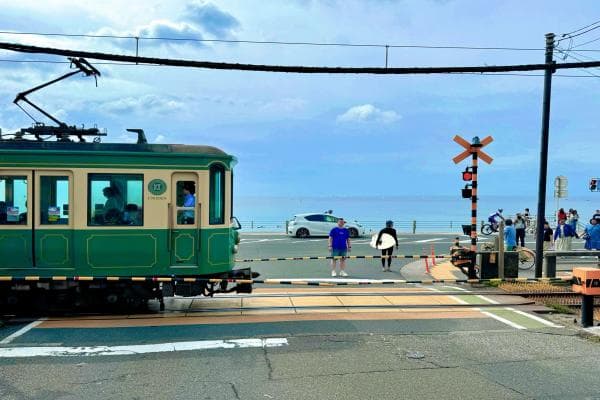
(1) Summer Beach Getaway
Warm golden sand between your toes, the sound of waves gently laps at the shore, and the salty ocean breeze plays with your hair. Japan's beaches in summer offer the perfect escape from the city heat, with crystal-clear waters and plenty of ways to relax or have fun.
Start your morning by spreading out your towel on the soft sand—maybe at Okinawa's famous Emerald Beach with its unbelievably blue water, or Kamakura's Yuigahama Beach where surfers catch waves against a backdrop of Mount Fuji. The water is just right—cool enough to refresh you but warm enough to stay in all morning. Try snorkeling to see colorful fish darting around coral reefs, or rent a paddleboard to explore the coastline from a different angle.
When the sun gets stronger, take a break under a rented parasol with a cold drink in hand. Local beach shacks serve up perfect summer snacks—try shaved ice topped with sweet Okinawan mango, or a bento box filled with fresh seafood caught that morning. The slow rhythm of beach life takes over as you alternate between swimming, reading, and just watching the sailboats drift by.
As afternoon turns to evening, the beach transforms. In some spots, lanterns begin to glow as small bars open along the shore. Order a cocktail made with local shikuwasa citrus as you watch the sunset paint the sky in shades of pink and orange. If you're lucky, you might stumble upon a bonfire party with locals playing traditional sanshin music.
After a day in the sun and saltwater, you'll sleep like a baby—whether in a beachfront hotel or a cozy guesthouse just steps from the shore. Pack your swimsuit, plenty of sunscreen, and that book you've been meaning to read—Japan's beaches are waiting to give you that perfect summer feeling of sun, sea, and simple happiness.
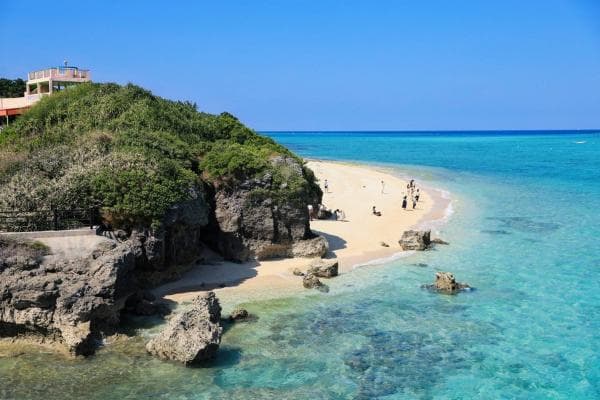
(2) Firefly Summer Night
As twilight paints the sky in soft purples and blues, you find yourself standing at the edge of a quiet forest path. The day's warmth lingers in the air, carrying the fresh scent of damp earth and green leaves. Then you see it—the first flicker of light. Then another. Soon, dozens of tiny living lanterns are dancing around you in the gathering darkness.
In Nagasaki's Firefly Forest, you'll follow a gentle path along a stream, where thousands of fireflies glow among the trees. Their soft light reflects on the water, doubling the magic. Locals will tell you to walk slowly and quietly—the more still you are, the closer they'll come. Some might even land on your hand, their tiny light pulsing like a heartbeat before they fly off again.
Or visit Kyoto's Tale of Genji Museum as evening falls. The traditional gardens here become a stage for nature's light show. Fireflies drift past old wooden bridges and over quiet ponds, just like in ancient Japanese poems. Bring a light jacket—summer nights can be cool near the water—and maybe a handkerchief to sit on while you watch.
The best time is late June to early July, just after sunset when the fireflies are most active. Turn off your phone's bright screen—your eyes will adjust to the dark, and soon you'll see more fireflies than you ever thought possible. For about an hour, you'll stand still in the warm night, watching these delicate creatures write their own stories in light.
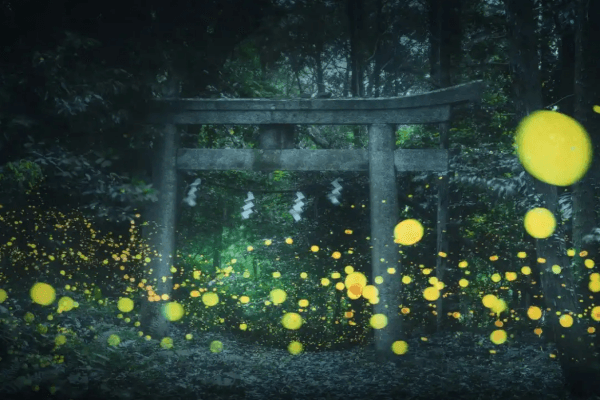
(1) Japanese Fireworks Festival
There's nothing quite like experiencing a Japanese fireworks festival on a warm summer evening. As the sun begins to set, you'll find yourself surrounded by the lively energy of the crowd, the tempting aromas of street food wafting through the air, and the excited chatter of people claiming their spots along the riverbank or beach.
Dressing in a lightweight yukata adds to the magic—the soft cotton keeping you cool as you navigate through the festival stalls. You'll want to arrive early to secure a good viewing location, maybe picking up some classic festival snacks along the way. Bite into crispy takoyaki still sizzling from the grill, try your hand at goldfish scooping, or cool down with a refreshing kakigori shaved ice in your favorite flavor.
As darkness falls, the first firework bursts overhead with a thunderous boom that echoes across the water. What follows is an unforgettable spectacle—the night sky transforms into a canvas of brilliant colors, with each perfectly timed explosion drawing gasps and cheers from the crowd. Some fireworks bloom like giant flowers, others cascade down like golden waterfalls, and the most impressive create intricate shapes that seem to hang in the air.
When the last sparks fade, you'll join the stream of people heading home, perhaps stopping for one last snack or drink along the way. Your feet might be tired from standing, your yukata slightly wrinkled, but the memory of those brilliant lights reflecting off the water will stay with you as the perfect summer night in Japan.
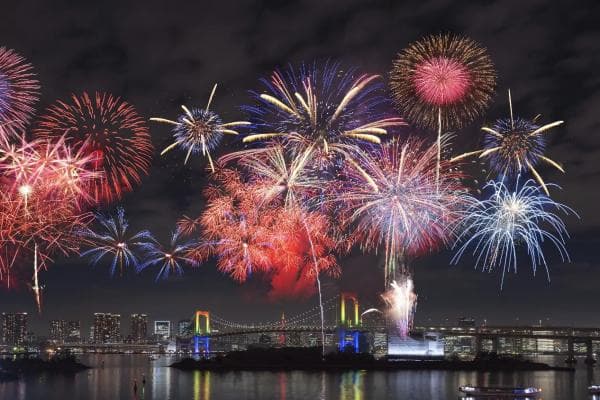
(2) Japanese Summer Festival
You step into the lively streets as the sun begins to set, greeted by the rhythmic beat of taiko drums and the sweet scent of caramelized sugar in the air. This is Japan's summer festival at its best—warm, welcoming, and full of simple joys.
Dressed in a lightweight yukata, you feel the summer breeze through the thin cotton as you join the flow of people moving between attractions. Try your hand at shooting games with wooden guns, or test your luck at the ring toss—the prizes might be simple, but the fun is real.
When hunger strikes, follow your nose to the food stalls. Bite into a juicy yakitori skewer, its savory sauce dripping down your fingers. Cool off with a slice of watermelon so cold it makes your teeth tingle, or try the festival favorite—candy-coated apples that crackle with each sweet bite.
As night falls, the energy builds. A procession of mikoshi shrines passes by, carried on the shoulders of chanting locals. The rhythmic "wasshoi! wasshoi!" echoes through the streets as they bounce the heavy shrine in time with their shouts. Nearby, a group performs traditional bon odori dances, their movements graceful yet inviting—before you know it, you're clapping along to the beat.
The festival stays with you long after you leave—the taste of salty soy sauce on grilled corn, the sound of children's laughter mixing with folk songs, the sight of lanterns bobbing in the warm night breeze. It's not just an event, but a feeling—that perfect summer moment when everything seems alive with possibility and joy.
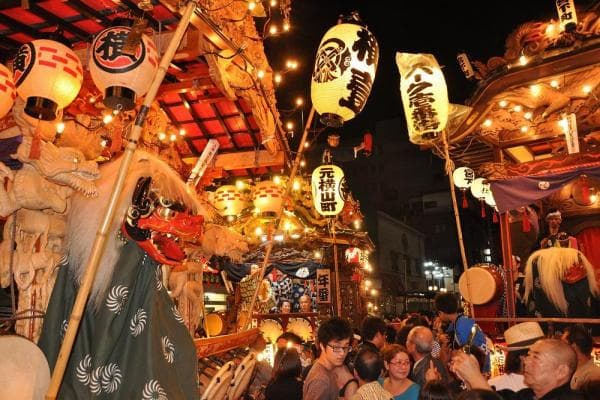
You'll find Japan's peak summer season brings both incredible festivals and inevitable crowds at major events like Tokyo's Sumida River fireworks or Kyoto's Gion Matsuri. The secret? Visit popular sites right at opening time to enjoy them in relative peace before the crowds arrive. Locals can point you to smaller neighborhood festivals that capture the same magic with fewer people. Some of the most memorable moments come when you stumble upon quiet shrines or local hangouts where you can experience Japan's summer atmosphere without the tourist bustle.
Summer travel doesn't have to break the bank if you plan strategically. Booking hotels well in advance (3-4 months early) can save significantly, especially if you stay at business hotels slightly outside city centers. For affordable meals, follow office workers to lunch spots serving hearty teishoku sets or try the surprisingly good prepared foods at convenience stores. Regional rail passes offer great value for intercity travel, and don't forget many of Japan's best summer experiences—from firefly viewing to evening festival strolls—cost nothing at all.
6. Japan Travel Tips in Summer
Stay cool and comfortable
- Light, breathable clothing is a must—think cotton or linen
- Don't forget sunscreen, a hat, and a reusable water bottle
- Carry a handheld fan or portable mini fan—lifesavers in humidity
- Pack a small towel for sweat—many shops even sell cute "tenugui" (hand towels)
Beat the heat and crowds
- Visit popular spots early in the morning or later in the evening
- Take advantage of indoor attractions (museums, cafes) during midday heat
- Check local matsuri (festivals) and fireworks schedules—arrive early for good views
Be prepared
- Have cash for small vendors at festivals and rural areas
- Keep an umbrella handy—summer showers can appear suddenly
- Download a translation app—English may be limited in countryside areas
Are you interested in this tour?
This tour can be tailored.

