


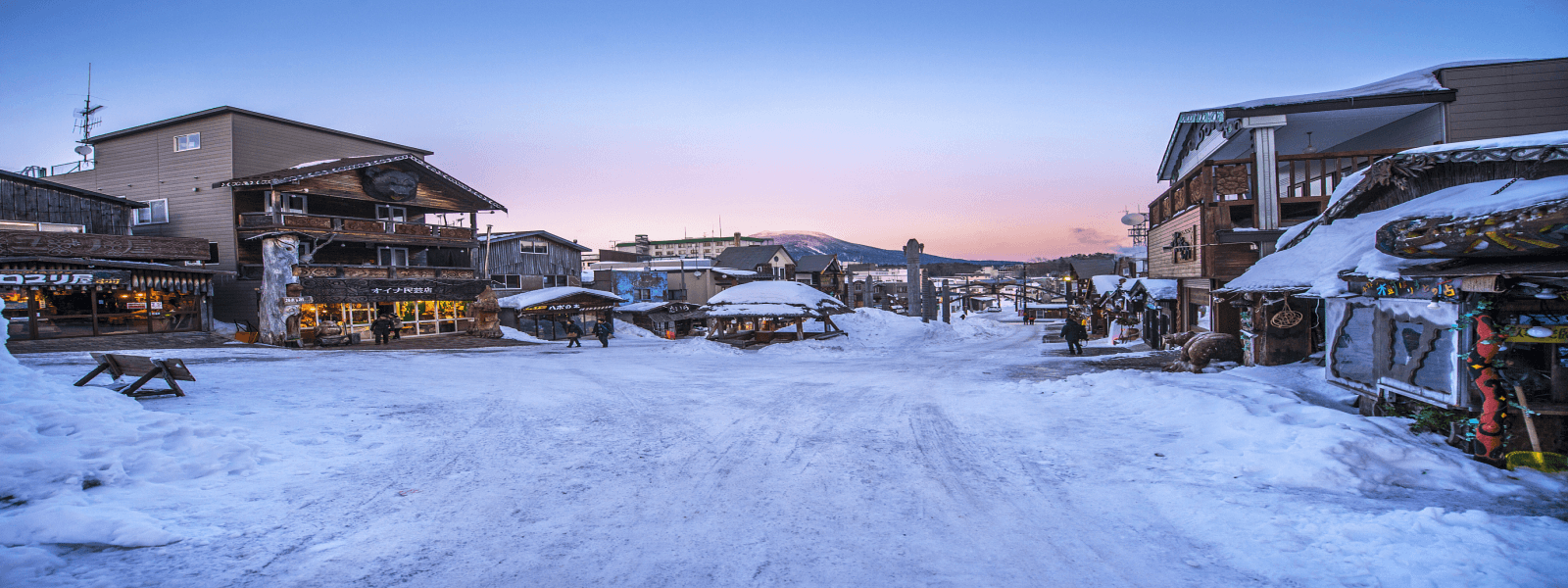
Winter in Japan is like stepping into a peaceful, snowy kingdom. Picture yourself walking through quiet streets dusted with snow, past ancient temples glowing under soft winter light. The air is crisp and fresh, and the smell of steaming ramen or sweet roasted chestnuts draws you into cozy little shops. You might soak in an outdoor hot spring, watching snowflakes melt into the steamy water, or sip warm sake by a crackling fireplace. It's a season of quiet beauty, warm comforts, and moments that feel just a little bit magical. Doesn't that sound like the perfect winter getaway?
Table of Contents
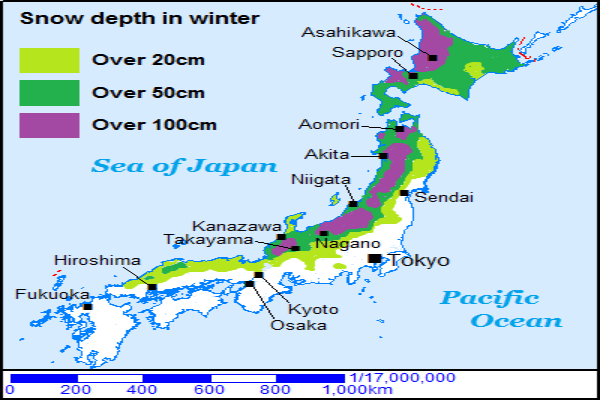
Winter in Japan is a magical time, but the weather can vary a lot depending on where you go. In cities like Tokyo, Kyoto, and Osaka, daytime temperatures are cool but manageable—around 10°C (50°F)—while nights can drop to 3°C (37°F), so a warm coat is a must. You might even see a light dusting of snow, especially in January and February!
Up north in places like Hokkaido, winter is in full swing—think snowy landscapes, sub-zero temperatures, and perfect conditions for skiing or soaking in steamy outdoor hot springs. Meanwhile, down in Okinawa, winters are mild, with highs around 18°C (64°F), making it a great escape if you prefer a little warmth.
No matter where you visit, winter in Japan has its own charm—festive lights, cozy izakayas (pubs) serving hot pots, and quiet temples dusted with snow. Just pack some layers, maybe a good pair of boots, and get ready to enjoy the season's unique beauty!
2. Best Places to Visit in Winter
(1) Sapporo
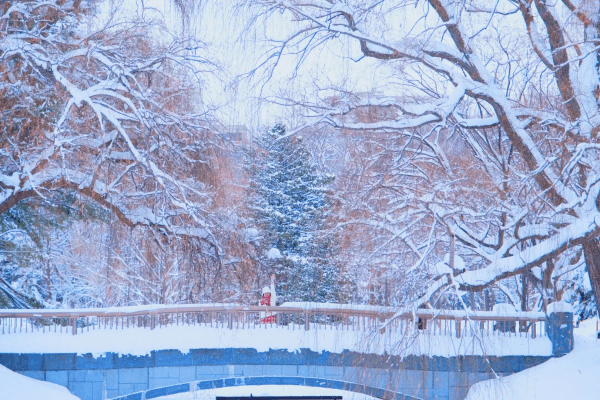
If you're planning a winter trip to Sapporo, get ready for an amazing experience! The city turns into a snowy paradise, with cozy streets, beautiful lights, and plenty of fun things to do. The weather is cold, often below freezing, but that just adds to the charm—just remember to bundle up in warm layers, a good winter coat, gloves, and sturdy boots to stay comfortable while exploring.
One of the best parts of visiting Sapporo in winter is the famous Sapporo Snow Festival, held every February. The city's parks fill with incredible snow and ice sculptures, some as tall as buildings, all lit up at night for a magical atmosphere.
For a breathtaking view of the city covered in snow, take the ropeway up Mount Moiwa. The observation deck gives you a panoramic view that's especially stunning at sunset or after dark when the city lights sparkle below. When you need a break from the cold, warm up with some of Sapporo's delicious comfort food. The city is known for its rich miso ramen, best enjoyed in the lively Susukino district at small, steamy ramen shops.
For a relaxing end to your day, visit one of Sapporo's nearby hot springs, like Jozankei Onsen, where you can soak in warm, mineral-rich waters while surrounded by snowy landscapes. It's the perfect way to unwind after a day of winter adventures.
Sapporo in winter is full of warmth and charm, from its festive snow sculptures to its delicious food and cozy hot springs. Whether you're here for the skiing, the sights, or just to enjoy the snowy atmosphere, you're sure to leave with wonderful memories!
(2) Kyoto
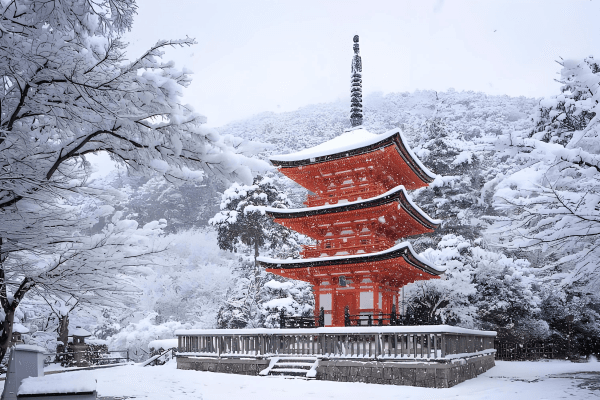
There's a quiet magic to Kyoto in winter. As the crowds thin, you'll discover the city's peaceful soul. Crisp air sharpens the beauty of temples and gardens, especially when dusted with snow. While chilly, the weather makes Kyoto's warm hospitality and seasonal comforts even more inviting.
Winter transforms Kyoto's landmarks beautifully. The Golden Pavilion shimmers against fresh snow, while Kiyomizu-dera's terrace offers stunning city views. Bamboo groves and stone gardens take on a serene quality in the soft winter light.
This season is perfect for cozy experiences. Warm up in tea houses with frothy matcha and delicate sweets. Try steaming nabe hot pots or sweet amazake as temple illuminations cast a magical glow over ancient gardens.
With fewer visitors, you can enjoy quiet moments—frost on maple leaves, incense smoke at neighborhood shrines, or peaceful walks along the Philosopher's Path. When you need warmth, visit a local sento or nearby Kurama Onsen for a soak surrounded by snowy mountains.
Kyoto in winter offers a more intimate experience—heartier flavors, more thoughtful garden compositions, and deeper cultural connections. It's a side of the city many miss, but one you'll cherish long after you leave.
(3) Tokyo
Tokyo in winter offers the perfect mix of urban energy and seasonal charm. You'll find the city sparkling with dazzling illuminations from November through February—don't miss Roppongi Hills for breathtaking city views or Caretta Shiodome's magical blue light displays. The crisp air makes steaming bowls of ramen and comforting oden taste even better, especially when enjoyed at cozy local shops.
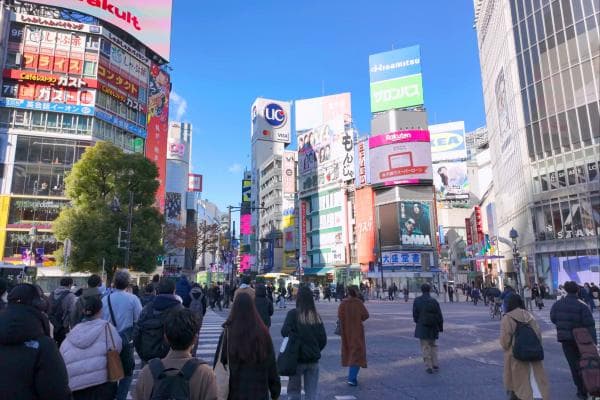
While snow is rare in central Tokyo, you can easily take day trips to nearby ski resorts like Gala Yuzawa. Back in the city, winter's smaller crowds mean you can enjoy popular spots like Shibuya Crossing and Meiji Shrine without the usual crowds. Warm up between explorations at charming standing bars with hot sake, or unwind at one of Tokyo's many hot spring facilities. The city's vibrant nightlife feels even more inviting after a day in the winter air.
From festive illuminations to comforting seasonal foods, Tokyo in winter combines urban excitement with cozy warmth perfectly. You'll love discovering the city's seasonal charms while enjoying shorter lines at major attractions and a more relaxed pace overall.
(4) Kyushu
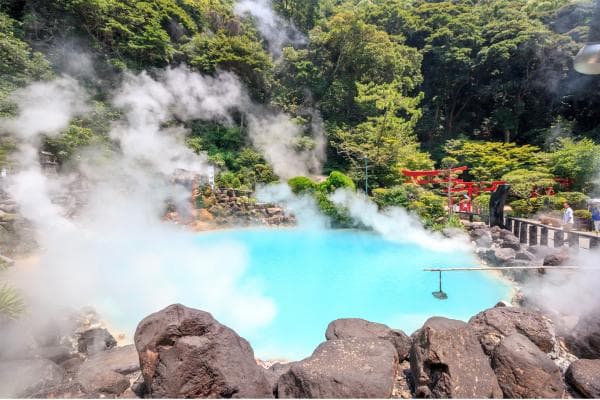
Kyushu in winter offers you a wonderfully mild escape with steaming hot springs and delicious seasonal treats. You'll love soaking in Beppu's famous onsens while steam rises dramatically into the crisp air—the perfect way to warm up when evening temperatures dip to around 10°C. The island's volcanic landscape creates hundreds of natural hot springs, each with their own mineral properties to soothe your winter aches.
This is prime time for food lovers. You'll crave steaming bowls of Hakata's famous tonkotsu ramen with its rich, milky pork broth, or Fukuoka's hearty motsunabe hotpot packed with offal and vegetables. Winter brings the sweetest dekopon oranges and yuzu-flavored desserts that brighten up the colder days. Don't be surprised if you find yourself stopping at convenience stores just to try their seasonal oden selections!
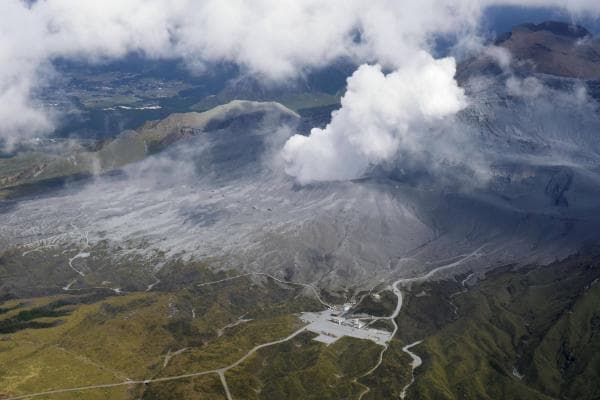
Nature puts on a special show during Kyushu's winter months. At Takachiho Gorge, morning mists dance above the emerald green river, creating scenes straight out of a fairy tale. Kumamoto Castle looks particularly striking against crisp blue skies, while the steam rising from active volcanoes adds drama to the landscape. You'll appreciate having popular spots like Nagasaki's Glover Garden almost to yourself.
What really makes Kyushu special are those unique winter-only experiences. Imagine soaking in Kurokawa Onsen's rustic outdoor baths surrounded by winter scenery, or trying Kagoshima's sand baths where you're buried in naturally heated volcanic sand. Many ryokans offer special winter kaiseki meals featuring seasonal crab and wild mountain vegetables. With shorter lines at attractions, comfortable weather and steaming comfort food everywhere, you'll discover why winter is Kyushu's best-kept secret.
(1) Skiing
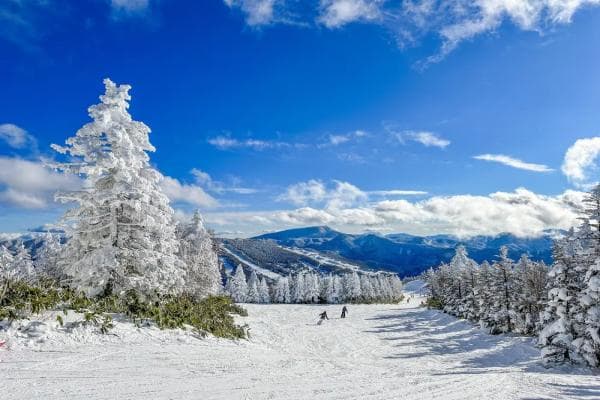
You're in for a treat skiing in Japan this winter—the legendary powder snow here is like nothing else. From December to March, resorts across Hokkaido and Nagano transform into winter wonderlands with that famous light, dry snow perfect for carving. Whether you're learning the basics or hunting for backcountry challenges, Japan's got slopes for you. Niseko's gentle runs are ideal for beginners, while experts will love Furano's steep drops.
The real magic happens after your last run. Picture this: soaking in a steaming onsen as snowflakes drift down, then warming up with a bowl of rich ramen or fresh Hokkaido seafood. Many resorts sit in charming hot spring towns where you can experience traditional Japan between ski sessions. At night, beautifully lit slopes stay open for magical moonlit runs.
What makes Japanese skiing special are those little touches—heated chairlifts, perfectly groomed trails, and delicious mountain hut food. You might ski past ancient temples or wild snow monkeys between runs. The efficient bullet trains make hopping between resorts easy too. Just pack good waterproof gear and get ready to fall in love with Japan's winter playground. One trip and you'll understand why so many skiers call this place powder heaven.
(2) Soaking in a Japanese onsen
Nothing beats soaking in a steaming Japanese onsen during winter—it's the perfect way to warm up while snowflakes dance around you. You'll love the feeling of warm mineral-rich waters while chilly air brushes your face—especially in outdoor baths surrounded by snow. Remember to wash thoroughly before entering, and keep your towel out of the water (most people place it on their head). Many ryokans offer private baths if you're uncomfortable with communal soaking.
Winter brings special touches like yuzu citrus floating in the baths or warm amazake drinks afterward. Picture-perfect spots like Ginzan Onsen become even more charming when snow blankets their traditional wooden buildings. Some of the most memorable experiences come from unique baths like sand onsens where you're buried in warm volcanic sand, or snow caves with hot springs inside. Wherever you choose to soak, that blissful feeling of warmth spreading through your body as cold air nips at your face will become one of your favorite memories of Japan in winter.
That incredible sensation of warmth spreading through your body as snowflakes fall around you will stay with you long after your trip ends. It's the perfect way to unwind after a day of winter adventures.
(1) Sapporo Snow Festival
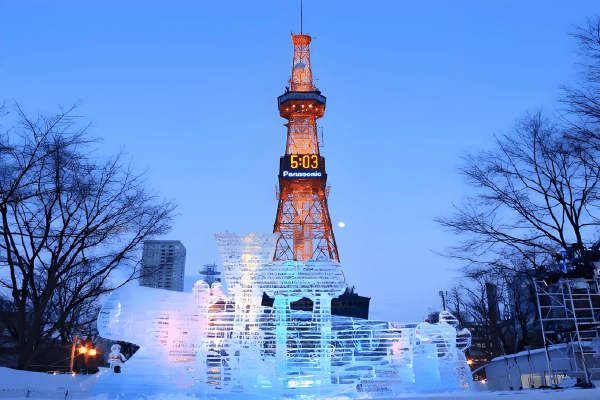
You're going to love the Sapporo Snow Festival—it's winter magic at its best! Every February, the city transforms into a sparkling wonderland with enormous snow and ice sculptures that will take your breath away. The main action happens at Odori Park, where you'll see incredible creations—some as tall as buildings—lit up beautifully at night. During the day, you can watch artists carving new sculptures right before your eyes using chainsaws and special tools.
Don't miss the slides and play areas made entirely of snow—they're not just for kids! You'll want to try the local street food too, like steaming bowls of miso ramen (perfect for warming up) or fresh seafood grilled on ice. The Susukino area features stunning ice sculptures that glow with colorful lights after dark—it's incredibly romantic. Dress warmly in waterproof boots because you'll be walking through lots of snow, and consider visiting on weekdays when it's less crowded.
The festival has been running since 1950 and keeps getting better each year. Whether you're admiring the massive snow replicas of famous buildings, trying snow activities, or just soaking up the cheerful atmosphere with hot amazake in hand, you'll understand why this is one of Japan's most beloved winter events. It's cold, but the excitement and beauty will keep you warm!
(2) Christmas
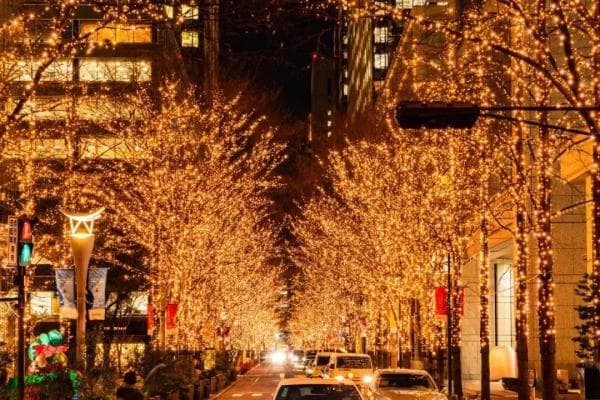
Get ready to experience Christmas in Japan—a magical blend of Western traditions and unique local twists. From mid-November through December, cities transform with dazzling illuminations. Tokyo's Roppongi Hills and Marunouchi sparkle with millions of lights, while department stores create spectacular Christmas window displays perfect for photos.
You'll discover charming traditions like the nationwide KFC Christmas feast—a 1970s marketing success that became a cultural phenomenon. Don't miss the Japanese Christmas cake either—light sponge topped with strawberries and cream in every pastry shop window. Couples treat Christmas Eve like Valentine's Day, reserving romantic dinners and exchanging gifts.
Theme parks like Tokyo Disneyland host special parades, while convenience stores offer festive treats. What makes it special is this joyful mix—illuminated shrines beside Christmas markets, or Santa hats on traditional dolls. Just book early, as this popular season attracts visitors nationwide!
Winter in Japan offers a magical escape with snowy landscapes and cozy traditions, making it a great time to visit with fewer crowds and lower prices. From December to February, you can enjoy steaming hot springs in picturesque towns like Ginzan Onsen, feast on seasonal dishes like nabe hotpot and fresh crab, and experience dazzling winter illuminations in cities. While Hokkaido offers world-class skiing, urban areas like Tokyo and Osaka stay relatively mild—just pack warm layers and waterproof shoes.
You'll find excellent travel deals outside the New Year holiday period (December 29-January 3), with discounted flights and hotels. This quiet season lets you enjoy famous sites without crowds, whether you're admiring snow-dusted temples in Kyoto or having local experiences like chatting with shopkeepers over hot tea. Don't miss unique winter activities like soaking in outdoor onsens while snow falls around you or trying winter-only treats at convenience stores and markets.
6. Japan Travel Tips in Winter
Dress warmly for the cold
- Layer up with thermal wear, a warm coat, gloves, and a scarf—especially in snowy regions like Hokkaido
- Waterproof boots are a must for walking through snow or slush
- Pack hand warmers (kairo) for extra comfort during outdoor sightseeing
Embrace winter-only experiences
- Soak in an outdoor onsen (hot spring) while snow falls around you—try Hakone or Noboribetsu
- Warm up with seasonal foods like nabe hotpot, grilled mochi, and hot amazake (sweet rice drink)
- Visit illuminations in Tokyo (Roppongi), Osaka (Midosuji), or Kobe (Luminarie) for festive lights
Practical winter prep
- Carry cash—many small restaurants and rural onsens don't accept cards
- Check weather alerts for heavy snow, especially in mountain areas
- Rent winter gear (coats, boots) at airports or ski resorts if packing light
Are you interested in this tour?
This tour can be tailored.

