


Experience Japan's festivals firsthand! They're not just dates on a calendar—they're the heart and soul of Japanese culture, packed with tradition, color, and genuine warmth. Whether you come during the quiet snow of New Year, the bright kimonos of Coming of Age Day, or the family warmth of Obon, Japan opens its heart in a way you won't find anywhere else. You'll see vibrant decorations, try delicious seasonal foods, and feel the warmth of traditions passed down for generations. They're moments where you can laugh, connect, and make memories that stay with you. Come see why celebrations in Japan feel so alive! Which one would you love to see?
Table of Contents
Imagine being in Japan when the clock strikes midnight on December 31st—you're about to experience one of the country's most special traditions! New Year's Day (January 1st) is Japan's biggest holiday, full of warm customs that families have cherished for generations.
Your New Year's adventure might begin with a bowl of "osechi"—beautiful lacquered boxes filled with symbolic foods like sweet black beans for health and herring roe for prosperity. Don't miss the chewy "mochi" rice cakes either (but be careful—they're delicious but sticky!).
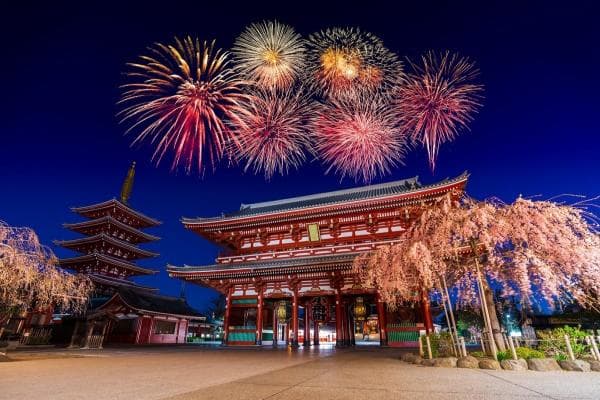
As the new year arrives, you'll hear deep temple bells ringing 108 times across the country, each chime meant to cleanse away a different human worry. Then join the locals in their first shrine visit of the year—called "hatsumode"—where you can write wishes on wooden plaques or buy lucky charms.
The streets will be surprisingly quiet as families stay home together, playing traditional games and enjoying special TV programs. If you're lucky, you might see kids receiving "otoshidama" money gifts in cute little envelopes.
Everything feels fresh and hopeful during these first days of January. Whether you're tasting new year's treats, joining the cheerful shrine crowds, or simply enjoying the peaceful atmosphere, you'll understand why this holiday means so much in Japan.
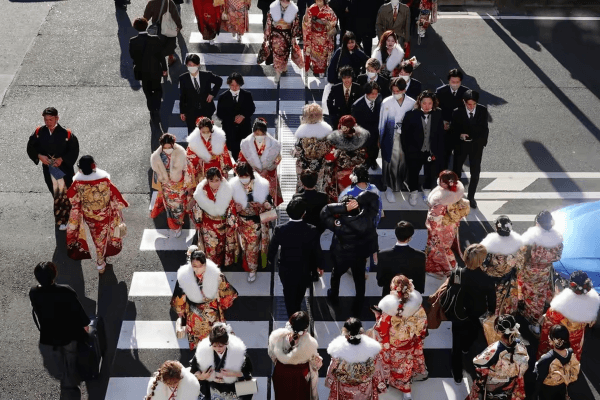
Picture yourself in Japan on the second Monday of January—the streets are filled with young women in colorful kimonos and young men in sharp suits, all smiling for photos with family and friends. You're witnessing Seijin Shiki, Japan's special Coming of Age Day!
This is the day when everyone who turned 20 in the past year officially becomes an adult. For you as a visitor, it's a wonderful chance to see traditional Japanese culture come alive. Watch as the new adults gather at local government offices for ceremonies—the girls' long-sleeved furisode kimonos flutter beautifully as they walk, while the guys look proud in their formal hakama or modern suits.
You'll notice cameras flashing everywhere—families want to remember this important milestone. Some young women wear elaborate hairstyles with pretty hairpins, a special treat for their big day. After the formal events, groups often head to shrines to pray for good fortune in their adult lives.
If you're in Tokyo, check out Meiji Shrine or other popular spots—you'll see whole families dressed up and celebrating together. The atmosphere is happy and hopeful, full of excitement about the future.
For you as a traveler, it's a perfect opportunity to see how Japan honors tradition while embracing modern life. Don't be shy about offering congratulations—a simple "congratulations" will make everyone smile!
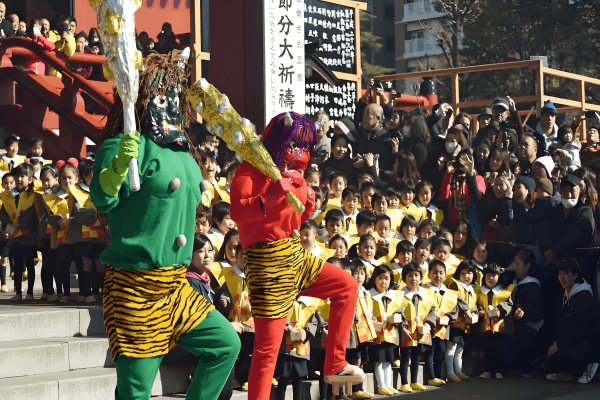
How about this: It's February 3rd in Japan, and everywhere you look, people are throwing beans and shouting "Oni wa soto! Fuku wa uchi!" ("Demons out! Luck in!"). You've arrived just in time for Setsubun, Japan's lively spring festival that chases away winter blues and welcomes good fortune.
Here's how you can join the fun: At temples and homes across the country, people toss roasted soybeans to scare away bad luck—sometimes even at grumpy-looking "oni" (demon) masks worn by family members! Don't be surprised if you're handed a handful of beans to throw too. There's a special tradition of eating one bean for each year of your age plus one extra for good luck—though you might want to nibble slowly as they can be quite dry!
Some families enjoy a special sushi roll called ehomaki while facing the lucky direction of the year—it's said to bring good fortune if you can eat the whole roll without speaking. At temples, you might see famous sumo wrestlers or celebrities throwing beans to cheering crowds—Kyoto's Yoshida Shrine and Tokyo's Sensoji Temple host particularly exciting events.
The best part? This quirky festival blends ancient traditions with modern fun. Whether you're dodging flying beans at a local shrine or trying your first ehomaki roll, you'll feel the cheerful energy of Japan welcoming spring. Don't forget to pick up some cute oni-themed souvenirs—those scary demons actually become quite lovable during this festival!
If you walk into a Japanese home in early March and see a beautiful staircase display of ornate dolls in ancient court costumes—you'll discover Hinamatsuri, Japan's lovely Doll Festival! On March 3rd, families with daughters create these stunning displays to wish for their girls' health and happiness.
The centerpiece is always the "hina ningyo" doll set—emperor and empress dolls sitting on red fabric, surrounded by miniature court musicians, ministers, and beautiful furniture. Some displays are so elaborate they take up entire rooms! While you admire them, you might notice peach blossoms decorating the display—they symbolize a happy marriage in the future.
This is the perfect day to try special Hinamatsuri treats. Look for "hina arare"—pastel-colored rice crackers that crunch delightfully, or "shirozake"—sweet white sake (non-alcoholic for kids!). The star food is "hishi mochi"—diamond-shaped pink, white and green rice cakes that look almost too pretty to eat.
If you're visiting Japan during this time, check out department stores—they often have spectacular doll displays in their lobbies. Some shrines and museums hold special exhibitions too. In homes, you might see girls dressing up in pretty kimonos to celebrate with their families.
The festival has a magical feeling—like stepping into a fairy tale palace. Whether you're admiring the delicate doll faces or tasting the special sweets, you'll understand why this tradition has been loved for centuries. Just remember—families must put the dolls away promptly after March 3rd, or legend says their daughters might marry late!
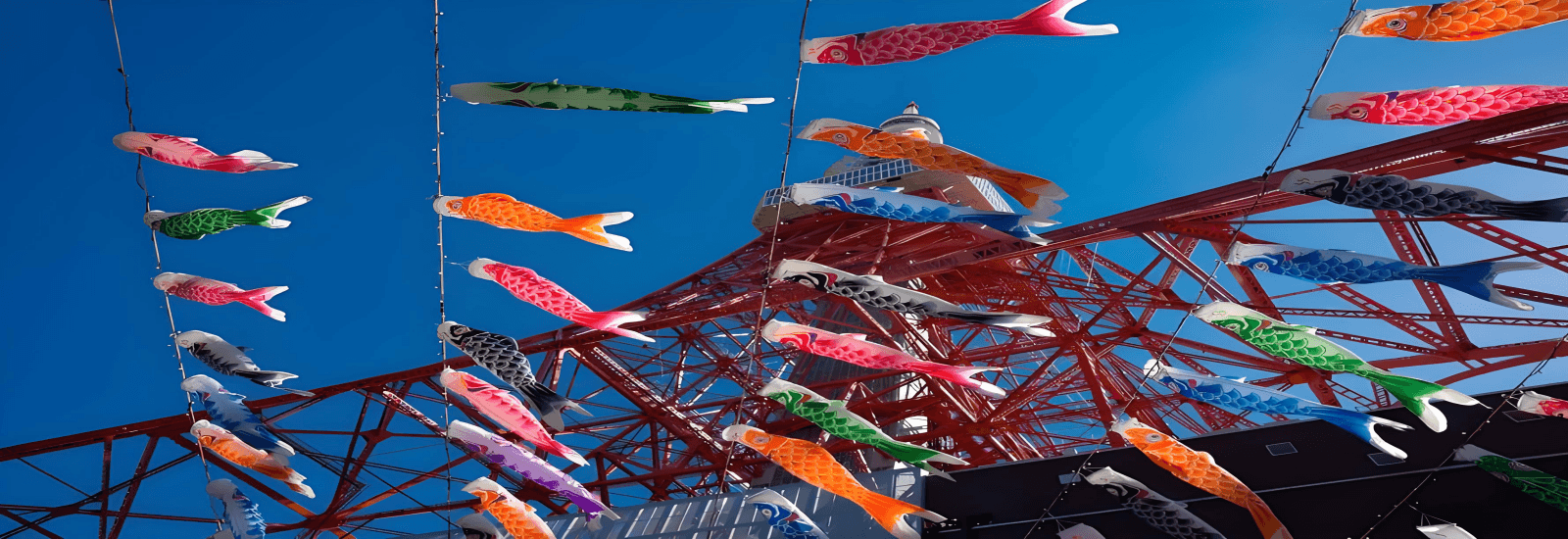
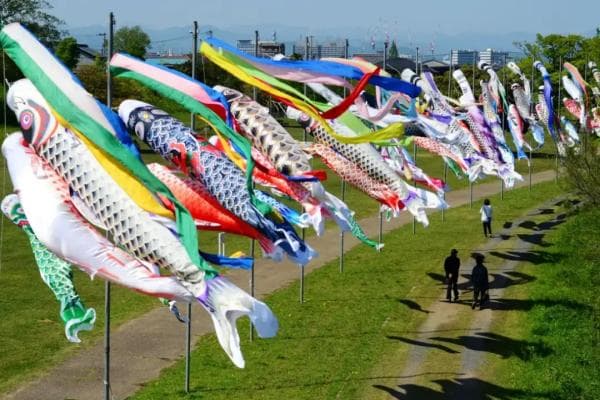
Walking through a Japanese neighborhood in early May and looking up to see dozens of colorful carp-shaped windsocks dancing in the breeze—you've found Japan's wonderful Children's Day celebration! On May 5th, families across the country fill their homes and gardens with these special "koinobori" flags, each representing a family member (the biggest black carp for dad, red for mom, and smaller ones for each child).
This special day (originally called "Tango no Sekku" and focused on boys) now celebrates all children's happiness and growth. Inside homes, you'll spot impressive displays of samurai helmets and armor replicas, wishing boys strength and courage. But don't worry—girls join in the fun too! Many families display beautiful iris flowers, believed to ward off evil spirits, and take relaxing baths with floating iris leaves—a tradition said to promote good health.
The best part? You get to try special Children's Day treats! Look for "kashiwa mochi"—soft rice cakes filled with sweet red bean paste and wrapped in oak leaves (the leaves symbolize strong family ties that don't fall off). Or try "chimaki"—delicious rice dumplings wrapped in bamboo leaves that taste even better when shared.
If you're visiting Japan during this time, check out major rivers like the Tokyo's Sumida River where hundreds of giant koinobori are strung up—it's an unforgettable sight! The cheerful atmosphere will make you feel like a kid again, whether you're admiring the fluttering carp banners or trying the seasonal sweets.
Do you know Obon? Japan's beautiful festival honoring ancestors. For these few special days in mid-August, the whole country seems to slow down as people return to their hometowns, creating a uniquely peaceful atmosphere you won't find any other time of year.
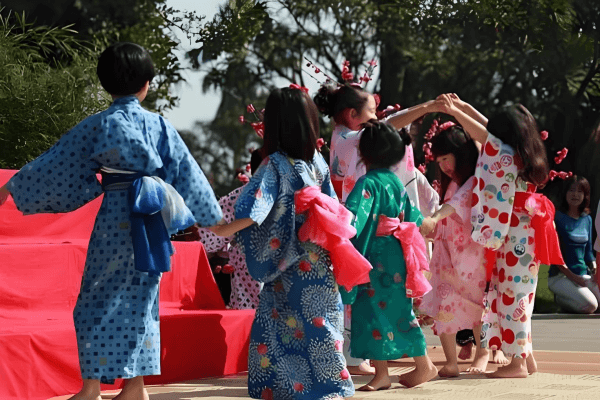
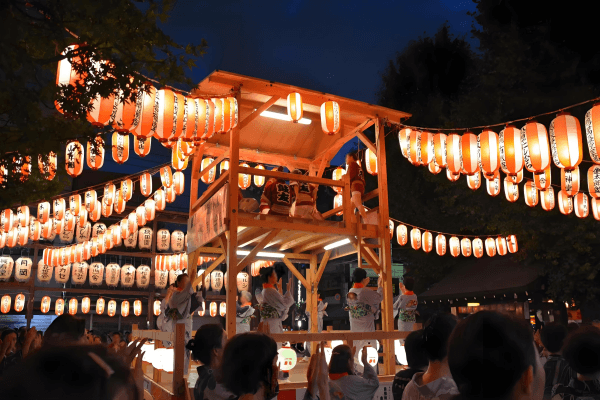
The magic begins with "mukaebi"—small welcoming fires lit outside homes to guide ancestral spirits back. You might see families cleaning graves and offering favorite foods at household altars—maybe some fresh fruit, special rice cakes, or even a cold beer for grandpa! As evening falls, join locals at neighborhood "bon odori" dances in parks or temple grounds. Don't worry if you don't know the steps—the slow, circular dances are easy to pick up, and someone will surely show you how to move with the gentle rhythm of traditional songs.
The most breathtaking moment comes at the end when "okuribi" farewell fires illuminate hillsides—Kyoto's giant burning character "大" on Mount Nyoigatake is especially spectacular. Near rivers or seaside towns, you might see floating lanterns drifting out to sea, their soft lights carrying spirits back to the other world.
While trains might be crowded with returning families, there's a special warmth in the air during Obon. Whether you're watching dancers in yukata under paper lanterns or tasting the seasonal "somen" noodles served in bamboo flumes, you'll feel this festival's quiet beauty. It's Japan's way of showing how the past and present can come together in celebration.
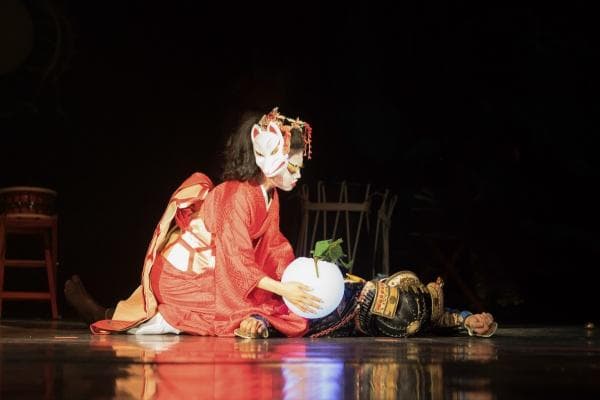
You'll notice something special happening across Japan every November 3rd—museums throwing open their doors for free, school bands performing in parks, and art exhibitions popping up in unexpected places. This is Bunka no Hi (Culture Day), when Japan celebrates its rich artistic heritage in the most welcoming way possible.
Start your day at one of Tokyo's major museums—places like the National Museum or Mori Art Museum often waive admission fees today. You'll find crowds of students sketching sculptures, families discussing paintings, and maybe even a tea ceremony demonstration in the courtyard. Don't be shy about joining in; this is the one day everyone's encouraged to engage with art.
Head to local community centers where you might catch traditional dance performances or calligraphy workshops. In Kyoto, temples often host special cultural displays—imagine seeing a master artisan demonstrating ancient textile techniques right before your eyes. Many cities hold parades featuring everything from samurai armor displays to jazz bands—the eclectic mix perfectly captures modern Japan's creative spirit.
Wrap up your day at a neighborhood gallery opening or indie music performance. Unlike crowded festivals, Culture Day offers quieter but equally meaningful ways to connect with Japan's creative soul. Who knows—you might discover your new favorite ceramic artist or experimental theater group!
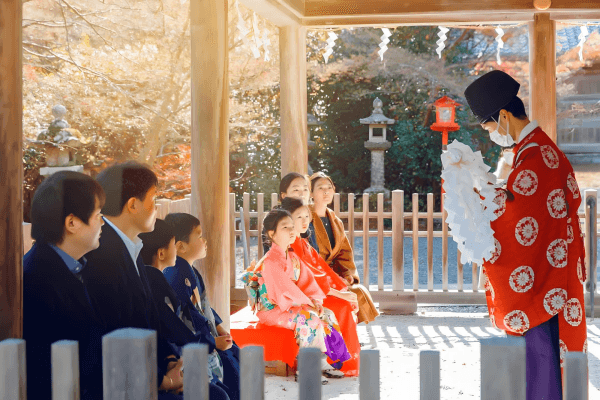
You'll know it's mid-November in Japan when shrines fill with adorable scenes: three-year-old girls toddling in miniature kimonos, five-year-old boys proudly adjusting their first hakama trousers. This is Shichi-Go-San (Seven-Five-Three), Japan's heartwarming tradition celebrating kids' growth.
Find yourself at local shrines during this period to witness the magic. Watch parents fuss over elaborate outfits—the girls' long sleeves often decorated with lucky cranes, the boys' formal trousers carefully straightened. Everyone carries chitose ame candy in lucky red-and-white bags, the extra-long sticks symbolizing wishes for long, healthy lives.
Snap a photo of the cutest moments: a seven-year-old girl solemnly accepting her first paper charm, or a little boy trying hard not to wiggle during the blessing ceremony. Afterwards, follow families to nearby restaurants where kids get special treats—maybe their first fancy boxed meal served in lacquered dishes.
Don't miss shrine stalls selling the festive candy. Grab some chitose ame for yourself—it's deliciously chewy and makes a great souvenir. The air buzzes with happy energy as generations come together celebrating these childhood milestones.
Are you interested in this tour?
This tour can be tailored.

