


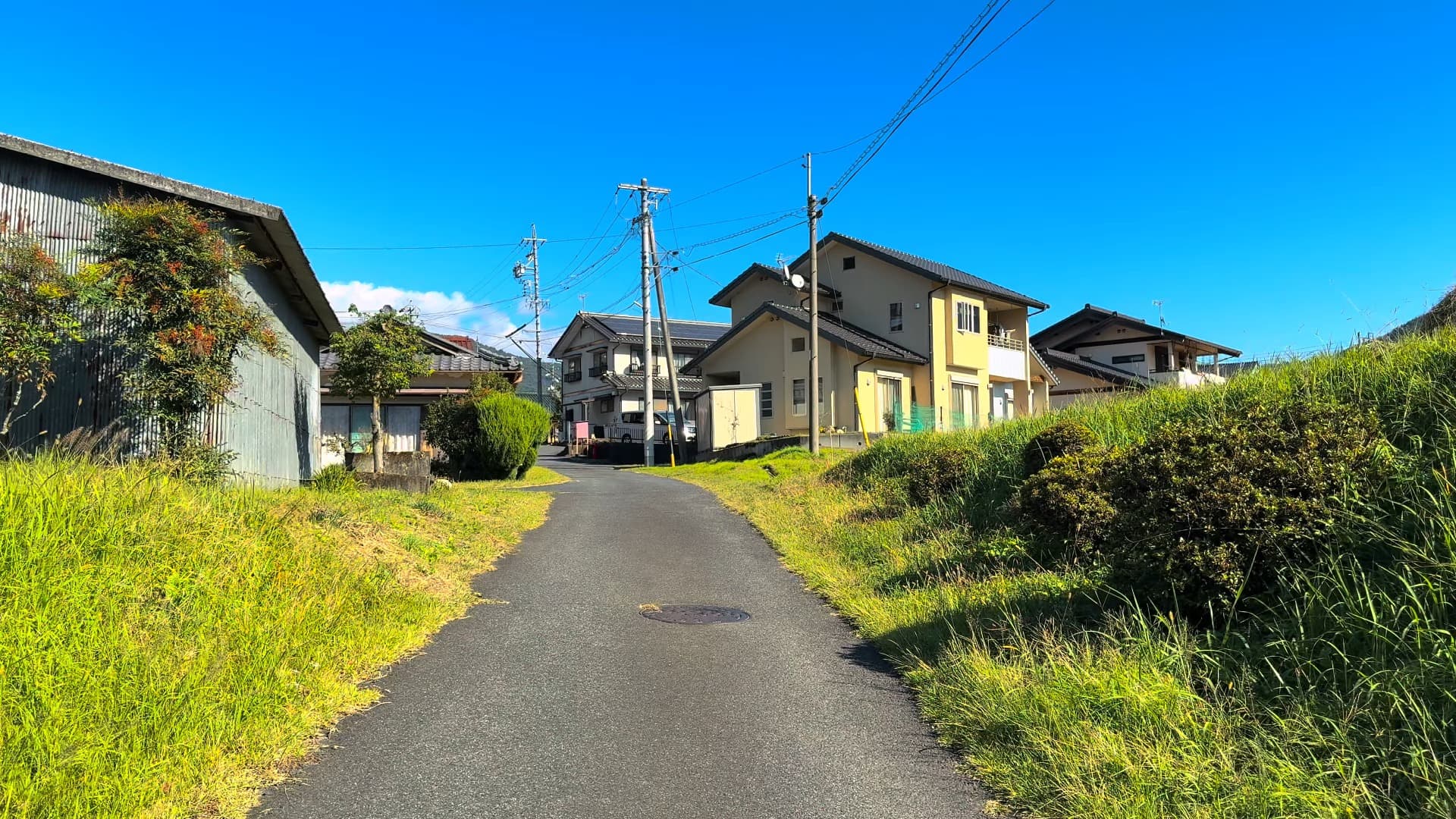
You'll find Japan's true heartbeat in its countryside villages—places where mist curls through ancient cedar forests, where farmers still plant rice by hand, and where your morning bath might be in a hot spring hidden between moss-covered boulders. These villages aren't just pretty postcards; they're living museums where traditions aren't performed for tourists but practiced for life. That first bite of mochi pounded fresh before your eyes, the sound of wooden geta sandals clipping along stone paths at dusk, the way entire valleys glow gold during autumn harvest—these are the moments that stick with you long after your tan fades. Japan's cities dazzle, but its villages stay with your soul.
Table of Contents
1. Shirakawa-go (Gifu Prefecture)
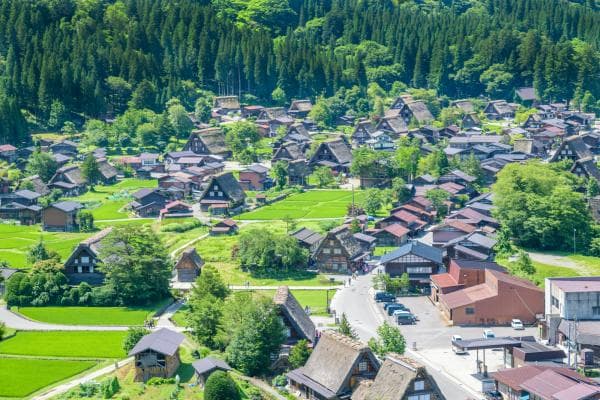
Imagine stepping into a real-life snow globe as you arrive in Shirakawa-go. This UNESCO-listed village in the Japanese Alps looks like it's straight out of a fairy tale, with its steep thatched roofs piled high with snow in winter or glowing golden against green mountains in summer. Those iconic gassho-zukuri farmhouses—some over 250 years old—slope so sharply they look like hands pressed in prayer, designed to withstand heavy snowfall.
Wander the quiet lanes and you'll see locals still maintaining traditions passed down for generations—drying herbs under eaves, tending vegetable gardens, or weaving washi paper. Pop into one of the open houses like the Wada-ke residence to see the impressive wooden beams supporting the roof, then warm up with a cup of roasted tea by the sunken hearth. If you visit in January or February, don't miss the magical illumination nights when the whole village twinkles under a blanket of snow (just book early—it gets crowded!).
For the best views, hike up to the Shiroyama Observatory where you can see all 59 houses nestled in the valley. And whatever season you come, try local specialties like soba noodles made with pure mountain water or salt-grilled river fish. It's not just the scenery that feels timeless here—in Shirakawa-go, you'll experience a side of Japan that modern cities can't replicate.
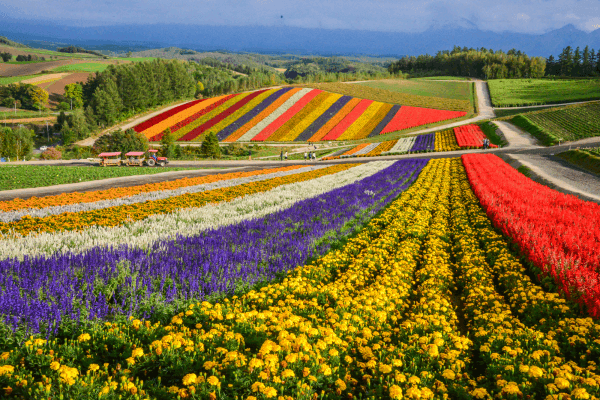
Picture yourself pedaling along a country road in Biei, where rolling hills stretch out like a giant patchwork quilt in every direction. This little town in Hokkaido's heartland turns nature into art—in summer, endless fields of lavender, sunflowers and poppies paint the landscape in bold strokes of color, while autumn sets the whole place ablaze with golden wheat and fiery red maple trees.
Those famous "Biei Blue" ponds you've seen in photos? They're even more magical in person, their milky blue waters dotted with ghostly white birch trunks that seem to float. Stop by the local farmers' roadside stands for sweet melons still warm from the sun, or try the creamiest soft-serve ice cream made with milk from happy Hokkaido cows.
What makes Biei special isn't just the views—it's how quiet everything feels. You can hear the wind rustling through fields of nodding wheat, spot a lone tree standing proudly on a hill (they even have names like "Ken and Mary Tree"), and watch clouds drift lazily over the Tokachi mountains. Whether you explore by bike, rental car or the occasional sightseeing bus, you'll leave with your camera full and your heart even fuller. This is countryside Japan at its most picture-perfect.
3. Kamikatsu Town (Tokushima Prefecture)
Step into Kamikatsu and you'll quickly realize this isn't your typical Japanese mountain village. Tucked away in Tokushima's lush green hills, this tiny community of just 1,500 people is quietly changing what sustainable living looks like. The first thing you'll notice? There are almost no trash bins anywhere—because here, they sort waste into an incredible 45 categories, recycling or reusing nearly everything.
Wander past old farmhouses with their steep thatched roofs, and you might spot elderly ladies carefully picking colorful leaves—not for decoration, but for fancy restaurant plates across Japan. These savvy grandmothers run a thriving business supplying chefs with seasonal foliage, proving rural life can be both traditional and innovative.
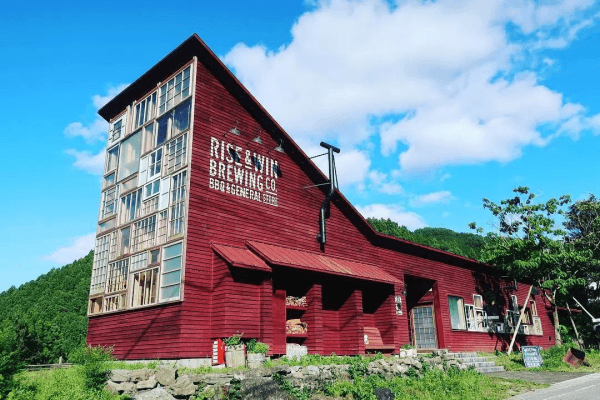
The real magic happens when you sit down to eat. That salad on your plate? The edible flowers were probably picked that morning from someone's backyard. The local brewery makes craft beer using wild yeast from the surrounding forests, and the izakaya serves dishes in repurposed containers. Even the village's only hotel is built entirely from recycled materials.
As you hike past terraced fields glowing green in the summer sun or fiery red in autumn, you'll start seeing the forest differently—not just as scenery, but as a living pantry and craft supply store. Kamikatsu doesn't just talk about living with nature; it shows you how, one carefully sorted bottle cap at a time.
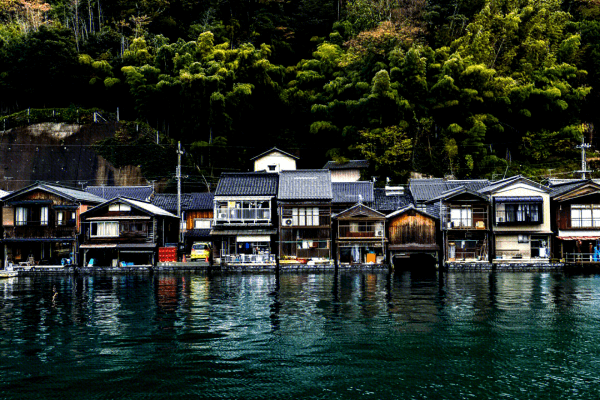
The moment you round the coastal bend into Ine-cho, time seems to slow to the pace of lapping waves. This hidden fishing village in northern Kyoto Prefecture feels like a secret the sea has been keeping—row upon row of traditional "funaya" boat houses lining the bay like wooden sentinels, their dark silhouettes reflected perfectly in the still morning waters.
As you walk along the quiet waterfront, you'll notice how these unique two-story buildings actually function—fishing boats tucked safely in their ground-floor garages each night, while families live comfortably above. Watch local fishermen unloading their morning catch of plump oysters and iridescent squid, their weathered hands moving with practiced ease. Stop by the tiny bakery where the smell of fresh anpan fills the air, or the century-old sake brewery where they still polish rice by hand.
For the best perspective, hop on one of the small tour boats that putter around the bay. From the water, you'll see how the funaya seem to grow right out of the sea itself, their wooden beams weathered by generations of salt spray. As the afternoon sun dips low, painting everything in golden light, you'll understand why photographers flock here—though no picture can capture the quiet magic of hearing nothing but seagulls and lapping waves as evening falls.
Spend the night in a converted funaya guesthouse where you can fall asleep to the gentle rocking of boats below, then wake at dawn to watch the fishing fleet depart, their lantern lights scattering across the dark water like stars. In Ine, you don't just see traditional Japan—you live it, breathe it, and become part of its timeless rhythm, if only for a day or two.
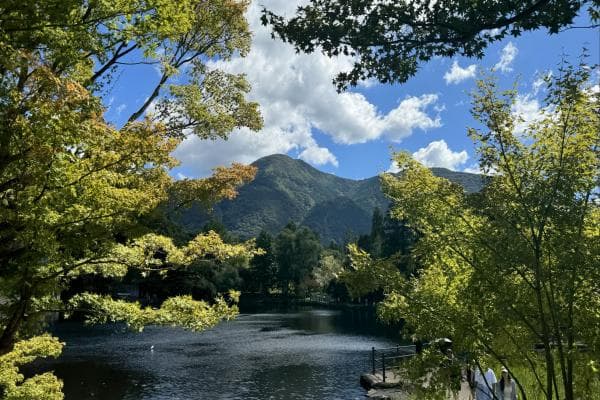
Wandering through Yufuin feels like stepping into a Japanese watercolor painting come to life. This charming hot spring town nestles at the foot of Mount Yufu, whose twin peaks watch over the valley like a pair of gentle guardians. As you stroll down Yunotsubo Street in the morning, the smell of freshly baked cheesecakes mingles with the faint sulfur scent from steaming thermal waters—a unique perfume that's distinctly Yufuin.
The heart of town pulses around mystical Lake Kinrinko, where morning mist dances across the water's surface, creating scenes so perfect they look staged. Nearby, little artisan shops sell everything from hand-blown glass to locally made jams, each storefront more inviting than the last. Don't miss trying Yufuin's famous steamed pudding—the creamy custard melts in your mouth with hints of vanilla and brown sugar.
What really makes Yufuin special are its ryokan inns, where you can soak in private open-air baths while gazing at the mountain. The mineral-rich waters work their magic on tired muscles as fireflies flicker in the garden during summer evenings. Whether you're sipping coffee at a lakeside café or exploring the countryside by rental bicycle, Yufuin wraps you in its peaceful rhythm—a world away from city bustle, yet full of quiet discoveries around every corner.
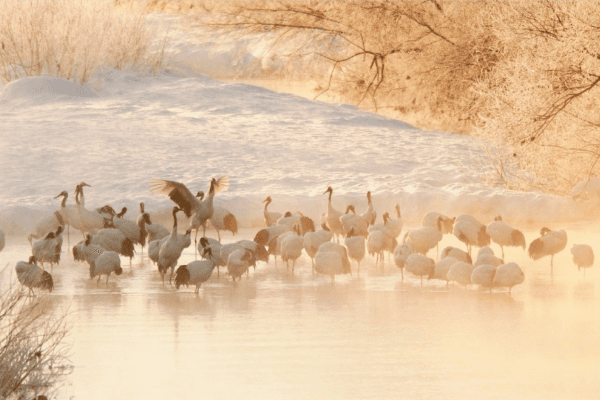
When you arrive in Tsurui as dawn breaks, you'll understand why this sleepy Hokkaido village draws nature lovers from around the world. That first glimpse of red-crowned cranes emerging from the morning mist—their elegant white bodies and jet-black wingtips moving gracefully through snow-covered fields—is something you'll carry in your heart forever. These majestic birds, symbols of longevity in Japan, choose Tsurui's frozen marshes as their winter sanctuary.
Bundle up and follow the wooden boardwalks to observation spots where you can watch the cranes' daily rituals unfold. Their intricate courtship dances look like living poetry, with wings outstretched and heads thrown back in joyful calls that echo across the crisp air. Local farmers spread corn to help the birds through winter, creating perfect photo opportunities when the cranes gather at feeding time, their red crowns standing out vividly against the white snow.
When you need to warm up, duck into one of the village's cozy cafes for hot milk straight from Hokkaido's famous dairy farms, or try the local specialty—grilled venison that tastes of the surrounding forests. As evening falls, you might spot deer venturing to the village edge, their breath making little clouds in the cold air. Tsurui doesn't dazzle with bright lights or crowds—its magic lies in these quiet moments where humans and wildlife share the same frozen landscape, each respecting the other's space. By the time you leave, you'll have learned to recognize individual cranes by their markings, and they might just recognize you too.
7. Matsuzaki Town (Shizuoka Prefecture)
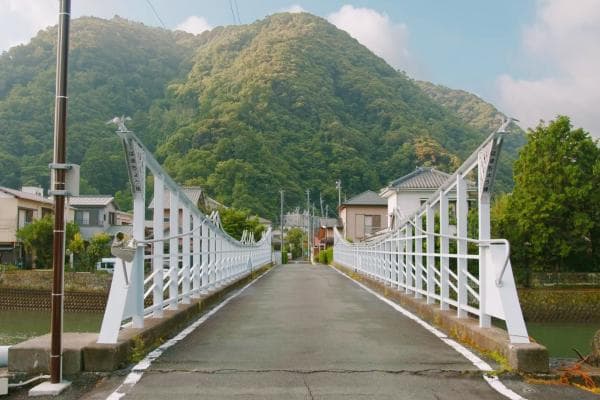
Let me tell you about Matsuzaki, this hidden gem tucked away in Izu Peninsula's southern coast that most travelers just drive right past—and what a mistake that is. As you wind down the mountain road into town, the first thing that'll catch your eye are those steep stone-paved streets lined with dark wooden merchant houses that haven't changed much since Edo period.
The locals here have a saying—"We grow rice with our feet in the ocean", and you'll understand why when you see the incredible Ishizuchi rice terraces carved right into the seaside cliffs. Time your visit for golden hour when the setting sun turns the flooded paddies into a giant mirror reflecting the sky. Don't be surprised if an old farmer invites you to help plant or harvest—everyone pitches in here.
What really makes Matsuzaki special are its quirky traditions. That black egg you see everyone eating? They're boiled in the local hot springs' sulfurous waters until the shells turn pitch black—locals swear they add seven years to your life. The town's tiny sake brewery still uses wooden presses, and if you're lucky, the master might let you taste unpasteurized namazake straight from the barrel.
As evening falls, follow the sound of shamisen to one of the atmospheric izakayas in the old merchant district. Order the local specialty—kinmedai (splendid alfonsino) caught that morning and grilled with just a pinch of salt. That first bite, with the ocean breeze coming through the open windows and maybe some old-timers singing folk songs in the corner—that's the real Matsuzaki no one tells you about.
8. Minamioguni Town (Kumamoto Prefecture)
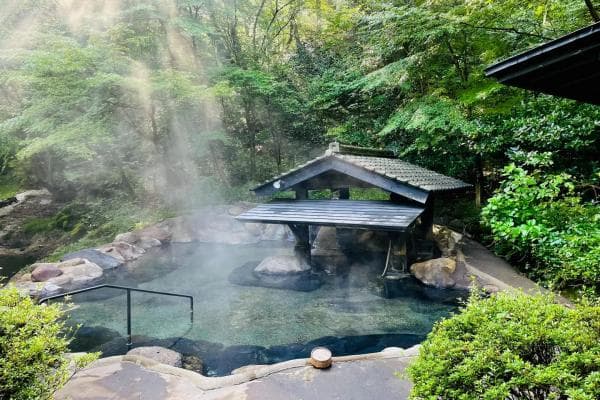
Steam rises from the earth like nature's whisper in Minamioguni, where hot springs bubble up from the valley floor, warming even the riverbanks. At Kurokawa Onsen, slip into a yukata and wooden sandals to wander between ryokan inns, each hiding its own secluded bath—some tucked into caves, others open to the rustling maple leaves. Grab a wooden tegata pass and hop between three different onsens, soaking until your muscles melt.
When hunger calls, try dagojiru, a rustic miso soup with chewy handmade noodles, or savor river fish grilled simply over charcoal. As night falls, lanterns glow along the river, their light flickering on the mist. No neon, no crowds—just the sound of water and distant laughter from a hidden bathhouse. Here, time moves at the pace of drifting steam, and three days feels like a week's escape. You'll leave already dreaming of your next soak.
9. Soga Village (Nara Prefecture)
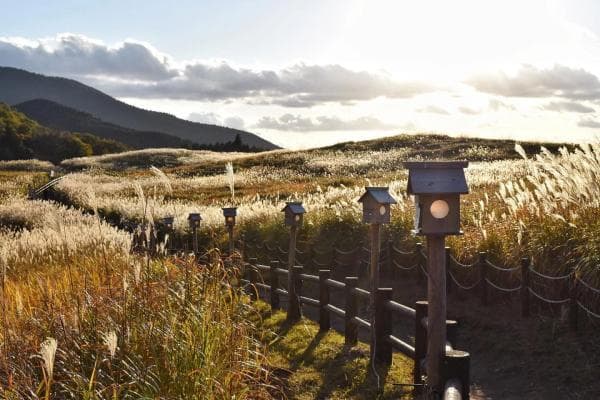
Let the mountain breeze guide you into Soga Village, where nature paints its masterpiece across the rolling hills. As you crest the final bend, a breathtaking vista unfolds—endless susuki grass swaying in golden waves, their feathery tips dancing in the sunlight like sparks from a bonfire.
This is rural Japan at its most poetic. The susuki fields change character with every season—emerald green in summer, golden in autumn, frosted silver in winter. Walk slowly along the dirt paths and you'll hear the grasses whispering secrets as they brush against each other. At sunset, the entire valley transforms into a living watercolor, with the susuki catching fire in the fading light.
Pause at the viewpoint where locals have placed a simple wooden bench—the perfect spot to watch deer emerge cautiously from the tree line. Later, warm your hands around a cup of roasted sweet potato tea at the village stall, its earthy sweetness mingling with the crisp mountain air.
Soga doesn't need flashy attractions. Its magic lies in these quiet moments—when the wind plays the grasses like nature's harp, and time seems to slow just enough for you to breathe deeper. Come when the autumn colors peak, stay until the stars appear, and you'll carry this golden memory long after you leave.
10. Onna Village (Okinawa Prefecture)
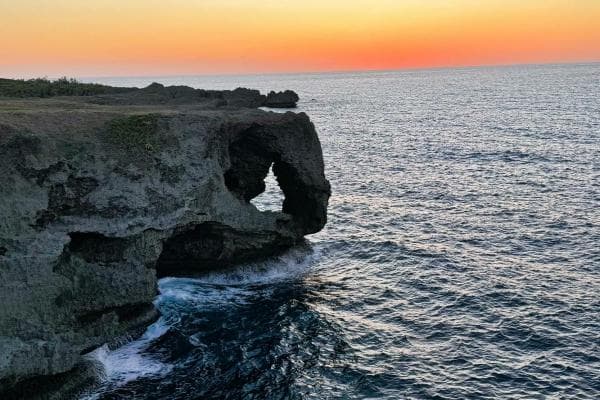
Let the ocean breeze guide you into Onna Village, where Okinawa's turquoise waters meet dramatic limestone cliffs. This stretch of coastline feels like nature's own masterpiece—the famous "Emerald Beach" actually shimmers green where sunlight filters through the coral reefs.
Wade into waters so clear you can count the starfish on the seabed, or follow locals to hidden tide pools where hermit crabs scuttle between volcanic rocks. Don't miss the chance to snorkel at Maeda Point, where sea turtles often glide past like underwater ballet dancers. When hunger strikes, tiny beachside shacks serve the catch of the day—maybe bitter melan stir-fry with SPAM (a quirky local favorite) or goya champuru bursting with island flavors.
As sunset paints the sky cotton-candy pink, join villagers celebrating another day with sanshin music and awamori cocktails. This is Okinawa at its most authentic—where the ocean sets the rhythm and every sunset feels like a gift.
Are you interested in this tour?
This tour can be tailored.

