


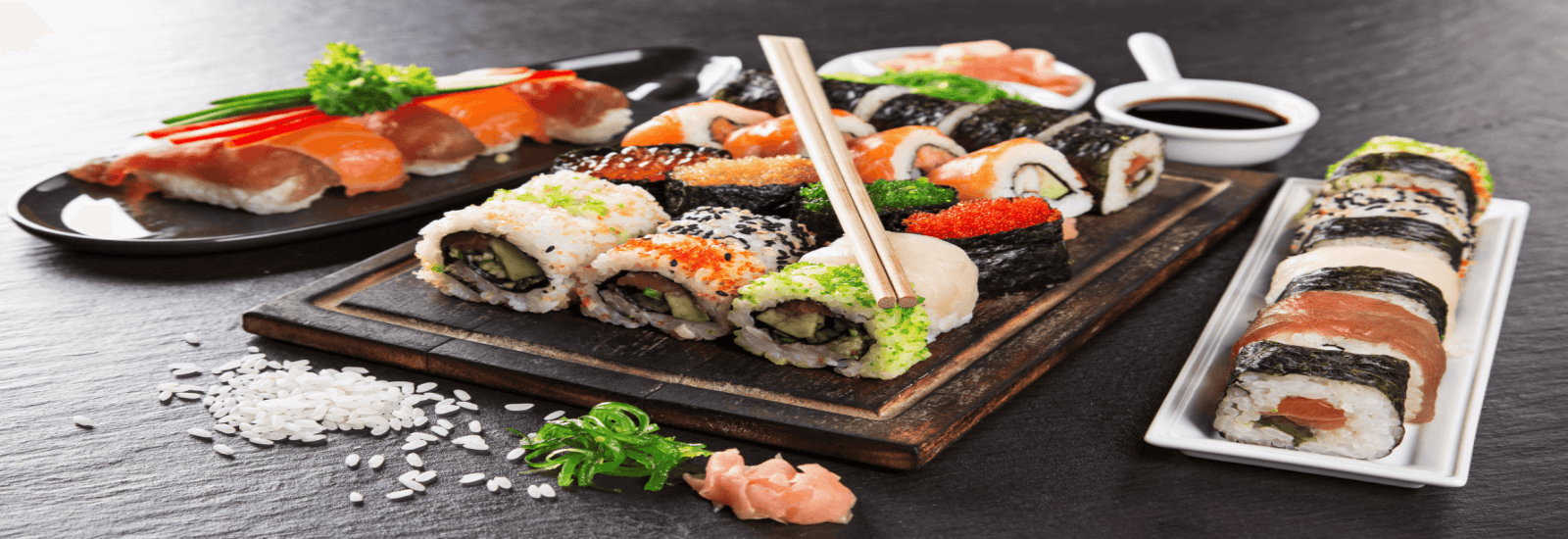
Your taste buds are in for a treat in Japan, where every meal celebrates freshness and craftsmanship. Start your day with fluffy tamagoyaki omelets or savory okonomiyaki pancakes from a street vendor. At lunch, join locals at a standing ramen bar to slurp rich tonkotsu broth with springy noodles. As evening falls, explore izakaya alleys for yakitori skewers sizzling over charcoal, or treat yourself to melt-in-your-mouth sushi at a counter where chefs prepare each piece with precision. Don't miss regional specialties like Osaka's takoyaki (crispy octopus balls) or Hokkaido's buttery crab—each bite tells a story of local traditions. Whether you're dining at a Michelin-starred restaurant or grabbing an onigiri from a convenience store, Japan's food culture will leave you craving more.
Table of Contents
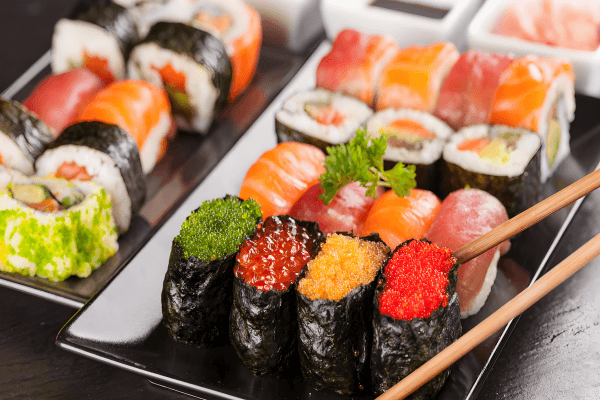
When you think of Japanese food, sushi is probably the first thing that comes to mind. There's nothing quite like sitting at a sushi counter in Japan, watching the chef shape warm, vinegared rice with practiced hands before topping it with the freshest seafood you've ever tasted.
You'll find all kinds of sushi here, from affordable conveyor belt spots where you grab plates as they go by, to tiny, exclusive places where the chef selects each piece for you. Try the buttery tuna belly (toro) that literally melts in your mouth, or the sweet shrimp (amaebi) that's often served with its crispy fried heads. Don't be afraid to eat with your hands—it's totally acceptable, even encouraged at many places.
What makes sushi in Japan special is how simple yet perfect it is. The rice is slightly warm and seasoned just right, the fish is often prepared that morning at the fish market, and wasabi is freshly grated. Even the soy sauce is different—lighter and more delicate than what you might be used to. Pro tip: try dipping just the fish side in soy sauce, not the rice, to keep the perfect balance of flavors.
Whether you're splurging on an omakase (chef's choice) meal or grabbing a quick sushi set at the department store food hall, you're in for a treat. Just remember—real Japanese sushi is all about appreciating the natural flavors, so go easy on the soy sauce and wasabi!
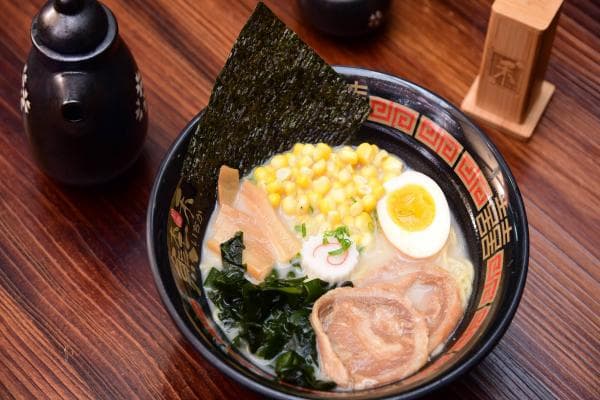
There's nothing more comforting than a steaming bowl of Japanese ramen after a long day of exploring. As you step into a tiny ramen shop, the rich aroma of simmering broth immediately wraps around you—it might be the deep, milky tonkotsu (pork bone) broth from Kyushu, the soy-based shoyu ramen from Tokyo, or the hearty miso ramen from Hokkaido. Each region has its own signature style, and half the fun is trying them all.
You'll order from a vending machine outside—don't worry, there are usually pictures to help you choose. Then find a seat at the counter where you can watch the chefs work their magic. The noodles arrive perfectly springy, swimming in that incredible broth that's been cooking for hours, topped with slices of tender chashu pork, a marinated soft-boiled egg, and maybe some crunchy bamboo shoots.
Here's the best part—slurping isn't just allowed, it's encouraged! The louder you slurp, the more you're complimenting the chef. And don't be shy about picking up the bowl to drink the last delicious drops—in Japan, that's how you show you really enjoyed it. Whether it's a 3am bowl at a 24-hour shop in Shinjuku or a famous specialty shop in Fukuoka, every slurp tells a story of Japanese comfort food at its very best.
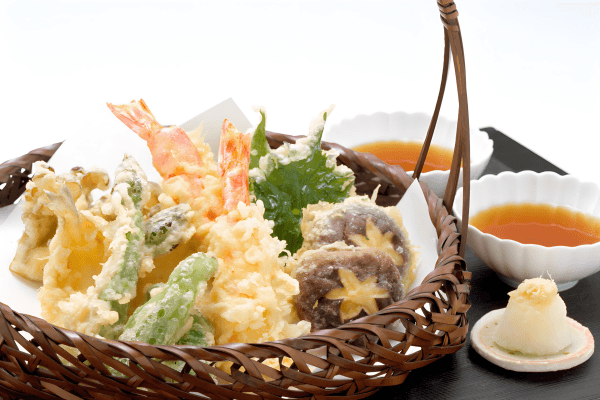
As you sit down at a proper tempura counter in Japan, you're in for a treat that's far beyond just "fried food." Watch as the chef dips fresh seafood and seasonal vegetables into a whisper-light batter before gently lowering them into shimmering oil. The magic happens in seconds—that perfect golden crispness that shatters at the slightest touch, revealing tender, steaming-hot goodness inside.
You'll start with delicate shrimp, their tails curling just right in the hot oil, then move on to seasonal surprises—maybe sweet pumpkin in autumn, crisp asparagus in spring, or plump shiitake mushrooms year-round. The real secret? That feather-light batter that clings like lace to each ingredient without overpowering its natural flavor. Dip pieces in tentsuyu sauce or a sprinkle of sea salt between bites, and don't forget to try the crispy tempura bits scattered over a bowl of rice at the end—it's the chef's gift to round out your meal.
Whether you're at a standing tempura bar in Tokyo's backstreets or a refined specialty restaurant in Kyoto, you'll discover why Japanese tempura is in a league of its own—not greasy, never heavy, just perfect little bites of crispy joy that'll make you rethink everything you knew about fried food.
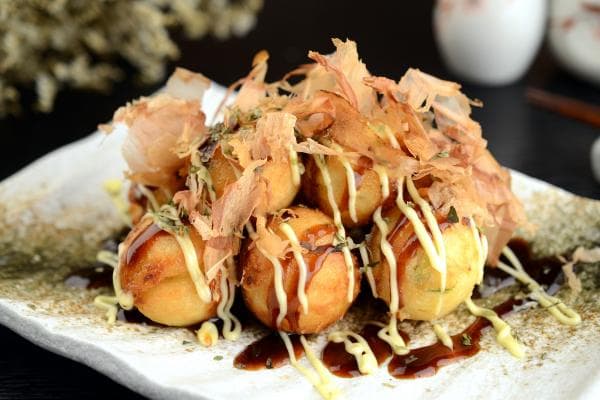
There's something magical about watching a street vendor make takoyaki right before your eyes in Japan. As you stand at the counter, you'll see the chef pour batter into special round molds, then quickly tuck a piece of tender octopus into each one. The real show begins as they expertly flip the half-cooked balls with metal picks, transforming them into perfect golden spheres right before your eyes.
The first bite is always an adventure—piping hot with that irresistible contrast between the crispy shell and the almost creamy center. You'll taste the savory batter, the chewy octopus, and then comes the flavor explosion from the toppings: rich brown sauce, creamy mayonnaise, dancing bonito flakes, and maybe a sprinkle of green onion. Warning—that first one will burn your tongue if you're not careful, but it's worth it!
Best enjoyed at night markets like Osaka's Dotonbori where the air smells like grilling batter and happy chatter fills the streets. Grab a paper tray, stab one with a toothpick, and join the locals in this delicious Japanese street food ritual. Just remember—the secret is eating them fresh off the grill, no matter how much your mouth protests the heat!
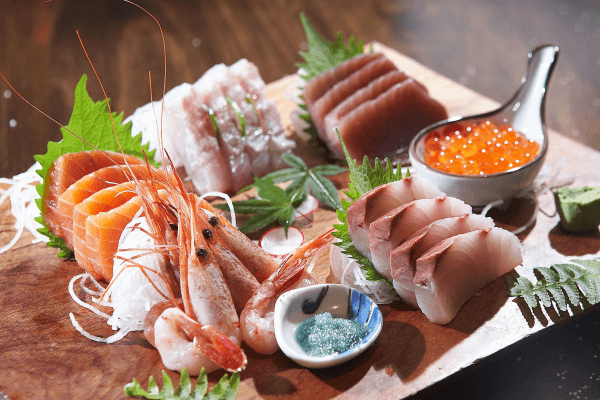
Imagine that you are sitting down to a plate of fresh sashimi in Japan. At this moment, you are fully enjoying seafood at its absolute peak. The fish here is so fresh it practically tastes like the ocean itself—glistening slices of ruby-red tuna, delicate white snapper, and buttery salmon arranged like edible art on a chilled plate. Watch as the chef's knife skills turn whole fish into perfect, translucent slices in mere seconds.
Dip each piece lightly in soy sauce, maybe with just a touch of freshly grated wasabi if you're feeling bold. Notice how the texture changes with every variety—the melt-in-your-mouth richness of fatty tuna (toro), the slight crunch of fresh squid, or the surprising sweetness of raw shrimp. Don't overlook the garnishes either—that pile of crisp shredded daikon or the perky shiso leaf aren't just decoration, they're meant to cleanse your palate between bites.
Whether you're at a high-end sushi counter in Tokyo's Tsukiji market or a seaside shack in Hokkaido, the rule is simple: the less done to the fish, the better. That's why locals often eat the first piece completely plain—no soy sauce, no wasabi—just to appreciate the pure, clean flavor. When your plate comes with fish so fresh it was swimming that morning, you'll understand why Japanese sashimi is in a class of its own.
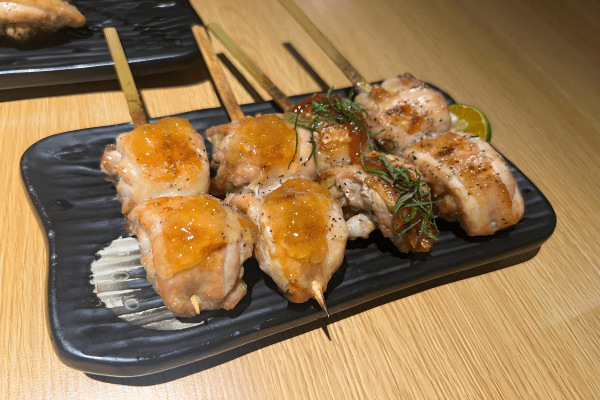
As night falls in Japan, the smoky aroma of yakitori draws you into tiny alleyway bars where chefs grill chicken skewers over glowing charcoal. You'll find every part of the bird here—from juicy thigh meat (momo) to crispy skin (kawa), even tender meatballs (tsukune) that you dip in raw egg yolk. The secret's in the simple preparation: a quick brush of sweet tare sauce or a sprinkle of salt, then cooked just until perfectly charred at the edges while staying wonderfully juicy inside.
Pull up a stool at the counter and order a cold beer to go with your skewers—the crisp drink cuts beautifully through the rich flavors. Watch as the chef tends to dozens of skewers at once, turning them with practiced flicks of the wrist. The best part? Trying unusual cuts you won't find back home, like crunchy chicken cartilage (nankotsu) or the surprisingly delicious chicken liver (reba). Each bite-sized piece comes off the grill at its absolute peak, served piping hot on those distinctive flat bamboo skewers.
Whether you're at a standing-only stall in Tokyo's Omoide Yokocho or a cozy izakaya in Kyoto, yakitori is more than just food—it's where friends gather after work, where stories are shared over sizzling skewers, and where you'll discover why Japanese cooks can make even simple grilled chicken taste like magic. Just follow the locals' lead—order a few skewers at a time so they always reach you fresh off the fire.
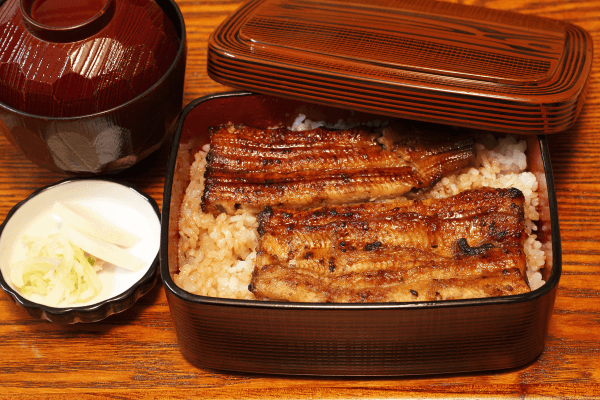
The moment your unagi don arrives at the table, you'll understand why this dish has been beloved in Japan for centuries. That first whiff of caramelized kabayaki sauce hits you as the waiter lifts the lid—the glossy, slow-grilled eel glistening over perfectly steamed rice. You'll notice how the chef's precise knife work creates those diagonal cuts in the flesh, allowing the sweet-savory sauce to penetrate every layer.
Take your first bite and discover why Japanese spend summers eating this—the eel melts like butter, with just enough resistance to remind you it's fresh. The secret's in the preparation: steamed first to render out fat, then grilled over charcoal while being basted repeatedly with that secret house sauce. Underneath, the rice soaks up all the delicious juices without getting soggy.
Whether you're at a centuries-old shop in Tokyo or a riverside restaurant in Hamamatsu, notice how locals often enjoy it three ways: first plain, then with condiments, finally as ochazuke with tea poured over. And don't feel guilty about scraping every last grain of sauce-coated rice from the box—that's how you pay the chef the highest compliment!
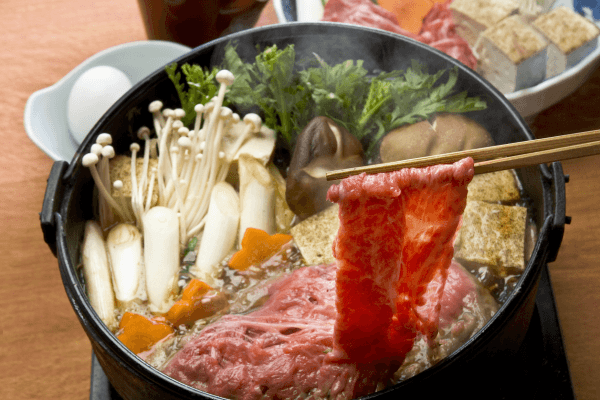
It's absolutely wonderful to gather around a bubbling pot of sukiyaki on a chilly evening in Japan. As the iron pot heats up at your table, you'll watch thin slices of beautifully marbled beef sizzle before being joined by vegetables, tofu, and noodles—all simmering in that sweet-salty broth that makes this dish so unforgettable.
The magic happens when you dip your first bite into the raw egg mixture—the velvety egg coats the hot beef, creating the creamiest texture you can imagine. You'll notice how the sugar in the broth caramelizes the edges of the meat just slightly, while the vegetables soak up all those delicious flavors. Don't be shy about fishing for the tofu—it absorbs the broth like a sponge and becomes incredibly flavorful.
Whether you're at a fancy restaurant where the server cooks it for you, or a homey spot where you get to play chef, sukiyaki is all about sharing good food and good company. As the pot keeps bubbling away, you'll find yourself going back for "just one more bite" until suddenly—oops—you've eaten everything in sight. That's when you know it's time to add the final touch: pouring the remaining broth over a bowl of rice to enjoy every last drop of flavor.
Just remember—in Kansai they cook the meat first, while in Kanto they start with the sauce. But no matter which style you try, you're in for a warm, comforting meal that feels like a hug from the inside.
Are you interested in this tour?
This tour can be tailored.

