


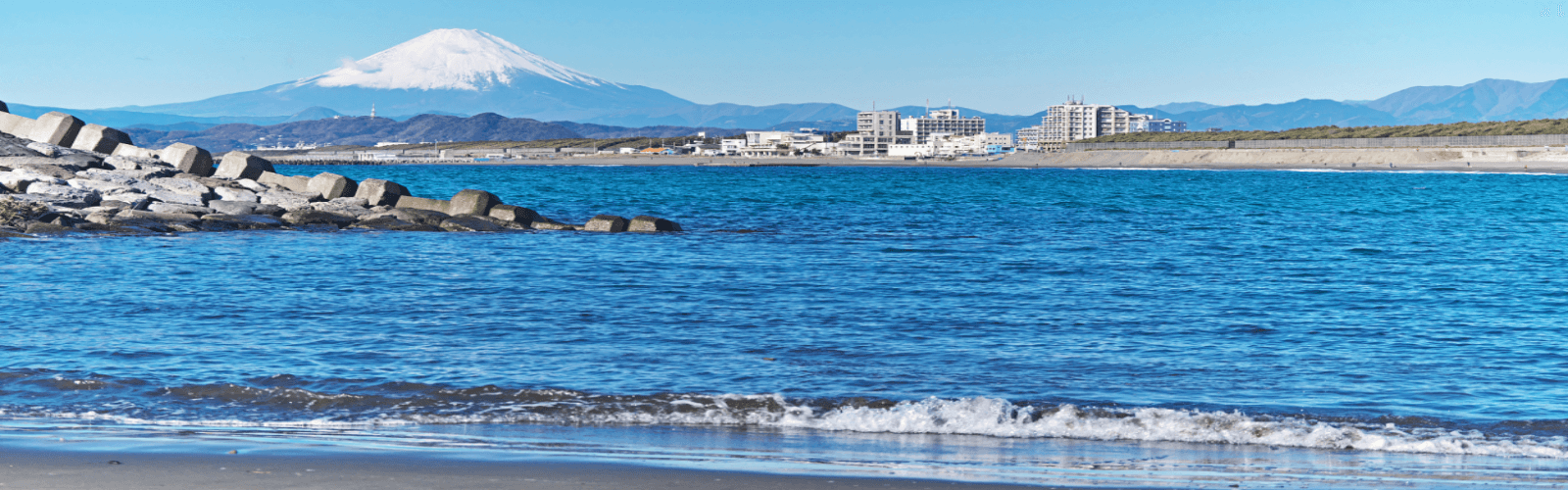
Have you ever noticed how Japan's map looks like a delicate seahorse? Well, Kyushu is its lively little tail—full of charm but often overlooked by visitors. This southern gem offers so much to discover, from Fukuoka's mouthwatering yatai food stalls serving sizzling yakitori to the adorable Kumamon bear who greets you with his cheerful grin. Whether you're soaking in steamy hot springs, exploring quaint coastal towns, or stumbling upon lively local festivals, Kyushu surprises you at every turn with its warm hospitality and rich traditions. Why not venture beyond the usual tourist trail and let this underrated region steal your heart?
Table of Contents
1. Japan's Sunny Southern Escape
Do you know Kyushu means "Nine Provinces" in Japanese? This sunny southwestern island—Japan's third largest—is where fiery volcanoes meet sparkling blue seas, creating landscapes you won't find anywhere else in the country. While Hokkaido shivers under snow, Kyushu offers a tropical twist to winter with balmy temperatures rarely dropping below 10°C even in January.
Picture this: over 1,400 islands scattered like jewels across turquoise waters, remnants of an ancient region called Saikaido that once balanced out Japan's northern frontier. Today, those original nine provinces have evolved into eight unique prefectures, each with its own personality waiting for you to discover.
You'll find Fukuoka's perfect blend of old and new—imagine sipping craft beer near a 400-year-old samurai castle. Kagoshima will wow you with its dramatic volcanic peaks rising above ancient forests. And yes, those picture-perfect Okinawan beaches you've seen? They're part of Kyushu's magic too.
This is Japan, but not as you know it—warmer, wilder, and full of surprises around every corner. Why not come see for yourself?
2. Kyushu's Spring Blooms Beyond Sakura
Spring in Kyushu is like walking through a living painting—and yes, you'll find those famous cherry blossoms here too! From late March to early April, join locals at Fukuoka's Maizuru Park where hundreds of sakura trees frame the historic castle ruins. The air fills with the sizzle of takoyaki griddles and the warm glow of paper lanterns as everyone celebrates under pink flower canopies.
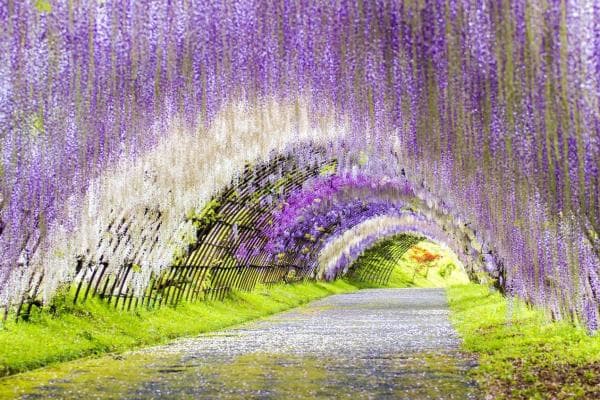
But here's a secret—stay through late April and you'll witness something even more magical. Just outside Kitakyushu, the Kawachi Wisteria Garden becomes a real-life fairy tale. Imagine wandering through tunnels where thousands of purple and white wisteria blossoms cascade overhead like floral waterfalls.
Fun fact for anime fans: this dreamy landscape actually inspired scenes in "Demon Slayer"! The creator grew up in Fukuoka, and you might swear you see Tanjiro's "Breath of Flower" techniques come to life as petals swirl around you. It's springtime in Kyushu—where every turn reveals nature putting on its most spectacular show.
3. Meet Kyushu's Beloved Kumamon
Let me introduce you to Kumamon—the world's most hardworking bear! You might not know Kumamoto prefecture by name, but chances are you've seen this chubby-cheeked black bear with his permanent blush and playful personality. Born in 2010 to celebrate the Kyushu bullet train expansion, every detail about him tells a story—his round shape mirrors Kumamoto Castle's black walls, while those rosy cheeks represent the region's volcanoes.
But here's what's really special—Kumamon isn't just a mascot, he's an actual government employee with the important job of Sales Manager! Complete with official business cards, this busy bear travels the world promoting local products (he's visited over 20 countries so far).
Your best chance to meet him? Head to Kumamon Square where he makes daily appearances. Get ready to join his famous hip-swaying dance that's taken the internet by storm—it's impossible not to smile when you see this furry ambassador in action! Who knew a bear could be such an effective (and adorable) tourism minister?

4. Fukuoka's Vibrant Yatai Street Food
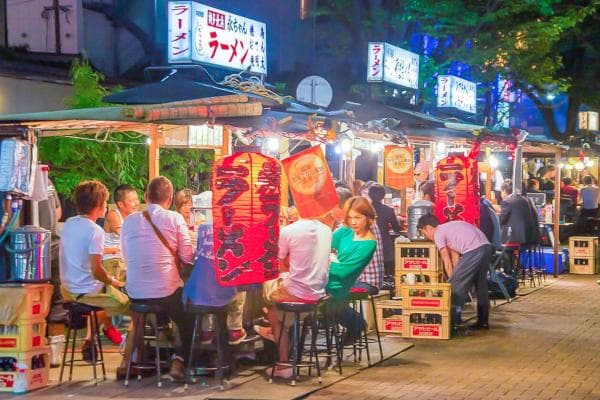
Step into Fukuoka's glowing alleyways as the sun sets, where Japan's most authentic street food tradition comes alive. These charming wooden food stalls, called yatai, have been serving hungry locals for over 150 years—think of them as tiny, moving restaurants straight out of old Japan.
You'll know you've found the good spots when you see steam rising from simmering tonkotsu ramen pots and smell yakitori skewers sizzling over charcoal. Just pull up a red vinyl stool under the fluttering noren curtains—no reservations needed here. The friendly chefs will welcome you like an old friend as you point to whatever looks delicious.
This is where Fukuoka's heart beats loudest. Between slurps of rich broth and bites of crispy gyoza, you'll hear locals chatting over baseball games on tiny TVs and the rhythmic clang of cooking. It's not just about the food (though that's incredible)—it's about sharing stories and laughter under the lantern light. Come hungry, leave happy, with memories (and maybe some new friends) you'll never forget.
5. Samurai Swords: Legacy of Kyushu
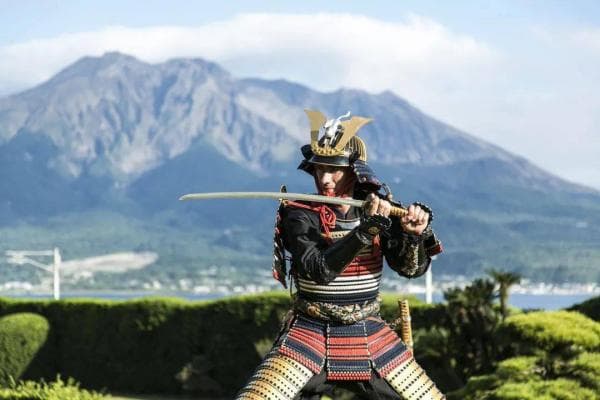
Let's learn about Japan's most fascinating swordsman—and no, he wasn't even technically a samurai! In Kumamoto, you'll walk in the footsteps of Miyamoto Musashi, the legendary ronin (a masterless samurai) who changed sword fighting forever by inventing the two-sword technique.
What makes Musashi so special? This undefeated warrior (he won all 62 of his duels!) was also an accomplished artist and philosopher—kind of like Japan's version of Leonardo da Vinci. You can still feel his presence in the Reigando Cave where he wrote his famous Book of Five Rings, or see his beautiful ink paintings at Unganzenji Temple.
The locals love sharing stories about Musashi's incredible life—from his brilliant battle strategies to his surprising artistic talents. It's not every day you meet a sword master who was also a poet and painter! Why not come discover his legacy for yourself in Kumamoto?
6. Soak in Kyushu's Hot Spring Bliss
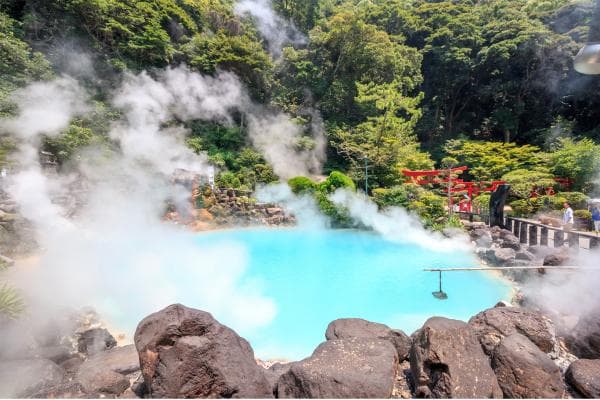
Welcome to Beppu, where the streets are always steaming! As you explore this hot spring wonderland, you'll see fluffy white clouds rising from every corner—don't be alarmed, it's just Mother Nature showing off Kyushu's geothermal magic.
Here in Japan's onsen capital, you can cook lunch using nothing but natural steam! Wrap eggs or pudding in a cloth and drop them into the public hot springs—while they cook, soak your feet in a free foot bath and wander through the misty streets. Come back in about 15 minutes to enjoy the world's most local meal!
Make your visit extra fun with the Beppu Hatto stamp rally. Hunt for 88 different steam vents and hot springs (the Seven Hells spot gives you 8 stamps at once!) to earn your official "Onsen Master" certificate. It's the perfect way to turn your hot spring hopping into an unforgettable adventure!
7. Wild Kyushu: Forests and Volcanoes
Get ready for nature's greatest show in Kyushu! Here, steaming volcanoes meet ancient forests in landscapes so magical they inspired Studio Ghibli films.
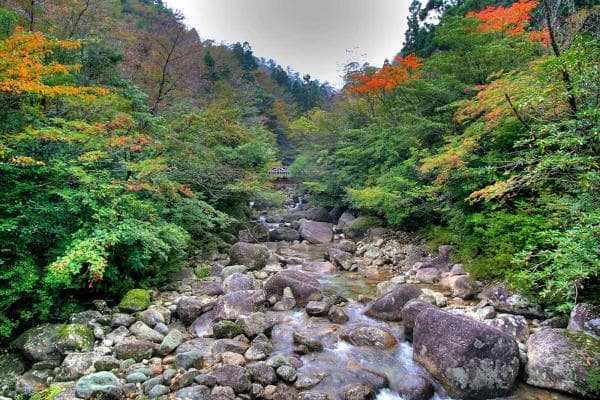
On Yakushima Island, you'll walk through fairytale forests where 1,000-year-old cedar trees wear thick coats of emerald moss. Follow the same path Hayao Miyazaki took when creating Princess Mononoke—the air here is so fresh they actually bottle and sell it! Then there's mighty Mount Aso, whose volcanic crater is so big it could fit an entire city. Nearby, the stunning Takachiho Gorge will take your breath away with its towering rock columns.
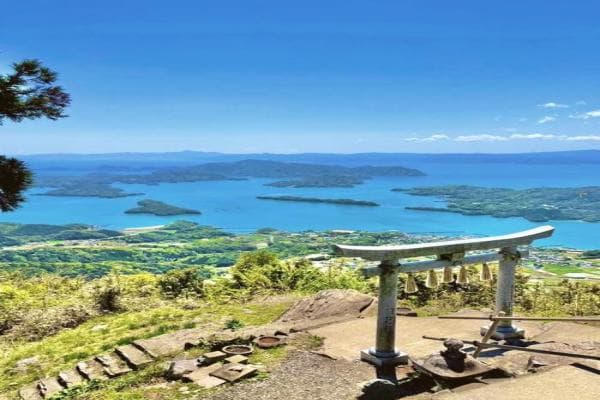
Don't miss Sakurajima, where locals casually carry umbrellas to shield from daily ash showers that make the local radishes extra sweet. And keep your camera ready for the Kujuku Islands—their scattered beauty rivals Vietnam's famous Halong Bay!
Everywhere you turn, Kyushu's wild landscapes tell incredible stories. Are you ready to explore?
8. Kyushu: Asia's Cultural Gateway
Do you know Kyushu is Japan's gateway to Asia? Just a quick hop from Korea and China, this southern island makes multi-country trips a breeze. From Fukuoka, you're only 1 hour from Seoul and 2 hours from Shanghai—perfect for adding Asian adventures to your Japan trip.
Here's a great way to travel: Start with Tokyo's bright lights, then follow the classic route south through Kyoto's temples and Osaka's food scene. Don't miss Kobe's famous beef or Himeji's stunning white castle along the way. Hiroshima's moving history and floating shrine make a meaningful stop before you reach Kyushu.
And here's the best part—when you finish exploring Kyushu's volcanoes, hot springs and food stalls, you're perfectly positioned to continue your tour to Korea or China. It's like getting two vacations in one! Why not make Kyushu your launchpad for a bigger Asian adventure?
9. Kyushu: Japan's Historic World Window
Are you ready to travel through time back to a fascinating chapter of Japan's history in Nagasaki? For over 260 years when Japan closed its doors to the world, this was the only place where foreign influences trickled in.
Walk through Dejima Island, once the country's single open port, where Dutch traders lived and worked. Today you can still feel that international vibe in Glover Garden's unique blend of Western and Japanese architecture, with its European-style homes topped by traditional Nagasaki tile roofs.
Don't miss Oura Cathedral, Japan's oldest wooden church that whispers stories of early Portuguese missionaries. And the best way to taste this cultural mix? Try konpeito star candies in rainbow colors or bite into fluffy castella sponge cake—sweet reminders of Nagasaki's special place as Japan's historical window to the world.
It's amazing to think this quiet port city once held the keys to Japan's relationship with the outside world—and you can still see, touch and taste that legacy today!

Are you interested in this tour?
This tour can be tailored.

