


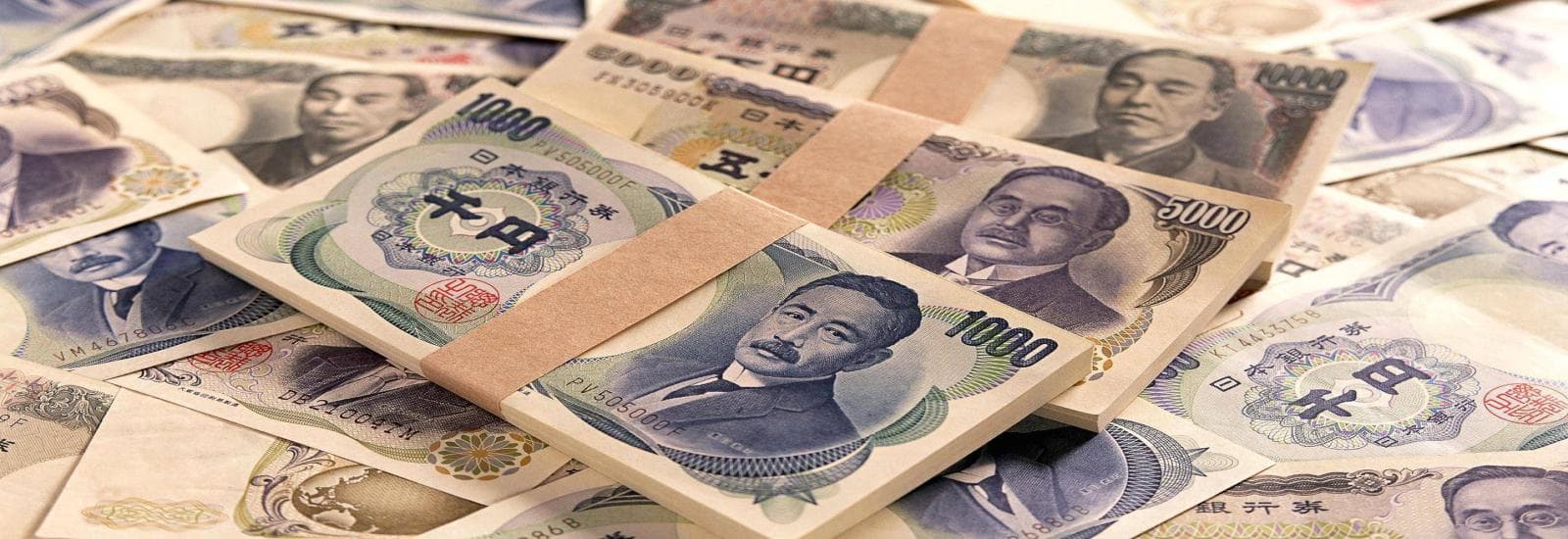
If you're planning a tour in Japan, it's helpful to know about the local currency. The Japanese Yen (JPY) comes in both coins and colorful bills, each featuring beautiful designs like chrysanthemums (Japan's national flower), majestic cedar trees, and other cultural symbols. When you need to exchange money for your travels, this thoughtful guide will walk you through everything you need to recognize and use yen during your stay. Don't worry—the bills are clearly marked with different colors and sizes, making them easy to tell apart even if you don't read Japanese!
Table of Contents
When traveling in Japan, you'll be using the Japanese yen (written as 円 or ¥). The currency comes in both paper bills and coins, with 1,000 yen and 5,000 yen notes being the ones you'll use most often for shopping, meals, and everyday expenses.
Don't overlook those coins in your pocket! While they might seem small, you'll find them surprisingly useful—from buying drinks at vending machines to making donations at temples. It's a good idea to keep some coins handy, especially when shopping at small local stores where breaking larger bills can sometimes be tricky. The different sizes and designs actually make Japanese coins quite easy to recognize once you get used to them!
Japanese Money Yen (JPY) | |
Banknotes | 1000, 2000, 5000, 10000 JPY |
Coins | 1, 5, 10, 50, 100, 500 JPY |
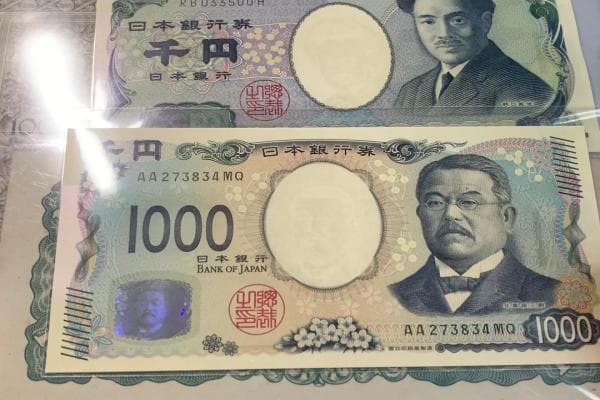
Wondering what your 1,000 yen note can get you in Japan? Think of it like a $10 bill (about 7 USD)—not a fortune, but enough for some really satisfying little treats! This single purple bill could buy you a proper meal at a casual restaurant (like a McDonald's combo or a steaming bowl of ramen), two refreshing draft beers at an izakaya, or a couple of creamy cappuccinos at a café.
It's also the perfect amount for experiencing Japan's culture—enough for two admission tickets to many temples, museums, or even a relaxing dip at an onsen hot spring. Keep some of these handy in your wallet, and you'll always be ready for a quick bite, a cultural experience, or that perfect coffee break while exploring!
Here's a handy guide to help you understand yen exchange rates for your Japan tour. You'll see how much your money is worth in Japanese yen—whether you're coming from the US (USD), Europe (EUR), the UK (GBP), Australia (AUD) or other countries.
A quick tip: Exchange rates do fluctuate, so you might want to check for updates right before your trip. Many banks and currency exchange offices display current rates, or you can use simple currency converter apps to get real-time numbers. Don't worry—once you're in Japan, you'll quickly get used to calculating prices in yen!
Foreign Currency Value | Value in Japanese Yen |
1 US Dollar | 145 yen |
1 British Pound | 190 yen |
1 Australian Dollar | 90 yen |
1 Euro | 165 yen |
1 New Zealand Dollar | 85 yen |
1 Canadian Dollar | 105 yen |
Here's what you need to know about getting yen for your Japan tour: If you're traveling from places like the US, Europe or Australia, you'll usually get better exchange rates by changing money after you arrive in Japan. The airports, banks and licensed exchange offices there offer competitive rates for major currencies like US dollars and euros.
But if you're coming from a country with less commonly traded currencies, it's smarter to exchange some yen before you leave home. Either way, make sure you have about 10,000-20,000 yen (around 100−200) in cash when you land—this will cover your first train ride, a meal, or any unexpected cash-only situations until you can get to an ATM or exchange counter.
Don't stress too much about it though—Japan has plenty of places to get yen once you're there, and ATMs at convenience stores (like 7-Eleven) usually accept foreign cards. Just remember that while credit cards are widely accepted in cities, cash is still king at smaller shops, temples and rural areas!
(1) Currency Exchange Outlets
You can exchange your money for Japanese yen at most banks, post offices, and some major hotels in Japan. Banks usually charge around 4.3% per $100 exchanged, while using a credit or debit card may cost about 1.6%. High-end hotels might charge around 2.5%, but rates can vary, so it's good to compare before exchanging.
In big cities like Tokyo, you'll find plenty of banks and post offices with reliable exchange services. Airports, large hotels, and department stores also offer quick currency exchange, but their rates are often less favorable, and they may add extra fees.
(2) ATM Withdrawals (Easiest Option!)
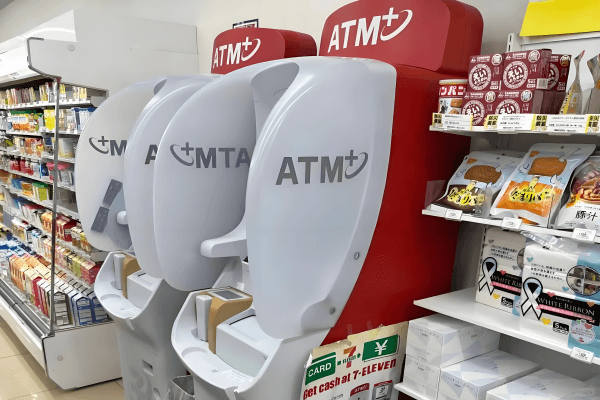
Withdrawing yen from ATMs is a convenient way to get cash. You'll find ATMs everywhere—in post offices, supermarkets, shopping malls, and especially convenience stores like 7-Eleven, Lawson, and Family Mart.
Most ATMs have English instructions, and convenience store ATMs are open 24/7. Withdrawing money is usually free on weekdays between 9 am and 5 pm, but outside these hours, a small fee (around ¥100–300, or $1–2) may apply.
(3) Traveler's Checks (Less Common)
Traveler's checks aren't widely accepted in Japan, but some places still take them, including major banks (like Mitsubishi UFJ and Mizuho Bank), high-end hotels, and certain travel agencies. If you plan to use them, check ahead to avoid hassle.
Pro Tip: For the best rates, use ATMs or exchange money at banks. Avoid airports and hotels if possible—they often have higher fees. Enjoy your trip, and don't worry—getting yen in Japan is easy once you know where to go!
(1) Cash
Even though Japan is a high-tech country, you'll find that cash is used everywhere—especially in smaller shops, local restaurants, street food stalls, and temples. Many places, like small izakayas (Japanese pubs), markets, and even some vending machines, don't accept cards, so it's a good idea to always have some yen on hand. ATMs at convenience stores (like 7-Eleven or Lawson) are easy to use if you need to withdraw more.
(2) Credit Cards
Major credit cards like Visa, Mastercard, and JCB are widely accepted in big cities like Tokyo and Osaka. You can use them in department stores, hotels, upscale restaurants, and larger shops. However, don't rely on them completely—some smaller businesses, especially in rural areas or traditional markets, might still prefer cash. It's always smart to ask "Can I use a credit card?" before ordering or buying something.
(3) IC Cards
If you're using trains or buses, getting an IC card (like Suica or Pasmo) is a lifesaver. You can tap it to pay for rides, buy drinks from vending machines, or even grab a snack at convenience stores. You can buy one at train stations or airports for around 2,000 yen (which includes 1,500 yen to spend plus a 500-yen deposit). When you leave Japan, you can return the card to get your deposit and any leftover money back (minus a small fee).
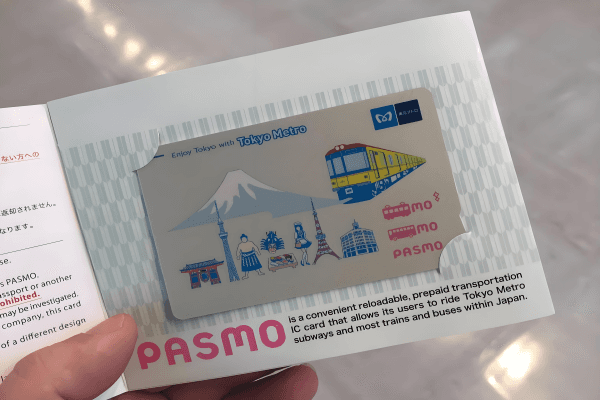
A mix of cash, cards, and an IC card will cover almost everything—just remember to check payment signs before ordering at small restaurants! Enjoy your tour!
Traveling in Japan can fit almost any budget—it all depends on how you like to explore. If you're keeping costs low, you can get by on around 6,000–8,000 yen per day. This covers a simple hostel or budget hotel, meals at casual spots like ramen shops or convenience stores, and free or low-cost activities like walking through temples or city parks.
For a more comfortable trip with nicer hotels, sit-down meals, and visits to popular attractions (like museums or theme parks), plan for 12,000–15,000 yen per day. This range gives you a good balance of value and experience.
If you want luxury—fancy hotels, high-end dining, and special experiences like private tours or ryokan stays—expect to spend 20,000–30,000 yen or more per day. Of course, your actual spending will depend on your personal tastes and itinerary, but these numbers should help you plan!
(1) Handling Money Politely
When paying or receiving cash in Japan, it's considered polite to use both hands—or place the money on the small tray if one is provided. This simple gesture shows respect and is widely appreciated in shops and restaurants.

(2) No Need to Tip
Tipping isn't part of Japanese culture, and leaving extra money can sometimes even be seen as rude. Good service is already included in the price, so you can just pay the exact amount and say "arigatou gozaimasu" with a smile!
(3) Keep Lines Orderly
Japanese people take queues very seriously, so always wait your turn patiently. Whether you're at a convenience store, train station, or busy restaurant, forming an orderly line shows respect for local customs.
(4) Trust the Change
Cashiers in Japan are very careful when giving change, so there's no need to count it right in front of them. Doing so might accidentally make them feel like you don't trust them—just pop it in your wallet and check it later if needed.
Are you interested in this tour?
This tour can be tailored.

