


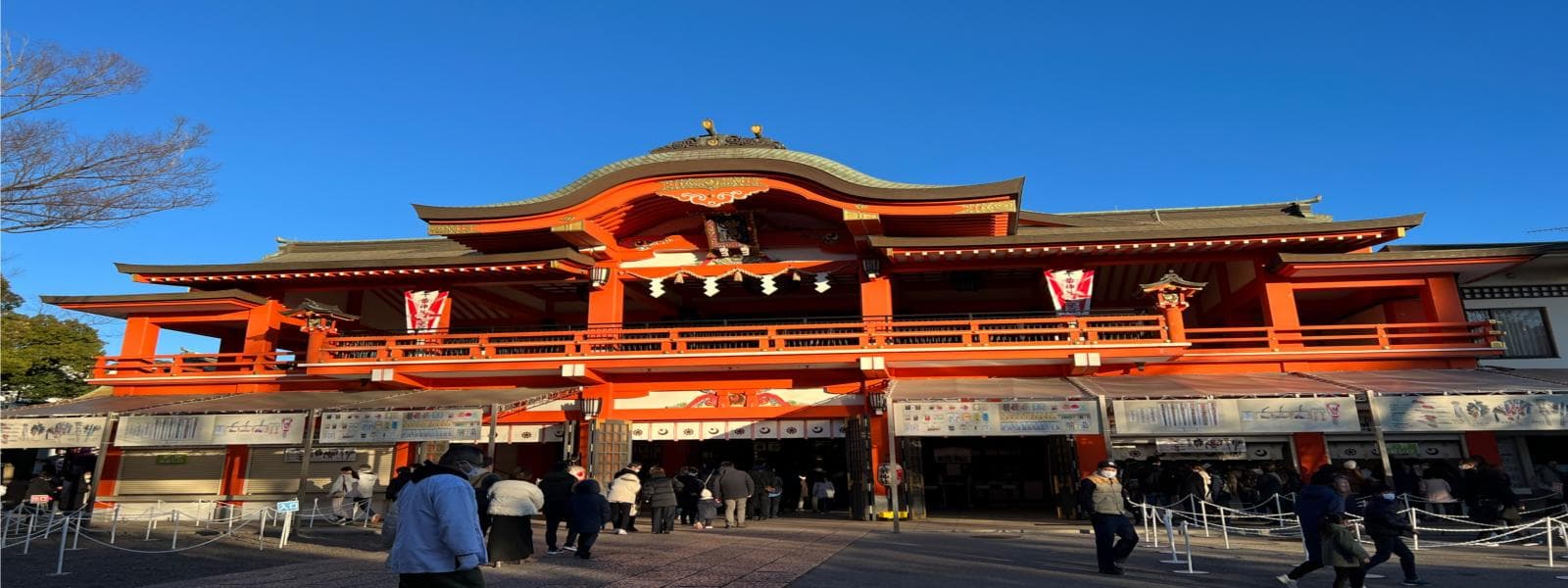
When touring Japan, it's important to remember that everyday customs can be quite different from what you're used to back home. Japan takes pride in its polite culture, and some behaviors that seem normal in your country might accidentally cause offense there. Don't worry though—Japanese people understand visitors might not know all the rules. Just being aware that these differences exist and trying your best to follow local customs will go a long way in making your tour smoother and more enjoyable. A little preparation about basic Japanese etiquette before your tour will help you avoid uncomfortable moments and show respect for their culture.
Table of Contents
1. Talking loudly or making phone calls in public
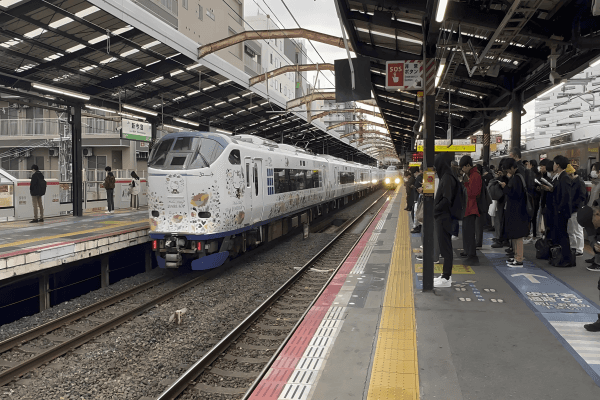
When you take a train or a bus in Japan, you'll notice something interesting—nearly everyone has their phone out, but hardly anyone is talking on them. While texting, playing games or watching videos is completely normal, making phone calls is considered pretty rude here.
If you need to take a call, it's best to wait until you get off the train. In emergencies, you can answer briefly, but try to keep your voice very low and the conversation short. The same goes for chatting with friends—on crowded Tokyo trains especially, you'll notice people keep conversations quiet or don't talk at all.
This might feel different from what you're used to back home, but it's all about respecting the shared quiet space. Think of it like being in a library—everyone's just trying to get where they're going without disturbing others. The busier the train, the quieter people tend to be.
Don't worry about texting though—messaging apps and emails are totally fine to use! Just remember to put your phone on silent mode so notifications don't disturb others. If you follow these simple habits, you'll blend right in with the locals.
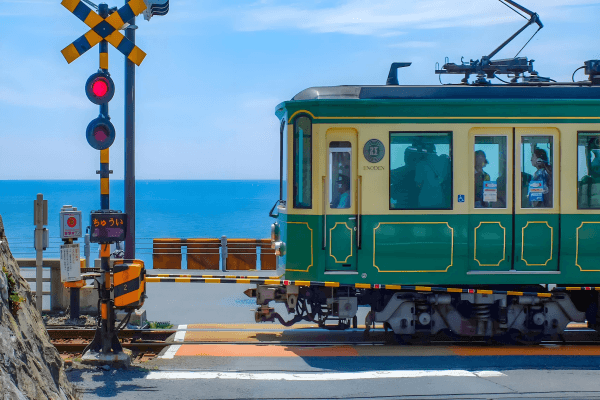
If you're a fan of Slam Dunk, you'll probably want to visit Kamakura—the real-life setting of this beloved manga and anime. The scenic train routes here are iconic, and it's easy to see why so many visitors get excited to take photos. But while the views are stunning, there's one important rule to remember: never step onto the train tracks, even for a quick picture.
It might be tempting to wait on the rails or lean in too close for that perfect shot, but in Japan, this isn't just dangerous—it's against the rules. Trains run frequently, and lingering on the tracks can cause delays or even accidents, affecting many people. Instead, try capturing the scenery safely from the platform or through the train window.
Also, keep in mind that placing anything on the tracks—even small stones—is strictly prohibited, as it can damage trains or cause serious accidents. If you're traveling with kids, make sure they stay a safe distance from the edge.
Kamakura's trains are part of what makes this place so special, so let's all enjoy them responsibly while keeping everyone safe!
3. Smoking outside designated areas
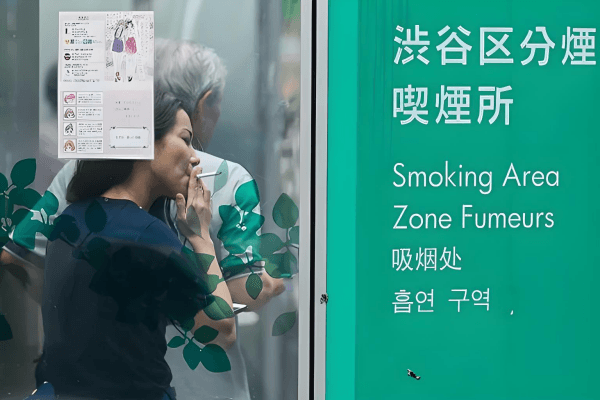
If you're a smoker visiting Japan, you'll want to be extra careful about where you light up. While smoking is allowed in certain areas, the rules here are much stricter than in many other countries—and breaking them could cost you a fine.
First, forget about smoking while walking down the street in places like Tokyo—it's actually illegal in many areas, and you might get fined. The same goes for tossing cigarette butts on the ground (always use an ashtray!). Instead, look for designated smoking zones, which are usually marked with signs and often have ashtrays. Some train stations, shopping areas, and even busy streets have these spots, so keep an eye out.
Indoors, smoking is banned in most public places like restaurants, bars, and cafes—unless they have a special smoking section. If you're not sure, just ask the staff.
A little extra effort goes a long way in keeping Japan clean and comfortable for everyone. So when you need a smoke, take a moment to find the right spot—it's the polite (and legal!) way to enjoy it here. Happy travels!
4. Taking photos without permission
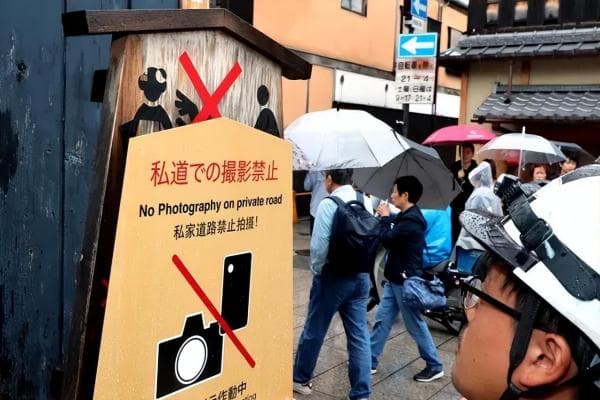
Japan is full of amazing photo spots, but before you start snapping away, it's good to know a few local rules. Some places have strict no-photography policies—not to be difficult, but to protect privacy, artwork, or cultural traditions.
In museums and galleries, photography is often off-limits to guard against copyright issues. The same goes for bookstores and libraries—taking pictures of books or magazines (even just a quick snap of a page) is considered rude, like "digital shoplifting".
At hot springs (onsen) and public baths, cameras are a big no-no to respect everyone's privacy. Even if the staff says it's okay to photograph the space, never include other bathers in your shots—and definitely don't share those photos online.
Some cafes, shops, or malls also restrict photography, especially if you're capturing other customers or products. When in doubt, just ask "May I take a photo?". A quick check saves trouble and shows respect.
With so much beauty around, it's tempting to document everything—but following these simple rules helps keep Japan's culture and courtesy intact. Happy shooting (where allowed)!
When visiting Japan, you'll quickly notice something special about entering buildings—shoes stay outside. This isn't just about keeping floors clean; it's a deep-rooted sign of respect.
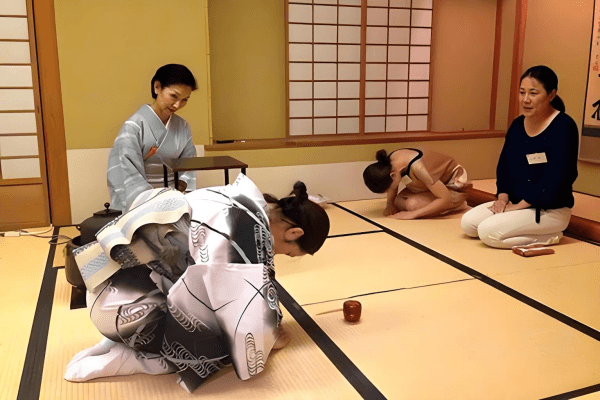
In homes, ryokans (traditional inns), temples, and even some restaurants, you'll usually find a genkan (entryway) where shoes come off. Stepping inside in your socks (or provided slippers) shows you honor the space and its rules. Some places offer indoor slippers, but outdoor shoes are a definite no—they're seen as dirty or even disrespectful if worn past the entrance.
Even if you're just visiting a shrine or a tatami-mat room, watch for cues like shoe racks or slippers by the door. If unsure, follow what locals do or ask "Should I take off my shoes?".
A small tip: Wear socks without holes! You'll be glad you did when sliding into slippers or walking on polished floors. It might feel strange at first, but this simple habit is a big part of Japanese culture—and it keeps those beautiful floors spotless for everyone.
So kick off your shoes, relax, and enjoy the tradition!
6. Using your chopsticks to grab shared food
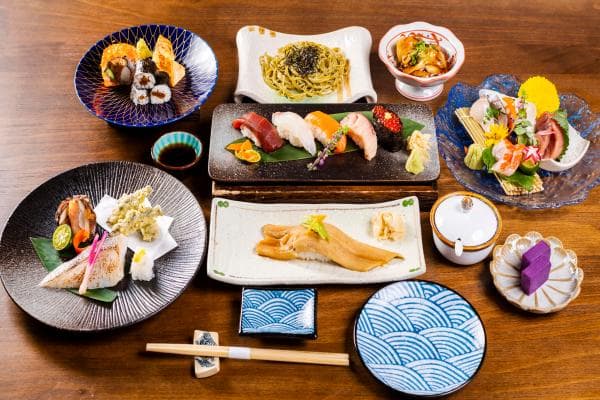
When you're sharing a meal in Japan—especially those delicious communal dishes like sushi platters or hot pot—you might notice an extra pair of chopsticks or serving utensils on the table. Don't worry, the restaurant didn't give you too many by accident! These are meant to be used as shared serving tools, so no one's personal chopsticks touch the main dishes.
In Japan, it's considered polite to use these public utensils (or flip your own chopsticks around to use the clean ends) when taking food from a shared plate. It's all about keeping things hygienic and respectful. Of course, if you're eating with close friends or family, using your own chopsticks is usually fine—but when in doubt, follow the lead of your Japanese dining companions.
This custom might feel different from what you're used to in other chopstick-friendly countries like China or Korea, where sharing directly with personal chopsticks is more common. But in Japan, it's a small gesture that shows thoughtfulness.
So next time you see those extra chopsticks, just remember: they're there to make the meal more enjoyable for everyone. Happy eating!
7. Leaving uneaten food at restaurants
When dining in Japan, you'll notice something important—leaving food on your plate is seen as impolite. It's not just about waste; it's a sign of respect for the chef's hard work and the ingredients themselves. Japanese culture places high value on finishing what you're served, so try to order only what you can comfortably eat.
Unlike in some countries, takeout for leftovers isn't very common here. Most restaurants don't offer doggy bags as standard practice, partly because they take responsibility for any issues with food after it leaves their kitchen. That said, if you really can't finish your meal, it's okay to politely ask "I can't finish this—may I take it home?". Just be discreet and understanding if they say no.
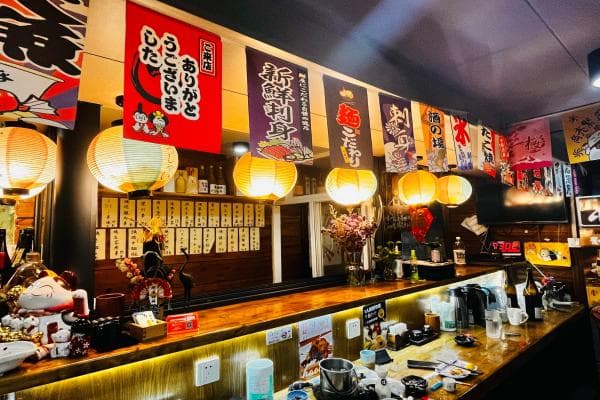
A little tip: Portions at casual eateries (like ramen shops or izakayas) are often manageable, but at fancier restaurants, courses can add up. When in doubt, order gradually or share dishes with friends. That way, you get to taste everything without the stress of leftovers.
Remember, it's all about appreciation—for the food, the effort, and the culture. Happy (and mindful) eating!
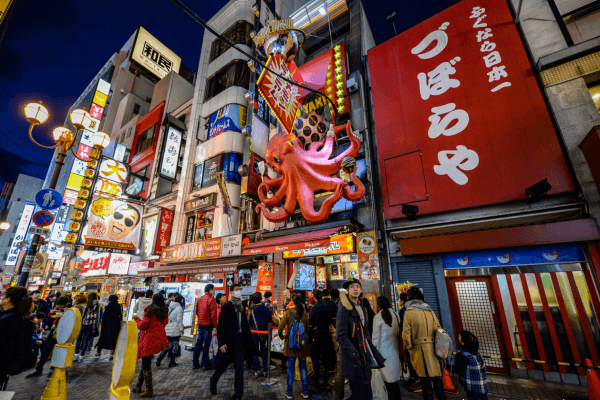
One of the great joys of traveling in Japan is sampling delicious street food—whether it's takoyaki in Osaka or dango in Kyoto. But before you start munching while strolling, there's something you should know: eating while walking is generally frowned upon in many Japanese cities.
Why? A few practical reasons: no one wants accidental sauce stains from a passing tourist, and with public trash bins being rare, leftover wrappers or sticks can quickly become litter. While you might get away with it in some areas (especially among younger locals), in traditional cities like Kyoto or Kamakura, it's better to pause and eat your snack properly—either near the stall, outside a convenience store, or in designated eating areas.
If you're unsure, just follow the locals' lead. Some vendors even provide small seating spots or standing tables. And if you do need to toss packaging, hold onto it until you find a bin (convenience stores often have them).
This way, you get to savor every bite without worrying about dirty looks—or dirty sidewalks. Happy snacking!
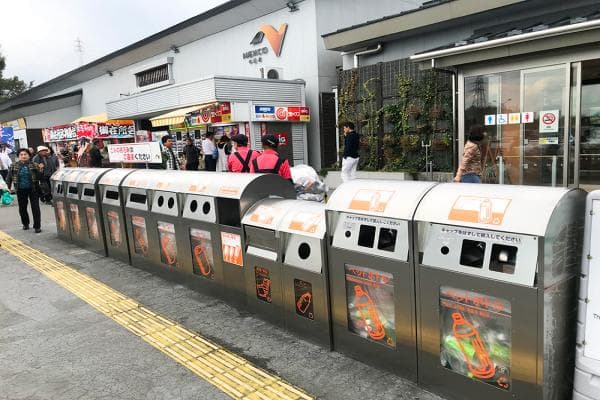
You'll quickly notice how spotless Japan's streets are—yet you might also find it surprisingly hard to locate a public trash can. This is partly due to safety measures, so here's how you can help maintain the cleanliness while traveling:
Sorting Basics
Look for recycling signs near bins—they usually separate waste into categories like paper (newspapers/magazines), cans & bottles, plastic bottles, and general waste. Icons make it easy to identify each type. Don't stress if it feels confusing at first; even getting one or two categories right makes a difference!
In Your Hotel
Many hotels don't provide separate bins in rooms. If unsure, just toss everything together—housekeeping will handle sorting. Before checkout, remember to clear out any trash from your room. Once you're back on the street, disposal options become limited.
Pro Tip for Sightseeing
Carry a small bag (like a convenience store plastic bag) for your wrappers or empty bottles. Tuck it in your daypack—you'll avoid littering and can dispose of everything properly when you spot a bin.
Japan's cleanliness relies on everyone's effort. Thanks for doing your part, and enjoy your tour!
10. Entering Onsen Without a Shower or a Towel
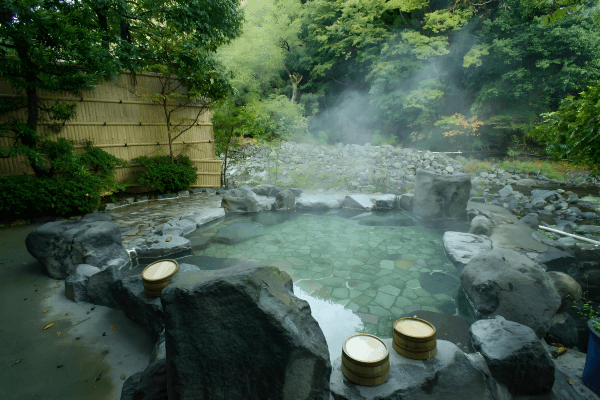
Before stepping into the soothing waters of an onsen, take a moment to rinse off with warm water from the shower. This helps your body ease into the heat and makes the experience more comfortable.
Once you're ready, give yourself a good wash with soap—this keeps the shared bath clean for everyone. Just be sure to rinse off all the suds before getting in!
And here's a handy tip: if you bring a small towel with you, keep it out of the water. Letting it soak in the bath can bring in dirt or soap residue, which isn't great for the next person. You can fold it and place it on your head or set it aside while you relax.
Now you're all set—soak in, unwind, and enjoy this wonderful Japanese tradition!
Are you interested in this tour?
This tour can be tailored.

