


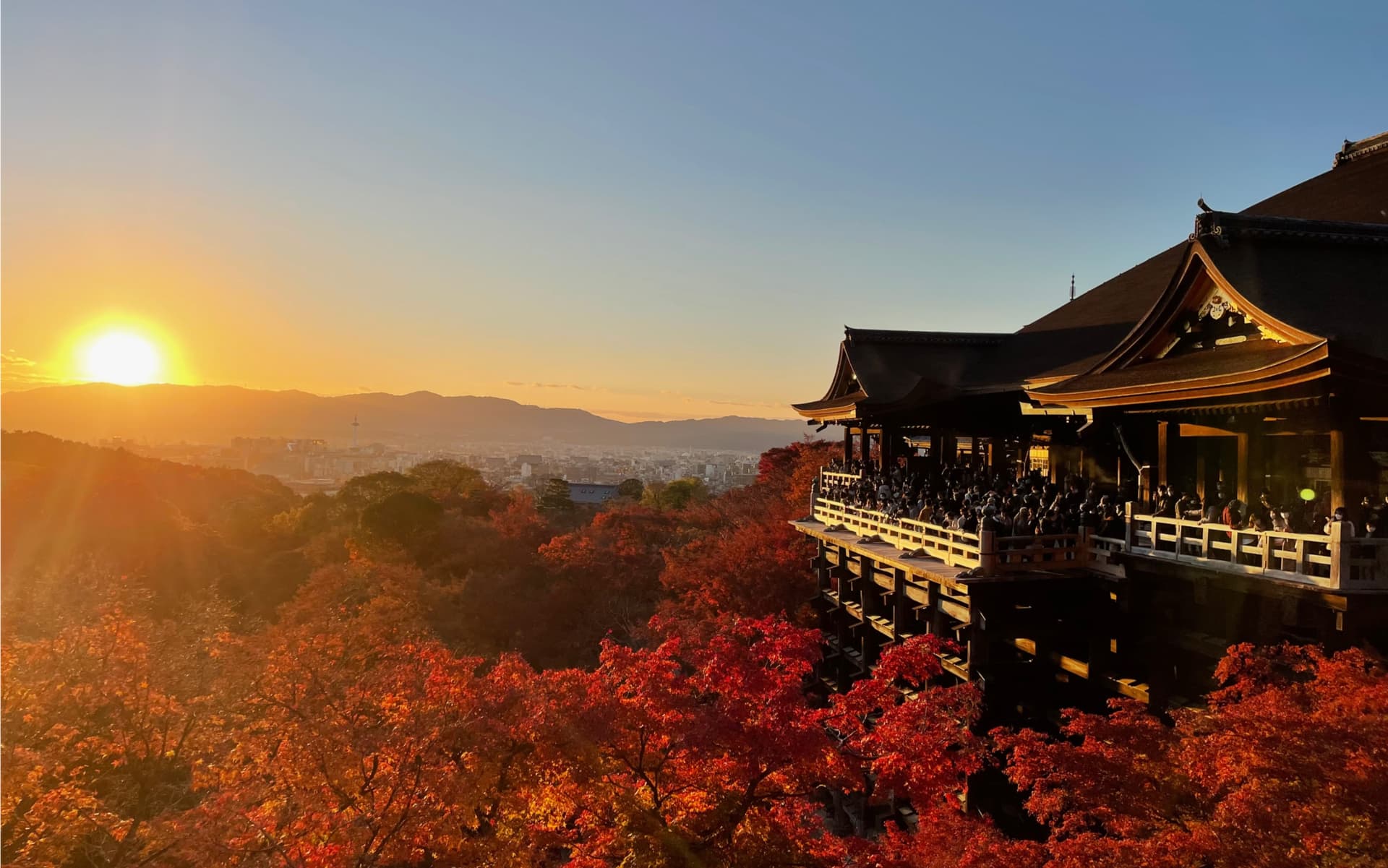
Planning your first trip to Japan? Get ready for an amazing mix of ancient temples, futuristic cities, and delicious food! The efficient trains make travel easy, though learning a few basic Japanese phrases will go a long way. Don't miss the chance to try sushi from a local shop, soak in a relaxing onsen, and experience the quiet beauty of a traditional tea ceremony. Just remember to carry cash (many places don't take cards), be respectful in sacred spaces, and enjoy every moment of this unforgettable cultural adventure!
Table of Contents
1. Important Documents & Papers
Hey there, future Japan explorer! Before you pack those bags and dream of sushi and temples, let's make sure you've got all the important paperwork sorted. It might not be the most exciting part, but it means smooth sailing later!
(1) Your Passport is Key: First things first, dig out that passport! Double-check that it won't expire for at least another six months after the day you plan to leave Japan. Old passports kicking around? Time to renew.
(2) Do You Need a Visa? (Probably Not for Short Trips!): Good news for many travelers! If you're visiting for tourism and hold a passport from the United States, Canada, the UK, Australia, New Zealand, most European countries (like France, Germany), South Korea, Singapore, and quite a few others (over 60 countries in total!), you likely don't need a visa beforehand. You'll usually get stamped in for up to 90 days just by arriving at the airport or port. Awesome, right?
- But Always Check! Visas depend entirely on your specific passport and your reason for visiting. Planning to stay longer than 90 days? Or working/studying? That's different. Always, always confirm the rules for your exact situation using an official source like your country's Japanese embassy website or the official Japan Ministry of Foreign Affairs site. Don't just guess!
- Visa-Free Transit Stops: If Japan is just a stopover (you're flying through Japan to another country, say from the US to Thailand), you might be able to leave the airport and explore for a short while without a visa—often up to 3 days or so, depending on your nationality and the airport (Tokyo Narita/Haneda or Osaka Kansai are common ones for this). The rules are precise though, so look this up specifically if it applies to you.
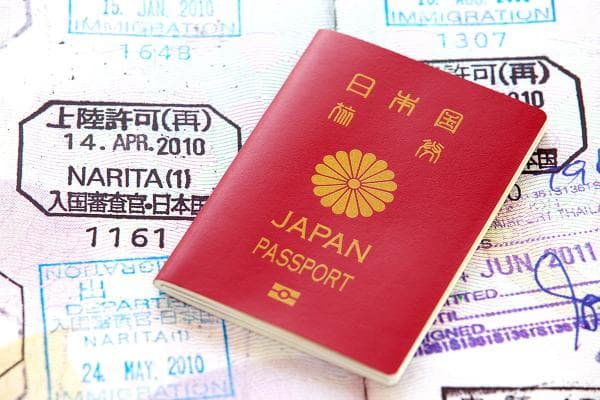
(3) Copies Are Your Friend: Once you have everything, make photocopies or take clear photos of your passport's photo page and your Japan entry stamp once you get it. Store these separately from your real passport (like in your suitcase or cloud storage). Also, snap a photo or write down your passport number somewhere safe. If the worst happens and it gets lost, copies make replacing it much easier.
(4) Flights: Get 'Em Booked! While you might not need return tickets for the visa-free entry itself, having your flight details booked gives you peace of mind. Booking your international flights well in advance usually scores you better prices and seat options. It also helps you plan your adventure time properly once you land!
(5) Travel Insurance is Seriously Smart: Don't skip this one! Get yourself some travel insurance. Make sure it covers medical stuff—hospitals can be expensive anywhere if something unexpected happens. Also handy if your trip gets cancelled unexpectedly, flights are delayed, or luggage decides to go on its own holiday. It's a small price for a big safety net.
Getting these bits sorted now means you can focus on the fun stuff—planning your ramen adventures and temple visits! Have an absolutely fantastic tour in Japan!
Before you set off on your Japan adventure, let's talk about money—how to pay, what to carry, and the best ways to avoid any hiccups while you're exploring.
(1) The Japanese Yen
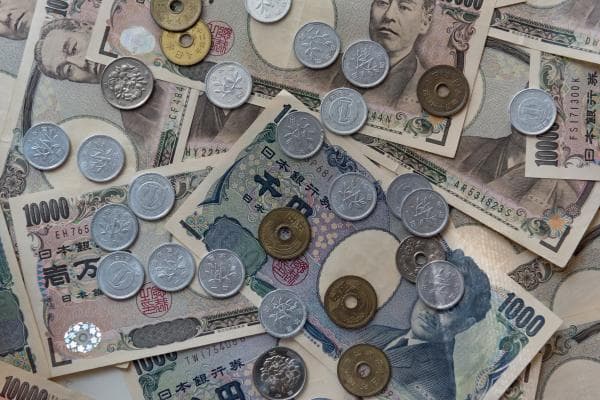
Japan's currency is the yen (JPY), and cash is still widely used, especially in smaller towns, traditional shops, and local markets. You'll see bills in 1,000, 2,000 (rare!), 5,000, and 10,000 yen denominations, plus coins for 1, 5, 10, 50, 100, and 500 yen. Pro tip: Keep some 100-yen coins handy—they're perfect for vending machines and lockers!
(2) Cash is Handy, But Cards Work Too
While Japan is modern, don't assume everywhere takes cards—small restaurants, temples, and rural spots often prefer cash. That said, credit cards (Visa, MasterCard, AmEx, JCB) are accepted in big cities, hotels, and department stores. Debit cards? Not as common for payments, but great for ATMs.
(3) ATMs: Your Best Bet for Cash
Need yen? 7-Eleven, Lawson, and Japan Post ATMs are your best friends—they take foreign cards and have English menus. Just check with your bank about international fees before you go. Some ATMs in banks or train stations might not accept foreign cards, so stick to convenience stores for withdrawals.
(4) IC Cards: The Magic Transit & Payment Tool
Want to breeze through trains, buses, and even small shops? Grab an IC card like Suica, Pasmo, or Icoca at any major train station. Just tap to pay—no digging for change! You can reload them at stations or convenience stores, and they work in most big cities.
(5) Exchange Rates & Smart Spending
As of now, 1 USD ≈ 145 JPY, but rates change. Exchange some cash before you arrive (airport rates aren't great), or withdraw yen from ATMs once you're in Japan.
For your reference, the table below shows the Japanese Yen's (JPY) exchange rate against a number of major currencies, including the US Dollar (USD), British Pound (GBP), Australian Dollar (AUD), Euro (EUR), and more.
Foreign Currency Value | Value in Japanese Yen |
1 US Dollar | 145 yen |
1 British Pound | 190 yen |
1 Australian Dollar | 90 yen |
1 Euro | 165 yen |
1 New Zealand Dollar | 85 yen |
1 Canadian Dollar | 105 yen |
(6) Small Bills & Coins Help!
Many places won't accept a 10,000-yen bill (about $65 USD), so try to carry smaller bills. And don't be surprised if you end up with a pocket full of coins—they add up fast!
With these tips, you'll handle money in Japan like a pro. Now, go enjoy those ramen stops, temple visits, and shopping sprees—without any payment worries!
3. Connectivity & Internet in Japan
So, you're heading to Japan—awesome! Let's make sure you stay connected without any hassle. Whether you need Google Maps to navigate Tokyo's maze-like streets, want to share your sushi adventures on Instagram, or just need to check train times, here's what you need to know about internet and phone access in Japan.
(1) Wi-Fi: Not Always Easy to Find
Japan is high-tech, but free public Wi-Fi isn't as common as you might hope. Some train stations, cafes, and convenience stores offer it, but connections can be slow or require annoying sign-ups. If you rely on Wi-Fi, consider renting a pocket Wi-Fi (portable hotspot)—they're affordable, fast, and let multiple devices connect at once. You can book one online and pick it up at the airport when you arrive.
(2) Getting a Japanese SIM Card
If you need constant internet (and let's be honest, you probably do), buying a prepaid SIM card is a great option. You can grab one at major airports (like Narita or Haneda) or electronics stores (Bic Camera, Yodobashi). They usually come with 4G/LTE data (no phone calls, just internet), and last for a week, two weeks, or a month. Just make sure your phone is unlocked before you travel!
(3) Using Your Home Phone Plan
Some international phone plans include roaming in Japan, but be careful—data charges can be crazy expensive. Check with your provider before you go. If they offer a daily travel pass (like AT&T or T-Mobile), it might be worth it for short trips. Otherwise, stick to a local SIM or pocket Wi-Fi.
(4) Helpful Apps for Japan
Since you'll be online, here are a few must-have apps:
- Google Maps (or Apple Maps)—Lifesaver for trains and walking directions.
- Japan Travel by Navitime—Great for train schedules and routes.
- Google Translate—Snap photos of signs/menus for instant translations.
- Suica/Pasmo (for IC cards)—If your phone supports it, you can add a virtual IC card for easy payments.
(5) Power Outlets & Adapters
Japan uses Type A and B plugs (same as the U.S.), so if you're from North America, your chargers will work fine. If you're coming from Europe or elsewhere, you might need an adapter. Also, power banks are super handy—you'll be using your phone a lot!
Final Tip: Download Offline Maps
Just in case you lose signal, download offline Google Maps of Tokyo, Kyoto, Osaka, or wherever you're going. It's a simple trick that can save you from getting totally lost! With these tips, you'll stay connected, avoid crazy roaming fees, and make the most of your Japan trip!
The transportation system in Japan is world-class, but it can feel overwhelming at first. Don't worry—with these tips, you'll be moving around like a local in no time.
(1) Trains Are Your Best Friend
Japan's train network is incredibly efficient and covers nearly everywhere you'll want to go. The famous Shinkansen (bullet trains) zip between major cities at 300 km/h—yes, it's as cool as it sounds! For shorter trips, regular JR trains and subway systems will get you anywhere in cities like Tokyo and Osaka.
Pro tip: Get yourself an IC card (like Suica or Pasmo) when you arrive. Just tap it at station gates instead of buying individual tickets. You can even use it to pay at convenience stores and vending machines!

(2) Don't Fear the Subway
Big city subways might look confusing with all their colored lines, but they're actually very user-friendly. Stations have English signs and announcements. Google Maps or Japan Transit Planner app will tell you exactly which line to take, when to transfer, and even which car to board for easiest transfers.
(3) Buses Fill in the Gaps
Where trains don't go, buses will. They're especially useful for:
- Getting to smaller towns
- Reaching famous temples and sights
- Night travel when trains stop running
(4) Taxis—When You Need Them
Taxis are everywhere but can be pricey. Save them for:
- Late nights when trains stop running
- Carrying heavy luggage
- Getting to places with tricky train access
The doors open automatically—don't pull them! Drivers usually don't speak much English, so have your destination written down or show on a map.
(5) Renting a Car? Think Twice
Unless you're exploring rural areas, you probably don't need one. Between trains, buses and taxis, you can get everywhere. Plus:
- Driving is on the left side
- Parking is expensive in cities
- Road signs are in Japanese
(6) A Few Extra Tips
- Morning rush hour (7:30-9:30am) in Tokyo can be intense—avoid it if possible
- Trains stop running around midnight—plan accordingly
- Keep your IC card loaded with at least ¥2,000 to avoid running out mid-trip
- If you're doing lots of long-distance travel, a Japan Rail Pass might save you money
Remember—getting lost is part of the adventure! Station staff are usually helpful, and most Japanese people will try to assist if you look confused (even if they don't speak English). Now go enjoy the amazing convenience of Japan's transportation system!
Ready to eat your way through Japan? You're in for a treat! Japanese cuisine goes way beyond sushi (though that's amazing too). Here's how to enjoy it like a local without any stress.
(1) Cash is King at Food Spots
Many small restaurants and street food stalls only take cash, especially outside big cities. Keep some yen handy—we recommend carrying at least ¥5,000 when you're out exploring food areas.
(2) Must-Try Dishes
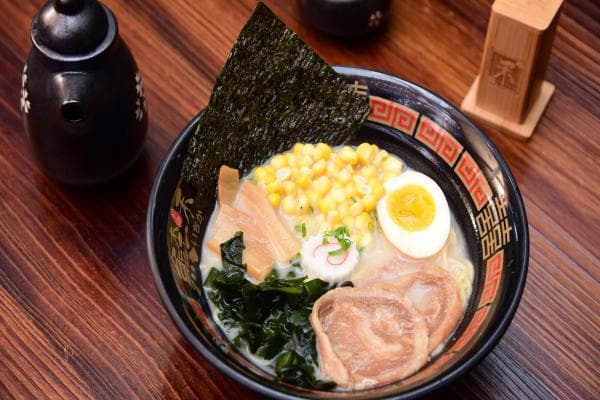
- Ramen—Every region has its own style. Try them all!
- Yakitori—Juicy grilled chicken skewers perfect with beer
- Okonomiyaki—Savory pancakes you can often cook yourself
- Convenience store sandwiches—Seriously, 7-Eleven's egg salad is legendary
(3) How to Order Like a Pro
See plastic food displays outside restaurants? These aren't just decorations—they show exactly what's available. Feel free to point at what you want if there's a language barrier. At ramen shops, you'll often order from a vending machine first—just insert money, press the button for your meal, and give the ticket to the staff.
(4) Vegetarian? No Problem!
While traditional Japanese food uses lots of fish products, vegetarian options are growing:
- Look for "shojin ryori" (Buddhist vegetarian meals)
- Many ramen shops now offer vegetarian broth
- Conveyor belt sushi places usually have veggie options
(5) Table Manners Made Easy
- It's polite to say "itadakimasu" before eating
- Slurping noodles is encouraged—it means you're enjoying them!
- Never stick chopsticks upright in rice (this is for funerals)
(6) Don't Miss These Experiences
- Tsukiji Outer Market—Fresh seafood breakfast in Tokyo
- Izakaya hopping—Japanese-style pub crawling
- Department store food halls—Amazing prepared foods
Pro Tip: If you love something, check department store basements before you leave—they sell beautifully packaged food souvenirs that make great gifts.
Now go enjoy Japan's incredible food culture! Try something new every day—your most memorable meals might come from that tiny shop with no English menu. Just be warned: you'll probably come home craving real Japanese food!
Here's how to pack like a pro so you're prepared without being weighed down. Japan's compact spaces and varied weather call for some special considerations.
(1) Seasonal Essentials
- Summer (June-August): Lightweight, breathable clothes + small towel for sweat
- Winter (Dec-Feb): Warm layers, thermal wear, and a good coat
- Rainy season (June-July): Compact umbrella and waterproof shoes
- Shoulder seasons: Light jacket for cool evenings
(2) Must-Pack Items
- Comfortable walking shoes (you'll walk 10-20km daily!)
- Slip-on shoes (for temples and ryokan stays)
- Universal power adapter (Japan uses Type A/B outlets)
- Portable WiFi router or SIM card
- Small coin purse (you'll get lots of ¥100 and ¥500 coins)

(3) Clothing Tips
Stick to a color scheme so everything mixes and matches. Neutral colors blend in best in cities. Remember:
- Many hotels provide pajamas
- Onsen towns give yukata robes
- Laundromats are widely available
(4) Space Savers
- Packing cubes help organize small hotel drawers
- Roll clothes instead of folding
- Leave 25% of your suitcase empty for souvenirs
- Consider shipping purchases home from department stores
(5) Don't Forget
- Medications (with prescriptions)
- Deodorant (Japanese versions are often weaker)
- Extra phone charger
- Ziplock bags for wet items
(6) What Not to Bring
- Too many shoes (they take up space)
- Hairdryers (hotels provide them)
- Lots of cash (ATMs are everywhere)
- Big towels (hotels have them)
Pro tip: If you forget anything, Japan's convenience stores sell everything from umbrellas to underwear. Now pack light, stay comfortable, and enjoy your trip! Remember—you can always buy what you need there.
Are you interested in this tour?
This tour can be tailored.

