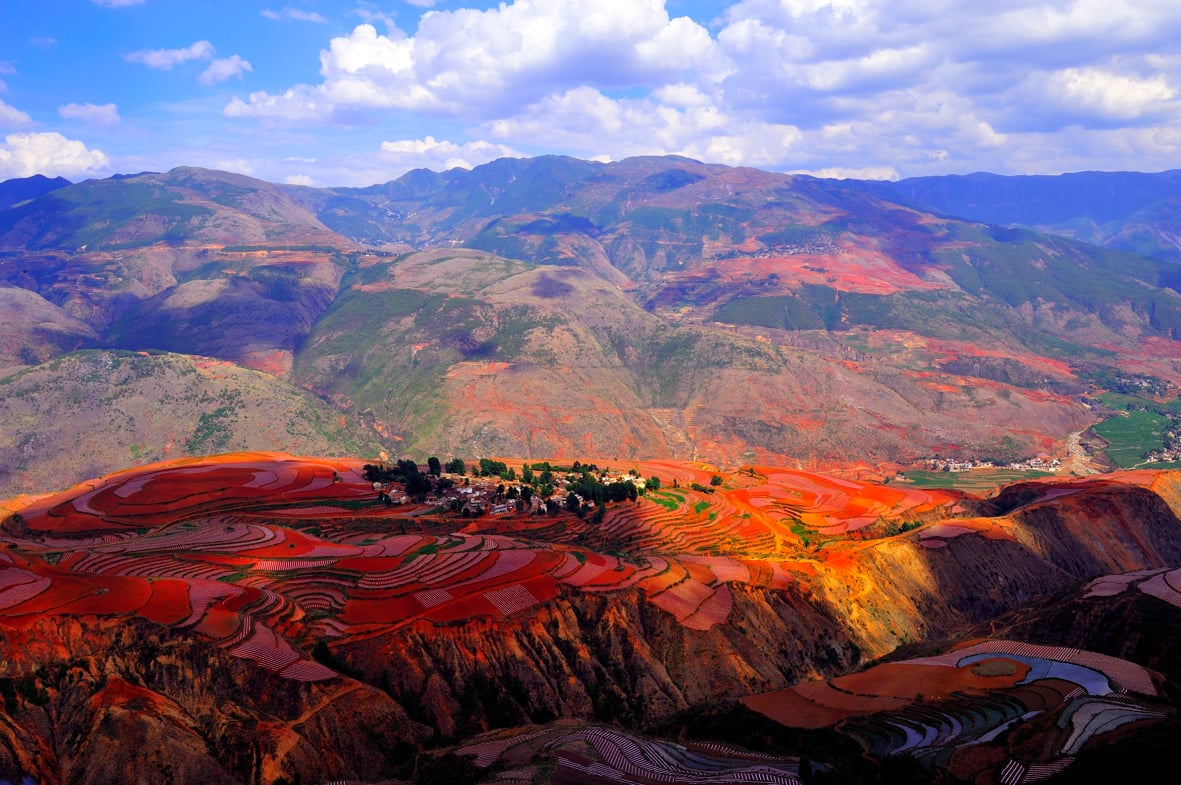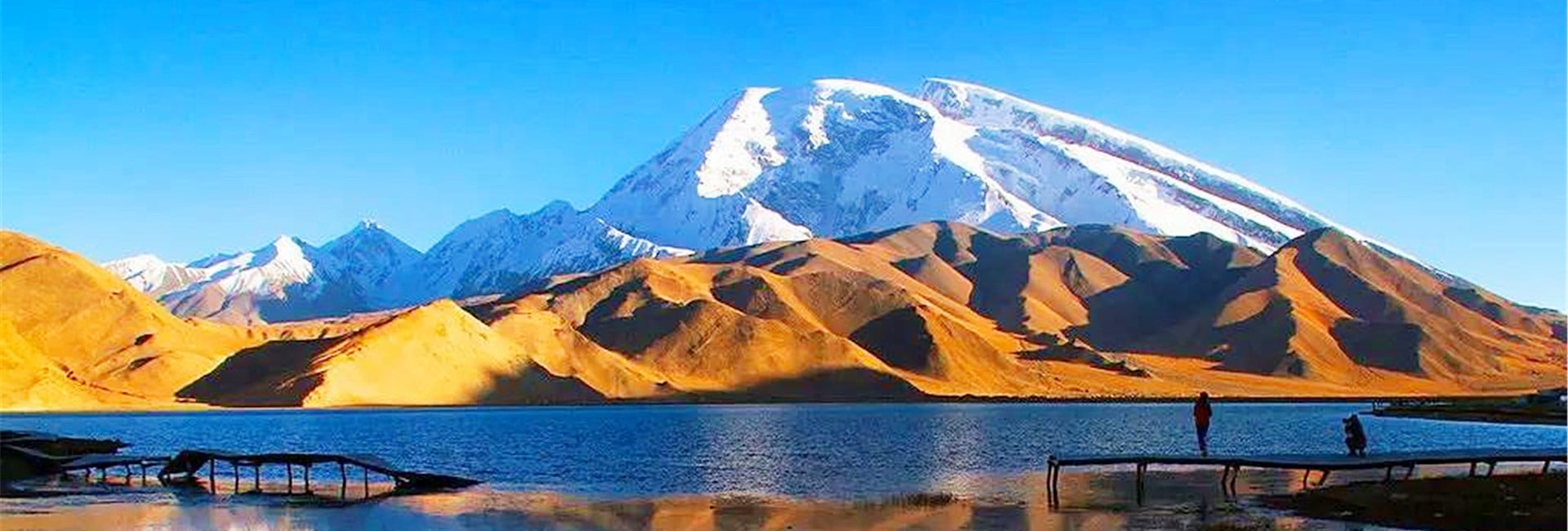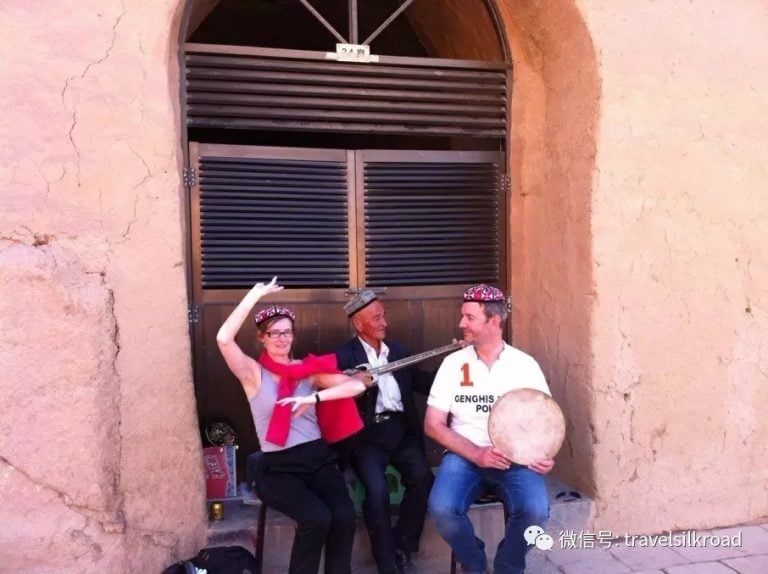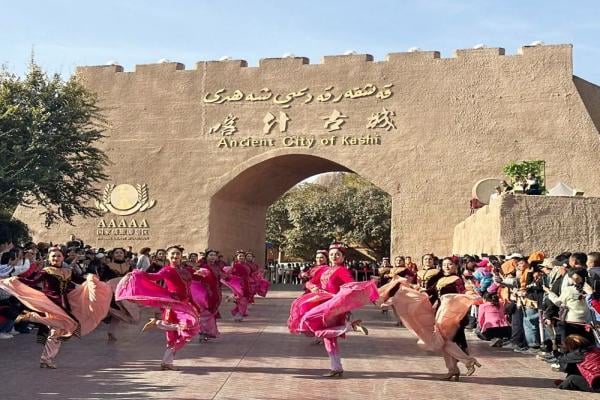
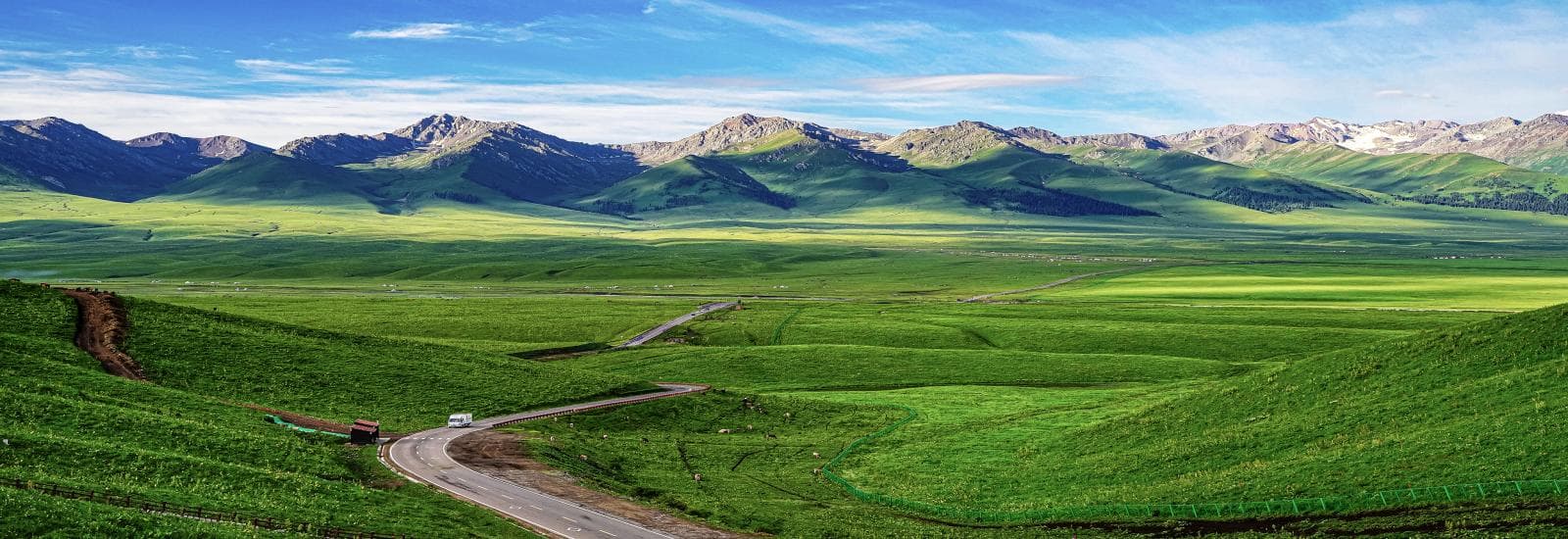
Do you long to witness the soul-stirring dance of desert and snow-capped peaks? Xinjiang invites you into its breathtaking embrace! A crossroads of cultures along the ancient Silk Road, Xinjiang today dazzles as China's "Land of Song and Dance". Here, you can savor smoky lamb kebabs bursting with flavor, be captivated by the hypnotic melodies of the dutar echoing across bazaars, and journey through landscapes where glacier-fed lakes sparkle beneath heaven-piercing mountains. Get ready to be enchanted by its fiery hospitality and boundless, dance-like vitality!
Table of Contents
Xinjiang isn't just another travel destination—it's a living geography textbook, an adventure through the Silk Road that transcends time. Here, lavender fields stretch beneath snow-capped mountains, and emerald lakes appear like miracles beyond the desert. The cheerful drums of Uyghur musicians blend with Kazakh herders' dombra melodies in bustling bazaars.
Start your day watching morning mist flow like milk across Kanas Lake, learn bread-making in Kashgar's old town workshops at noon, and chase golden dust clouds behind nomadic herds for a desert sunset by evening. Days here feel wonderfully long (it stays light until 10pm in summer!), letting you experience four seasons in one day—munch watermelon in 40°C Turpan's grape valleys in the morning, then enjoy hot lamb buns wrapped in your jacket at Tianshan Mountain's foothills by afternoon.
Xinjiang's cuisine will redefine "delicious" for you: fresh-from-the-oven samsa pastries demand to be eaten despite burning fingers, wide noodles soak up every drop of flavor in big-plate chicken, and bazaars smell of fig jams and walnut naan. The fruits here break all sweetness rules—Turpan grapes, Korla pears, Aksu apples—each bite tastes like bottled sunshine.
What you'll remember most are the people. Uyghur uncles pull you into impromptu family dance parties, Kyrgyz grandmothers refill your milk tea with smiles etched in wrinkles, and Kazakh boys make freedom sing in the wind as you gallop across grasslands together. Don't come to Xinjiang just to check off sights. Its magic lives in gasps around every bend of the Dushanzi-Kuqa Highway, in night market steam rising past midnight, and in the dried apricot a minority child presses into your palm. Xinjiang is the China you have to experience to understand.
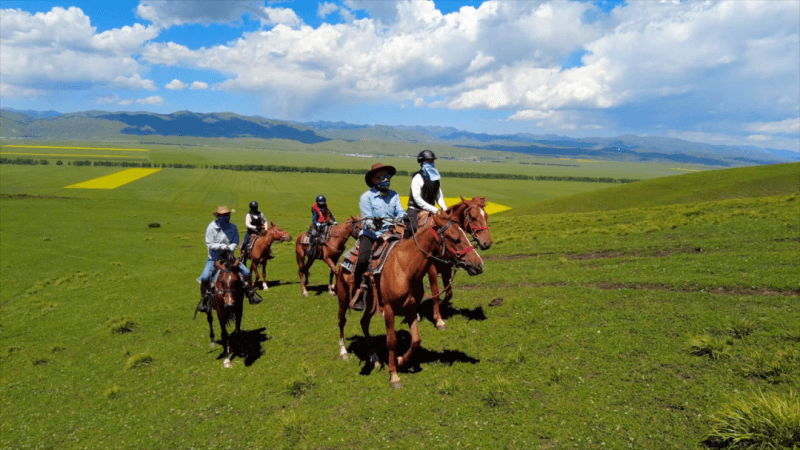
(1) Horseback Riding in Xinjiang
Nothing could be more wonderful than sitting tall in the saddle, the sun warming your back as your horse moves steadily across an open grassland. Around you, rolling hills stretch to meet snow-capped mountains, and the only sounds are the soft clip-clop of hooves and the whisper of the wind. This is horseback riding in Xinjiang—an adventure that connects you to the land in the most beautiful way.
As you settle into the rhythm of your horse's gait, you'll feel a sense of freedom unlike anything else. Local guides, often Kazakh or Mongolian herders who've grown up with horses, will match you with a gentle, sure-footed companion. They'll teach you the basics—how to hold the reins, how to move with your horse—and soon, you'll be riding with confidence.
The trails take you through landscapes that take your breath away. You might trot alongside a sparkling river, canter through fields of wildflowers, or climb to a high meadow where eagles circle overhead. If you're lucky, you'll spot herds of sheep or yaks grazing in the distance, tended by nomads on horseback just as they have for centuries.
For a truly special experience, try an overnight ride. As evening falls, you'll dismount at a campsite where a warm meal and a cozy blanket await. Sitting around the fire, listening to stories under a sky full of stars, you'll understand why the people of Xinjiang have loved these horses—and this land—for generations.
Whether it's your first time riding or you're an experienced rider, exploring Xinjiang on horseback is an unforgettable way to experience its beauty and culture. All you need is a sense of adventure and a willingness to see the world from a saddle—the horses will take care of the rest.
(2) Skiing in Xinjiang
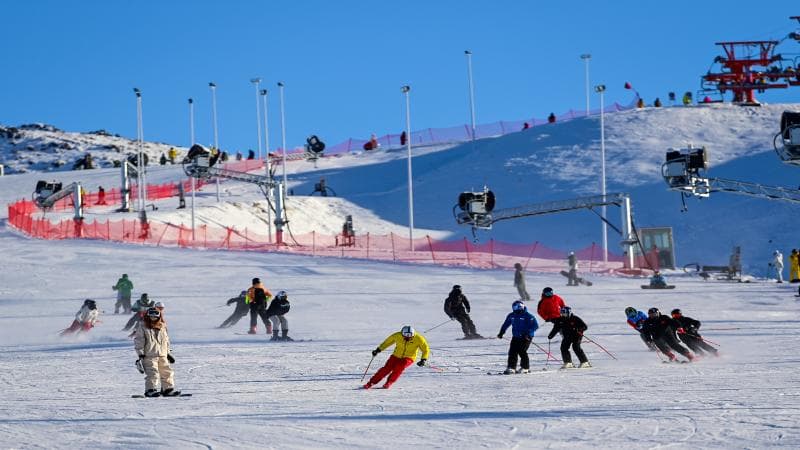
Immerse yourself in the top of a snow-covered slope, crisp mountain air filling your lungs as you gaze at endless white peaks under a bright blue sky. This is skiing in Xinjiang—where powdery snow, stunning views, and wide-open runs make every descent unforgettable.
As you glide down the mountain, you'll feel the rush of cold wind against your face and the smooth, effortless turns of your skis. Xinjiang's ski resorts, like those in Altay or Nanshan, offer slopes for all levels—from gentle beginner trails to challenging off-piste routes for the adventurous. Local instructors, friendly and patient, will help you find your confidence on the snow, whether it's your first time or you're looking to sharpen your skills.
Between runs, warm up in a cozy wooden lodge with a cup of hot milk tea or a steaming bowl of noodle soup. Step outside, and you might see local Kazakh herders passing by on horseback, their breath visible in the frosty air—a reminder of how skiing here blends modern fun with timeless traditions.
For something truly special, try night skiing under starry skies, or venture into backcountry terrain where untouched snow stretches as far as you can see. And when the day ends, your legs tired but your heart full, you'll understand why Xinjiang's winter magic keeps skiers coming back year after year.
3. Best Time to Visit Xinjiang
Xinjiang's vast landscapes transform dramatically with each season, offering completely different but equally breathtaking experiences throughout the year. Here's what to expect:
Spring (April-May) brings the desert to life as poplar trees sprout fresh green leaves and wildflowers carpet the grasslands. Temperatures are perfect for exploring ancient cities like Kashgar's Old Town without summer's heat. Watch local farmers begin their grape harvest preparations in Turpan's vineyards. Just pack a light jacket—nights can still be cool.
Summer (June-August) is peak season for good reason. The Tianshan Mountains become a hiker's paradise with wildflowers covering alpine meadows. Kanas Lake reaches its most brilliant blue, and you can experience Kazakh nomads' summer pastures. Yes, Turpan's temperatures soar, but that's when the sweetest grapes ripen! Early mornings are best for sightseeing before the afternoon heat.
Autumn (September-October) turns Xinjiang into a golden wonderland. Poplar forests along the Tarim River glow yellow, creating unreal photo opportunities. Harvest season means bazaars overflow with fresh walnuts, pomegranates, and melons. The weather stays pleasant for road trips along the stunning Dushanzi-Kuqa Highway before winter arrives.
Winter (November-March) offers a magical, crowd-free experience. Imagine having the snow-covered grasslands of Narati all to yourself or seeing frozen waterfalls in the Heavenly Lake area. Urumqi's ski resorts offer great slopes, while warm indoor markets serve steaming lamb soups and hand-pulled noodles to fight the chill.
Xinjiang's beauty changes with the seasons, but its warm hospitality remains constant year-round. Whether you come for summer's endless blue skies or winter's peaceful snowscapes, you'll leave with memories (and camera rolls) full of this extraordinary region's wonders.
Visa & Entry
Most travelers need a visa to visit China, but if you're just passing through, you might be eligible for the 144-hour visa-free transit—perfect for a quick stop in Xinjiang! Just make sure your onward flight is within that time. Always check the latest entry rules before your trip, and keep your passport with you—you’ll need it often.
Transportation
Xinjiang is huge, so plan your transport wisely! In cities like Ürümqi, buses and taxis are easy to use, but ride-hailing apps like Didi (China's Uber) are even more convenient. For longer trips (like to Kanas Lake or the Taklamakan Desert), trains and domestic flights save time. If you're heading to remote areas, consider hiring a local driver—roads can be long and sparsely populated.
Money & Payments
Cash still works in Xinjiang, but Alipay and WeChat Pay are king. Set one up before you arrive—many small shops and markets prefer mobile payments. International cards work in hotels and big stores, but don't rely on them everywhere. Always carry some RMB (cash) as backup, especially in rural areas.
Language Tips
Mandarin is widely spoken, but in Xinjiang, you'll also hear Uyghur, Kazakh, and other local languages. In tourist spots, some English is spoken, but learning a few basic Mandarin phrases like "Nǐ hǎo" (Hello) and "Duōshǎo qián?" (How much?) goes a long way. A translation app (like Google Translate) helps with signs and menus—download offline packs just in case!
What to Pack
Xinjiang's weather varies a lot—hot summers, freezing winters, and strong sun year-round. Pack accordingly:
- Sun protection (hat, sunglasses, sunscreen—the sun is intense!)
- Layers (temperatures swing between day and night, especially in deserts and mountains)
- Comfy shoes (you'll walk a lot, from bazaars to hiking trails)
- Your passport (required for hotels and train tickets)
- A reusable water bottle (stay hydrated—it's dry here!)
- A power bank (outlets can be scarce on long road trips)
5. Top Attractions in Xinjiang
(1) Kanas Lake
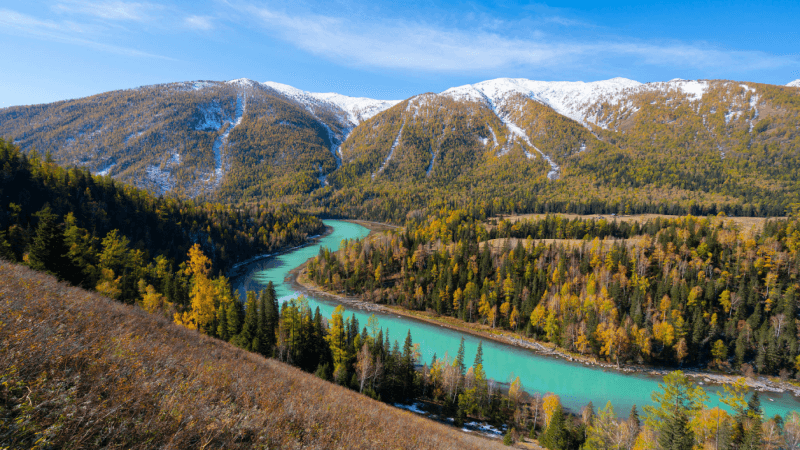
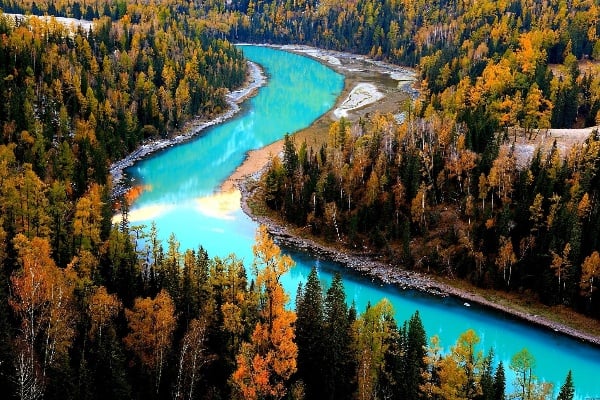
Have you ever dreamed of stepping into a place that feels like a painting? Kanas Lake is exactly that—a breathtaking natural wonder in the heart of Xinjiang. Known as the "Garden of the Gods", this stunning alpine lake changes colors with the seasons, shifting from deep blue in summer to emerald green and even mysterious shades of gray.
Walk along the peaceful lakeshore, breathe in the fresh mountain air, and let the beauty of nature surround you. Don't miss the famous "Three Bays"—Moon Bay, Dragon Bay, and Fairy Bay—where the water curves gracefully between forested hills. If you're feeling adventurous, hop on a boat to explore the lake's hidden corners, or hike up to a viewpoint for a panoramic scene you'll never forget.
Local legends say a mysterious creature lives in the lake's depths, adding a touch of magic to your visit. Whether you come in summer for its cool, clear waters, in autumn for golden forests, or in winter for a snowy fairy tale, Kanas Lake will leave you in awe.
Pack your camera, your sense of wonder, and get ready for an unforgettable experience at one of China's most beautiful lakes!
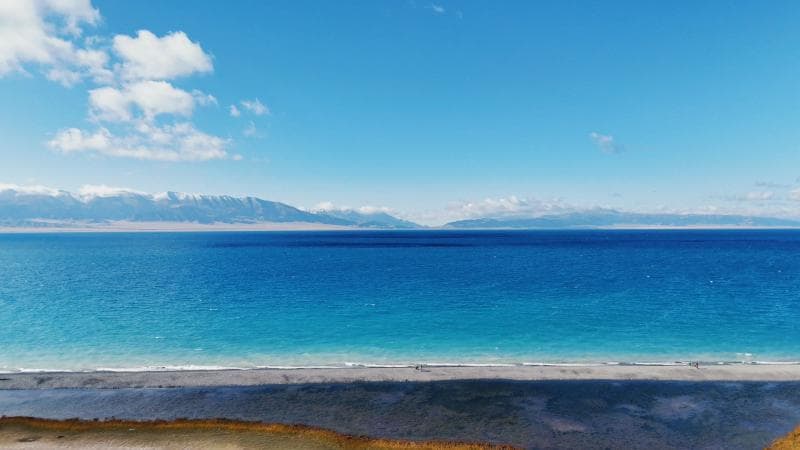
(2) Sayram Lake
Do you believe there is a place where the sky meets crystal-clear water, surrounded by rolling green hills and snow-capped mountains in the distance. Welcome to Sayram Lake, often called "the last tear of the Atlantic" because of its stunning blue waters.
As you walk along the peaceful lakeshore, you'll feel the gentle breeze and hear the soft lapping of waves. The water is so clear that you can see pebbles shimmering beneath the surface. If you visit in summer, you'll be greeted by fields of wildflowers in full bloom, painting the landscape in bright yellows, purples, and pinks.
Take a slow drive around the lake, stopping at viewpoints to soak in the breathtaking scenery. If you're lucky, you might spot swans gliding gracefully across the water. In winter, the lake transforms into a quiet, frozen wonderland, perfect for those who love serene, snowy landscapes.
Whether you're looking for a peaceful escape or a place to connect with nature, Sayram Lake is a must-visit. Bring your camera, your sense of wonder, and get ready to fall in love with one of Xinjiang's most beautiful treasures!
(3) Nalati Grassland
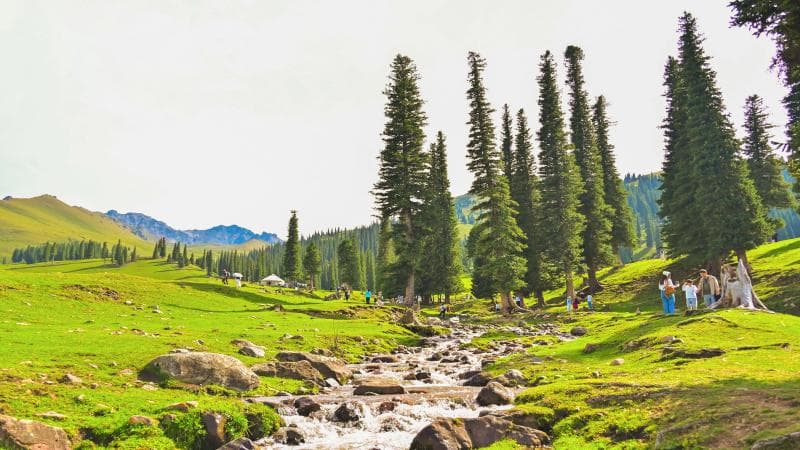
Picture yourself standing in a vast, open meadow where emerald-green grass stretches as far as the eye can see, dotted with wildflowers and framed by distant snow-capped mountains. This is Nalati Grassland, a peaceful paradise in the heart of Xinjiang.
As you wander through the grassland, you'll feel the soft earth beneath your feet and breathe in the fresh, crisp air. The gentle sound of grazing sheep and the occasional call of an eagle overhead add to the tranquil atmosphere. If you visit in summer, you'll see herds of horses roaming freely, their manes flowing in the breeze, while local Kazakh herders welcome you with warm smiles.
For a truly unforgettable experience, stay overnight in a traditional yurt. As night falls, the sky fills with countless stars, brighter than you've ever seen. Sitting by a crackling campfire, listening to folk songs and stories, you'll feel a deep connection to this land and its people.
Whether you're horseback riding through rolling hills, savoring freshly made dairy treats, or simply soaking in the untouched beauty, Nalati Grassland offers a peaceful escape from the busy world. Come and let its natural charm refresh your spirit!
(4) Hemu Village
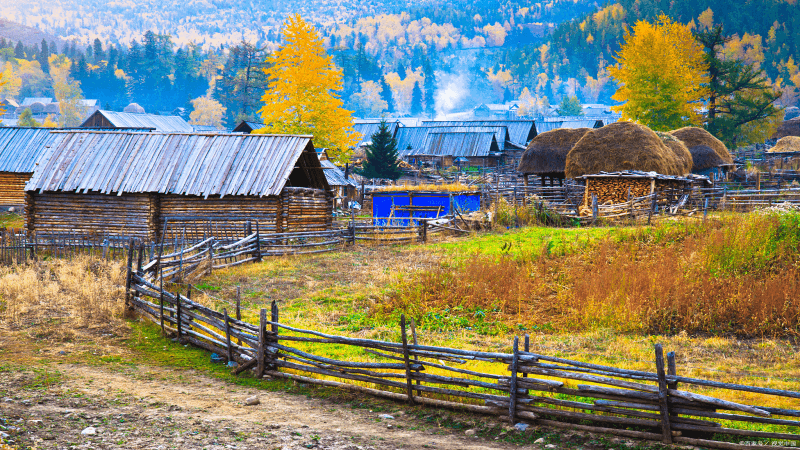
Waking up to the soft glow of morning mist rising over a river, with cozy wooden cabins dotting the hillside and golden sunlight filtering through birch trees. This is Hemu Village, a peaceful corner of Xinjiang that feels like stepping into a storybook.
As you walk along the village paths, you'll hear the crunch of fallen leaves underfoot and the distant sound of cowbells. The air smells of fresh pine and woodsmoke from chimneys. Local Tuvan families go about their day, tending to their horses or chopping firewood, always ready to share a warm smile.
Cross the wooden bridge over the rushing river and climb to the viewing platform. From here, you can see the whole village nestled in the valley, with colorful rooftops peeking through the trees. In autumn, the forest turns into a sea of gold and red, while winter covers everything in soft, silent snow.
Stay overnight in a traditional wooden house, where the thick logs keep you warm even on chilly nights. As darkness falls, look up—you've probably never seen so many stars in your life. There's no city noise here, just the crackling of your fireplace and maybe the distant howl of a wolf.
Hemu moves at nature's pace, inviting you to slow down, breathe deeply, and appreciate simple moments. Whether you're photographing the perfect sunrise, trying homemade yogurt with local honey, or just sitting quietly by the river, this special place will stay in your heart long after you leave.
(5) Kashgar Old City
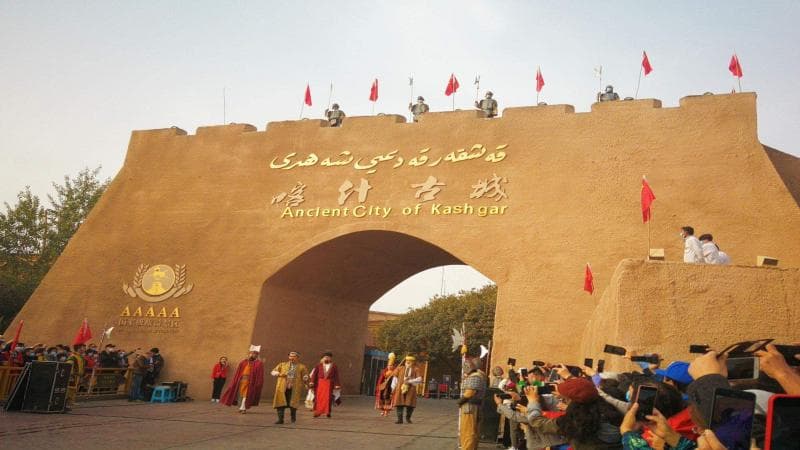
Imagine wandering through narrow, sun-dappled alleyways where the scent of freshly baked bread mingles with the sound of hammering copper. Welcome to Kashgar's Old City, a living museum where time seems to stand still.
As you explore this maze of earth-colored buildings, you'll discover hidden courtyards where pomegranate trees grow and children play. Artisans in tiny workshops still make everything by hand—from colorful pottery to delicate musical instruments. Stop to watch a master craftsman shape hot metal into a beautiful teapot, just as his ancestors did centuries ago.
The heart of the old town beats in its bustling bazaars. Here, you can taste golden-brown samosas still sizzling from the oven, or try the creamiest homemade ice cream you'll ever taste. Don't be surprised if friendly shopkeepers offer you tea—hospitality runs deep in these streets.
At sunset, climb to the rooftop of a traditional house. As the call to prayer echoes over the clay rooftops and the golden light washes over the ancient walls, you'll understand why this place has captivated travelers for over 2,000 years. Kashgar's Old City isn't just a place to visit—it's a place to feel alive, to connect with history, and to discover the warm soul of Xinjiang.
Close your eyes and imagine the sizzle of juicy lamb skewers roasting over glowing coals, the warm aroma of freshly baked flatbread floating through the air, and the rich scent of spices that tickle your nose. This is Xinjiang cuisine—hearty, flavorful, and full of soul.
Start your culinary adventure with those irresistible grilled skewers. Picture tender chunks of lamb, seasoned with just the right mix of cumin and chili, charred to perfection. Pair it with golden, sesame-crusted flatbread—crispy on the outside, soft inside—perfect for tearing and sharing.
Then there's fragrant lamb rice, a hearty dish of rice cooked with carrots, raisins, and melt-in-your-mouth lamb. Every bite is a little celebration of sweet and savory. Don't forget to try hand-pulled noodles in spicy broth, swimming with vegetables and meat—it's comfort food at its best.
Save room for dessert! Cool down with a bowl of creamy yogurt drizzled with honey, or grab a savory baked pastry filled with sweet pumpkin or minced meat, still warm from the oven.
Xinjiang's food is more than just a meal—it's a taste of local life, shared with warmth and generosity. Every dish tells a story of the land, the people, and their love for good, honest flavors. Come hungry, leave happy!
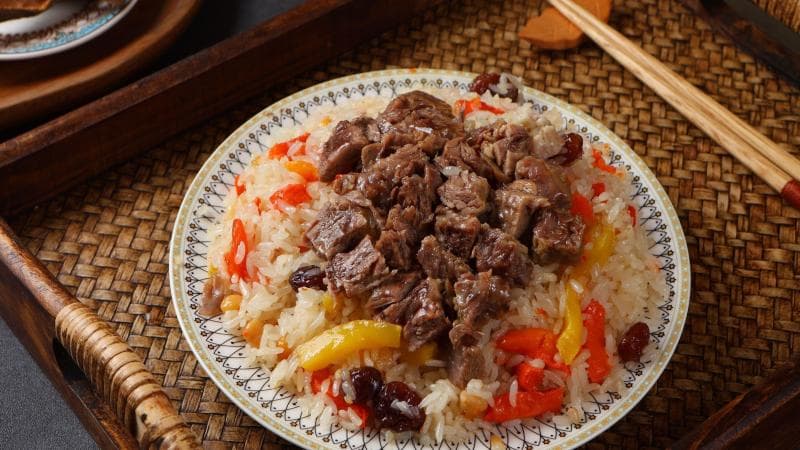
Traveling to Xinjiang soon? Awesome choice! It's a place full of stunning sights and rich cultures. Here are answers to common questions to make your trip smoother and more enjoyable.
What's the best way to get around Xinjiang?
Xinjiang is huge! Flying between major places like Urumqi, Kashgar, and Ili is often the quickest and most comfortable. Comfortable long-distance buses connect many towns if you have more time. Trains, especially the high-speed ones from Urumqi, are great for seeing the scenery. Within cities, taxis and ride-hailing apps (like DiDi) are affordable and handy. For remote places like Kanas Lake, joining a tour or hiring a local driver with a car is usually best.
Will language be a big problem?
You'll manage! In cities and tourist spots, you'll find people who speak some basic English, especially younger folks and those working in hotels or tourism. Signs in airports, major stations, and tourist areas often have English. Many locals speak Mandarin. Knowing a simple "Nǐ hǎo" (Hello) and "Xièxiè" (Thank you) in Mandarin goes a long way. A translation app on your phone is always a good backup for menus or deeper conversations. Don't worry, people are friendly and will try to help!
How safe is Xinjiang for visitors?
Xinjiang is generally very safe for travelers. Serious crime against visitors is rare. It's a vibrant place, especially during the tourist season. Like traveling anywhere, use common sense: keep an eye on your stuff in busy markets or on buses, avoid flashing valuables, and stick to well-lit areas at night. Be aware of the weather—deserts get very cold after dark and mountains can be unpredictable, so always pack layers.
Can I use my credit cards or foreign cash?
Have some Chinese Yuan (RMB) cash ready! While big hotels and some tourist shops in cities might take foreign cards (Visa/Mastercard), many smaller family-run restaurants, local shops, market stalls, and guesthouses still prefer cash or Chinese mobile payments (WeChat Pay/Alipay). ATMs are common in cities for cash withdrawals. It's wise to change some money or use an ATM before heading to more remote areas.
What about food? Any halal or vegetarian options?
Absolutely! Xinjiang is famous for its delicious Uyghur food, which is largely halal and features amazing lamb dishes like kebabs (kawap), polo (rice pilaf), and laghman (hand-pulled noodles). You'll find halal restaurants everywhere. Vegetarians have options too: look for tasty naan breads, vegetable samsas (samosas), tomato egg dishes, fresh noodles with veggies, dumplings, and an incredible variety of fresh and dried fruits (grapes, melons, apricots!). Simply say "wǒ chī sù" (I eat vegetarian) or point—restaurants are used to helping visitors.
Are you interested in this tour?
This tour can be tailored.
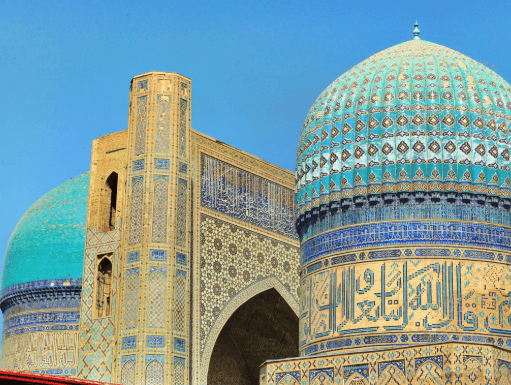
Xinjiang-Alma Ata - Bishkek-Issek Lake-Tashkent-Dushanbe-Panjakent-Samarkand-Chiva-Darvaza-Ashkja
This tour starts from Xinjiang Kashgar and includes 5stan central Asia countries, immerse into the historical silk road heritages and enjoy your self in the pure nature.
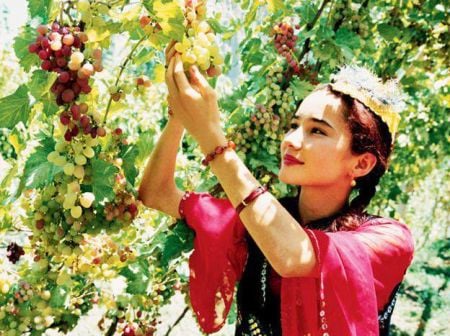
Urumqi-Altay-Turpan-Dunhuang-Jiayuguan-Zhangye-Xining
Explore the ancient Silk Road and breathtaking landscapes of North Xinjiang. Discover stunning natural wonders like Kanas Lake, Zhangye Danxia Park and Qinghai Lake, UNESCO Mogao Grottoes.
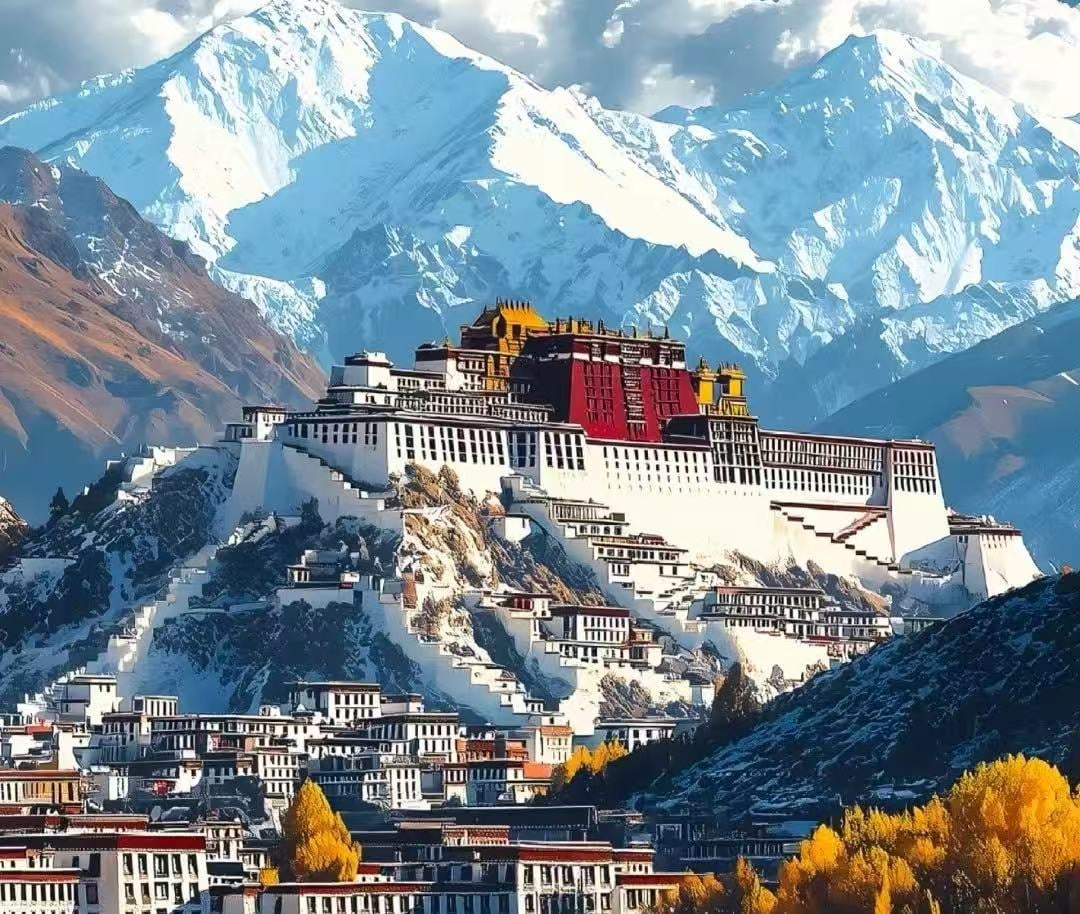
Kashgar-Urumqi-Turpan-Dunhuang-Jiayuguan-Zhangye-Xining-Lhasa-Shigatse
This 23 days China group tour to Xinjiang, Silk road and Tibet includes the most popular scenic spots in China. You can walk along the ancient silk road and feel the charming Kashgar old town, have a great city tour in the center of Xinjiang—Urumqi. Besides you can also enjoy yourself in Dunhuang, Turpan (the famous grapes in China is cultivated here), join us and start a memorable trip now!
Kashgar-Urumqi-Turpan-Kanas-Urho
This 11 days tours covers every famous Xinjiang essential sights. From Altai Mountains to Kashgar, Kanas' jade-green waterways beneath Siberian larch canopies. Hemu Village's wooden cabins draped in alpine mist. Turpan's vine-laced oasis with Flaming Mountain's crimson ridges. Witness surreal rock sculptures in Urho Ghost City, trace the Pamir Highway. Designed for explorers, this journey masterfully interweaves natural wonders with living Silk Road heritage - Uyghur workshops, Tajik eagle dances, and Han Dynasty frontier ruins. Experience China's wild west through its most cinematic landscapes and enduring cultural mosaics. Your Xinjiang checklist starts here.