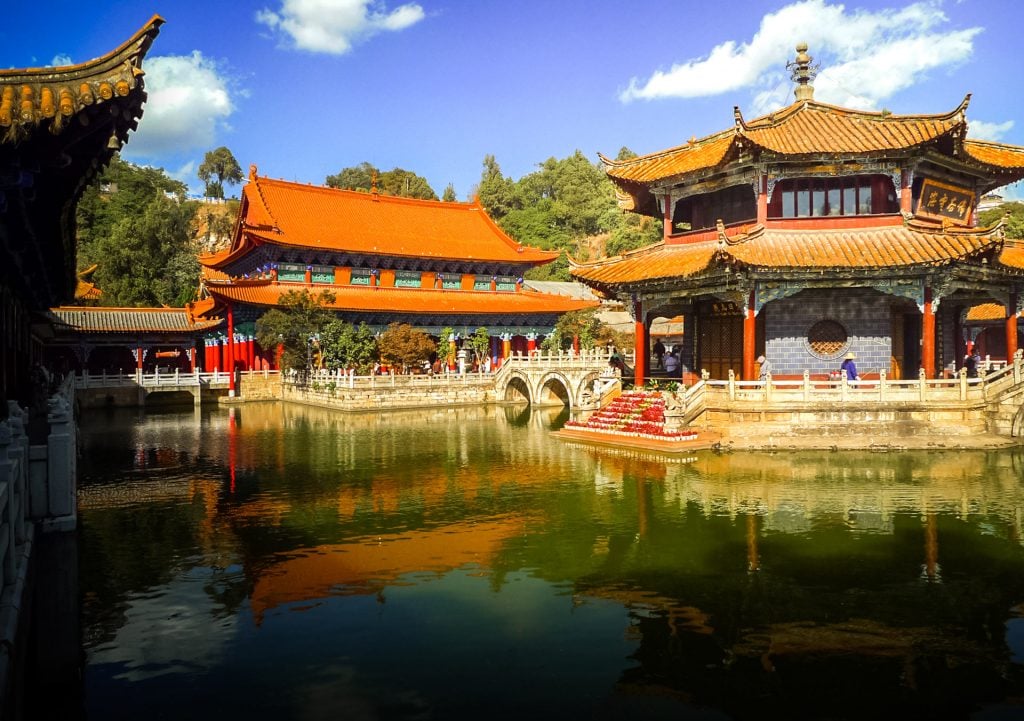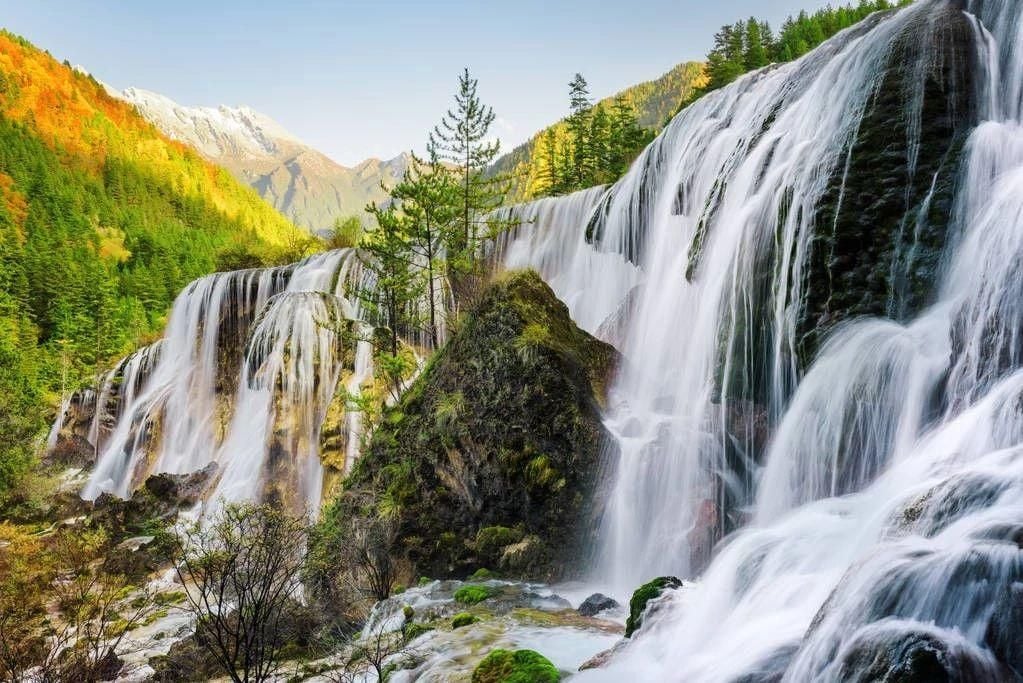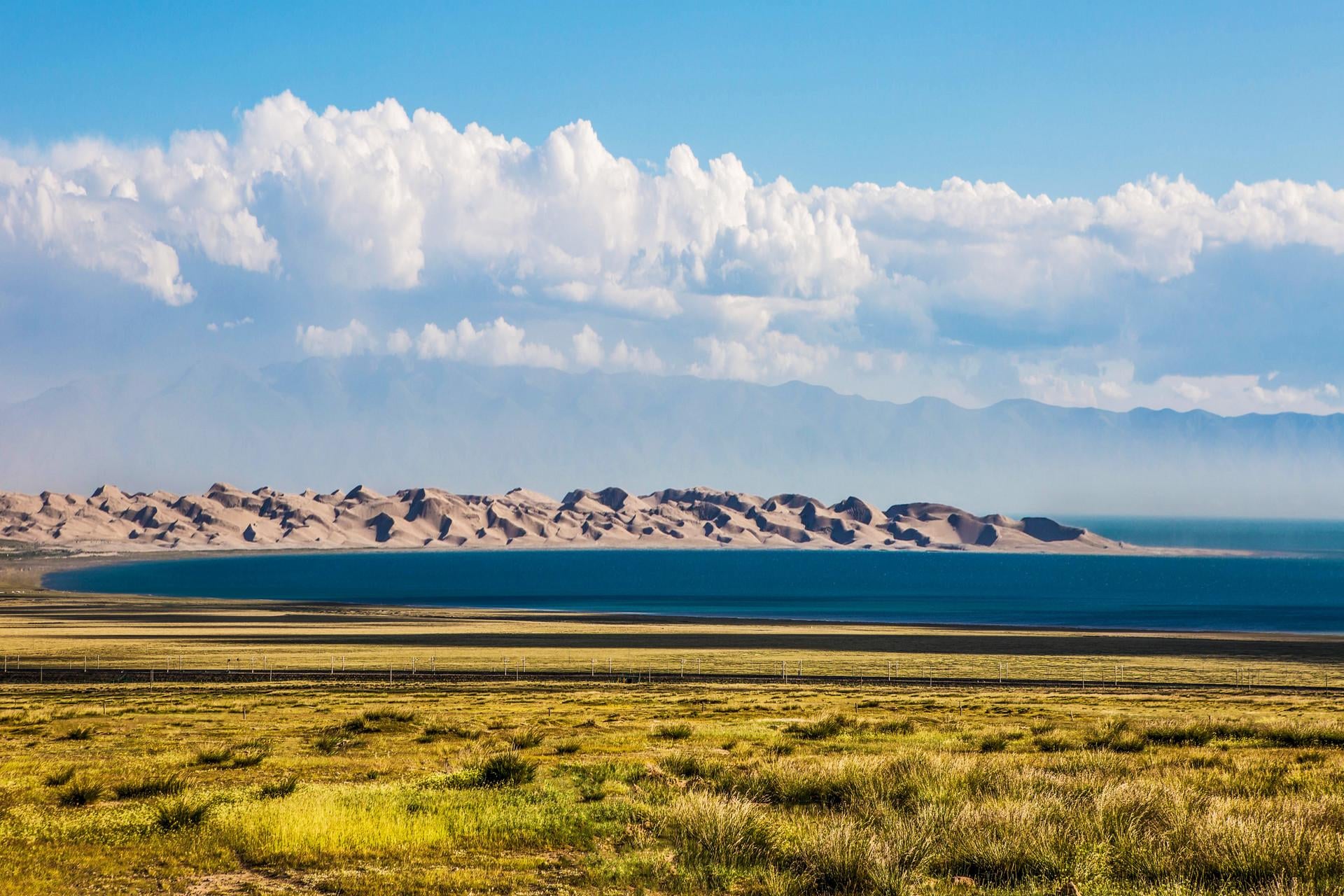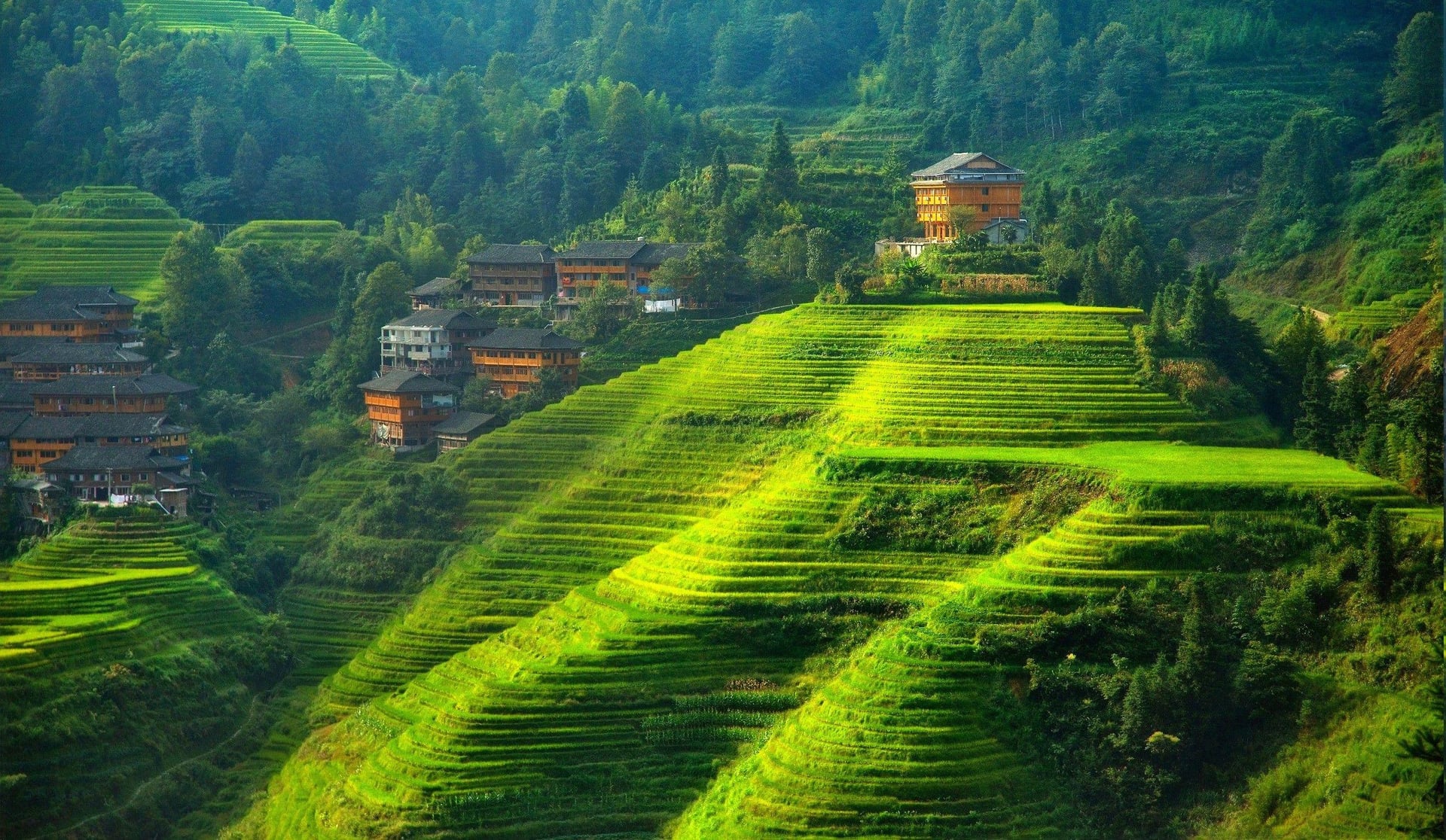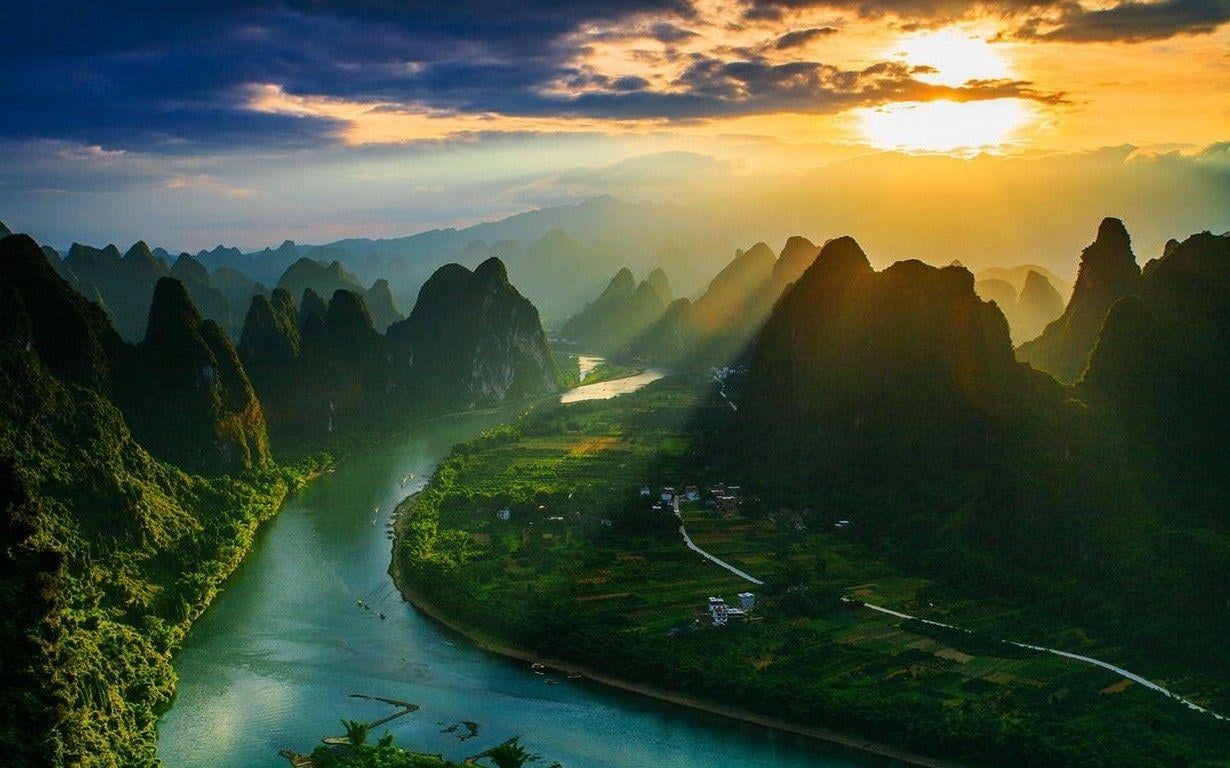
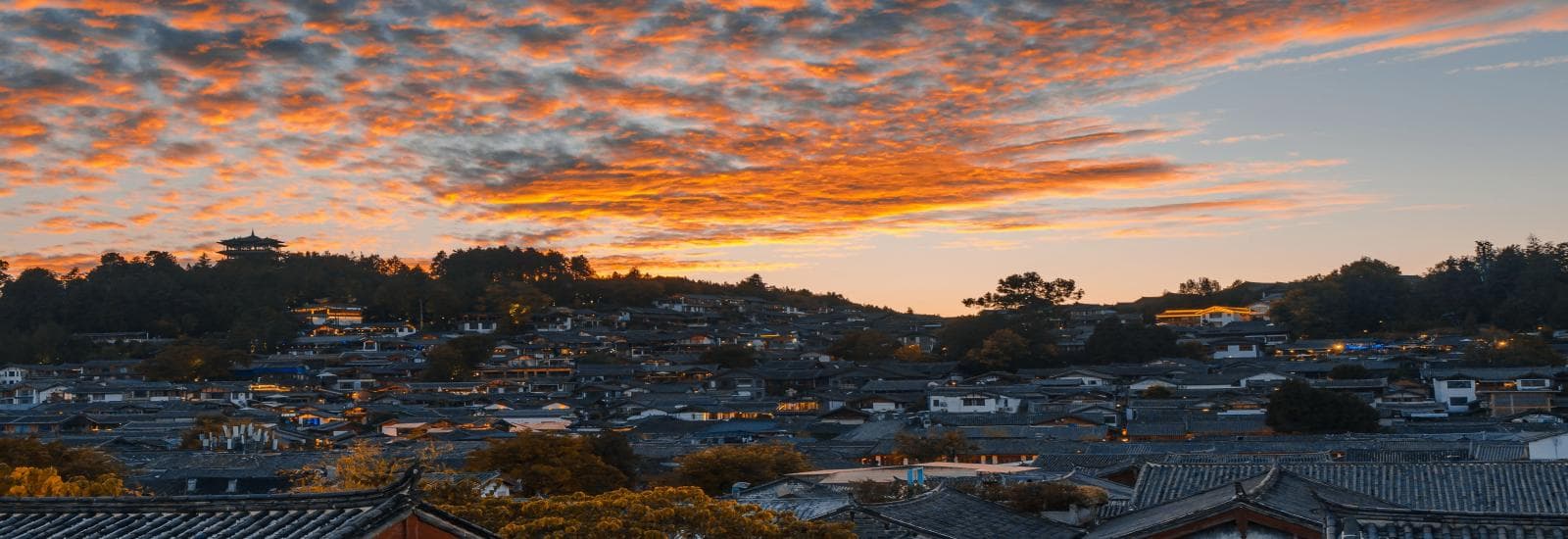
If you're looking for a place that feels like a dream, Yunnan is it! This southwestern gem has everything—snow-capped mountains that touch the sky, golden rice terraces that glow in the sunset, and ancient towns where time seems to stand still. Believe it or not, you can have breakfast in a tropical rainforest, sip tea in a 1,000-year-old old town by lunch, and end your day strolling under starry skies in the Himalayas! Yunnan's magic isn't just in the views—it's in the mix of 25 ethnic groups who've kept their traditions alive. One minute you're dancing with Yi people around a bonfire, the next you're learning to make Tibetan butter tea. And oh, the food! Your taste buds will thank you for crossing paths with wild mushroom hotpot, Dai people's pineapple rice, and the famous "Across the Bridge" noodles. Every corner of Yunnan feels like a postcard come to life, but with way better smells and flavors!
Table of Contents
Yunnan is China's most colorful corner, home to 25 ethnic groups who've kept their traditions alive. One day you're learning to make Tibetan butter tea, the next you're dancing with the Yi people around a bonfire. The rhythm of life here is slower, sweeter—you'll quickly learn that the best moments happen when you slow down, whether it's sipping Pu'er tea in a Lijiang courtyard or watching the sunrise over the Yuanyang rice terraces, where golden steps seem to climb all the way to the clouds.
And oh, the food! Your taste buds are in for a treat. Try the famous "Across the Bridge" noodles, a bowl of broth so rich it comes with its own legend, or dig into a fiery hotpot full of wild mushrooms you've never even heard of. Street markets buzz with flavors—Dai-style pineapple rice, crispy yak cheese, and roses turned into mooncakes (yes, really!).
Nature lovers, get ready. Yunnan has it all: the snow-capped peaks of Meili Mountain, the emerald waters of Lugu Lake, and the stone forests that look like something from another planet. Hike through Tiger Leaping Gorge, where the Yangtze River roars below, or take it easy with a bike ride past the patchwork fields of Dali. Every turn reveals something new—a hidden temple, a field of sunflowers, or a village where time seems to stand still.
The best part? Yunnan is made for exploring at your own pace. Buses and trains connect the major spots, but the real magic happens when you wander off the beaten path. Chat with a Naxi grandmother weaving scarves, join a local market where everything's sold by the handful, or simply sit by a quiet lake and let the mountain air work its magic.
Come with an open heart and leave with a camera full of memories (and maybe a suitcase full of tea!). Yunnan isn't just a place you visit—it's a place that stays with you long after you've left. Pack light, but bring your sense of wonder—you're going to need it.
(1) Water-Splashing Festival
You're about to experience the world's happiest water fight—Yunnan's Water Splashing Festival! Imagine streets filled with laughter, music, and buckets of water flying everywhere. This isn't just a celebration—it's the happiest way to welcome the new year according to Dai tradition, and you're invited to join the fun.
When you arrive, you'll see locals dressed in colorful traditional clothes, dancing to rhythmic drumbeats. Don't be shy—someone will hand you a small silver bowl or a water gun, and before you know it, you'll be part of the action. Water is everywhere: gently sprinkled on elders' hands as a blessing, or playfully splashed between friends. The rule is simple—if you're there, you're fair game!
Temples host ceremonies where Buddha statues are "bathed" with scented water, while the streets turn into a giant playground. Kids giggle as they sneak up with water balloons, vendors sell tropical fruits to keep your energy up, and every splash feels like a cool hug in the April heat.
Just remember: wear quick-dry clothes (you'll be drenched!), leave your phone in a waterproof bag, and bring a big smile. Whether you're dancing in the crowd or dodging a surprise splash, this day of pure, soaking-wet joy will be one of your brightest travel memories.

(2) Torch Festival
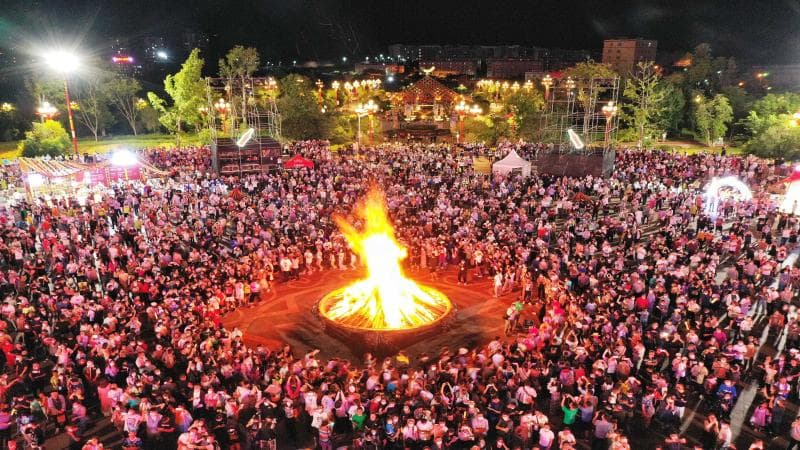
Get ready to light up the night at Yunnan's spectacular Torch Festival! As dusk falls across the mountains, you'll witness entire villages come alive with dancing flames—this is the Yi people's most important celebration, and you're invited to be part of the glowing tradition.
When you arrive, the air buzzes with anticipation. Friendly locals in vibrant traditional dress greet you with sweet rice wine—take a sip to show your respect. As darkness blankets the hills, the magic truly begins. Someone presses a handmade pine torch into your palm, its resin crackling with energy. Suddenly, you're swept into a whirling dance circle, moving to hypnotic drumbeats and the haunting melodies of lusheng pipes.
The most breathtaking moment comes when thousands of torches rise together, transforming the night into a shimmering golden ocean. You'll join the glowing procession through fields, the flames symbolizing purification and good harvests. Don't be surprised if locals gently tap your feet with their torches—it's their way of sharing blessings! Children laugh while jumping small bonfires, their faces glowing in the firelight as elders share stories of ancient traditions.
For the full experience, try baking buckwheat cakes over the embers or learning a few steps of the traditional dance. Yes, your clothes might carry that campfire smell afterwards—consider it your authentic souvenir. As the last sparks fade into the starry sky, you'll understand why the Yi people say: "The fire may die down, but its light stays forever in our hearts".
Spring (March-May) paints Yunnan in pastel colors. You'll walk through Dali's cherry blossom lanes, watch terraced fields in Yuanyang turn into mirror-like pools, and join the wild Water Splashing Festival in Xishuangbanna—where laughter and water fly everywhere! Pack a light jacket for cool mornings but don't forget your sunglasses—the spring sun here shines bright.
Summer (June-August) is wild mushroom season! Markets overflow with strange-shaped fungi that chefs transform into fragrant soups and stir-fries. Escape the heat in Lijiang's ancient stone streets or Kunming's eternal spring weather. Head to the cooler Tibetan plateau areas like Shangri-La, where yellow rapeseed flowers blanket valleys and horse festivals bring nomadic traditions to life.
Autumn (September-November) turns Yunnan into a golden wonderland. You'll hike through tiger-leaping Gorge under crisp blue skies, photograph the surreal red land of Dongchuan, and taste mooncakes during the Mid-Autumn Festival. This is prime time for cycling around Erhai Lake—the air smells like ripe persimmons and farmers drying chili peppers.
Winter (December-February) offers warm escapes. Xishuangbanna's tropical gardens stay lush while snow decorates Jade Dragon Mountain. You'll soak in volcanic hot springs in Tengchong, watch cranes dance at Caohai Lake, and celebrate with ethnic minorities during their New Year festivities—think bonfires, homemade rice wine, and whole villages singing together.
No matter when you come, start your days early to see mist rising over rice terraces or monks making morning temple rounds. Some of your best memories might be simple moments—sipping Pu'er tea in a sunny courtyard, learning to make cheese with Tibetan herders, or just breathing that fresh mountain air. Yunnan doesn't just show you scenery—it lets you live inside postcards!
Visa & Entry
Most travelers need a visa for China, but if you're stopping over, check if you qualify for the 144-hour visa-free transit—perfect for a quick Yunnan visit! Keep your passport with you—you'll need it for hotels and train tickets.
Transportation
Yunnan's landscapes are stunning, but distances can be long. Trains connect major cities like Kunming, Dali, and Lijiang comfortably. For remote areas like Shangri-La or Yuanyang, buses or private cars work best. In cities, ride-hailing apps (Didi) are handy—just have your hotel's address in Chinese ready.
Money Matters
Cash still works in small towns, but Alipay/WeChat Pay rule here. Set one up before your trip—even street vendors use them! ATMs are easy to find in cities, but stock up on cash if heading to rural areas.
Language Help
In tourist spots, you'll find some English speakers, but learning a few Mandarin phrases goes a long way. "Nǐ hǎo" (Hello) and "Duōshǎo qián?" (How much?) will make locals smile. Download a translation app—menus and signs aren’t always in English.
Packing Smart
Yunnan's weather changes fast—pack layers! Mornings can be chilly even in summer, while winter nights get cold. Essentials to bring:
- Comfy shoes (you'll walk cobblestone streets and hike terraces)
- Sun protection (high altitude = strong sun!)
- A reusable water bottle (many guesthouses offer free hot water)
- Your passport (you'll need it for train tickets and hotels)
(1) Lijiang
Imagine waking up to the sound of water trickling through ancient stone canals, with snow-capped mountains painting the horizon. This is Lijiang—a place where time moves slower, and every corner tells a story.
As you wander through the Old Town's maze of cobblestone streets, you'll pass wooden houses decorated with red lanterns, small bridges arching over clear streams, and local artisans crafting silver jewelry. Don't worry about getting lost—that's part of the fun! Stop by a cozy teahouse, sip some fragrant Pu'er tea, and watch daily life unfold around you.
Just outside town, Jade Dragon Snow Mountain waits to take your breath away—literally! The cable car ride up to Glacier Park offers views so stunning you'll forget about the thin air. Back down in Blue Moon Valley, the turquoise pools mirror the mountain so perfectly it looks like heaven on earth.
When night falls, the town transforms. Soft lights glow from paper lanterns as Naxi musicians play ancient melodies on century-old instruments. Join the friendly locals dancing in Sifang Square, or find a quiet rooftop to gaze at stars brighter than you've ever seen.
Lijiang stays with you long after you leave—in the memory of morning mist over tiled rooftops, in the sound of water wheels turning slowly, in the kindness of Naxi grandmothers smiling as you pass. Come with an open heart, and let this ancient town work its magic on you.

(2) Dali
Picture yourself in a place where ancient stone streets meet sparkling blue waters, where snow-capped mountains watch over peaceful villages, and where every sunset paints the sky in colors you've never seen before. Welcome to Dali, a town that feels like stepping into a beautiful painting.
As you wander through Dali's Old Town, you'll pass white-walled houses with dark blue tile roofs, their wooden doors open to reveal cozy cafes and small shops selling handmade tie-dyed fabrics. The locals move at a relaxed pace—join them for a cup of fragrant tea at a streetside stall, or browse through the morning market where farmers sell fresh flowers, wild mushrooms, and fruits you've never tasted before.
Just a short walk from town, Erhai Lake stretches out like a giant mirror, reflecting the clouds above. Rent a bicycle and ride along the shore, passing through small fishing villages where cormorant birds dive for fish. If you're lucky, you might see local fishermen using age-old methods to catch their dinner. For the best views, take a boat to one of the lake's tiny islands—the water is so clear you can see fish swimming below.
Don't miss the Three Pagodas, standing tall against the backdrop of Cangshan Mountain. These golden-spired towers have watched over Dali for over 1,000 years. As you walk through the temple grounds, listen for the soft chime of wind bells—locals believe the sound brings good luck.
When night falls, Dali's streets come alive with music. Follow the sound of guitars to find small bars where travelers from around the world share stories over local beer. Or find a quiet spot by the lake to watch the stars appear one by one—they shine brighter here than in any city.
Dali has a way of slowing time down, of helping you notice the small beauties—the way morning mist curls over the lake, the sound of wind through bamboo groves, the warmth of sunlight on ancient stone walls. Come with an open heart, and you'll leave with memories that stay bright long after you've gone home.

(3) Shangri-La
Get ready to stand in a place where the sky feels close enough to touch, where prayer flags flutter in the crisp mountain air, and where snow-capped peaks watch over peaceful valleys. Welcome to Shangri-La, a hidden gem in Yunnan that feels like a dream come to life.
As you explore this high-altitude paradise, you'll find yourself surrounded by breathtaking landscapes. Picture vast grasslands dotted with grazing yaks, crystal-clear lakes reflecting the clouds, and ancient monasteries perched on hillsides. The air here is fresh and cool, filled with the scent of pine trees and the distant sound of monks chanting.
Start your tour in the Old Town, where narrow cobblestone streets wind past traditional Tibetan houses. Look up at the giant prayer wheel at the center of town—join the locals in giving it a spin and sending your wishes into the world. The colorful buildings, decorated with intricate wood carvings and bright paintings, make every corner perfect for photos.
No visit to Shangri-La is complete without seeing the stunning Songzanlin Monastery. As you walk up the steps to this "Little Potala Palace", you'll see monks in red robes going about their daily rituals. The golden roofs shine in the sunlight, and the quiet hum of prayers creates a peaceful atmosphere that stays with you long after you leave.
For nature lovers, Pudacuo National Park is a must-visit. Walk along wooden boardwalks through forests and past mirror-like lakes where the mountains reflect perfectly on calm days. If you're lucky, you might spot rare birds or even a shy deer among the trees.
When the sun begins to set, find a cozy teahouse to warm up with a cup of salty butter tea—a local specialty that might surprise your taste buds at first, but quickly becomes comforting. As night falls, the sky fills with more stars than you've probably ever seen. The air is so clear here that the Milky Way often shines bright enough to take your breath away.
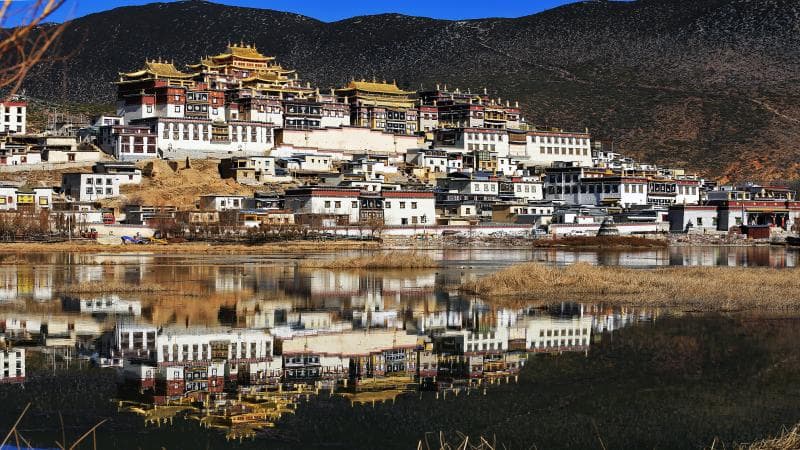
(4) Xishuangbanna
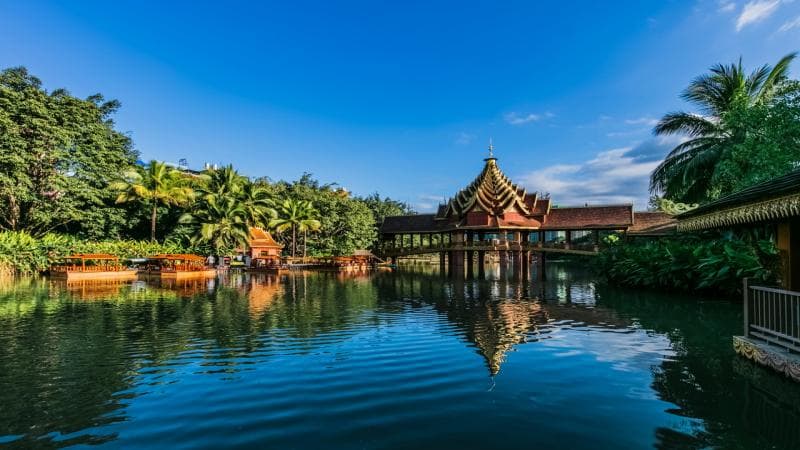
Welcome to Xishuangbanna, a tropical paradise in southern China where the air is filled with the scent of flowers and the sounds of nature. Here, you'll find lush rainforests, colorful ethnic cultures, and a slower pace of life that invites you to relax and explore.
As you wander through the region, you'll be amazed by the towering palm trees, vibrant orchids, and the occasional elephant sighting—yes, this is one of the few places in China where you can see these gentle giants in the wild! Take a stroll through the Menglun Tropical Botanical Garden, where thousands of plant species thrive, or visit one of the local Dai villages to experience their warm hospitality and unique bamboo houses.
Don't miss the chance to try the local flavors—tangy pineapple rice, fragrant grilled fish wrapped in banana leaves, and the famous Pu'er tea, grown right here in the surrounding hills. If you're here during April, join the thrilling Water-Splashing Festival, where laughter and joy fill the streets as everyone celebrates with music, dance, and, of course, lots of water!
At night, the Jinghong Night Market comes alive with twinkling lights and the aroma of grilled snacks. Browse handmade crafts, sip fresh coconut water, and soak in the lively atmosphere. Whether you're cruising along the Mekong River, trekking through the jungle, or simply lounging in a hammock with a tropical breeze, Xishuangbanna will leave you with memories as warm as its sunshine.
So pack your lightest clothes, grab your camera, and get ready for an adventure that feels like a mini escape to Southeast Asia—without ever leaving China!
(5) Stone Forest
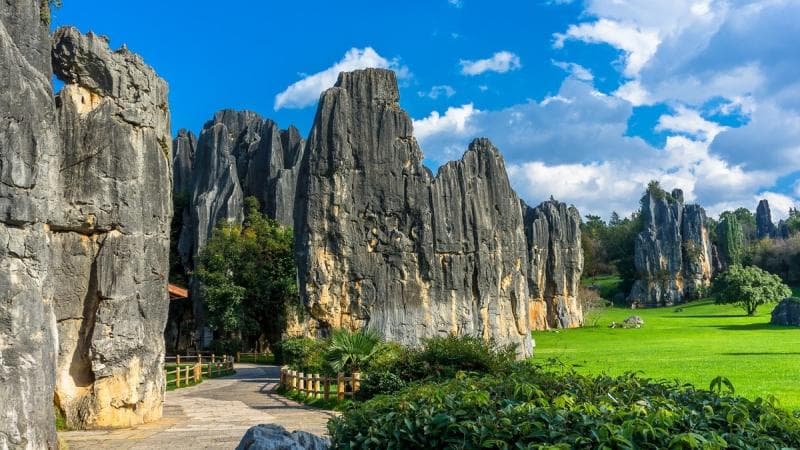
Do you know the Stone Forest, one of Yunnan's most magical landscapes! Imagine walking through a vast maze of towering limestone pillars, shaped by nature over millions of years. Some rocks look like ancient trees, others like wild animals or even mythical figures—let your imagination run free as you explore this natural wonder.
As you wander along the winding paths, you'll see how the sunlight dances between the stones, creating ever-changing shadows. The local Yi people call this place "Shilin", and they'll tell you legends of how these rocks came to be—some say it's a petrified forest, others believe it's the work of giants. Stop by the Ashima Rock, the most famous formation, named after a beloved folk heroine.
The Stone Forest isn't just about rocks—colorful flowers and small streams weave through the gaps, adding life to the stone maze. If you visit during the Torch Festival (usually in July or August), you might catch the Yi people's lively celebrations with dancing, singing, and blazing torches lighting up the night.
Wear comfortable shoes, bring some water, and take your time—this is a place to wander, take photos, and marvel at nature's artistry. Whether you're climbing up to a viewpoint for a breathtaking panorama or simply enjoying the quiet beauty of the smaller grottoes, the Stone Forest will leave you amazed at how wild and wonderful our planet can be. So come and lose yourself in this geological masterpiece—just don't forget your camera!
(6) Tiger Leaping Gorge
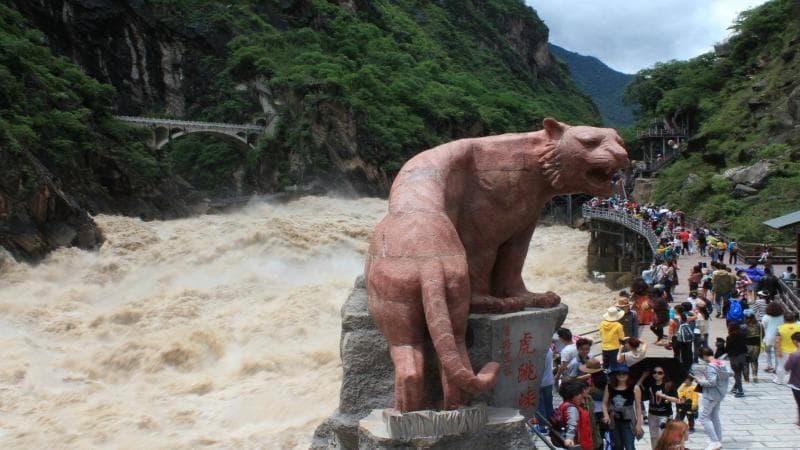
Get ready for an unforgettable adventure at Tiger Leaping Gorge, where the mighty Yangtze River thunders through one of the deepest canyons in the world! As you stand on the edge, you'll feel the mist on your face and hear the roar of the river crashing between towering cliffs—it's nature at its most powerful.
The gorge gets its name from an old legend: a hunted tiger once leaped across the narrowest point to escape, and today, you can visit the famous "Tiger Leaping Rock" where the jump supposedly happened. Whether you believe the tale or not, the sight of the river squeezing through the steep cliffs is truly awe-inspiring.
If you love hiking, this is the place for you. The high trail takes you along winding paths with jaw-dropping views of snow-capped mountains, terraced fields, and the raging river far below. Every turn reveals a new perspective—sometimes peaceful, sometimes wild. Local guesthouses along the way offer simple meals and a chance to rest, so you can take your time and soak in the beauty.
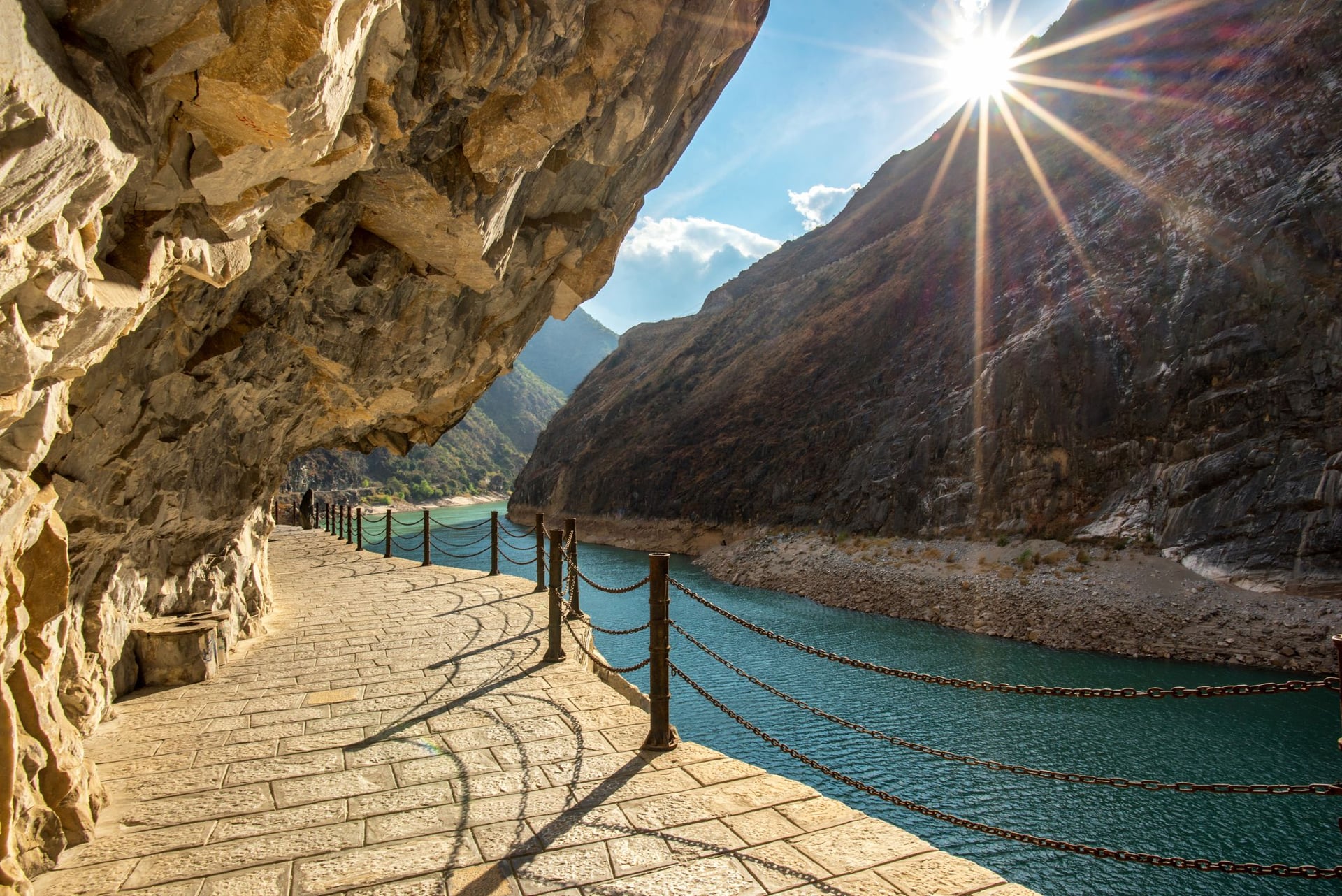
For those who prefer a quicker visit, the lower road brings you right to the river's edge, where wooden walkways let you get close to the rushing water. Feel the ground tremble as the waves smash against the rocks—it's an experience you won't forget!
Whether you're an avid trekker or just want to witness nature's raw power, Tiger Leaping Gorge will leave you breathless (in more ways than one). Just hold on to your hat—the wind here has a mind of its own!
(1) Cross-Bridge Rice Noodles
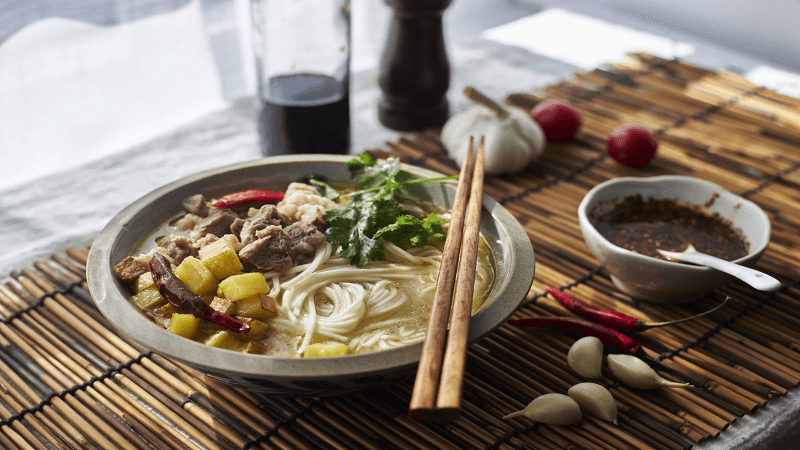
Let me introduce you to one of Yunnan's greatest culinary treasures—the famous Cross-Bridge Rice Noodles! Picture this: a piping hot bowl of golden chicken broth arrives at your table, so fresh it's still bubbling. Around it, little plates of thinly sliced meats, fresh vegetables, and silky rice noodles wait to be added.
The magic begins when you start building your own bowl. First, drop in the raw meats—they'll cook instantly in the steaming broth. Then come the vegetables, mushrooms, and finally those smooth rice noodles that slurp up all the delicious flavors. There's something wonderfully satisfying about creating your perfect bowl, bite by bite.
Don't forget to try the traditional way of eating it—locals often add quail eggs, pickled vegetables, and a dash of chili oil for extra kick. The first sip of that rich, aromatic broth will warm you from the inside out. It's no wonder this dish has been loved for centuries—legend says it was invented by a wife who needed a way to keep her scholar husband's meals hot while he studied on a distant bridge!
Whether you're grabbing a quick bowl at a street stall or enjoying the full experience at a proper restaurant, Cross-Bridge Rice Noodles are more than just a meal—they're a taste of Yunnan's history and hospitality. Just be careful—that broth stays deceptively hot long after it stops bubbling!
(2) Wild Mushrooms
Get ready to discover one of Yunnan's most delicious secrets—wild mushrooms! From June to October, the forests come alive with hundreds of edible fungi varieties, each with its own unique flavor and texture. You'll find everything from meaty porcini to delicate chicken-of-the-woods mushrooms that actually taste like chicken!
The local markets become mushroom wonderlands during season—baskets overflow with strange shapes and colors you've never seen before. Some look like coral, others like tiny umbrellas, and a few even glow in the dark! But don't worry, the vendors know exactly which ones are safe to eat. The most prized is the fragrant matsutake, so valuable it's sometimes called "white gold".
In Yunnan's restaurants, chefs transform these forest treasures into incredible dishes. Try them stir-fried with garlic, simmered in hearty soups, or simply grilled to bring out their natural flavors. That first bite of a properly cooked wild mushroom will make you understand why locals wait all year for mushroom season!
Just remember the golden rule—never pick or eat wild mushrooms without an expert! Yunnan folks take mushroom safety seriously, with hospitals even setting up special treatment centers during peak season. Stick to trusted restaurants and markets, and you're in for one of the most memorable culinary adventures of your life. That earthy, umami-rich taste will have you dreaming of Yunnan long after your tour ends!

How do I get to popular places like Dali or Shangri-La?
Yunnan's scenic spots are well-connected but spread out. Comfortable overnight trains run from Kunming to Dali (about 2 hours) and Lijiang (3-4 hours). For Shangri-La or Yuanyang, buses or private cars are better—the mountain roads offer stunning views but take longer. Many hostels arrange shared vans too!
Will language be a problem?
In cities and tourist areas, younger locals and hotel staff often speak basic English. In rural villages, communication gets more creative—smiles and hand gestures work wonders! Learn a few Mandarin phrases like "Hǎo chī" (Delicious!) for markets, and download offline translation apps.
Is Yunnan safe for solo travelers?
Very! Violent crime is rare, and locals are famously friendly. Normal precautions apply: watch your bag in crowded night markets, avoid unmarked taxis, and trek with guides in remote areas. Many hostels have "travel buddy" boards to connect with fellow explorers.
What about money and payments?
Alipay/WeChat Pay dominate, but cash (RMB) still works, especially in small towns. ATMs are everywhere in cities—withdraw extra before heading to rural areas. Few places accept foreign cards, so bring enough cash as backup.
Any food restrictions I should know about?
Yunnan caters to all diets! Muslim communities in Kunming and Dali offer halal options (look for signs with Arabic script). Vegetarians will love wild mushroom hotpots and Dai people's pineapple rice—just say "Wǒ chī sù" (I eat vegetarian). Buddhist temples often serve meat-free meals too.
Are you interested in this tour?
This tour can be tailored.