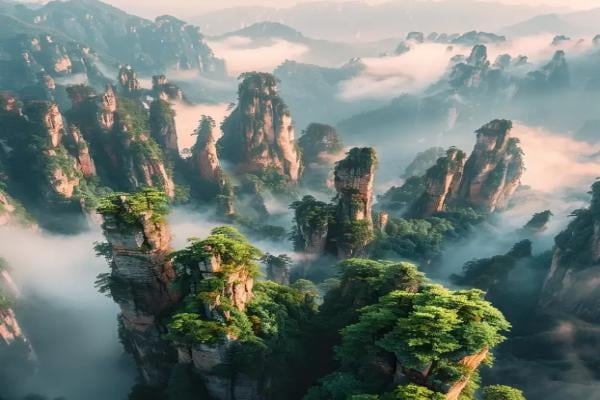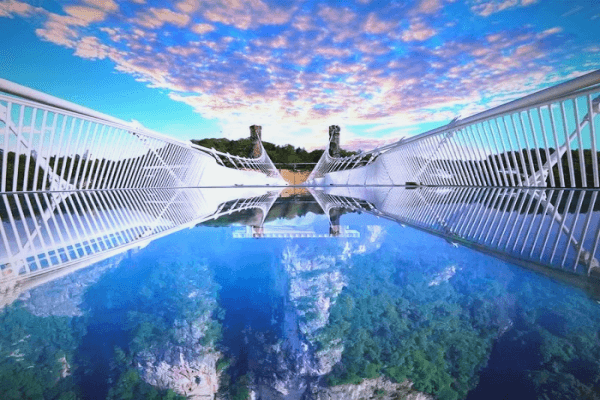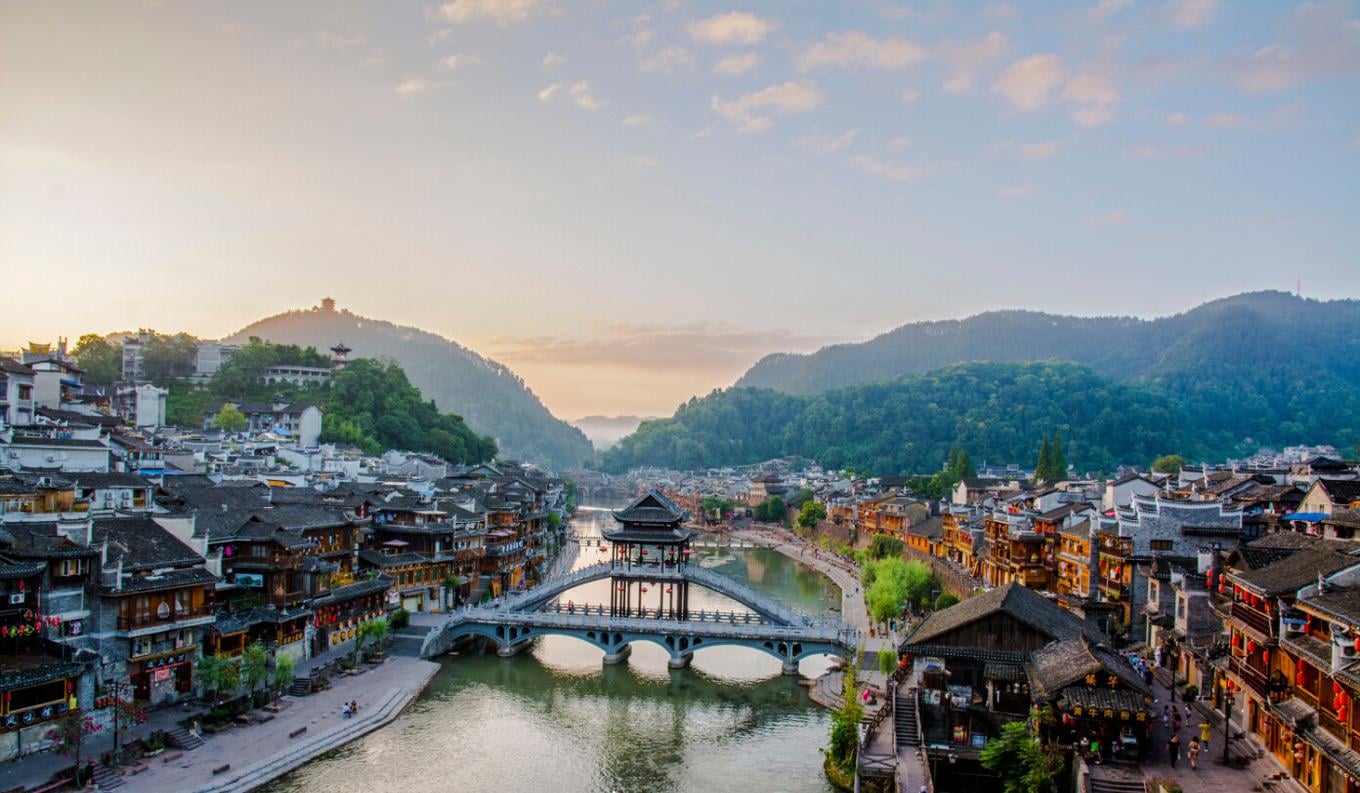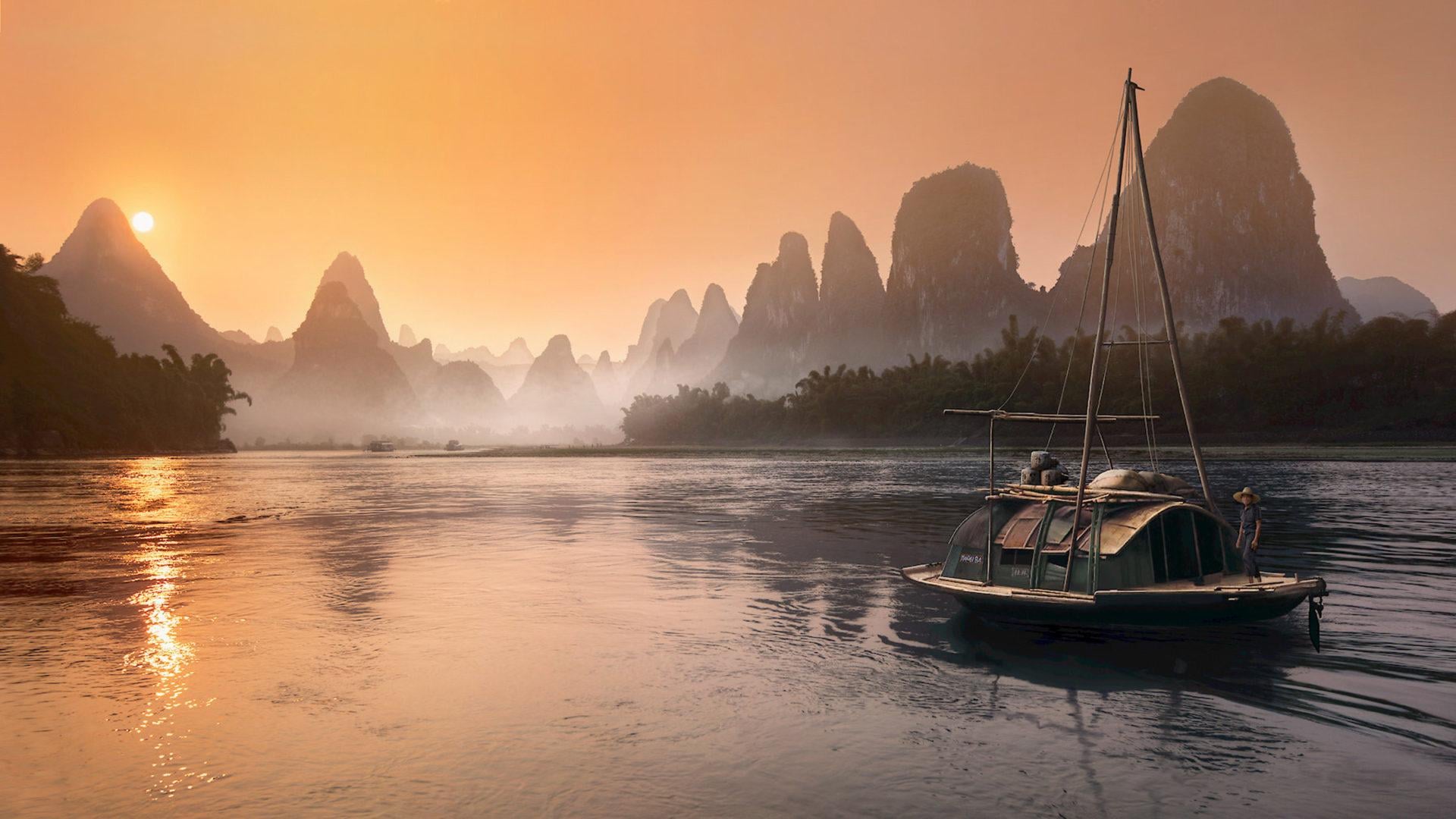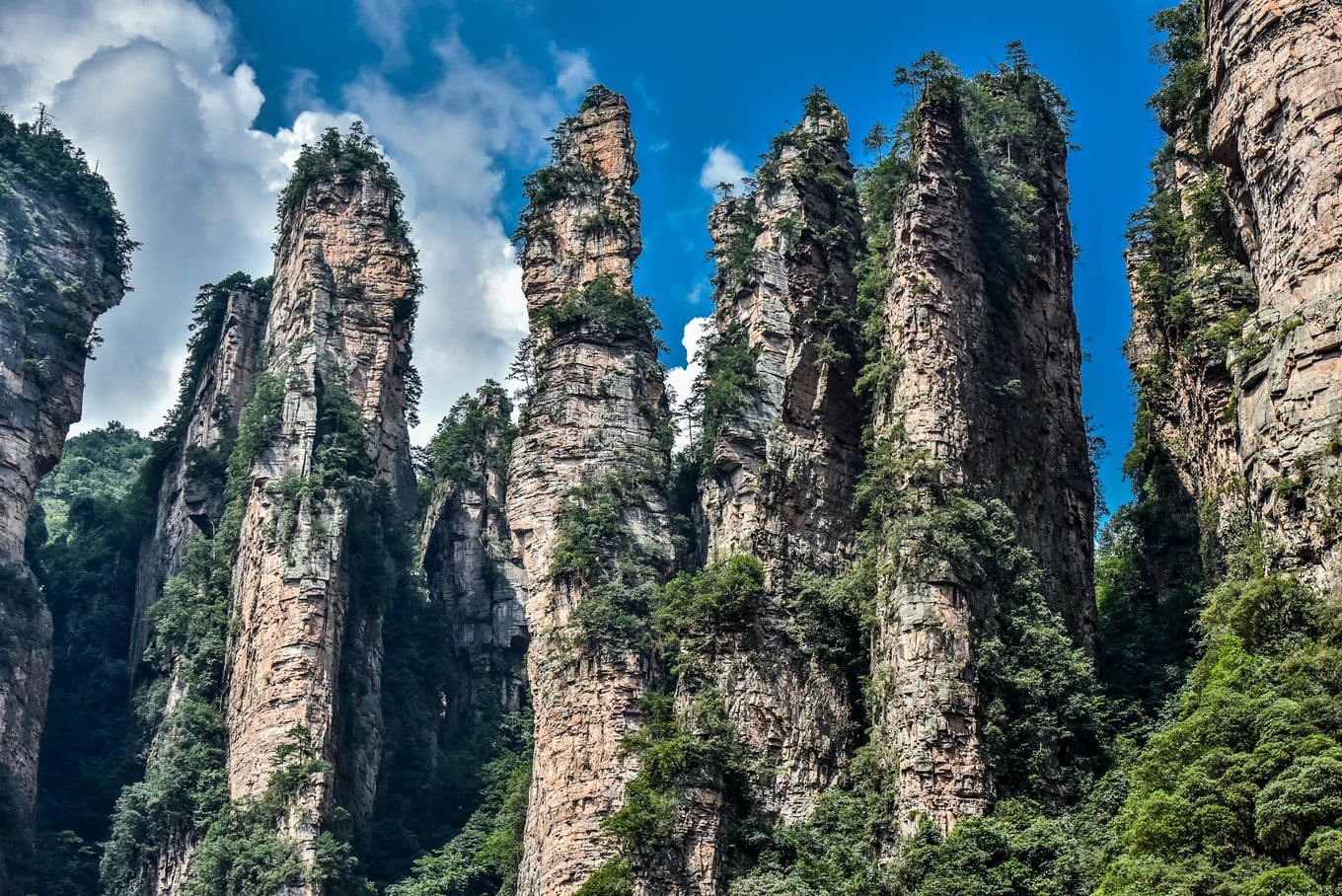
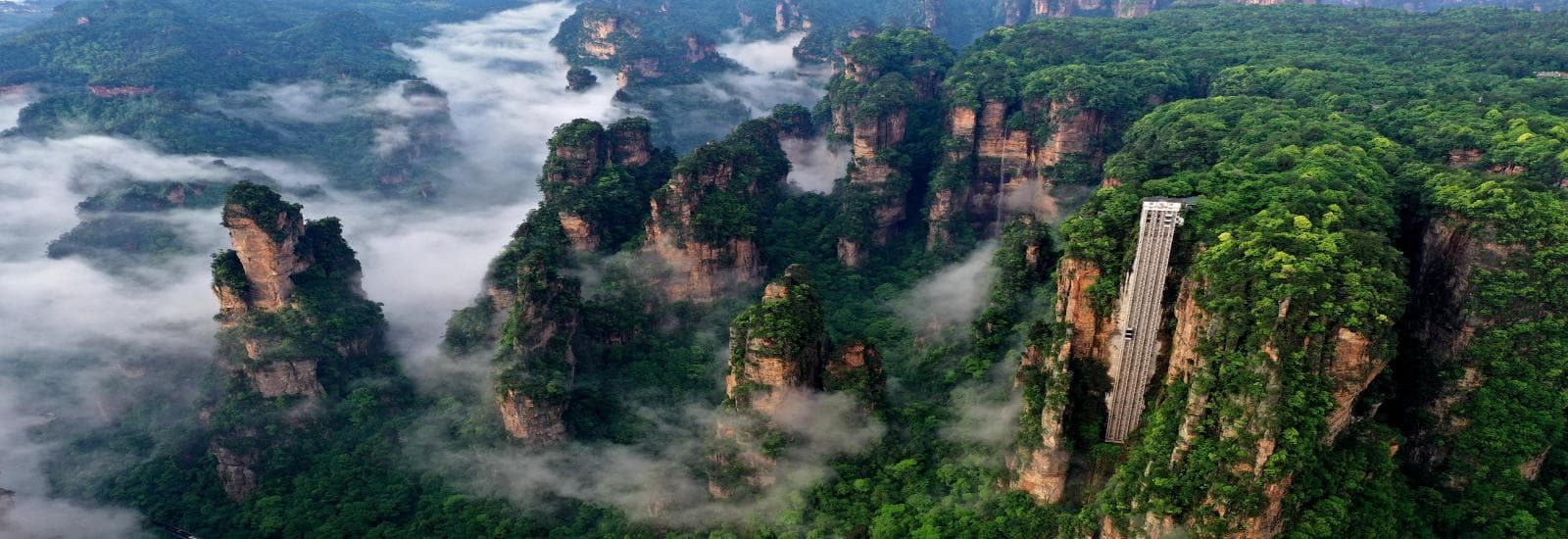
Forget everything you know about mountains—Zhangjiajie rewrites the rules. These aren't just peaks; they're 3,000 stone skyscrapers punching through clouds like nature's own cityscape. Local legend says the floating "Avatar" mountains inspired Hollywood, but no CGI can match seeing these quartzite giants up close, especially when morning mist turns them into islands in the sky. Ride glass elevators up cliffs, walk spine-tingling glass walkways with nothing but air beneath your feet, or chase waterfalls through primeval forests where macaques play. Down in the valleys, Tujia minority villages serve spicy river fish stews that'll make you sweat happily. Fun fact? These 380-million-year-old rock formations change personality with the weather—moody in rain, mystical in fog, downright showstopping in sunshine. One visit, and you'll start believing in magic again.
Table of Contents
Here, nature defies imagination—towering sandstone pillars pierce the clouds like ancient sentinels, their jagged peaks draped in mist and mystery. This is a land where waterfalls tumble into emerald pools, where narrow cliffside paths lead to heart-stopping views, and every turn reveals a scene so surreal, you'll question reality.
By day, wander through Avatar's floating mountains, their silhouettes cutting sharp against the sky. By night, listen to the whispers of the forest, where fireflies dance and the wind hums through the valleys. Taste the spice of Tujia cuisine, feel the thrill of glass-bottomed bridges over dizzying drops, and let the wild, untamed beauty of this place sink deep into your bones. Zhangjiajie doesn't just show you nature—it immerses you in it. Come for the peaks, stay for the magic that lingers long after you've left the clouds behind.
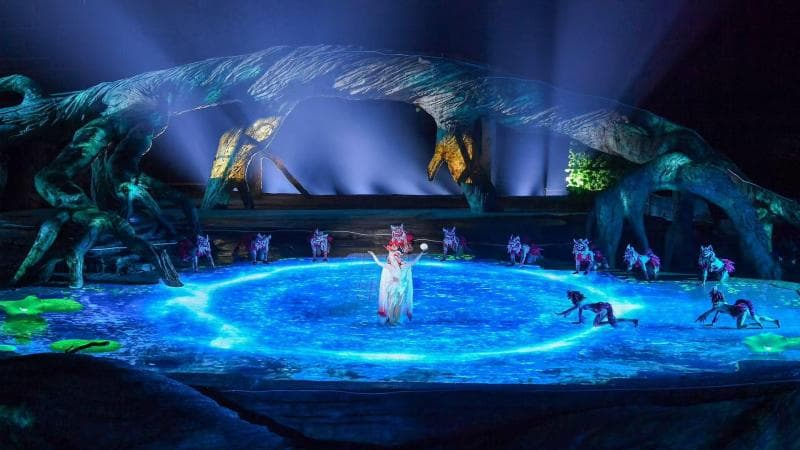
(1) "Tianmen Fox Fairy" Musical
As dusk falls over Zhangjiajie, you find yourself sitting under the stars with the majestic Tianmen Mountain as your backdrop. The night air is cool, the stage is set between real cliffs and forests, and suddenly—magic begins. This is Tianmen Fox Fairy, China's most breathtaking outdoor musical that will sweep you into a world of ancient legends.
The story unfolds like a beautiful dream—a forbidden love between a fox spirit and a humble woodcutter. As professional dancers float across the stage in stunning costumes, you'll gasp when the mountain itself seems to come alive with dazzling lights and special effects. Watch in awe as waterfalls appear from nowhere, bridges magically form over rivers, and the entire mountainside transforms with colorful projections.
What makes this show truly special is how it blends human artistry with nature's grandeur. Real rain falls during emotional scenes, actual flames dance across the stage, and at one magical moment, hundreds of glowing lanterns rise into the night sky. The music—a mix of traditional Chinese instruments and modern orchestration—will give you chills as it echoes off the mountain walls.
(2) Tujia Culture Experience
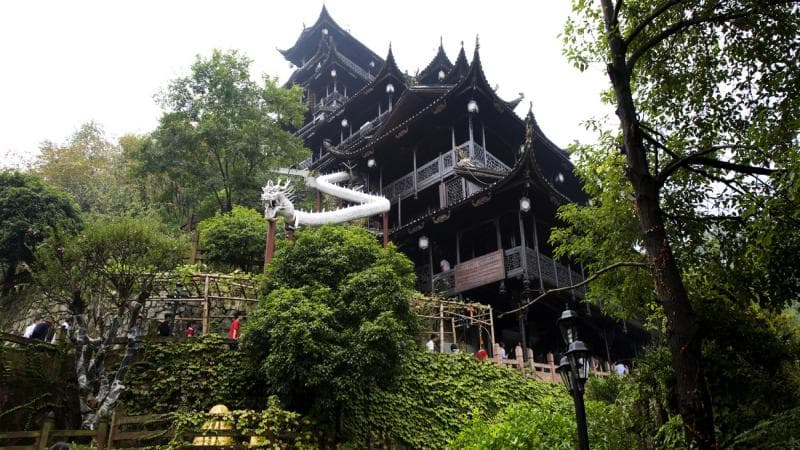
Step into a world where ancient traditions come alive at the Tujia Folk Customs Park. This isn't just a museum—it's a vibrant celebration of the Tujia people's rich heritage, where every corner invites you to join in, learn, and even dance along.
Start by exploring the traditional stilt houses, their wooden frames towering over you. Walk inside and you'll see how generations of Tujia families lived—simple, cozy, and full of character. The intricate carvings on doors and windows tell stories of nature, love, and daily life.
Then, the real fun begins. Local performers, dressed in bright embroidered costumes, burst into lively dances and songs. The hand-waving dance is a must-see—it's energetic, rhythmic, and so infectious you might find yourself clapping or even trying a few steps. Don't be shy if they pull you into the circle; it's all part of the warm Tujia hospitality!
Hungry? Stop by the food stalls for a taste of Tujia cuisine. Try the smoky, spicy flavors of la rou (cured pork) or the chewy, satisfying ciba (glutinous rice cakes). Wash it down with a cup of oil tea, a unique salty-sweet brew that's a Tujia specialty.
Before you leave, browse the handicraft stalls. Watch artisans weave bamboo baskets, stitch colorful embroideries, or carve wooden trinkets right before your eyes. Pick up a small souvenir—maybe a hand-painted fan or a silver bracelet—to take a piece of Tujia culture home with you.
3. Best Time to Visit Zhangjiajie
Spring (March-May) brings the mountains to life with fresh greenery and misty clouds drifting between the towering peaks. This is when you'll see the famous "sea of clouds" phenomenon at Tianzi Mountain, with the sandstone pillars rising like islands from a white ocean. The temperatures are perfect for hiking, and the waterfalls are at their fullest after the spring rains. Pack a light jacket for the cooler mornings, and don't miss the blooming wildflowers in the valleys.
Summer (June-August) is peak season, when the forests are lush and green. While it can get warm during the day, the mountain trails stay pleasantly cool under the shade of ancient trees. Early mornings are magical—beat the crowds to walk the glass bridge at sunrise or take the first cable car up to Yuanjiajie (the "Avatar Mountains"). Afternoons might bring refreshing mountain showers, so carry a raincoat. At night, the ethnic Tujia villages come alive with bonfire performances and traditional dances.
Autumn (September-November) paints the landscape in golden hues, with clear blue skies perfect for photography. This is the best time for serious hikers—the air is crisp, the views are unobstructed, and the trails are less crowded. The maple trees add splashes of red to the evergreen forests, especially in the Golden Whip Valley. Local farmers' markets overflow with fresh persimmons, chestnuts, and other autumn harvests—perfect snacks for your hikes.
Winter (December-February) transforms Zhangjiajie into a quiet wonderland. While some higher trails may close due to ice, the main sights remain accessible, and you'll often have the famous viewpoints all to yourself. The snow-dusted peaks against the red sandstone create breathtaking contrasts, and the frozen waterfalls are spectacular. Hotel rates drop significantly, and the local hot pot restaurants become extra inviting after a day in the chilly mountain air.
No matter when you visit, remember that Zhangjiajie's weather can change quickly in the mountains. Bring comfortable walking shoes with good grip, and dress in layers. The most rewarding experiences often come from slowing down—maybe sipping local tea while watching the sunset over the peaks, or chatting with friendly Tujia grandmothers selling handmade souvenirs. The mountains have been here for 300 million years; they'll wait for you to discover them at your own pace.
Transportation
The park is huge, so don't expect to walk everywhere. Free shuttle buses run between major spots like Yuanjiajie (the "Avatar Mountains") and Tianzi Mountain. The Bailong Elevator and cable cars are great time-savers, but they get crowded—try going early or late in the day. Taxis in town are cheap, but it's best to agree on the fare before hopping in since meters aren't always used.
Tickets & Routes
Your entrance ticket is valid for four days because the park is massive, so hold onto it. A good plan is to spend your first day exploring Yuanjiajie for those iconic pillar views and Tianzi Mountain for breathtaking cloud-covered peaks. On your second day, take a relaxed hike along Golden Whip Stream and enjoy the scenery of the Ten-Mile Natural Gallery. If you're up for adventure, the Grand Canyon's glass bridge is a must—just book ahead to avoid long waits.
Weather & Packing
The weather here can change in a flash. Mornings are often misty, creating dreamy photo opportunities, while afternoons tend to clear up. Bring layers—it's cooler at the peaks but humid down below. Good non-slip shoes are a must, especially if it rains, and a lightweight rain poncho is better than an umbrella, which can get in the way on narrow paths.
Food & Culture
Don't miss trying Tujia dishes like sanxiaguo, a hearty spicy stew, or sticky rice steamed in bamboo. Food inside the park can be pricey, so packing snacks is a smart move. Bargaining is common at souvenir stalls—start at about 30% off the asking price—but tipping isn't expected in restaurants.
Small Things That Help
Download offline maps before you go since cell service can be unreliable. Carry some cash for small vendors who don't take cards, and aim to start your days early to beat the crowds. Most importantly, take your time. The views change with the light and weather, so pause often and soak it all in.
5. Top Attractions in Zhangjiajie
(1) Zhangjiajie National Forest Park
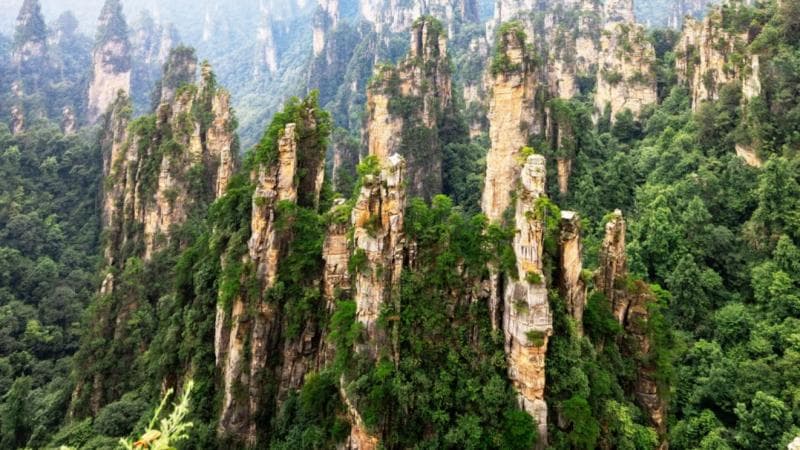
Imagine standing amid a forest of stone giants—3,000 towering quartzite pillars piercing the sky, draped in mist like something out of a dream. This is Zhangjiajie National Forest Park, China's first national park and the real-life inspiration for Avatar's floating mountains.
Start your adventure at Yuanjiajie, where the "Avatar Hallelujah Mountain" (the real name is Qiankun Pillar) rises dramatically from the earth. Walk the First Bridge Under Heaven, a natural rock arch spanning two peaks, and lose yourself in the dizzying views from Misty Terrace.
Continue to head to Golden Whip Stream, a peaceful 7.5-kilometer trail winding between cliffs so tall they block the sun. Listen to the water rush over smooth stones, spot playful macaques, and breathe in the fresh forest air.
For the best panoramic views, take the cable car up to Huangshi Village. Locals say, "If you don't visit Huangshi, you haven't truly seen Zhangjiajie". From Six Wonders Pavilion, you'll see endless peaks stretching to the horizon—especially stunning at sunrise or sunset.
(2) Tianmen Mountain
Picture this: you're gliding up the world's longest cable car ride (a breathtaking 7,455 meters!), watching the city of Zhangjiajie shrink below as you ascend into the clouds. Welcome to Tianmen Mountain National Park, where nature and adventure meet in the most spectacular ways.
Your heart might skip a beat when you step onto the glass walkway—a narrow path clinging to the cliffside 1,400 meters above ground. Look down if you dare (or hold onto the railing tight!), and you'll see eagles soaring beneath your feet. The views? Absolutely unreal.
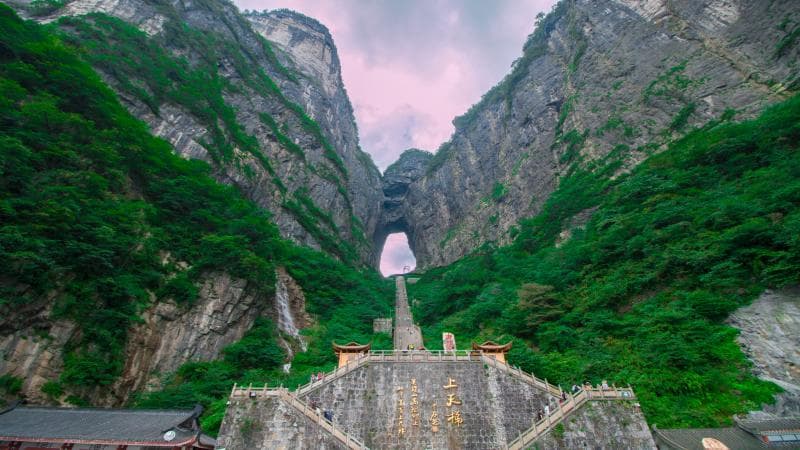
Then comes the famous Tianmen Cave, a massive natural arch nicknamed "Heaven's Gate". You can reach it by climbing the 999 Steps of Heaven (yes, it's a workout, but so worth it!) or take the world's longest outdoor escalator right through the mountain. When you stand in front of that giant doorway in the rock, with mist swirling around you, you'll feel like you've stepped into another world.
Don't miss the Ghost Valley Plank Road, a thrilling trail carved right into the vertical cliff face. As you walk, clouds might drift past your shoulders, turning the whole mountain into a floating fairyland.
(3) Zhangjiajie Grand Canyon
Get ready for a day where your courage will be tested and your senses dazzled! Zhangjiajie Grand Canyon is nature's ultimate playground, blending heart-pounding thrills with breathtaking beauty that will leave you speechless.
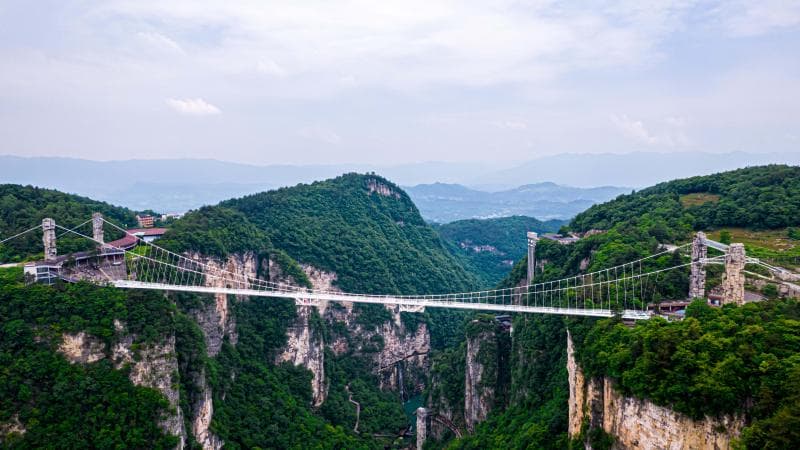
The star of the show is the Glass Bridge—the world's highest and longest at 300 meters above the canyon floor. As you take your first steps across this transparent pathway, your legs might tremble when you glance down at the roaring river below. But don't worry, it's completely safe (though your pounding heartbeat might disagree!).
After crossing this engineering marvel, descend into the canyon itself where a whole new world awaits. Follow wooden walkways clinging to steep cliffs as waterfalls spray cool mist on your face. The deeper you go, the more magical it becomes—emerald pools shimmer in sunlight, butterflies dance between wildflowers, and the sound of rushing water echoes off ancient rock walls.
For an extra dose of adrenaline, try the zipline shooting across the gorge or the cliffside slide that lets you zoom down through the scenery. More of a relaxed explorer? Take your time spotting rainbows in the waterfalls and listening to birdsong bouncing between the canyon walls.
(4) Wulingyuan Scenic Area
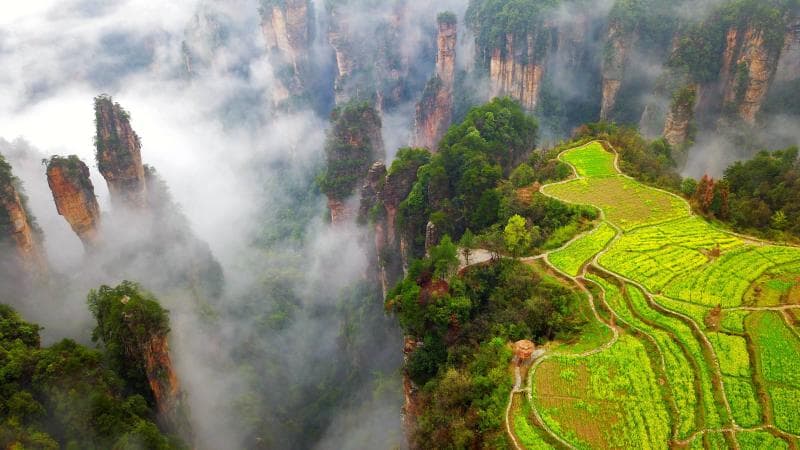
Welcome to Wulingyuan, where thousands of towering sandstone pillars rise from the earth like nature's skyscrapers, draped in mist and mystery. This is the heart of Zhangjiajie's magic.
Start your tour at Tianzi Mountain, where panoramic views will leave you breathless. Ride the cable car up through swirling clouds to discover why they call this the "Monarch of Peaks". At sunrise, watch golden light spill over the sea of stone spires—the famous "Stone Soldiers Marching in Formation" coming to life before your eyes.
Continue to explore Yangjiajie, the wilder side of Wulingyuan. Trek along cliff-hugging paths to hidden viewpoints like "One Step to Heaven", where you'll feel on top of the world. Keep an eye out for playful monkeys who might "ruin" your pictures!
Don't miss Ten-Mile Gallery, a stunning valley you can explore by foot or aboard a charming little train. As you wind between those impossible rock formations, you'll understand why artists and poets have been inspired here for centuries.
Thinking about visiting Zhangjiajie? Great choice! This place is like a real-life fairy tale with its towering sandstone pillars and misty forests. To help you plan a smooth trip, here are answers to some common questions.
How do I get to Zhangjiajie National Forest Park?
The park is about 40 minutes by car or bus from Zhangjiajie city. If you're coming from the airport or train station, taxis and shuttle buses are easy to find. Many hotels also offer transport or can help you book a tour. Once inside, free shuttle buses run between major sights, so you don't have to worry about walking too much—though comfy shoes are still a must!
Is English spoken in Zhangjiajie?
You'll find some English in hotels and major tourist spots, but don't expect everyone to speak it. Signs at attractions and train stations usually have English translations, so getting around isn't too hard. Learning a few basic Chinese phrases (like "nǎlǐ" for "where" or "duōshǎo qián" for "how much") or having a translation app ready will make things even easier.
Is Zhangjiajie safe for solo or female travelers?
Yes! It's generally very safe, even at night in busy areas. Petty theft is rare, but keep an eye on your belongings in crowded spots like Tianmen Mountain's cable cars or the park's shuttle buses. If you're hiking alone, stick to marked trails and avoid isolated areas after dark. Scams are uncommon, but always agree on taxi prices beforehand or use ride-hailing apps like Didi.
Can I use credit cards, or should I carry cash?
Big hotels and restaurants in the city take credit cards, but smaller shops, street food stalls, and park vendors usually only accept cash or Chinese mobile payments (WeChat Pay/Alipay). ATMs are around, but it's smart to withdraw some Chinese yuan (RMB) in advance. If you want to use mobile payments, set them up before your trip—some require a local number.
Any tips for avoiding crowds?
Arrive early (gates open at 8 AM) and visit popular spots like Yuanjiajie (Avatar Mountain) on weekdays. The park is huge, so exploring lesser-known trails—like Golden Whip Stream or Huangshi Village—gives you equally stunning views without the crowds. If you're flexible, avoid Chinese public holidays like National Week (October 1–7).
What should I pack?
Layers! Mountain weather changes fast—sunny one minute, drizzly the next. Bring a rain jacket, sunscreen, and a hat. Good hiking shoes are a must (some paths are steep or slippery). A reusable water bottle is handy too, as you can refill it at rest stops. Don't forget your camera—every turn feels like a postcard!
Are you interested in this tour?
This tour can be tailored.