
Do you want to encounter the furry pandas? Chengdu can help you realize this wish! Once the capital of the Shu Kingdom during the Three Kingdoms era, Chengdu is now famed as the "Land of Abundance". Here, you can sip tea in centuries-old teahouses, lose yourself in the aroma of spicy hotpot, and encounter cute giant pandas. Get ready to fall in love with its relaxed rhythm and warm-hearted spirit!
Table of Contents
Chengdu is the kind of city that makes you slow down and smile. Famous for its laid-back charm, mouthwatering food, and of course, the adorable giant pandas, this is where you come to experience the real heart of Sichuan.
Imagine starting your day watching fluffy pandas munch on bamboo at the research base, then spending the afternoon sipping tea in a centuries-old teahouse while a master performs the ancient art of face-changing opera. As evening falls, follow the tempting smells to a hotpot restaurant where bubbling broth and spicy aromas fill the air—just be ready for that famous Sichuan peppercorn tingle!
But Chengdu isn't just about pandas and peppers. Wander through wide parks where locals dance in the evenings, explore narrow alleys filled with artisan shops, or lose yourself in the lively Chunxi shopping district. The city perfectly blends tradition with modern energy—you might find a 2000-year-old irrigation system right next to a trendy craft beer bar.
What really makes Chengdu special is its people. Chengdu-ers know how to enjoy life, whether it's playing mahjong in the park, sharing stories over endless cups of tea, or welcoming visitors with their famous hospitality.
Come hungry, come curious, and leave with your heart full. Chengdu doesn't just show you China—it gives you a warm hug and invites you to stay awhile. This is the China you'll fall in love with.
(1) Morning Tai Chi at People's Park
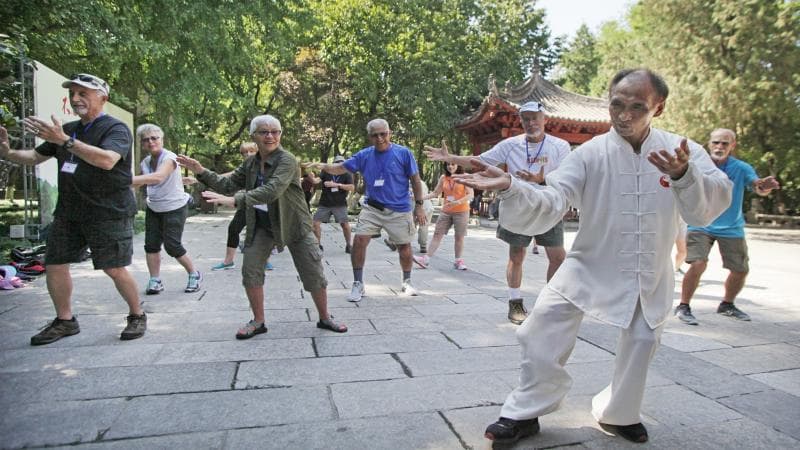
Wake up with the city in the soft morning light as you join Chengdu's most peaceful daily ritual at People's Park. By 7am, the square already hums with quiet energy—retired masters moving like water, young professionals shaking off sleep, and curious travelers like you, all drawn to the graceful dance of Tai Chi.
Find your spot under the gingko trees as a friendly instructor waves you over. Don't worry about being new—they'll start you with the basic "wave hands like clouds" movement. Feel your breath sync with the group as arms float upward, then sweep down like brushing silk. The morning air carries the scent of tea from nearby vendors mixing with the earthy smell of dew on grass.
Around you, regulars move through forms they've practiced for decades—some with fans that snap open in perfect time, others with swords that catch the sunlight. A grandmother might adjust your stance with a gentle touch, her hands surprisingly strong. When the session ends, follow locals to the tea house where your first cup of jasmine tea tastes extra sweet after moving meditation.
As you walk away, you'll notice your shoulders have unknotted without you realizing. That's the magic of starting your Chengdu day the local way—slow, intentional, and connected to centuries of tradition. The memory of those flowing movements will stay with you long after your tea cup empties.
(2) A Day as a Panda Keeper
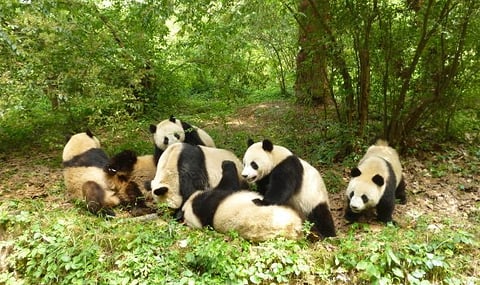
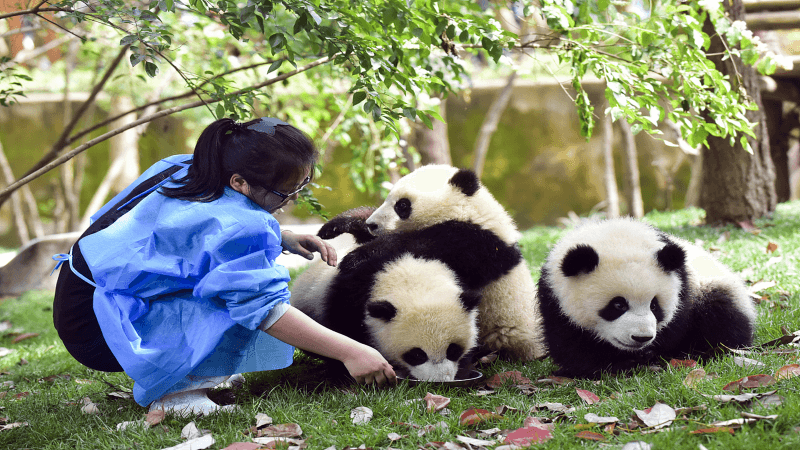
Picture this: You're wearing a keeper's blue uniform, standing just inches away from a giant panda as it happily munches bamboo you just prepared. This is your morning at the Chengdu Panda Base—not just watching, but actually helping care for these adorable creatures.
Your day starts early, chopping fresh bamboo into perfect snack-sized pieces (pandas can be picky eaters!). Then comes the best part—feeding time. You'll offer bamboo through the enclosure bars and might get a curious stare from a young cub, its black-button eyes studying you while it sits like a furry little emperor.
Between preparing special "panda cakes" and cleaning enclosures (yes, even pandas make messes!), the keepers share fun stories about each panda's personality. You'll learn who's the troublemaker, who's always last to wake up, and who gives the funniest "hugs".
The highlight? Making ice treats stuffed with fruit and watching the pandas hold them like popsicles with their clever paws. As you leave, you'll realize you didn't just visit today—you became part of their care team, even if just for a few special hours.
Spring (March-May) is lovely in Chengdu. The weather warms up gently, and parks like People's Park burst with colorful flowers—especially the famous blooming rapeseed fields outside the city. This is the perfect time to visit the panda base when the baby pandas are most active. The temperatures are just right for strolling through Jinli Ancient Street or sipping tea in a quiet courtyard.
Summer (June-August) brings heat and humidity, but also a lively energy. Early mornings are best for exploring—join the locals practicing tai chi by the river or browsing the morning markets. When the sun gets strong, escape to cool teahouses or air-conditioned museums. Summer nights are when Chengdu really comes alive—hotpot restaurants stay busy until late, and night markets serve up icy bowls of sweet fermented rice to beat the heat.
Autumn (September-November) might be Chengdu's most comfortable season. The air turns crisp, and the city's many parks glow with golden ginkgo leaves. This is harvest season—street vendors roast sweet chestnuts, and restaurants serve seasonal dishes like spicy crab. Don't miss the Mid-Autumn Festival, when the city lights up with lanterns and mooncakes fill every bakery window.
Winter (December-February) is mild but cozy. While it rarely snows in the city, the surrounding mountains get dusted with white—perfect for a day trip to see the snowy scenery. This is the best time to warm up with Chengdu's famous hotpot or enjoy a steamy bowl of dan dan noodles. The pandas are especially playful in cooler weather too!
No matter when you visit, remember: Chengdu mornings are magical, the tea houses are always welcoming, and some of your best memories will be simple moments—like watching the sunset over the Anshun Bridge with a cup of jasmine tea in hand. This city knows how to make visitors feel at home any time of year!
Visa & Entry
Like most places in China, you'll need a visa to visit Chengdu. But if you're transiting through certain Chinese cities (including Chengdu), you might qualify for a 144-hour visa-free stay. Just make sure your connecting flight is within that time. Keep your passport with you—you'll need it for hotel check-ins and some attractions.
Transportation
Chengdu's metro system is clean, modern, and covers most tourist spots—it's the easiest way to get around. You can buy single tickets or get a rechargeable Tianfu Tong card. For places not served by metro, use Didi (China's Uber) or regular taxis—just show the driver your destination in Chinese (your hotel can help with this). Bikes are everywhere too—scan the QR code with WeChat to rent one!
Money & Payments
Mobile payments (Alipay/WeChat Pay) are used everywhere—even small noodle shops prefer them. Set this up before your trip. International cards work at hotels and nicer restaurants, but smaller places often only take mobile pay or cash. ATMs are easy to find if you need RMB. Pro tip: Carry small bills (¥1, ¥5, ¥10) for markets and street food.
Language Tips
While Mandarin is spoken everywhere, you'll find more English in tourist areas and hotels. Learning a few Sichuan dialect phrases can be fun—try "巴适" (ba shi) meaning "awesome!" For menus and signs, Google Translate works well (download the Chinese language pack before you go).
What to Pack
Chengdu's weather is mild but can surprise you:
- Spring/Autumn: Light jacket—mornings and evenings can be cool
- Summer: Light clothes, umbrella (for sudden rain), and sunscreen
- Winter: Warm layers—it's not freezing but can get chilly
Don't forget:
- Comfy shoes (you'll walk a lot exploring tea houses and markets)
- A portable charger (for all those panda photos!)
- Tissues/hand sanitizer (some public restrooms might not have them)
- Your passport (you'll need it for train tickets and hotels)
(1) Giant Panda Breeding Research Base
There's nothing quite like watching giant pandas in their element—those roly-poly bundles of fur munching bamboo with intense concentration, tumbling over each other like overgrown toddlers, or snoozing in ridiculous, spread-eagled poses. At this world-renowned sanctuary, you'll get front-row seats to observe China's most beloved "national treasures" being their utterly charming selves.
For the best experience, arrive when the gates open——morning is when these normally lazy creatures show the most energy, enthusiastically chomping through their bamboo breakfast. Don't miss the nursery area where clumsy panda cubs learn to climb and play, guaranteed to be the highlight of your visit. Beyond the pandas themselves, the sanctuary offers beautifully maintained gardens and peaceful walking trails lined with native plants—a refreshing natural oasis just outside the city!

(2) Kuanzhai Alley (Wide and Narrow Alleys)
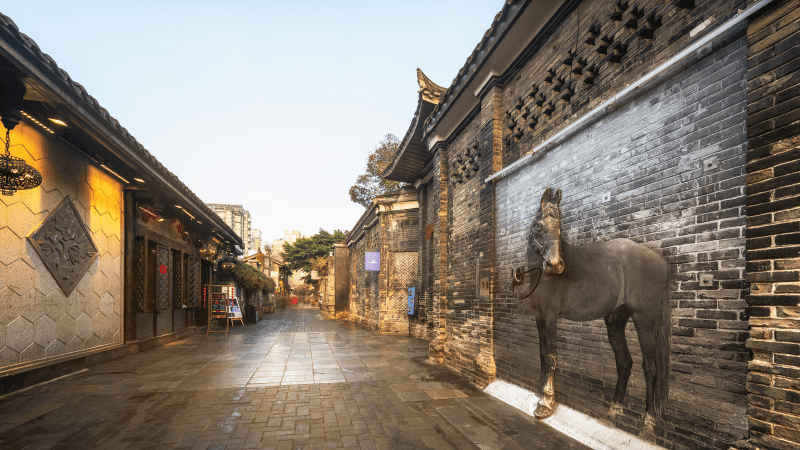
Lose yourself in the charming maze of Kuanzhai Alley, where 300-year-old Qing Dynasty courtyards have been transformed into the coolest hangout spots in town! The "Wide Alley" keeps your camera busy with its colorful street art, live music floating from cafes, and local artisans selling handmade treasures. Just around the corner, the "Narrow Alley" invites you to slow down—find a teahouse tucked behind an ivy-covered doorway and watch the world go by with a fragrant cup of jasmine tea in hand.
Don't be surprised to see groups of Chengdu locals gathered around stone tables, their mahjong tiles clicking away under the shade of ancient trees. As evening falls, paper lanterns glow to life, casting a warm light on the cobblestone paths. This is when the alleys truly come alive—street food sizzles, traditional Sichuan opera masks peek from shop windows, and the whole place hums with energy. Whether you're hunting for the perfect souvenir, craving authentic dan dan noodles, or just want to soak up the atmosphere, Kuanzhai Alley offers that perfect mix of old Chengdu charm and new creative energy!
(3) Dujiangyan Irrigation System
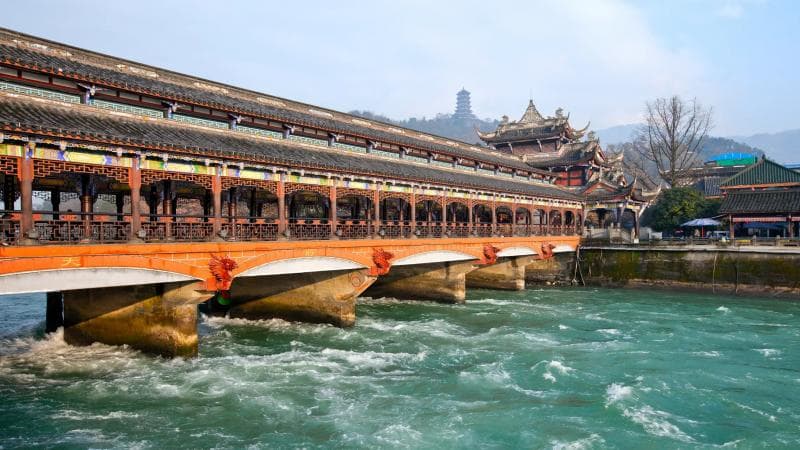
Imagine standing before an irrigation system built over 2,300 years ago—without any modern machinery—that still nourishes Chengdu's farmland today. That's Dujiangyan, an engineering marvel so brilliant it earned UNESCO World Heritage status. Walk across the swaying Anlan Cable Bridge and feel the mist from the powerful Min River below as you take in panoramic views of this incredible water-dividing system.
The site isn't just about history—it's a living place of beauty. Wander through peaceful temples where ancient Chinese honored water gods, then relax in the surrounding park's lush greenery (but keep your snacks hidden from the playful resident monkeys!). Local families often picnic here, and you might see farmers still using the same water channels their ancestors did centuries ago. Don't miss the interactive exhibits that bring to life how this system tamed devastating floods—you'll leave amazed at how clever ancient engineers solved problems we still face today.
(4) Qingcheng Mountain
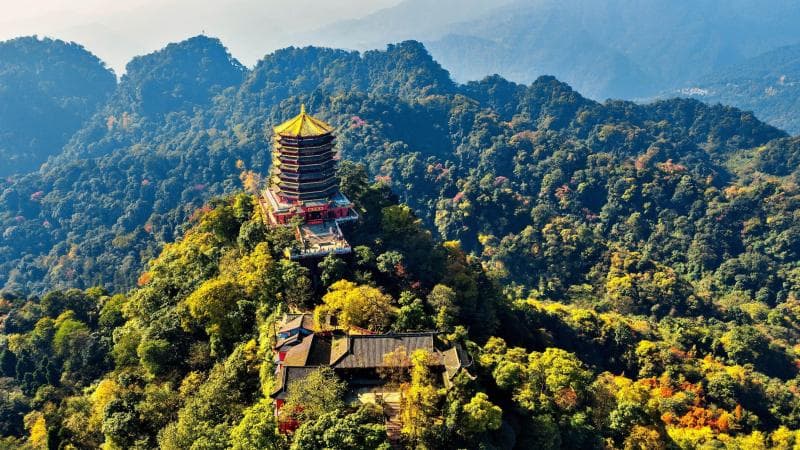
Step into a living Taoist painting as you enter Qingcheng Mountain, where emerald forests meet curling temple rooftops. For over 1,800 years, this has been China's sacred place for finding inner peace—and you'll feel why the moment you breathe in the crisp, pine-scented air. Choose your own adventure: follow stone steps past bubbling streams to hidden temples, or glide up by cable car for breathtaking views that stretch all the way to Chengdu on clear days.
Don't miss the chance to sit quietly in Shangqing Temple's courtyard, listening to monks' rhythmic chants mix with wind chimes. Everywhere you look, you'll spot beautiful Taoist details—carved stone turtles, fluttering prayer ribbons, and ancient ginkgo trees that turn golden in autumn. The higher you climb, the more the modern world fades away, replaced by the mountain's timeless magic.
(5) Du Fu Thatched Cottage
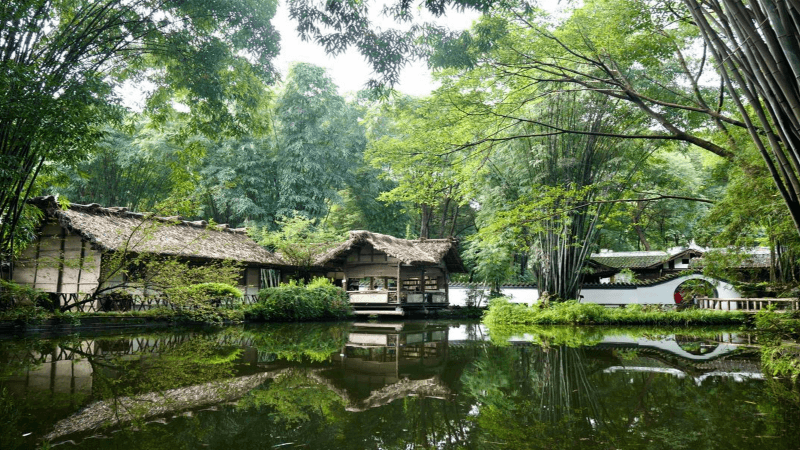
Travel back to the Tang Dynasty at the cottage of Du Fu, China's "Poet Sage". As you wander through the bamboo groves and quiet ponds that inspired his famous poems, you'll understand why this humble spot sparked so much creativity. The simple house, rebuilt just as it was during the Tang Dynasty, displays precious handwritten manuscripts and delicate ink paintings that bring his era to life.
Try your hand at traditional calligraphy in a workshop where you'll learn to write characters with brush and ink, just like scholars did centuries ago. Or find a quiet bench by the lotus pond—the perfect place to read a poem or simply listen to the rustling bamboo. You might even catch local students reciting Du Fu's verses under the ancient trees, keeping his words alive after 1,300 years.
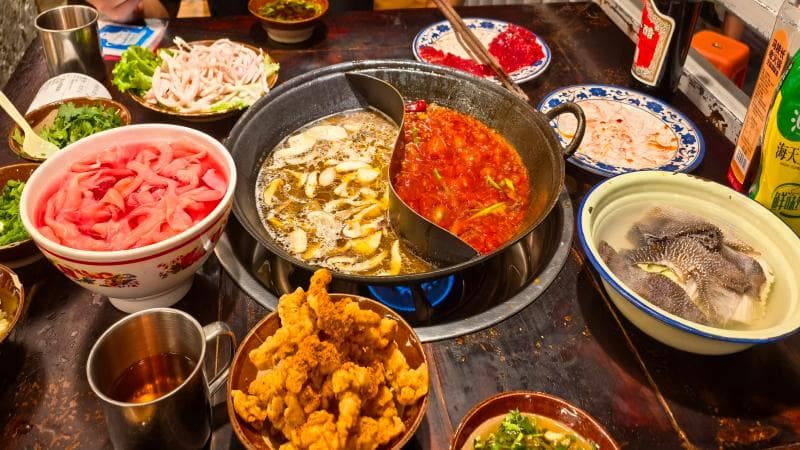
Get ready for the most exciting food adventure of your life in Chengdu—where every meal is a delicious surprise! Start your morning like locals do, slurping up dan dan noodles coated in fragrant chili oil and crushed peanuts. When lunchtime comes, gather around a bubbling hotpot with friends, fishing out paper-thin beef slices and crisp vegetables from that signature numbingly-spicy red broth.
Don't miss the street food stalls where skewers of meat and veggies get dunked in tongue-tingling Sichuan pepper sauce—just follow your nose to find the best ones. After all that heat, cool down with sweet bingfen jelly desserts or a refreshing bowl of ice jelly topped with fruit. From hole-in-the-wall eateries to night market stalls, you'll taste why Sichuan cuisine is famous worldwide.
First time visiting Chengdu? Don't worry—we've got you covered! Here are answers to common questions to make your trip smooth and enjoyable.
What's the best way to visit the Panda Base?
The Chengdu Research Base of Giant Panda Breeding is about 30 minutes from downtown by taxi (around ¥30-40). You can also take metro line 3 to Panda Avenue station, then transfer to bus 198. Arrive early (before 9am) when pandas are most active—they tend to nap after lunch! Guided tours are available, but it's easy to explore on your own with English signs throughout the base.
Is English widely spoken in Chengdu?
You'll find basic English at major hotels and tourist spots, but don't expect everyone to speak it. Younger locals and university students often know some English. Signs in metro stations and at attractions have English translations. Learning a few Mandarin phrases like "xièxie" (thank you) and "duōshǎo qián?" (how much?) helps a lot!
How safe is Chengdu for travelers?
Very safe! Violent crime is rare, and the city has a relaxed, friendly atmosphere. Normal precautions apply: watch your belongings in crowded areas like Jinli Ancient Street, and use official taxis or Didi (China's Uber) at night. The metro stops running around 11pm. Solo female travelers generally feel comfortable here.
What payment methods should I use?
Mobile payments (Alipay/WeChat Pay) are used everywhere—even small noodle shops prefer them. Set this up before arriving. International cards work at hotels and upscale restaurants, but smaller places often only take mobile pay or cash. Withdraw RMB at airport ATMs or Bank of China branches. Always carry some small bills (¥1, ¥5, ¥10) for markets.
Can I find non-spicy food in Chengdu?
Yes! While Sichuan cuisine is famous for its heat, many restaurants offer mild options. Just say "bù yào là" (don't want spicy) or "wèi là" (mild spicy). Great non-spicy local dishes include:
- Sweet water noodles (tian shui mian)
- Steamed buns (baozi)
- Wonton soup (chao shou)
- International restaurants are also widely available.
Are you interested in this tour?
This tour can be tailored.