If you're talking about China's coolest cities, Shanghai's gotta be on the list! Tall buildings fill the city, cozy old streets with character, and a cool mix of Eastern and Western styles. Believe it or not, this magic city started as a tiny fishing village! Now it's gone full global superstar, but you'll still find old Shanghai hiding around corners. When you're walking down the street, you'll be torn between soup dumplings and fashion spots. Trust us, your eyes and taste buds won't know where to look first!
Table of Contents
Shanghai is where China's future meets its past—a dazzling city that never fails to surprise. Imagine walking down the Bund at sunset, with historic European-style buildings on one side and glittering skyscrapers across the river. That's Shanghai in a nutshell: a perfect mix of old and new, East and West, tradition and innovation.
You'll love the energy here. One minute you're exploring quiet lanes lined with 1930s shikumen houses, the next you're in a futuristic mall or sipping cocktails on a rooftop bar with jaw-dropping views. Foodies rejoice—from sizzling street dumplings to some of Asia's best fine dining, your taste buds are in for a treat. Don't miss the famous xiaolongbao (soup dumplings) or the crispy scallion pancakes sold on every corner.
Culture lovers, you're covered too. The Shanghai Museum holds treasures from 5,000 years of Chinese history, while power station of art (PSA) shows cutting-edge contemporary works. For something different, catch a Chinese opera performance or lose an afternoon in Tianzifang's artsy alleyways.
What really makes Shanghai special is how easy it is to explore. The metro is clean and English-friendly, taxis are cheap, and there's always something exciting around the next corner—whether it's a hidden jazz bar, a tranquil temple, or a market selling everything under the sun.
Come see why this city captures hearts. Shanghai doesn't just show you China—it shows you what cities can be. Pack your walking shoes (and an appetite!), because adventure awaits at every turn.
Shopping in Shanghai
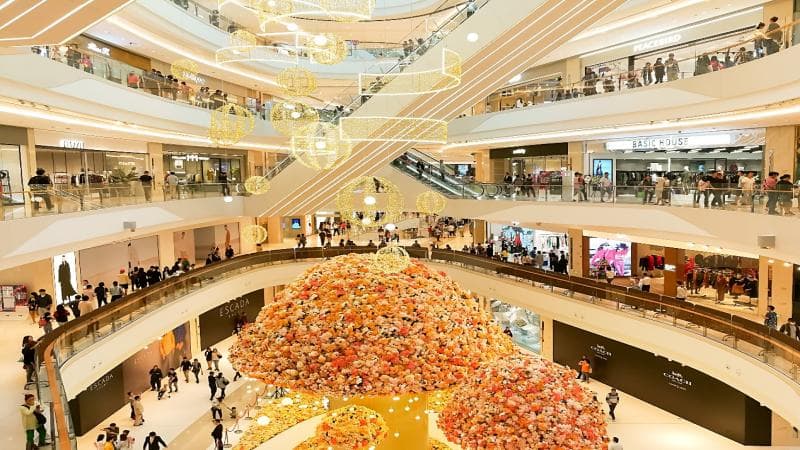
Get ready to step into Shanghai's dazzling malls and you'll find more than just shopping—it's a full sensory experience. The moment those automatic doors slide open, you're greeted by the cheerful buzz of shoppers, the aroma of fresh coffee and baked goods, and floors so polished you can see your reflection.
Start at Plaza 66, where crystal chandeliers make even window shopping feel glamorous. Watch makeup artists work their magic at luxury beauty counters, or catch whiffs of new perfumes being tested. When hunger strikes, head to iapm Mall—their Din Tai Fung serves xiaolongbao so perfect you'll want to watch the chefs fold each delicate pleat.
For something different, K11 blends shopping with art gallery vibes. You might turn a corner to find a neon light installation or pop-up photo exhibit. Even their fitting rooms feel special, styled like mini theater dressing rooms. Younger crowds love Joy City, where entire floors are dedicated to cute stationery, anime merch, and those addictive blind box toys. Before leaving, stop by Super Brand Mall in Pudong—time it right and you can shop while watching the Bund's light show reflect in the glass walls.
Wear comfy shoes (you'll walk more than you think!) and keep small bills handy for mall snacks. Whether you're splurging or just browsing, Shanghai's malls turn shopping into an event you'll remember.
3. Best Time to Visit Shanghai
Spring (March-May) is simply lovely in Shanghai. The weather warms up gently, and the city bursts into color—cherry blossoms at Gucun Park, tulips along the Bund, and fresh green leaves on the plane trees lining the French Concession streets. It's perfect for long walks along the Huangpu River or cycling through the old neighborhoods. Just pack a light jacket for the occasional drizzly day.
Summer (June-August) turns Shanghai into a tropical playground. Yes, it gets hot and humid, but that's when the city comes alive at night. Stroll along the Bund when the skyscrapers light up, cool off with ice-cold bubble tea, or join locals escaping the heat in air-conditioned shopping malls. Summer is festival season too—don't miss the Dragon Boat Festival in June with its exciting races and sticky rice zongzi treats.
Autumn (September-November) might be Shanghai's most comfortable season. The air turns crisp, the skies become brilliantly blue, and the city's countless plane trees turn golden. It's ideal weather for rooftop drinks with those famous Pudong views or exploring the water towns nearby. Foodies rejoice—this is crab season, when Shanghai's restaurants serve up the sweetest hairy crab dishes.
Winter (December-February) has its own magic. While it rarely snows, the Christmas decorations along Nanjing Road and the cozy jazz bars in the former French Concession create a wonderful atmosphere. Warm up with steaming xiaolongbao (soup dumplings) or a rich bowl of braised pork noodles. Plus, you'll find shorter lines at popular spots like the Shanghai Tower observation deck.
No matter when you visit, remember two Shanghai secrets: mornings are best for popular sights before the crowds arrive, and some of your best memories will be simple moments—like watching the sunset over the Huangpu River with a local craft beer in hand. Shanghai always has something special waiting for you!
Visa & Entry
Most visitors will need a visa to enter China, but if you're transiting through Shanghai, you might qualify for the 144-hour visa-free stay. Just make sure your connecting flight is within that time. Keep your passport with you at all times—you'll need it for hotel check-ins and some attractions.
Transportation
Shanghai's metro is clean, efficient, and covers most of the city—it's the best way to beat the traffic. You can buy single-ride tickets or get a rechargeable metro card for convenience. For places not served by the metro, Didi (China's Uber) works great, or you can flag down a taxi—just have your destination written in Chinese to show the driver. Pro tip: Avoid rush hour (7:30-9:30 AM and 5:00-7:00 PM) when trains and roads get crowded.
Money & Payments
Mobile payments (Alipay/WeChat Pay) are everywhere in Shanghai—even street food vendors use them. Set up one of these apps before your trip. International credit cards are accepted at hotels and larger stores, but smaller shops and markets often prefer cash or mobile pay. ATMs are easy to find if you need to withdraw RMB.
Language Tips
While Mandarin is the main language, you'll find English speakers in hotels, tourist areas, and younger locals. Learning a few basic phrases like "Nǐ hǎo" (Hello) and "Xièxiè" (Thank you) goes a long way. For menus and signs, Google Translate can be a lifesaver—just point your camera at Chinese characters for instant translation.
What to Pack
Shanghai's weather can be unpredictable, so pack accordingly:
- Spring/Autumn: Light layers—mornings and evenings can be cool.
- Summer: Lightweight clothes, sunscreen, and an umbrella (for sudden rain showers).
- Winter: A warm coat—indoors are heated, but it gets chilly outside.
Other essentials:
- Comfortable shoes (you'll do a lot of walking!)
- A portable charger (for all those photos of the skyline)
- A reusable water bottle (tap water isn't drinkable, but filtered water is available everywhere)
- Hand sanitizer/tissues (some public restrooms might not have soap or paper)
5. Top Attractions in Shanghai
(1) The Bund
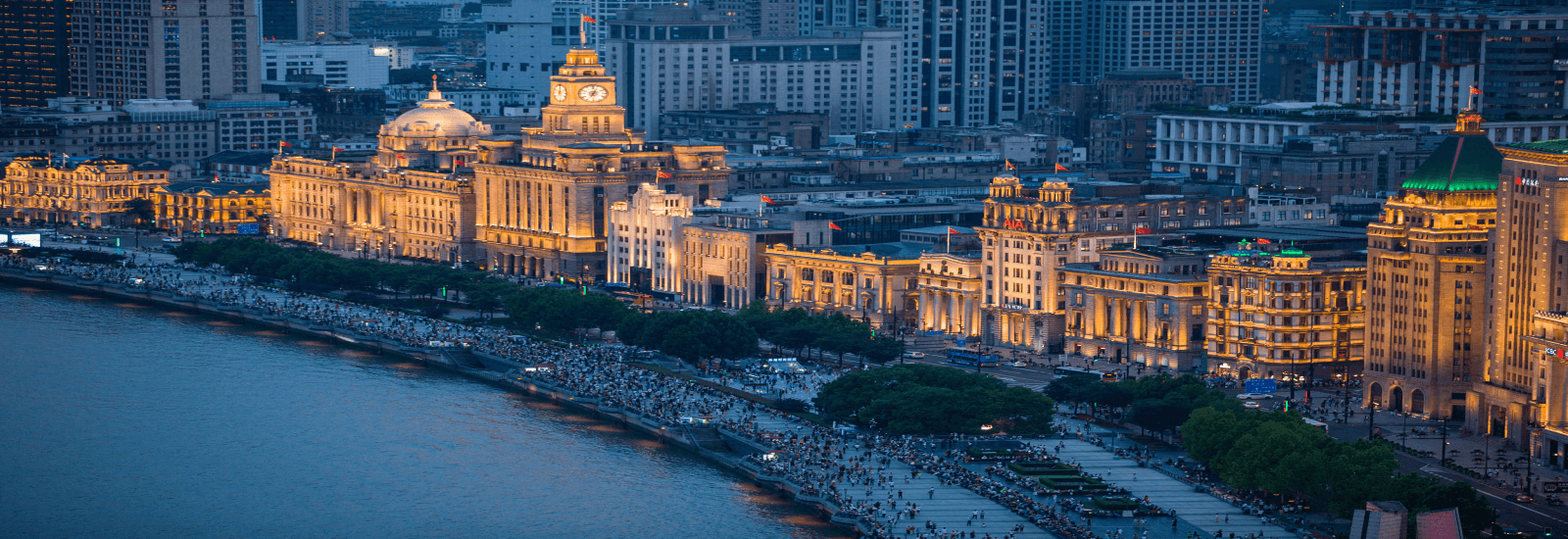
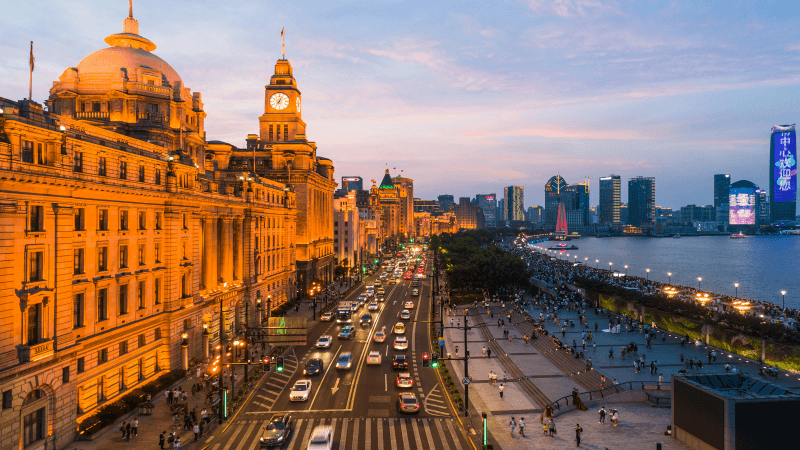
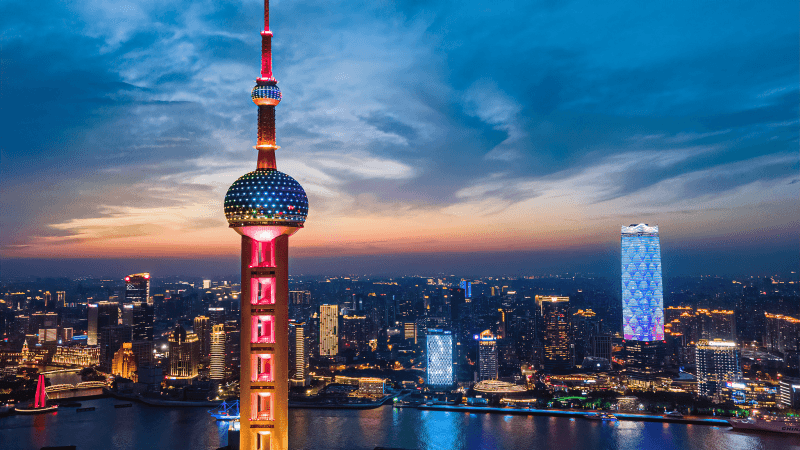
Take a walk through history and modernity along Shanghai's famous waterfront as day turns to night. On the west side, grand European-style buildings from the 1920s stand like elegant old gentlemen, their intricate stone carvings telling stories of Shanghai's golden age. Just across the river, Pudong's futuristic skyline winks at you with its dazzling light show—the twisting Shanghai Tower and glowing Oriental Pearl TV Tower creating a scene straight out of science fiction.
For the best views, hop on an evening river cruise as the city lights dance on the Huangpu's dark waters. Or grab a drink at one of the Bund's rooftop bars and watch the light gradually change on the buildings. Come morning, you might find locals practicing graceful tai chi moves along the promenade as the first sunlight hits the river—the perfect peaceful start to a Shanghai day!
(2) Yu Garden & Old City
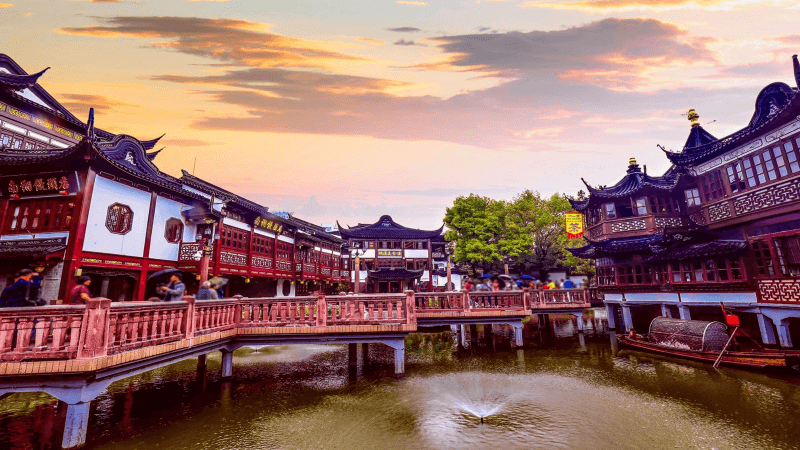
Step through the moon gate into a peaceful world where time seems to stand still. Built over 400 years ago as a private retreat, Yu Garden still feels like a secret escape from the city's hustle. Stroll along winding paths that suddenly reveal hidden courtyards, cross zigzag bridges over ponds filled with colorful koi fish, and admire the famous Exquisite Jade Rock—its unique holes create beautiful water displays when it rains.
Don't miss the chance to rest your feet at the Huxinting Teahouse, floating on the garden's central lake. As you sip fragrant tea from delicate cups, you'll understand why this is called the "Garden of Happiness". When you're ready for more excitement, just step outside the walls into the lively Old City markets. Follow your nose to steaming xiaolongbao soup dumplings, bargain for silk souvenirs, or try sweet candied fruits on sticks—the perfect mix of history and modern Shanghai life!
(3) Shanghai Museum
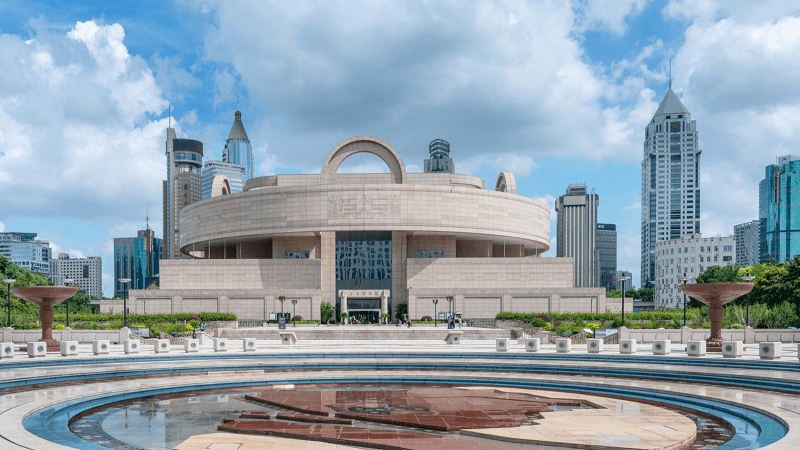
Unlock 5,000 years of Chinese artistry at the Shanghai Museum, a treasure trove nestled in People's Square. Marvel at delicate blue-and-white porcelain from the Ming Dynasty, intricate jade carvings that took lifetimes to complete, and powerful bronze sculptures from China's earliest empires. The painting gallery will transport you to misty mountain landscapes where you can almost hear the wind through the trees.
After soaking up all that culture, relax in People's Square Park right outside. Watch locals practicing tai chi, couples ballroom dancing to old Shanghai jazz tunes, and kids chasing colorful kites—it's the perfect way to see how China's living culture connects with its ancient treasures.
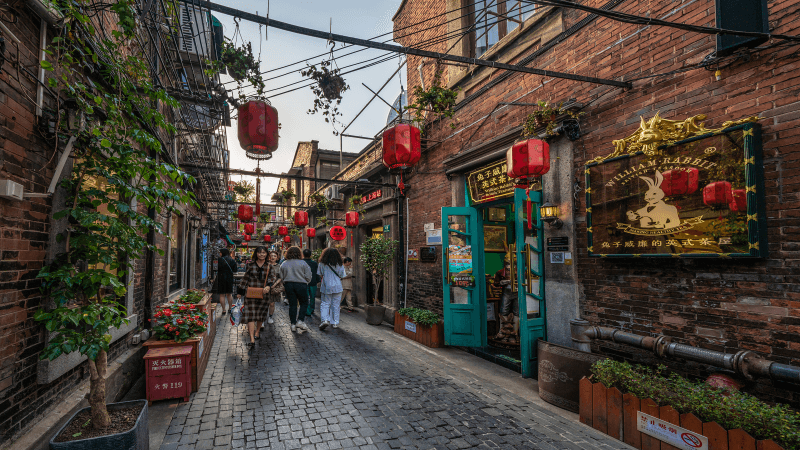
(4) Tianzifang & French Concession
Get ready to explore two of Shanghai's most picturesque areas—the artsy lanes of Tianzifang and the elegant streets of the French Concession. In Tianzifang, you'll weave through narrow alleyways where old stone-gate houses have been transformed into a creative wonderland. Discover tiny shops selling handmade ceramics, sip coffee in hidden courtyards draped in vines, and watch local artists at work in their open studios. Every turn reveals something new—maybe a boutique selling silk scarves or a stall serving fresh mango smoothies.
Just a short walk away, the French Concession feels like stepping into 1930s Shanghai. Shady sycamore trees line the streets, framing beautiful European-style villas that now house cozy bookstores and charming cafés. Rent a bike to explore at your own pace, stopping to admire the architecture or sample famous soup dumplings at a historic tea house. As evening falls, the area's wine bars and jazz clubs come alive, blending Shanghai's past and present in the most delightful way.
(5) Shanghai Tower & Pudong
Hold your breath as the elevator whisks you up the Shanghai Tower in just 53 seconds—the fastest ride of your life! When the doors open on the 118th floor, you'll see all of Shanghai spread out below like a miniature city. The Huangpu River looks like a shiny ribbon winding between buildings, and people on the streets seem as small as ants. If you're feeling brave, step onto the glass floor and look straight down—it's like floating in midair!
After coming back down to earth, take time to admire Pudong's other famous towers nearby. The playful Oriental Pearl Tower with its giant pink spheres and the sleek "bottle opener" building each have their own unique personality. As night falls, watch the whole district transform into a dazzling light show, with colorful lasers dancing across the skyscrapers. The best free view is from the Bund across the river, where you can see all three towers glowing against the night sky.
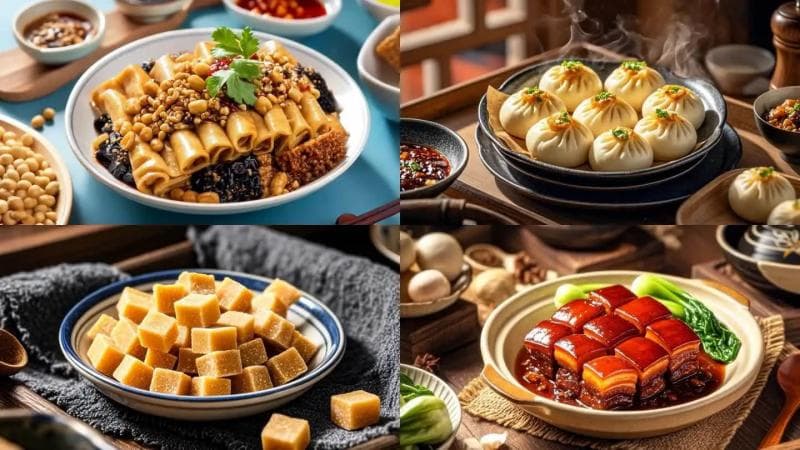
Wake up to the sizzle of shengjian bao hitting the griddle—these golden-bottomed pork buns are Shanghai's perfect breakfast, with a crispy crust giving way to steaming hot broth inside. Follow locals to a busy breakfast stall for a simple bowl of scallion oil noodles, where the magic is in the fragrant oil that coats every strand.
At lunchtime, let yourself be tempted by hongshao rou—chunks of pork belly slow-cooked until they practically melt on your tongue, glazed in a shiny sweet-soy sauce. Save room for Shanghai's most famous dish: xiaolongbao soup dumplings. At places like Nanxiang Steamed Bun Restaurant, you'll learn the art of carefully biting into these delicate parcels to sip the rich broth inside without burning your mouth (it's trickier than it looks!).
End your food adventure on a sweet note with tanghulu—shiny candied hawthorns on sticks that crunch like glass—or pick up traditional mooncakes from historic bakeries. Every bite tells a story of Shanghai's love for balanced flavors that are neither too spicy nor too bland, but just right.
First time visiting Shanghai? No worries! Here are answers to common questions to help you explore China's most exciting city with confidence.
What's the best way to visit the Bund and Pudong?
The Bund is Shanghai's famous waterfront area—best visited early morning for peaceful photos or at night for dazzling lights. Just take metro line 2 or 10 to East Nanjing Road station. To cross to Pudong's skyscrapers, take the scenic ferry (¥2) or the underground Sightseeing Tunnel (¥50). For amazing views, visit Shanghai Tower's observation deck—go on clear days around sunset!
Is English commonly spoken in Shanghai?
You'll find more English speakers here than most Chinese cities—especially in hotels, tourist spots and with younger locals. Signs in metro stations and major attractions have English translations. Still, having a translation app like Google Translate helps, especially for menus. Locals appreciate if you try basic Mandarin like "xièxie" (thank you)!
How safe is Shanghai for visitors?
Extremely safe! Violent crime is rare, and streets stay lively until late. Normal city precautions apply: watch your bag in crowded areas like Nanjing Road, and use official taxis or Didi (China's Uber). The metro stops running around 11pm, so plan accordingly. Solo female travelers generally feel comfortable here.
What payment methods should I use?
Mobile payments (Alipay/WeChat Pay) are king—even street vendors use them. Set this up before arriving. International cards work at hotels and upscale restaurants, but smaller shops only take mobile pay or cash. Withdraw RMB at airport ATMs or Bank of China branches. Always carry some small bills (¥1, ¥5, ¥10) for markets.
Where can I find vegetarian or halal food?
Vegetarians will love Godly (a famous vegetarian restaurant chain) and Buddhist cuisine at Jade Buddha Temple area. For halal options, head to Muslim restaurants around Huxi Mosque or try the lamb kebabs at night markets. Most local restaurants can accommodate if you say "wǒ chī sù" (I eat vegetarian) or "wǒ bù chī zhūròu" (I don't eat pork).
Are you interested in this tour?
This tour can be tailored.
Beijing-Xi'an-Osaka-Kyoto-Tokyo
This comprehensive tour offers a deep dive into the iconic historical, cultural, and natural wonders of China and Japan, blending ancient sites with vibrant modern cities, requiring good mobility for an active exploration.